Pioneer SX-2500 (1971–1974)
When you fire up this 1971 receiver, the meters glow and the motorized tuner whirs to life.
Overview
The Pioneer SX-2500 announces itself. Flip the power switch and the relays engage with a soft mechanical click. Pioneer introduced it in 1971 and built it through 1974 as the top-of-the-line stereophonic receiver, a solid-state AM/FM stereo unit. It weighs nearly 33 pounds and has a classic brushed aluminum faceplate with dual analog meters. The amplifier is cap-coupled, the connectivity is comprehensive, and every control has a mechanical feel. It was built for people who wanted total command over their listening. It cost $549.95 new, which was a serious investment.
The SX-2500 sat at the top of Pioneer's lineup, above models like the SX-9000, SX-990, SX-1500TD, SX-1000TW, SX-770, and SX-440. Integrated receivers were reaching their engineering peak when it was made. The front panel is easy to use. The bass and treble controls are stepped and click into place. The loudness switch improves low-end clarity at low volumes. The mode selector toggles between stereo, reverse stereo, mono, or mix. The twin meters track signal strength and center tuning. Then there's the wired remote. It's a fully functional extension of the front panel, and it lets you tune and adjust volume from up to approximately 23 feet away. It depends on the CdS photoresistor module, and that's the part most often missing when these units surface today.
Specifications
| Manufacturer | Pioneer |
| Product Type | Stereo Receiver |
| Production Year | 1971–1974 |
| Power Output | 72 watts+72 watts at 8 ohms (1KHz, 0.5%) |
| Power Output (4 ohms) | 90 watts+90 watts at 4 ohms (Both channels driven) (1KHz, 0.5%) |
| Harmonic Distortion | Less than 0.5% (at 1KHz, Continuous power output) |
| Damping Factor | 40 (at 8 ohms, 1KHz) |
| Frequency Response | 20 to 70,000Hz ± 2 dB |
| FM Tuner IHF Sensitivity | 1.6 µV (at 98 MHz) |
| FM Tuner Capture Ratio | 1.0 dB (at 98 MHz) |
| FM Tuner Selectivity | 65 dB (at 98 MHz) |
| FM Tuner Signal to Noise Ratio | More than 70 dB (IHF rating) |
| FM Tuner Channel Separation | 40 dB (at 1 KHz) |
| AM Tuner Frequency Range | 525 kHz to 1605 kHz |
| AM IHF Sensitivity | 8 µV |
| Input Sensitivity/Impedance (Phono 1 (MC)) | 110 µV/30 Ω (with PP-402) |
| Input Sensitivity/Impedance (Phono Mag) | 2.7 mV/50 kΩ |
| Input Sensitivity/Impedance (Aux) | 200 mV/100 kΩ |
| Speaker Outputs (A, B) | 4 - 16 ohms |
| Weight | approximately 33 lbs (15 kg) |
| Dimensions | 19 1/8 x 5 3/4 x 15 1/8 inches (489 x 146 x 384 mm) |
| Power Consumption | 220 VA |
Key Features
Capacitor-coupled amplifier with serious muscle
The SX-2500's amplifier is a single-ended push-pull, capacitor-coupled design, common in early 1970s high-end audio. The cap-coupled architecture is credited with delivering a "fat, rich sound," without the sterility some associate with later direct-coupled designs. It makes 72 watts per channel into 8 ohms (both channels driven) and has a damping factor of 40. That's enough grip for all but the most demanding speakers. Into 4 ohms it delivers 90 watts per channel, which is rare for a receiver of its era. The audio section has 36 transistors, 2 FETs, and 2 thermistors for thermal stability, all fed by a heavy-duty power supply. It's overbuilt by today's standards, and a lot of owners still swear by it.
Auto-tuning with precision and feedback
The tuner is automatic. A servo-mechanism system scans the FM band and locks onto stations. You can set it to search up or down, and it stops only when it finds a viable signal. The tuner section uses five ICs and two crystal filters, giving 65 dB selectivity and 90 dB image rejection. The dual front meters show signal strength and center tuning, so you can see when you're locked in. The AM section has an 83 dB image rejection and a built-in ferrite loopstick antenna that works well for local stations.
Wired remote that actually works—when it’s complete
Most vintage remotes are relics. This one is functional. The SX-2500's remote plugs into a dedicated socket on the front panel and gives you full control over volume and tuning from up to 23 feet away. There's a catch, though. It only works if the CdS photoresistor module is plugged into the right side of the chassis. That little black box translates the light from the remote's internal bulb into volume adjustments. Without the module, the remote's volume knob does nothing. That's not a design flaw, just a dependency that collectors need to verify.
Phono flexibility with a caveat
There are dual phono inputs. Phono 1 is primarily for moving-magnet cartridges. With the optional Pioneer PP-402 MC transformer plugged into the back, it works with moving-coil cartridges, offering 110 µV sensitivity and 30 Ω impedance. Phono 2 has separate inputs for moving-magnet and ceramic cartridges. Both follow RIAA equalization. Hum and noise are better than 80 dB for MM and over 100 dB for aux. It's not a full preamp suite, but for 1971 it's versatile.
Thoughtful, expandable connectivity
The back panel reads like a 1970s audiophile’s dream. Two full tape loops—one with DIN and standard phono jacks—plus two auxiliary inputs and a main input with 500 mV sensitivity for integrating external preamps. The intercoupling switch next to the “pre out” and “main in” jacks lets you bypass the internal preamp or integrate the SX-2500 into a larger system. There are three speaker outputs: left, right, and center—intended for center-fill or common-bass amplifiers. The speaker connections use Pioneer’s proprietary screw-terminal plugs with insulating covers—durable but notoriously easy to lose. And yes, there’s a front-panel switch to power two sets of speakers (A and B), making multi-room setups simple. It’s not just a receiver; it’s a hub.
Collectibility & Value
A complete, working Pioneer SX-2500 is hard to find. They're "very hard to find these days," and when they surface, condition and completeness matter most. The most commonly missing parts are the bulbs and lamps, which burn out over time, and the proprietary speaker plugs, which tend to vanish over decades of ownership. The biggest dealbreaker is the CdS photoresistor module for the remote. Without it, the remote's volume control is useless, which significantly reduces functionality. Owners stress that you should verify the module is included. The receiver is prone to issues with the power supply and protection circuits, and the large filter capacitors often need replacement, which is typical aging for gear of this vintage. Original pricing was $549.95, a premium price at the time. Units typically sell for between $300 and $500 on the used market.
Market Value
┌──────────────────────────────────────────────────────────────────────────┐
│ PIONEER SX-2500                                                 Nov 2026 │
├──────────────────────────────────────────────────────────────────────────┤
│ High      $968                                    Latest            $968 │
│ Median    $370                                    Trend                — │
│ Low       $117                                    Volume           ~1/mo │
├──────────────────────────────────────────────────────────────────────────┤
│ $1,000 ┤                                                                 │
│        │                                                                .│
│        │                                                                 │
│   $614 ┤                                                                 │
│        │                                                                 │
│        │.                                                                │
│        │       .                                                         │
│   $100 ┤                                 .                               │
│        ├─────────────────────────────────────────────────────────────────│
│    vol │█      █                         █                              █│
│        └─────────────────────────────────────────────────────────────────│
│         2026-02                      2026-05                      2026-07│
└──────────────────────────────────────────────────────────────────────────┘
eBay completed sales. Excludes accessories, parts, and non-working units. Hover points for details.
eBay Listings
Recently sold on eBay: $117–$968 (median $370, based on 4 completed sales, past 12 months)
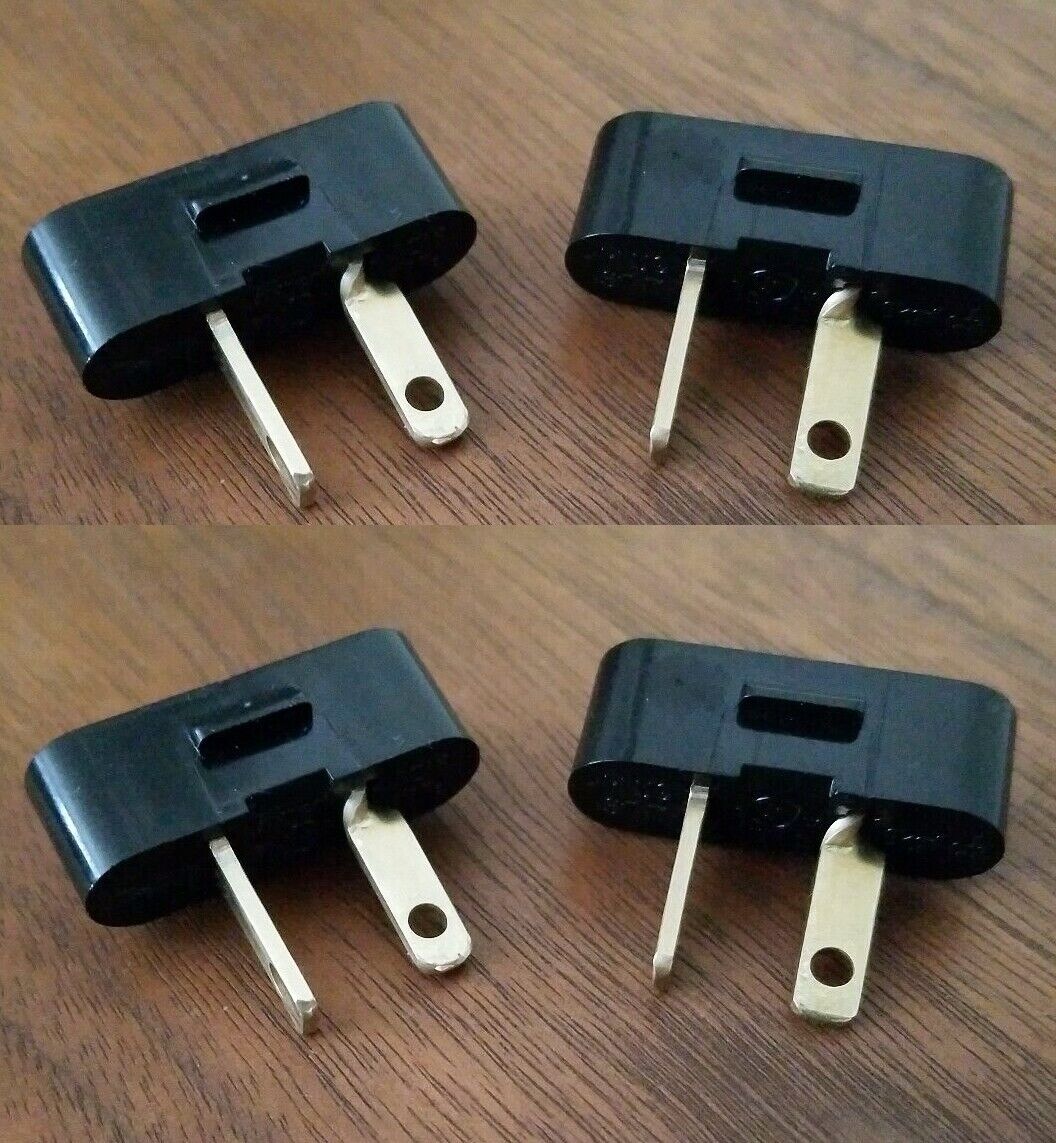


As an eBay Partner, we earn from qualifying purchases. This helps support our independent vintage technology research.
Related Models
- Pioneer SR-202W (1971–1977)
- Pioneer QX-949A
- Pioneer SA-50
- Pioneer SA-8800II
- Pioneer SX-1050 (1978)
- Marantz 2226 (1974-1976)
- Marantz 2226B (1979-1980)
- Marantz 2235 (1974-1977)
- Marantz 2238B (1978-1980)
- Marantz 2250B (1978-1980)