Wurlitzer 200A
At 64 keys and transistor-powered, it carries a bark that cuts through a mix like a switchblade in a velvet glove.
Overview
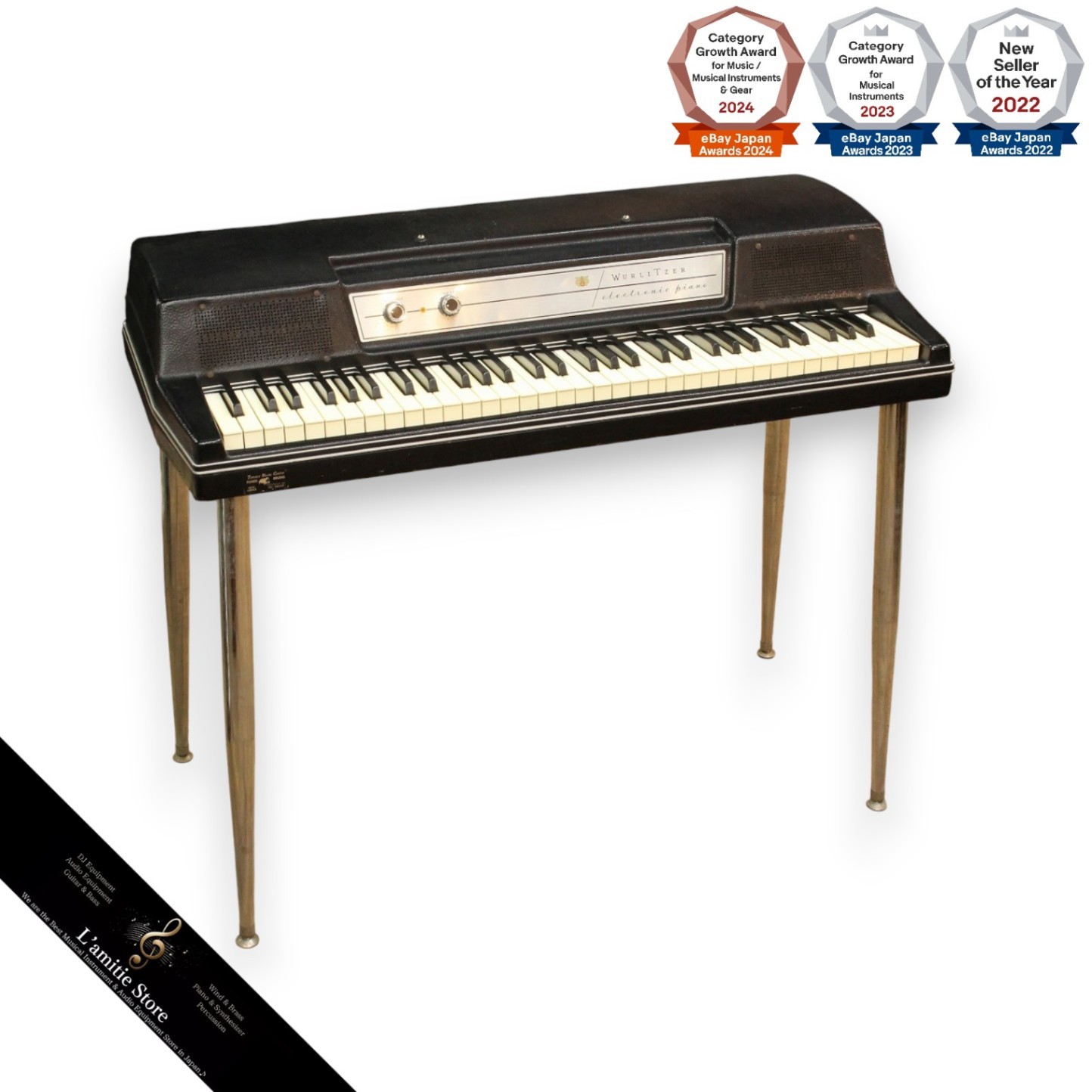
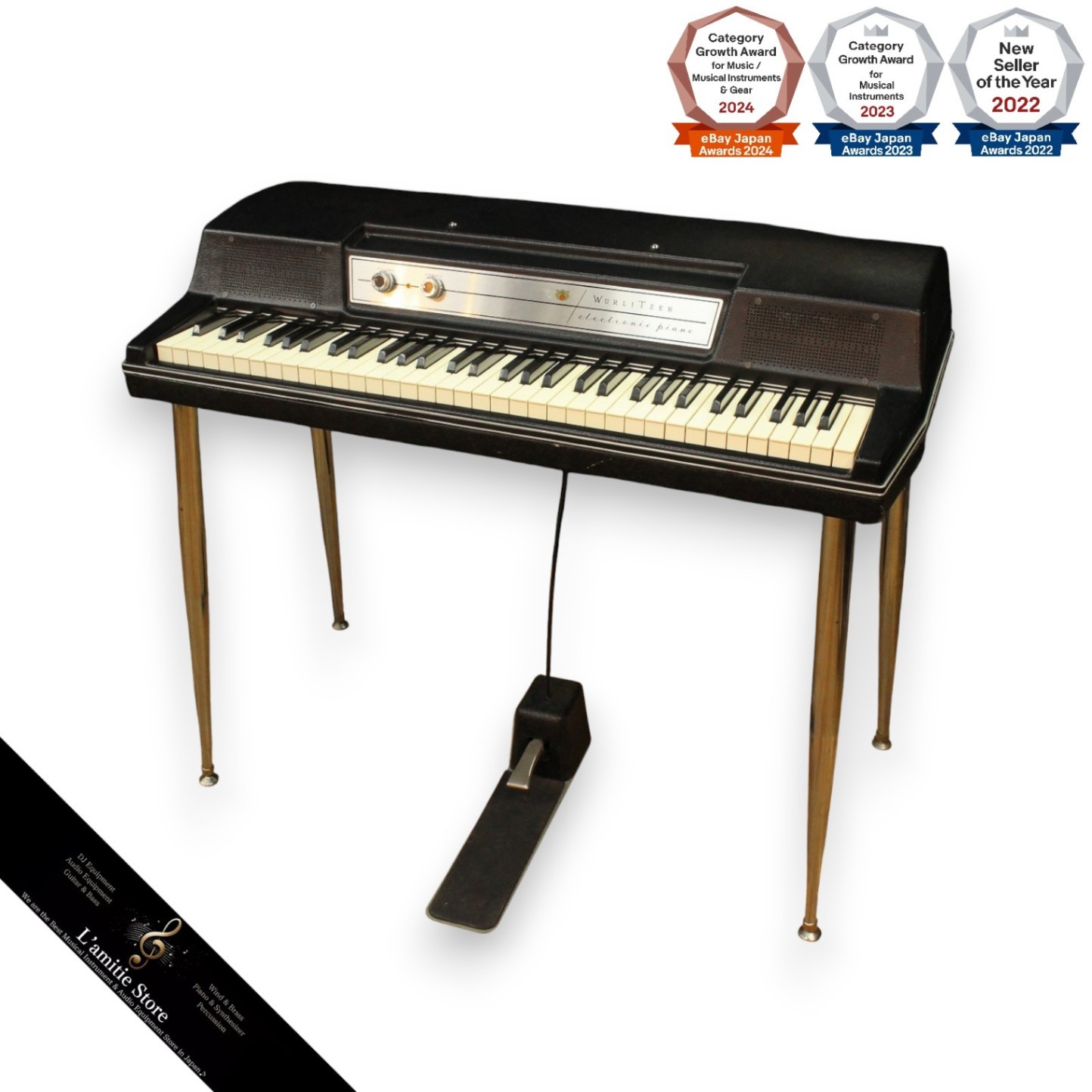
The Wurlitzer 200A Electric Piano isn’t chasing elegance. It’s built for presence, for punch, for the kind of midrange snarl that forces a band to make room. Introduced in 1968 as an update to the original 200, the 200A refined its predecessor’s design with a new and improved amplifier circuit, keeping the same electrostatic pickup system that gave Wurlitzers their signature edge. Where the Rhodes leans into warmth and sustain, the 200A bites back—its reedy, slightly nasal tone described as “snappy” and “honest,” with a bark that cuts through rock, jazz, and soul without begging for space. It became the people’s electric piano: portable thanks to its built-in amplifier and speakers, tough enough for the road, and expressive enough to earn its place on iconic recordings, from The Doors’ 1970 Isle of Wight performance to Stevie Wonder’s *Talking Book* sessions.
Owners report it responded brilliantly to external treatment—run it through an overdriven amp, and it growled like a caged animal. The tremolo circuit added a pulsing warmth that became a signature texture, not just an effect but part of the instrument’s voice. While not as polished as its competitors, the 200A’s character made it a favorite among players who wanted more grit than the smoother Rhodes could offer. It wasn’t just a keyboard—it was a statement. And as the most commercially successful model in the 200 series, it reached more hands, more stages, and more studios than any other Wurlitzer before it.
Specifications
| Manufacturer | Wurlitzer |
| Product type | Electric Piano |
| Number of keys | 64-Key |
| Polyphony | Full |
| Amplifier | a new and improved amplifier circuit, complete with speaker |
| Power | transistor-powered |
Key Features
Vibrating Metal Reeds with Electrostatic Pickups
The heart of the 200A’s sound lies in its mechanical-electrostatic system: felt-tipped hammers strike tuned metal reeds, which vibrate near electrostatic pickups. Unlike magnetic pickups, these rely on capacitance changes, producing a sharper, more immediate attack. The result is a tone that’s inherently bright and cutting—less rounded than a Rhodes, with a “bell-like bark” that refuses to blend into the background. This mechanism gives the 200A its distinctive character, one that engineers and players describe as warm but with a deliberate roughness around the edges.
Built-In Amplifier and Speakers
True portability was built in. The 200A doesn’t need an external amp to be functional—the amplifier and speaker are housed within the chassis, making it a self-contained instrument. This design choice appealed to gigging musicians in the 1970s who needed reliability and speed. The amplifier, transistor-powered and mounted on a small green circuit board, features power transistors mounted upside-down—a quirk of the era’s layout that technicians still note today. While the onboard sound isn’t studio-grade, it’s loud enough to cut through a live mix and provides a direct line into the instrument’s raw tone.
Tremolo Circuit as Sonic Signature
The tremolo isn’t an afterthought; it’s baked into the 200A’s identity. Engaging it doesn’t just add modulation—it transforms the voice, introducing a pulsing warmth that softens the attack while enhancing the midrange shimmer. Many players leave it on by default, treating it as part of the core sound rather than an effect. Unlike stereo phasing or chorus, the tremolo here is a defining feature—qualities that contribute to its human, almost nervous energy.
Harp Cover and Refined Enclosure
The 200A model includes a harp cover, a small but meaningful upgrade from earlier versions that left the reed assembly more exposed. This addition improved durability and reduced dust accumulation on the sensitive electrostatic plates. Combined with the updated amplifier, the 200A represented a refinement of the original 200’s design—more reliable, slightly more robust, and better suited for consistent use.
Historical Context
Wurlitzer’s roots stretch back to 1853, but its leap into electric pianos came in the late 1950s. The 200 series, launched in 1968, marked a turning point—compact, aggressive, and accessible. The 200A followed as a direct evolution of the 200, incorporating feedback from players and technicians. While Wurlitzer ceased production of electric pianos in the early 1980s, the 200A had already cemented its legacy. It wasn’t just a product of its time; it helped define the sonic texture of decades of rock, soul, and jazz fusion.
Collectibility & Value
Original instruments remain in high demand among players and producers who prize its unique voice. While no original pricing data survives, current market estimates suggest working 200A units sell between $500 and $1,000, depending on condition and provenance. Individual parts command surprising value—a single original sustain pedal was listed for $300. Resources like Tropical Fish Vintage offer guides for common repairs, and Vintage Vibe is frequently cited as a reliable source for replacement parts. Morelocks Organ Service holds original manuals, making restoration more feasible for dedicated owners.
eBay Listings

As an eBay Partner, we earn from qualifying purchases. This helps support our independent vintage technology research.
Related Models
- Wurlitzer 200 (1968-1970)
- Wurlitzer 200A Electric Piano (1968-1982)
- Casio MT-30 (1981-1983)
- Fender Rhodes Electric Piano (1970-1984)
- Casio VL-1 (1979-1984)
- Hohner Clavinet D6 (1971-1982)
- Rhodes Mark I Stage Piano (1969-1983)