Yamaha TC-800GL: The Pinnacle of Cassette Deck Engineering
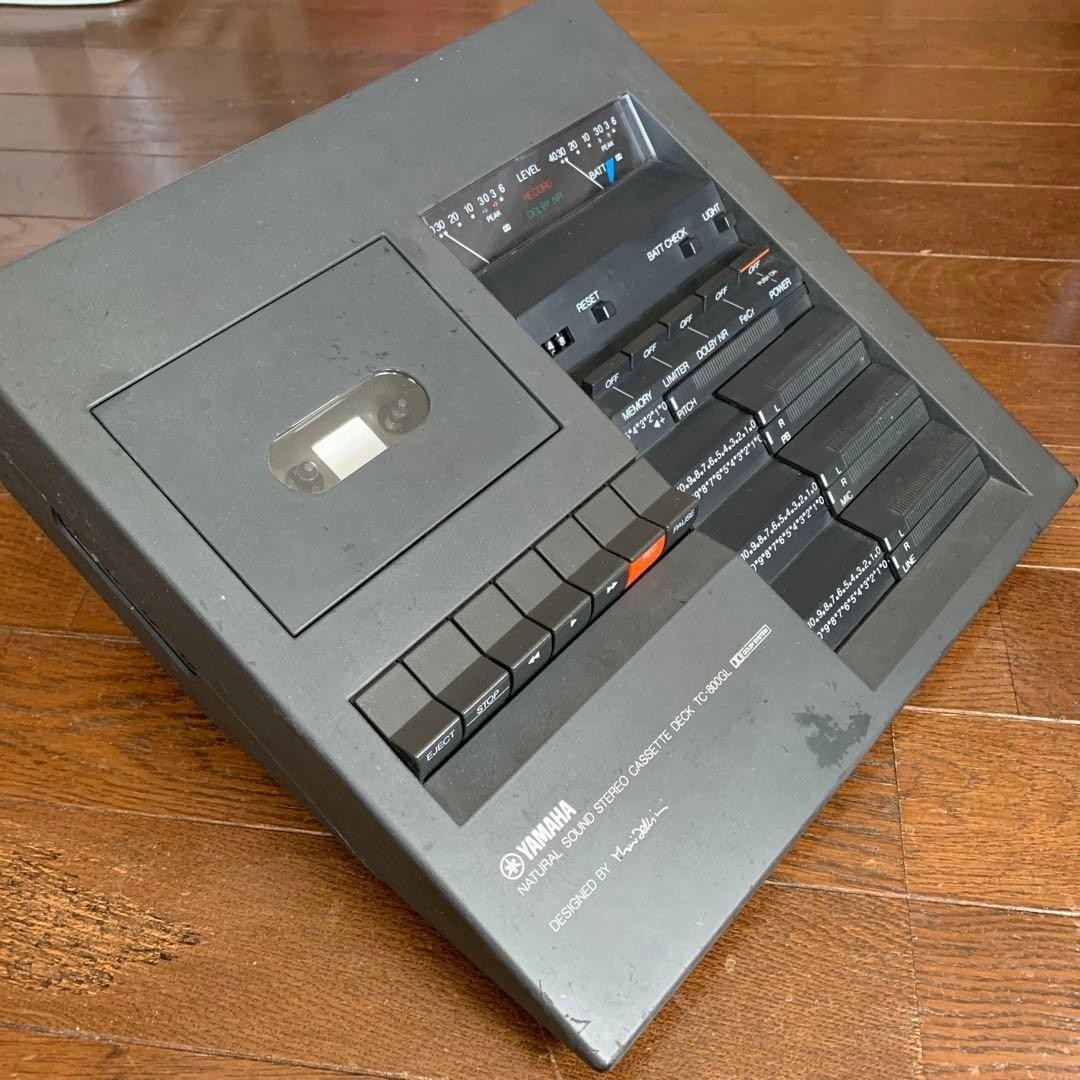
In the late 1970s and early 1980s, the cassette deck evolved from a portable convenience into a serious high-fidelity audio format. Yamaha, already renowned for its precision engineering and musical sensibility, entered this golden era with a series of reference-grade cassette decks that pushed the boundaries of analog tape reproduction. Among them, the Yamaha TC-800GL stands as a rare and revered machine — a no-compromise design that showcased Yamaha’s commitment to sonic excellence and technical innovation.
Though not as widely known as some of its contemporaries from Nakamichi or Revox, the TC-800GL was a flagship model in Yamaha’s lineup, built for critical listening, studio use, and audiophiles who demanded perfection from their tape-based systems. Released in 1978, it arrived at a time when cassette technology was undergoing rapid refinement, and manufacturers were racing to overcome the format’s inherent limitations in frequency response, dynamic range, and wow and flutter.
The TC-800GL wasn’t just another cassette deck — it was a statement of intent. With its heavy chassis, precision tape transport, and advanced electronics, it was engineered to deliver near-reel-to-reel performance from a compact cassette. Today, it remains a sought-after collector’s item and a testament to the heights analog tape could achieve.
Technical Specifications
| Specification | Detail |
| Year Introduced | 1978 |
| Format | 4-Track, 2-Channel Stereo (Compact Cassette) |
| Tape Speed | 1⅞ ips (4.76 cm/s) |
| Heads | Three-head system (Record, Playback, Erase) |
| Head Type | Permalloy (Record/Playback), Ferrite (Erase) |
| Motor System | Dual direct-drive capstan motors |
| Wow and Flutter | < 0.055% (JIS Wtd) |
| Frequency Response | 20Hz – 20kHz (±3dB) with CrO₂ tape |
| Signal-to-Noise Ratio | 66 dB (Dolby B), 72 dB (Dolby C) |
| Total Harmonic Distortion | < 1.5% |
| Input Level | 200 mV (10 kΩ) |
| Output Level | 1 V (47 kΩ) |
| Power Requirements | 120V AC, 60 Hz, 25W |
| Dimensions (W×H×D) | 435 × 146 × 335 mm |
| Weight | 12.5 kg (27.5 lbs) |
| Special Features | Dolby B/C, HX Pro, Auto Reverse, Real-time Tape Monitor, Bias & Level Calibration Controls |
Sound Characteristics and Performance
The Yamaha TC-800GL was engineered for transparency and neutrality — a hallmark of Yamaha’s design philosophy during this era. Unlike some cassette decks that colored the sound with warmth or brightness, the TC-800GL aimed for faithful reproduction, making it ideal for monitoring, mastering, and critical listening.
Its three-head configuration allowed for true separate record and playback heads, enabling precise monitoring of recordings in real time. This was a feature typically found on professional reel-to-reel machines, and its inclusion in a cassette deck was a major selling point for studio engineers and home tapers alike.
With Dolby B and C noise reduction and Yamaha’s implementation of Dolby HX Pro (Headroom Extension), the TC-800GL achieved an impressive dynamic range and extended high-frequency response. When paired with high-quality chromium dioxide (CrO₂) or metal tapes, it could reproduce audio with startling clarity and detail — far surpassing the capabilities of standard cassette decks of the time.
The dual direct-drive capstan system minimized speed fluctuations, contributing to its exceptionally low wow and flutter rating. This mechanical stability translated into a rock-solid stereo image and precise timing — essential for reproducing complex musical passages without smearing or phase distortion.
Notable Features and Innovations
The TC-800GL was packed with features that set it apart from consumer-grade cassette decks:
- Auto Reverse Functionality: Unlike many auto-reverse decks that compromised on performance, the TC-800GL used a sophisticated tape path mechanism that maintained consistent head alignment and tension in both directions, preserving audio quality during reverse play.
- Real-Time Tape Monitoring: By allowing users to monitor the recorded signal from the playback head during recording, the TC-800GL enabled immediate feedback — crucial for ensuring optimal recording levels and avoiding distortion.
- Manual Calibration Controls: Advanced users could adjust bias and record level via front-panel controls, allowing fine-tuning for different tape formulations (normal, CrO₂, metal). This level of control was rare outside professional studio decks.
- Heavy-Duty Chassis and Damping: The massive steel and aluminum chassis, combined with rubber-isolated feet and internal damping, minimized vibration and external resonance — a key factor in achieving low noise and high fidelity.
- Precision Tape Transport: The dual capstan system, along with a constant-tension take-up reel, ensured uniform tape-to-head contact and consistent speed, reducing wear on tapes and improving long-term reliability.
Common Issues and Maintenance
As with any vintage electronic equipment, the Yamaha TC-800GL requires careful maintenance to perform at its best. After 40+ years, several components may degrade:
- Capstan and Pinch Roller Wear: The rubber pinch roller can harden or crack over time. Regular cleaning and replacement with a high-quality modern equivalent are essential for maintaining proper tape speed and tension.
- Head Alignment: Misaligned heads are a common issue in older decks. A professional alignment using alignment tapes is recommended to restore optimal frequency response and channel balance.
- Lubrication of Transport Mechanism: The complex auto-reverse mechanism relies on precision gears and rails that may dry out or gum up. A full mechanical servicing with appropriate lubricants is advisable for decks that have been in storage.
- Capacitor Aging: Electrolytic capacitors in the power supply and audio circuits may leak or lose capacitance. A recap by a qualified technician can prevent damage and restore reliable operation.
- Dust and Oxide Buildup: Regular cleaning of heads, capstans, and tape guides with isopropyl alcohol is necessary to prevent muffled sound and head clogging.
Current Market Value and Collectibility
The Yamaha TC-800GL is a rare find today. While not as aggressively collected as the Nakamichi Dragon or Sony TC-WE670, it has a dedicated following among analog enthusiasts and Yamaha aficionados. Its value has been rising steadily in recent years, especially for fully serviced units in excellent cosmetic condition.
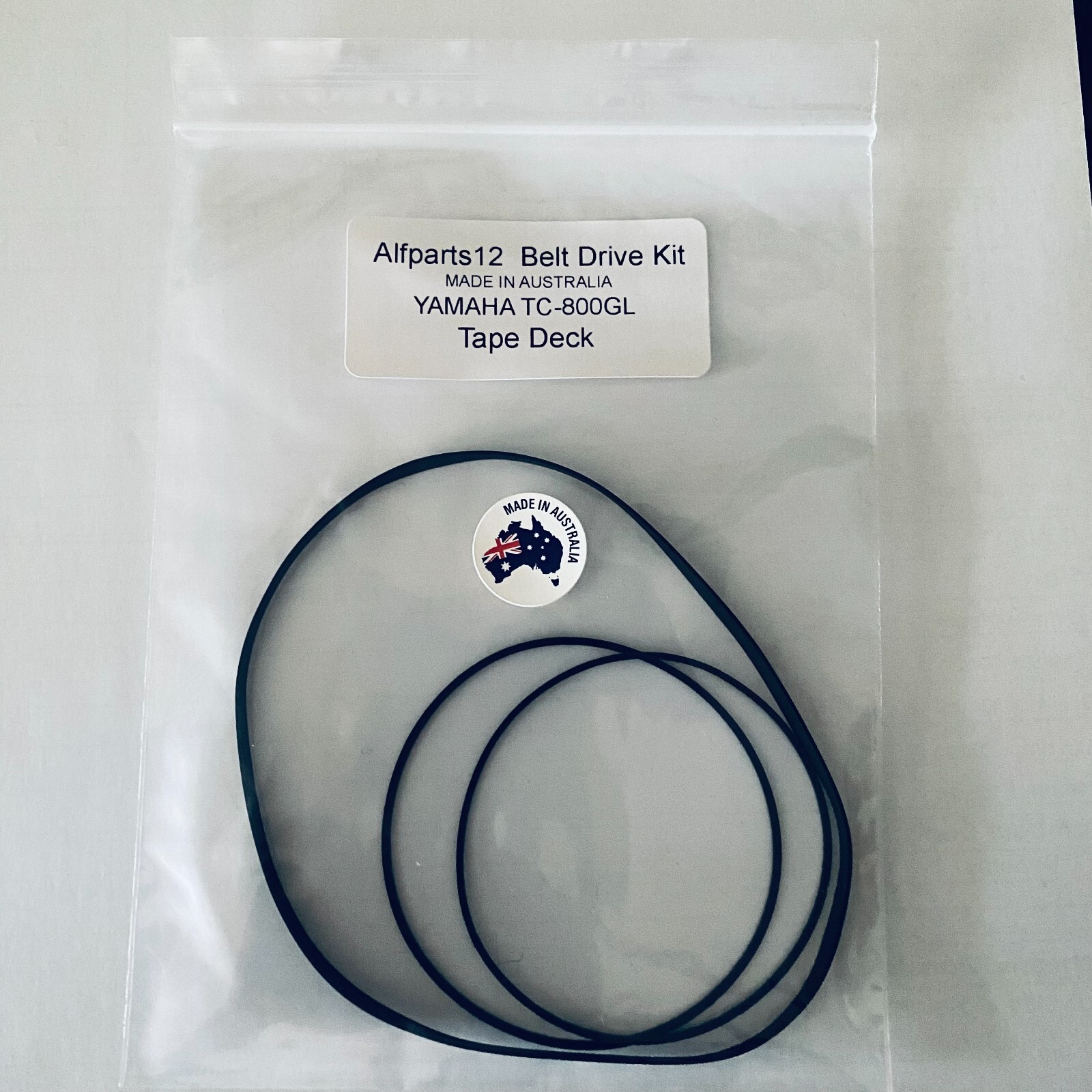
As of 2024, a working TC-800GL typically sells for $400–$700, depending on condition and service history. Fully restored models with new belts, cleaned heads, and recapped power supplies can command prices closer to $800–$1,000, particularly if accompanied by original packaging and documentation.
Its collectibility is enhanced by its relative scarcity and its status as a technological showcase of Yamaha’s engineering prowess. Unlike mass-market decks, the TC-800GL was built in limited numbers, primarily for professional and high-end home audio markets.
Conclusion and Legacy
The Yamaha TC-800GL represents the peak of cassette deck development — a machine that treated the compact cassette not as a compromise, but as a legitimate high-fidelity medium. It combined studio-grade features, meticulous build quality, and sonic transparency in a way that few decks ever matched.
While the rise of digital formats eventually made cassette decks obsolete, the TC-800GL remains a symbol of what analog tape could achieve in skilled hands. For collectors, restorers, and analog lovers, it’s more than just a vintage gadget — it’s a piece of audio history, a beautifully engineered artifact from an era when manufacturers believed that every format deserved to sound its best.
In the pantheon of vintage cassette decks, the TC-800GL may not be the loudest name — but for those in the know, it’s one of the most respected.
eBay Listings


As an eBay Partner, we earn from qualifying purchases. This helps support our independent vintage technology research.
Related Models
- Yamaha CT-610 (1978)
- Yamaha CT-7000 (1978)
- Yamaha CT-710 (1976)
- Yamaha CT-810 (1978)
- Yamaha TC-1000 (1978)
- Sony TC-2050SD (1978)
- Aiwa AD-F990 (1993)
- Kenwood KX-3060 (1982)
- Sony TC-2130A (1974)
- Sony TC-2220 (1972)