Yamaha TC-320A: A Vintage Cassette Deck Built for Fidelity
By the late 1970s, cassette tapes were shedding their reputation as mere portable novelties and stepping into the spotlight as a serious medium for high-fidelity sound. Yamaha, already a force in both music and audio engineering, met the moment with the TC-320A—a precision-built cassette deck introduced in 1978 that blended studio-grade performance with thoughtful design. While it never reached the cult status of a Nakamichi Dragon or a Revox B77, the TC-320A earned quiet reverence among audiophiles and home recordists who prized accuracy, build quality, and musicality. This wasn’t just another deck for popping in mixtapes—it was a tool for those who listened closely.
Positioned in Yamaha’s mid-tier lineup, the TC-320A offered flagship-level engineering without the flagship price. Its dual-capstan drive, three-head configuration, and extensive calibration options made it a favorite for critical listening and real-time recording. Built like a tank and voiced with care, it delivered a listening experience that still holds up today.
Technical Specifications
The TC-320A wasn’t designed to impress with flashy features—it impressed with substance. Every component, from the transport to the circuitry, reflects Yamaha’s commitment to analog integrity. Below are its key specifications:
| Feature | Specification |
| Year Introduced | 1978 |
| Type | 3-Head, Dual Capstan Cassette Deck |
| Recording Heads | Separate Record/Playback Head |
| Erase Head | Dedicated AC Erase Head |
| Tape Speed | 1⅞ ips (4.76 cm/s) |
| Wow and Flutter | < 0.08% (Dolby on) |
| Frequency Response | 40Hz – 15kHz (Normal), 40Hz – 16kHz (CrO₂/Dolby) |
| Signal-to-Noise Ratio | 66 dB (Dolby B), 70 dB (Dolby C) |
| Total Harmonic Distortion | < 1.5% |
| Input Level | 200 mV (1 kHz, 0 dB) |
| Output Level | 1 V (1 kHz, 0 dB) |
| Input Impedance | 47 kΩ |
| Output Impedance | 12 kΩ |
| Headroom | +3 dB |
| Power Consumption | 12 W |
| Dimensions (W×H×D) | 435 × 146 × 312 mm |
| Weight | 10.5 kg (23.1 lbs) |
| Tape Compatibility | Type I (Normal), Type II (CrO₂), Type IV (Metal - limited) |
The dual capstan drive system ensured rock-solid tape speed and minimal flutter—traits usually reserved for elite decks. Paired with a three-head design, it allowed for true real-time monitoring, a must for musicians and tapers who needed to hear exactly what was being recorded. This wasn’t a convenience; it was a necessity for precision.
Sound Characteristics and Performance
The TC-320A doesn’t shout—it speaks with clarity and restraint. Its sound signature is balanced and natural, avoiding the brittle highs or bloated mids that sometimes marred other decks of the era. Instead, it delivers a transparent, open presentation that feels effortless, especially with jazz, classical, and acoustic material.
With support for both Dolby B and C noise reduction, background hiss is kept firmly in check. On CrO₂ or metal tapes, the noise floor drops dramatically, revealing a dynamic, detailed soundstage with crisp transients and smooth high-frequency extension. Bass is tight and articulate, never loose or overblown. This is analog warmth with discipline.
Listeners consistently note its exceptional stereo imaging—a wide, stable soundstage that feels three-dimensional. That precision comes from meticulous head alignment and a transport engineered for stability. For a mid-tier machine, the TC-320A punches well above its weight.
Notable Features and Innovations
The TC-320A doesn’t rely on gimmicks. Its strength lies in intelligent, no-compromise engineering:
- Dual Capstan Transport: Eliminates speed fluctuations, ensuring consistent tape-to-head contact for cleaner, more stable playback.
- Three-Head Configuration: Lets you monitor recordings in real time, with dedicated heads optimized for each function.
- Manual Azimuth Adjustment: A rare treat in consumer gear—fine-tune head alignment to maximize stereo separation and high-end clarity.
- Front-Panel Dolby Selection: Instant switching between Dolby B and C, no menu diving or hidden buttons.
- Level and Bias Calibration Controls: On the rear panel, these let you tailor performance to specific tape types—essential for serious tapers.
- Large, Legible VU Meters: Analog dials that move with purpose, giving instant visual feedback to avoid clipping or weak levels.
- Direct Drive Capstans: No belts to stretch or slip—just precise, quiet speed control.
Build quality is outstanding. A heavy steel chassis, robust transport, and premium switches and pots give the TC-320A a reassuring heft. The front panel is clean and functional, with tactile buttons and a timeless analog look that still feels at home on a modern rack.
Common Issues and Maintenance
After nearly five decades, no vintage deck runs perfectly out of the box. The TC-320A is durable, but age takes its toll. Watch for these common wear points:
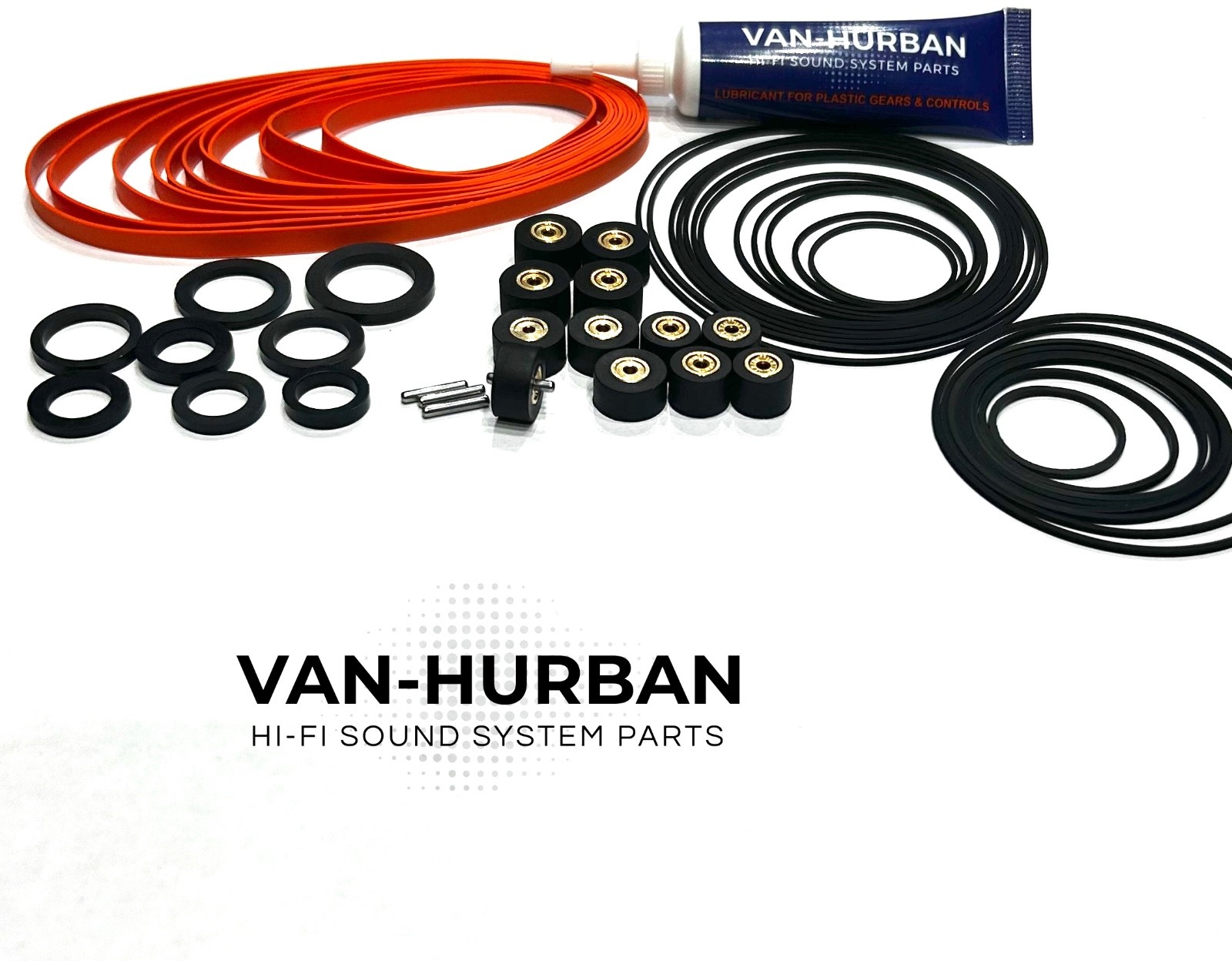
- Deteriorated Rubber Components: The pinch roller and idler tires often harden or crack, causing speed issues. Replacing them with modern silicone parts restores smooth operation.
- Dirty or Worn Tape Heads: Oxide buildup dulls sound. Clean regularly with isopropyl alcohol and demagnetize with a non-abrasive tool to keep highs crisp and levels accurate.
- Capstan Bearing Dryness: Decades of inactivity dry out lubrication. A careful re-lube with synthetic oil brings back silky transport motion.
- Sticky Mode Switches or Pots: Crackling volume controls or unresponsive buttons? Contact cleaner can help, but worn parts may need replacement.
For long-term reliability, a full recap—replacing aging electrolytic capacitors in the power supply—is highly recommended, especially on units pulled from storage. Given its complexity, servicing is best left to technicians who know their way around vintage tape gear.
Current Market Value and Collectibility
The TC-320A flies under the radar compared to legends like the TC-850R or the Nakamichi Dragon, but its reputation among cassette purists is solid. In working condition, prices typically range from $150 to $300, with location, accessories, and condition playing key roles.
Units with original boxes, manuals, or service records fetch higher prices—especially in Europe and Japan, where cassette culture lingered longer. Fully serviced and calibrated decks often land near the top of the range.
It’s not a blue-chip collector’s item, but the TC-320A is increasingly seen as a sleeper hit: a high-performance deck that delivers near-flagship sound for a fraction of the cost. Its relative rarity compared to mass-market models like the Sony TC-K66 or TEAC A-2300S only adds to its allure for those hunting underrated analog gems.
Conclusion and Legacy
The Yamaha TC-320A embodies the best of analog engineering: no shortcuts, no compromises, just honest, musical performance. It may not have made headlines, but in the right setup, it delivers a listening experience that rivals far more expensive machines.
Whether you're archiving old tapes, recording live shows, or simply savoring the texture of analog sound, the TC-320A rewards with clarity, depth, and reliability. Its dual capstan drive, three-head system, and hands-on calibration options make it a standout in the vintage cassette world.
As analog formats enjoy a second life, the TC-320A stands as quiet proof that cassette fidelity wasn’t a dream—it was real, and within reach. For those willing to service and appreciate it, the Yamaha TC-320A remains a faithful companion in the enduring romance of magnetic tape.
eBay Listings

As an eBay Partner, we earn from qualifying purchases. This helps support our independent vintage technology research.
Related Models
- Yamaha CT-610 (1978)
- Yamaha CT-7000 (1978)
- Yamaha CT-710 (1976)
- Yamaha CT-810 (1978)
- Yamaha TC-1000 (1978)
- Sony TC-2050SD (1978)
- Aiwa AD-F990 (1993)
- Kenwood KX-3060 (1982)
- Sony TC-2130A (1974)
- Sony TC-2220 (1972)