Yamaha NS-10 (1978)
A passive studio monitor introduced in 1978, originally designed as a home bookshelf speaker before becoming a nearfield standard in professional recording studios.
Overview
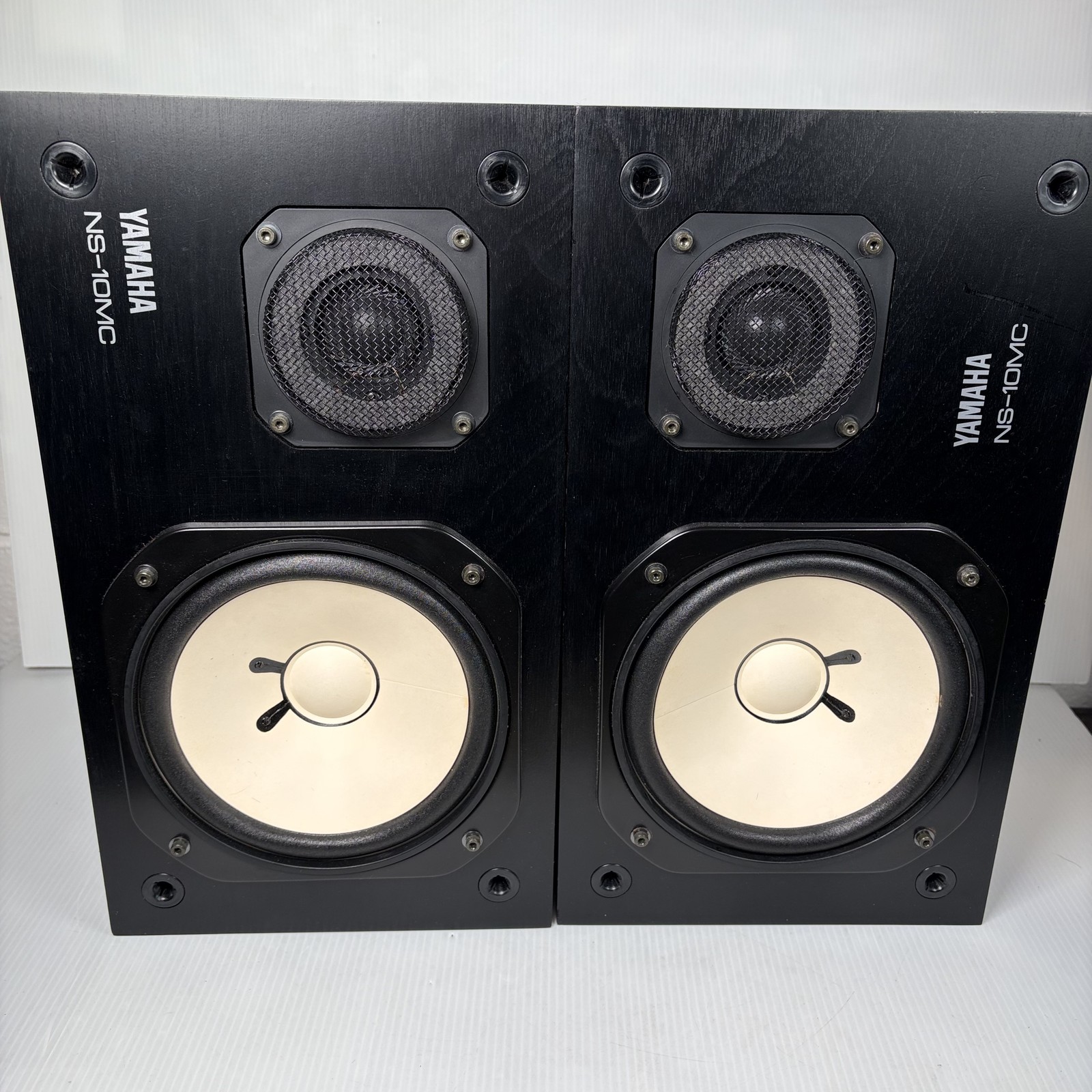
The Yamaha NS-10 is a bookshelf-type loudspeaker system originally launched in 1978 for the consumer hi-fi market. Though initially intended for home use, it quickly gained adoption in professional recording environments and became a standard nearfield studio monitor in rock and pop music production. The speaker features a rear-open enclosure made from 16 mm lauan plywood and includes a removable front grille. It uses a two-way design with dedicated drivers for low and high-frequency reproduction.
Specifications
| Model Rating Method | 2-way, 2-speaker, rear open system, bookshelf type |
| Units Used | For low band : JA-3502, High-pass : JA-0507 |
| Playback frequency band | 40 Hz to 18000 Hz |
| Crossover frequency | 5000Hz(6dB/oct) |
| Impedance | 8 Ω |
| Output sound pressure level | 95dB/W |
| Max Input | 10W |
| External dimensions | Width 357x Height 505x Depth 175 mm |
| Weight | 7kg |
Design
The NS-10 uses a unique-shaped driver for the lower frequency range and is built with a rear-open enclosure constructed from 16 mm lauan plywood. The front grille is removable, allowing direct access to the speaker components.
Context
Introduced in 1978 as a home bookshelf speaker, the NS-10 found unexpected success in professional studios, where its unflinching midrange and revealing character made it a favorite among recording engineers. Despite not being designed for studio use, it became a mainstay in music production and earned a Technical Grammy® in 2007 for its impact on the industry.
Market
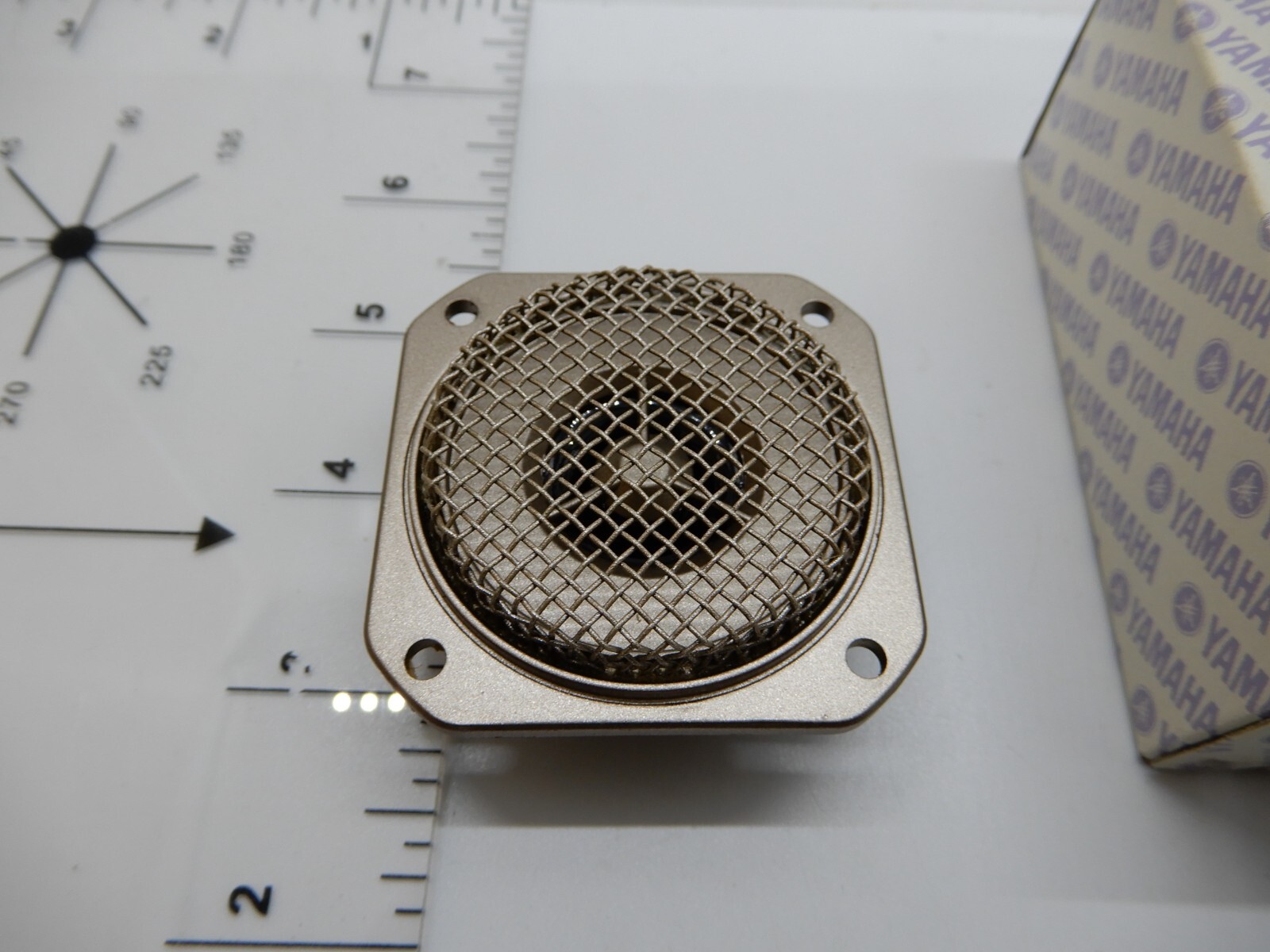
Tweeter failure is a common issue reported across multiple user forums and technical sources, with many units suffering from burned-out tweeters over time. Due to this, Avantone introduced a drop-in replacement tweeter in late 2018/early 2019 to support ongoing maintenance and restoration of the speakers.
eBay Listings
As an eBay Partner, we earn from qualifying purchases. This helps support our independent vintage technology research.