Teac CX-310: The Precision Cassette Deck from a Golden Era
In the early 1980s, the cassette tape format reached a technological peak, evolving from a medium for voice recordings and portable music into a serious contender in the high-fidelity audio world. At the forefront of this evolution stood Japanese audio giant TEAC, renowned for its meticulous engineering and commitment to sonic excellence. Among its respected lineup of cassette decks, the Teac CX-310 emerged as a standout model—offering audiophiles a blend of precision mechanics, advanced tape calibration, and refined signal path design that made it a favorite among discerning listeners and home recording enthusiasts alike.
Though not as widely celebrated today as some of its contemporaries from Nakamichi or Denon, the CX-310 represents a quiet triumph of balanced engineering and build quality. Positioned in the upper tier of Teac’s cassette deck offerings during the early '80s, it was designed for users who demanded more than just convenience—they sought accurate tape reproduction, reliable transport, and the ability to produce high-quality home recordings.
Technical Specifications
The Teac CX-310 was engineered with a focus on stability, accuracy, and compatibility with a wide range of tape formulations. It featured a dual-capstan transport system, quartz-controlled motor speed regulation, and comprehensive calibration controls—hallmarks of a machine built for serious audio use.
| Specification | Detail |
| Year Introduced | 1982 |
| Format | Compact Cassette |
| Playback/Recording Modes | Type I (Ferric), Type II (Chrome) |
| Head Configuration | Separate Record/Playback, Erase Head |
| Motor System | Three-motor direct drive |
| Capstan System | Dual capstan with rubber pinch rollers |
| Wow and Flutter | < 0.08% (weighted) |
| Frequency Response | 30Hz – 16kHz (Type I), 30Hz – 18kHz (Type II) |
| Signal-to-Noise Ratio | 66dB (Dolby B), 72dB (Dolby C) |
| Total Harmonic Distortion | < 1.5% |
| Input/Output | Line In (RCA), Line Out (RCA), Headphone Out (1/4") |
| Noise Reduction | Dolby B and Dolby C |
| Calibration Controls | Level, Bias, and EQ trim pots accessible via front panel |
| Display | Analog VU meters, LED indicators |
| Dimensions | 440mm (W) × 140mm (H) × 320mm (D) |
| Weight | 10.5 kg (23.1 lbs) |
Sound Characteristics and Performance
The Teac CX-310 was not designed to be flashy—it was engineered to be accurate. Its sound signature leans toward neutrality, with a clean midrange, well-extended highs (especially with Type II chrome tapes), and a tight, controlled bass response. The separate record and playback heads ensure minimal crosstalk and optimal alignment, contributing to a focused stereo image and excellent channel separation.
One of the standout qualities of the CX-310 is its transparency. It doesn’t color the sound aggressively, making it ideal for critical listening, tape duplication, and even semi-professional mastering tasks. When paired with high-quality tapes and a good preamp, the CX-310 delivers a listening experience that rivals many open-reel systems of the era in terms of clarity and dynamic range.
The inclusion of Dolby C noise reduction—still relatively new at the time—gave the CX-310 an edge in reducing tape hiss without the over-compression or artifacts sometimes associated with earlier noise reduction systems. Combined with its precise azimuth adjustment and level calibration options, the deck offered users a rare degree of control over their recordings.
Notable Features and Innovations
What truly set the Teac CX-310 apart from budget and mid-tier cassette decks was its user-adjustable calibration system. Unlike most consumer decks that locked users into factory settings, the CX-310 provided accessible trim pots for record level, bias, and equalization, allowing users to fine-tune performance based on the specific tape brand or formulation they were using. This feature made it a favorite among tapers and home studio users who valued consistency and fidelity.
Other notable features include:
- Quartz-locked transport: Ensures stable tape speed with minimal wow and flutter, critical for maintaining pitch accuracy.
- Dual VU meters: Provide real-time feedback on recording levels, helping prevent distortion and under-modulation.
- Metal-reinforced chassis: Reduces vibration and resonance, contributing to mechanical stability.
- Front-panel tape selector: Easy switching between Type I and Type II tapes with automatic optimization of bias and EQ settings.
- Direct-drive motors: Offer improved speed consistency and reduced mechanical wear over belt-driven systems.
The CX-310 also featured a manual azimuth adjustment, a rare inclusion in consumer decks, which allowed users to align the playback head for optimal high-frequency response—especially useful when playing tapes recorded on other machines.
Common Issues and Maintenance
Like all vintage cassette decks, the Teac CX-310 requires careful maintenance to perform at its best. The most common issues stem from age-related wear and material degradation:
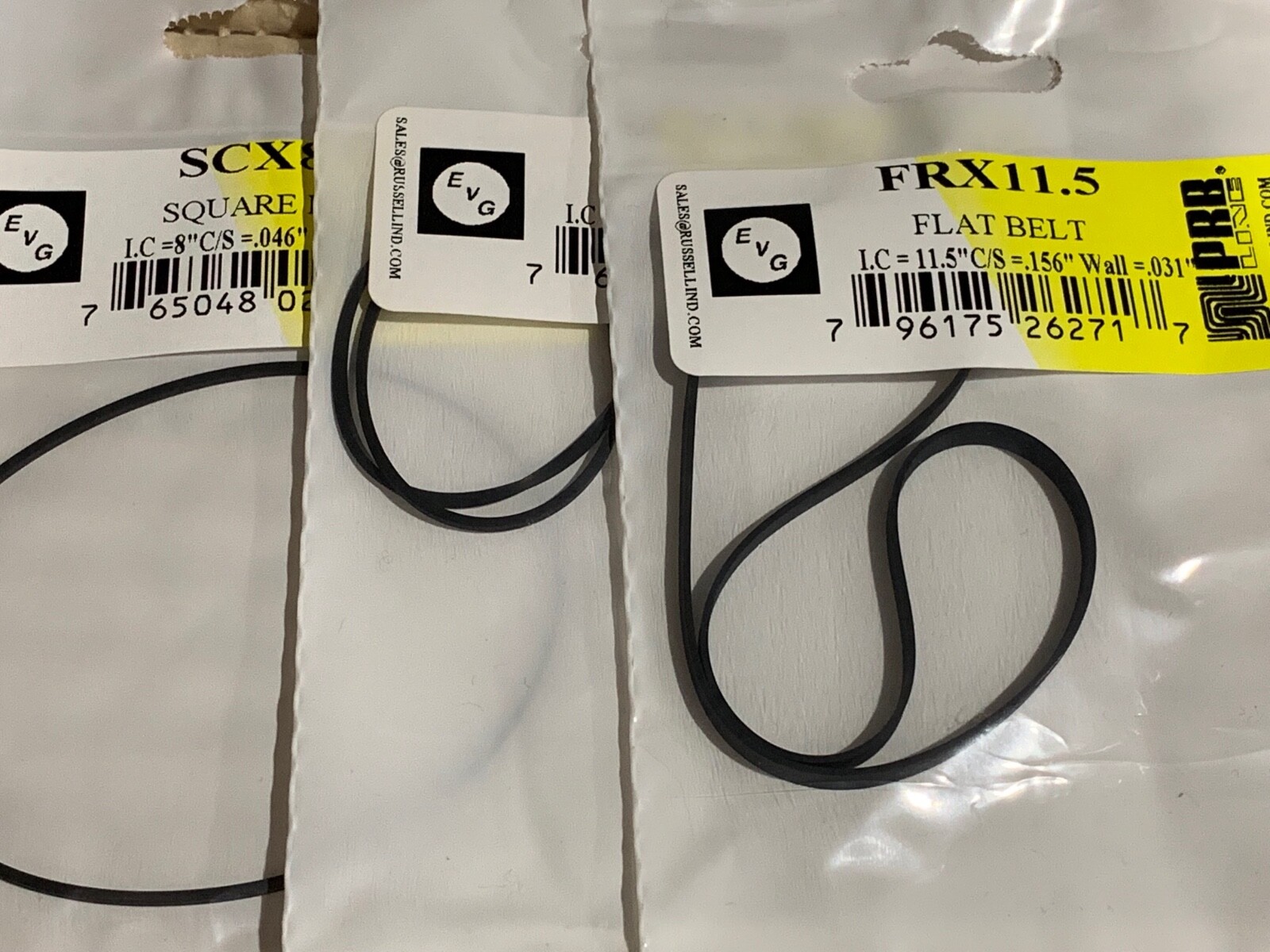
- Deteriorated rubber parts: The pinch rollers and capstan tires can harden or become sticky over time. These should be replaced during any restoration.
- Worn belts: While the CX-310 uses a direct-drive system for the capstan, some internal mechanisms may still rely on small belts that can degrade.
- Dirty or oxidized heads: The record, playback, and erase heads should be cleaned regularly with isopropyl alcohol and a swab. Demagnetizing the heads every few months is also recommended.
- Sticky mode switches or potentiometers: These can often be revived with contact cleaner, though some units may require replacement if corrosion is severe.
Regular servicing—especially head alignment and calibration—will ensure the CX-310 continues to deliver its renowned accuracy. Finding a technician familiar with vintage cassette decks is advisable, as improper alignment can significantly degrade performance.
Current Market Value and Collectibility
The Teac CX-310 is not a rare "holy grail" deck, but it holds steady appeal among cassette enthusiasts, analog archivists, and vintage audio collectors who appreciate its build quality and adjustability. Units in excellent working condition typically sell for $150 to $300, depending on completeness, cosmetic condition, and whether they’ve been professionally serviced.
While it doesn’t command the high prices of a Nakamichi Dragon or a Revox B77, the CX-310 offers excellent value for money—delivering near-reference performance at a fraction of the cost. Its understated design and lack of flashy features may have kept it out of the spotlight, but those in the know recognize it as a sleeper hit in Teac’s catalog.
Conclusion and Legacy
The Teac CX-310 stands as a testament to the golden age of cassette technology—a time when engineers pushed the limits of a compact format to deliver true high-fidelity sound. It may not have the brand cachet of some of its rivals, but in terms of engineering integrity, user control, and sonic performance, it holds its own.
For those rediscovering analog tape or building a vintage setup, the CX-310 offers a compelling combination of precision, durability, and adjustability. It’s a machine built not for show, but for serious listening and recording—quietly competent, technically advanced, and thoroughly dependable.
If you're lucky enough to find a well-maintained CX-310, treat it right, recalibrate it, and you’ll discover why Teac earned its reputation: this is cassette done right.
eBay Listings



As an eBay Partner, we earn from qualifying purchases. This helps support our independent vintage technology research.
Related Models
- Teac A-6700DX (1980)
- Teac A-105 (1975)
- Teac A-106 (1975)
- Teac A-170 (1976)
- Teac A-2300 (1978)
- Sony TC-2050SD (1978)
- Aiwa AD-F990 (1993)
- Kenwood KX-3060 (1982)
- Polk AUDIO-SRS-1.2TL (1991)
- Sony TC-2130A (1974)