Teac CX-270: The Compact Cassette's Hidden Sonic Ally
In the early 1980s, as high-fidelity cassette decks reached their technical zenith, audiophiles and manufacturers alike sought every possible advantage to extract better sound from the compact cassette format. While brands like Nakamichi, Revox, and Tandberg pushed the envelope with advanced tape transport mechanisms and three-head designs, Teac took a different approach with the CX-270—a dedicated signal processor designed to enhance cassette playback through noise reduction and dynamic optimization.
Though not a deck, amplifier, or tuner, the Teac CX-270 occupies a unique niche in vintage audio history as a specialized accessory aimed at refining the cassette listening experience. Part of Teac’s broader CX series of audio processors, the CX-270 was engineered to work in tandem with compatible cassette decks—either Teac’s own or third-party models—making it a subtle but significant tool for those chasing analog purity in the pre-digital era.
Technical Specifications
The Teac CX-270 is a stereo audio processor focused on playback enhancement rather than amplification or source selection. It operates entirely in the analog domain and is designed to be inserted between a cassette deck’s output and a preamplifier or receiver’s input.
| Specification | Detail |
| Model | CX-270 |
| Manufacturer | TEAC Corporation, Japan |
| Year Introduced | 1982 |
| Type | Cassette playback enhancement processor |
| Channels | 2 (Stereo) |
| Frequency Response | 20Hz – 20kHz (±0.5dB) |
| Total Harmonic Distortion | <0.01% (1kHz, full output) |
| Signal-to-Noise Ratio | >90dB (A-weighted) |
| Input Impedance | 47kΩ (RCA) |
| Output Impedance | 100Ω (RCA) |
| Input Level | 1V RMS (nominal) |
| Output Level | 1V RMS (nominal) |
| Power Supply | External AC adapter (12V DC, center-positive) |
| Dimensions (W×H×D) | 215 × 60 × 145 mm (8.5 × 2.4 × 5.7 inches) |
| Weight | 1.2 kg (2.6 lbs) |
| Finish | Brushed silver front panel, black side panels |
Unlike Dolby noise reduction systems built into cassette decks, the CX-270 was not a recording processor. Instead, it functioned as a playback-only enhancer, applying dynamic expansion and spectral shaping to tapes recorded with compatible noise reduction or high-bias tapes. It did not implement Dolby B, C, or dbx, but rather used Teac’s proprietary CX processing algorithm, designed to reduce perceived tape hiss, improve dynamic range, and restore high-frequency detail often lost during cassette recording.
Sound Characteristics and Performance
The CX-270 doesn’t drastically alter the tonal balance of a recording but instead works subtly to clean up the sonic signature of cassette playback. When properly integrated into a system, users reported a noticeable reduction in background noise, especially on tapes recorded at lower levels or with budget-grade cassettes.
More importantly, the CX-270 helped restore a sense of air and clarity to high frequencies that could sound dull or compressed on standard cassette playback. This was particularly effective with tapes recorded using high-quality Type II (chrome) or Type IV (metal) tapes, where the full frequency spectrum was captured but often masked by noise or playback head limitations.
Because it operated as a line-level processor, the CX-270 preserved the character of the source deck. It didn’t add coloration or warmth but instead acted like a fine-tuning lens—sharpening transients, improving stereo imaging, and reducing the "veil" often associated with cassette tape.
Notable Features and Innovations
While compact and unassuming, the CX-270 packed several thoughtful design features:
- Dual-Mode Processing: The unit offered two processing settings—Normal and Enhanced—allowing users to tailor the degree of dynamic expansion based on tape quality and recording level.
- Defeat Switch: A dedicated bypass button let listeners instantly compare processed and unprocessed sound, a valuable tool for critical listening.
- High-Quality Circuitry: Teac employed discrete transistor circuitry with precision resistors and low-noise op-amps, avoiding cost-cutting ICs common in budget processors.
- Tape Type Compensation: Though not labeled as such, the CX-270’s internal filters were tuned to respond optimally to the frequency response curves of chrome and metal tapes, helping correct for common playback equalization errors.
Perhaps most innovative was Teac’s vision of modular high-fidelity—the idea that audiophiles could build a system from specialized components rather than relying on all-in-one decks. The CX-270 fit into this philosophy, much like graphic equalizers or external phono stages, offering granular control over the listening experience.
Common Issues and Maintenance
Today, the Teac CX-270 is a rare find, and surviving units often require some attention before delivering optimal performance.
- Capacitor Aging: Like most electronics from the early '80s, the CX-270 may suffer from degraded electrolytic capacitors, particularly in the power regulation and signal path. Replacing these can restore clarity and prevent channel imbalance.
- Contact Oxidation: The front-panel switches and RCA jacks can develop oxidation over decades of storage. Cleaning with contact cleaner and gentle cycling usually resolves crackling or dropouts.
- Power Adapter Loss: The original 12V DC adapter is often missing. Modern replacements must match voltage, current (minimum 300mA), and polarity (center-positive) to avoid damage.
- Internal Dust and Debris: Units stored in damp or dusty environments may have dust buildup on circuit boards or potentiometers, potentially affecting performance.
Despite these age-related concerns, the CX-270 is mechanically simple with no moving parts, making it more reliable than tape decks of the era. Its solid metal chassis and high-quality internal layout contribute to long-term durability when properly maintained.
Current Market Value and Collectibility
The Teac CX-270 is not a mainstream collectible, but it holds quiet appeal among cassette enthusiasts, Teac collectors, and analog audio tinkerers. It rarely appears on major auction sites, and when it does, prices typically range from $75 to $150, depending on condition and whether the original power supply is included.
Its value is driven more by niche utility and completeness than by brand prestige. Unlike the legendary Nakamichi Dragon or even Teac’s own A-3340S, the CX-270 won’t headline vintage audio auctions. However, for someone restoring a full Teac CX-series system or seeking to maximize cassette fidelity, the CX-270 is a prized addition.
It’s also gaining attention in the DIY audio community, where its clean signal path and analog transparency make it a candidate for modification—such as adding balanced outputs or integrating it into modern tape loops.
Conclusion and Legacy
The Teac CX-270 may not be a household name, but it represents an important chapter in the evolution of high-fidelity cassette audio. At a time when every decibel of noise reduction and every hertz of frequency response mattered, Teac offered a specialized tool for those who refused to accept cassette’s limitations.
While overshadowed by flashier decks and more famous noise reduction systems, the CX-270 embodies the precision and dedication that defined the golden age of analog audio. It’s a reminder that great sound isn’t always about power or size—it can also come from a small box that quietly makes everything else sound better.
For the vintage audio enthusiast, the CX-270 is more than a curiosity—it’s a functional piece of history, a testament to the lengths audiophiles once went to in pursuit of perfect tape playback. And for those still spinning cassettes today, whether for nostalgia or sonic charm, the CX-270 remains a hidden ally in the quest for analog clarity.
eBay Listings
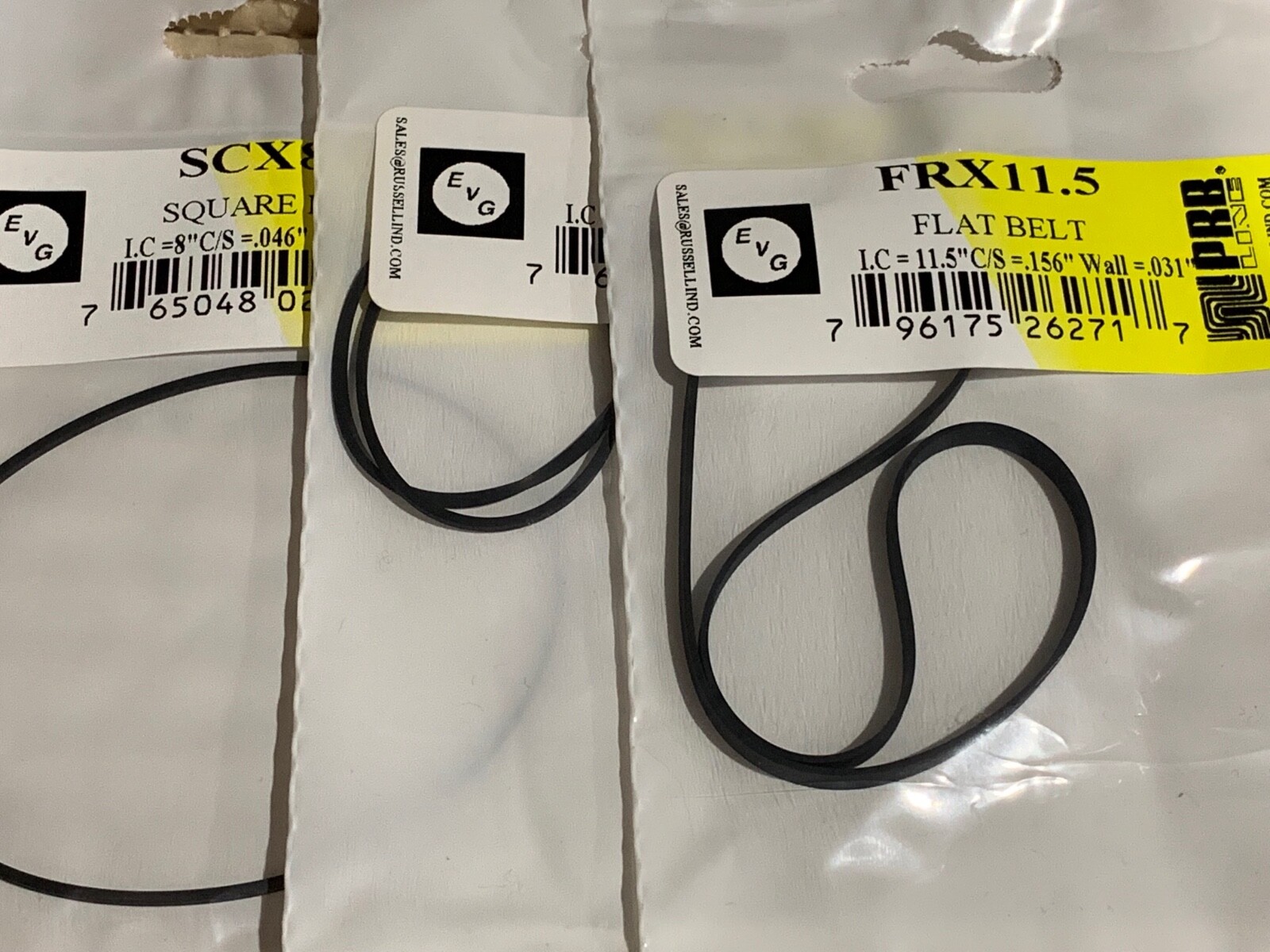


As an eBay Partner, we earn from qualifying purchases. This helps support our independent vintage technology research.
Related Models
- Teac A-6700DX (1980)
- Teac A-105 (1975)
- Teac A-106 (1975)
- Teac A-170 (1976)
- Teac A-2300 (1978)
- Sony TC-2050SD (1978)
- Aiwa AD-F990 (1993)
- Kenwood KX-3060 (1982)
- Sony TC-2130A (1974)
- Sony TC-2220 (1972)