Sony TC-WR990 Dual Cassette Deck
The Sony TC-WR990 is a dual cassette deck produced from 1999 to 2002, representing one of the final generations of consumer-grade cassette recorders before the format's widespread decline. Designed for home dubbing, timer recording, and convenient tape management, the TC-WR990 combines advanced automation features with solid audio performance for its class. With Dolby B/C noise reduction, HX Pro, and auto tape calibration, it stands as a technically refined example of late-stage cassette deck engineering.
Key Features
- Dual cassette compartments with auto-reverse playback/recording
- Dolby B and C noise reduction
- HX Pro (Headroom Extension) for improved high-frequency response
- Automatic tape type detection and calibration (Type I, II, IV)
- Music search and skip-scan functionality
- Timer recording and playback scheduling
- Soft-touch control panel with fluorescent display
- Line input/output for system integration
Specifications
| Specification | Detail |
| Year of Production | 1999–2002 |
| Power Consumption | 22W |
| Line Input Impedance | 50k ohms |
| Line Output Impedance | 2.2k ohms (typical) |
| Line Input Sensitivity | 70mV (for -10dBV recording level) |
| Wow and Flutter | 0.08% WRMS |
| Frequency Response | 30–17,000 Hz ±3 dB (with metal tape) |
| Signal-to-Noise Ratio | 68 dB (Dolby C on Metal tape) |
| Noise Reduction | Dolby B, C, HX Pro |
| Tape Types Supported | Type I (Normal), Type II (Chrome), Type IV (Metal) |
| Recording Modes | Auto-calibration, manual bias/level adjustment |
| Playback Modes | Auto-reverse, dual playback, music search |
| Dimensions | 430 × 145 × 323 mm (W×H×D) |
| Weight | 7.5 kg |
Historical Context
The TC-WR990 was released during the twilight years of the compact cassette as a mainstream audio format. By 1999, digital formats like MiniDisc and CD-R were gaining traction, and MP3 players were on the horizon. Despite this, Sony continued to refine cassette technology for niche markets and regions where tape remained popular due to affordability and durability.
This model reflects the peak of automation and convenience in consumer cassette decks. Features like auto-calibration, timer dubbing, and music search catered to users who wanted seamless tape copying and scheduled recording without constant supervision. The inclusion of HX Pro and precise Dolby tracking ensured that audio quality remained competitive, especially when using high-grade metal tapes.
As part of Sony’s WR-series, the TC-WR990 was positioned above entry-level models, offering semi-professional features in a consumer-friendly package. It exemplifies the engineering maturity of analog tape technology just before the digital takeover.
Sound Signature
The TC-WR990 delivers a clean, neutral sound profile typical of well-designed solid-state cassette decks. Its low wow and flutter (0.08% WRMS) ensures stable pitch and minimal speed variation. With metal tapes and Dolby C engaged, the frequency response extends cleanly to 17 kHz, capturing high frequencies with clarity.
Dolby tracking is accurate, reducing the "breathing" effect common in lower-tier decks. HX Pro further enhances transient detail and headroom during high-level recording, particularly beneficial for dynamic music. While not matching the warmth of high-end open-reel or premium Nakamichi decks, the TC-WR990 offers transparent, reliable playback ideal for archiving and casual listening.
Maintenance and Common Issues
Like all mechanical tape decks, the TC-WR990 requires periodic maintenance to remain in optimal condition. Common issues include:
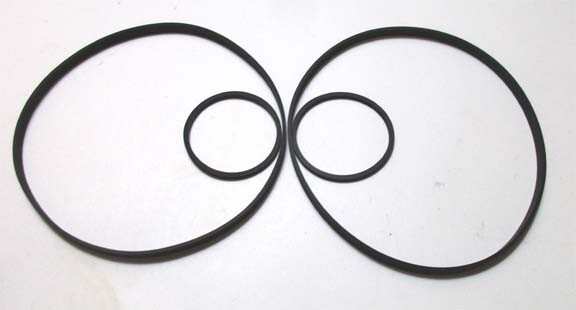
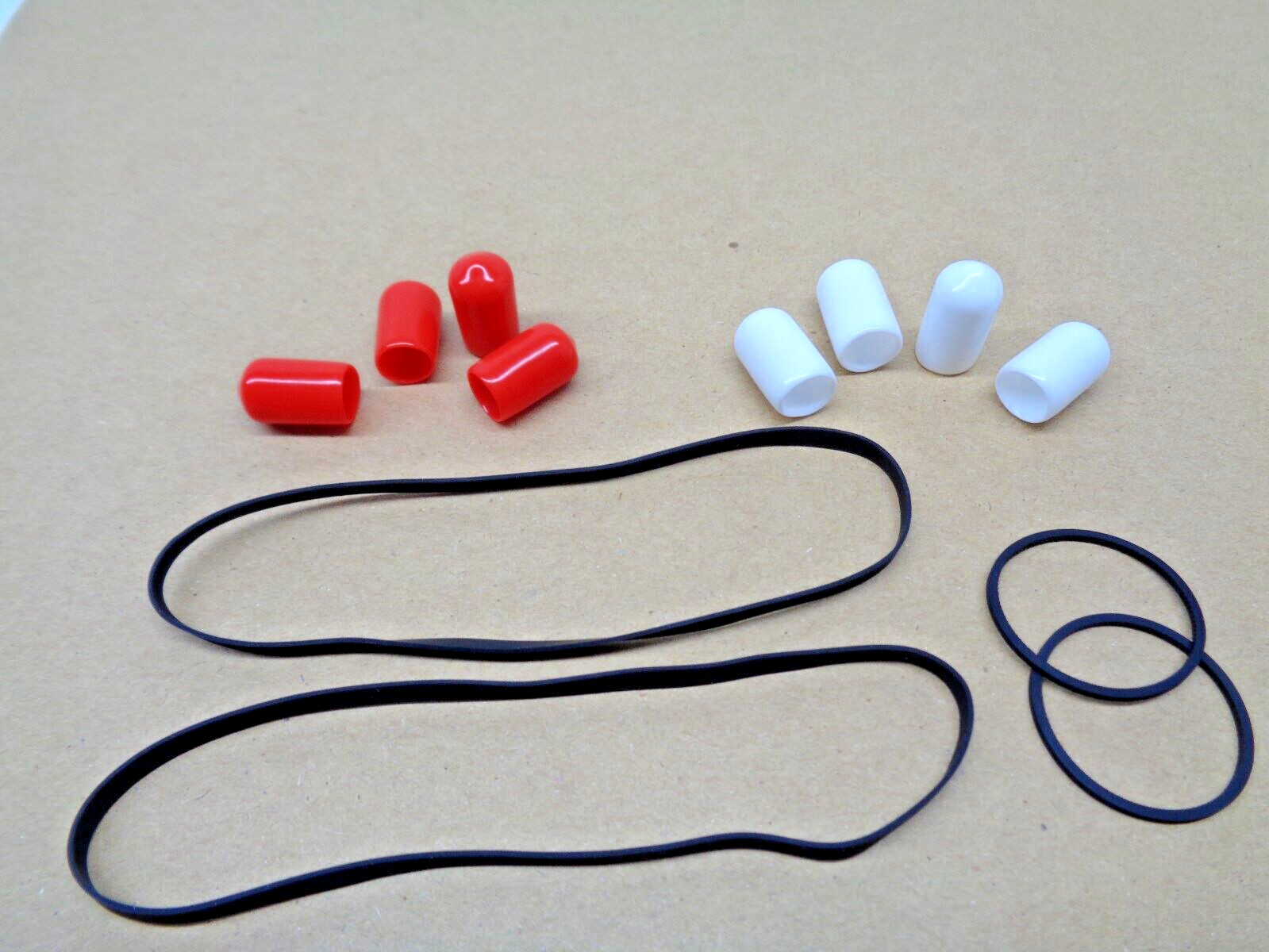
- Belt degradation: Rubber belts and idler tires dry out over time, leading to speed instability or failure to engage mechanisms.
- Mode switch oxidation: The auto-reverse mechanism relies on microswitches that can become oxidized, causing erratic behavior.
- Capacitor aging: Electrolytic capacitors in the power supply may leak or lose capacitance, potentially damaging circuitry.
- Head wear and alignment: Although durable, the heads may require cleaning, demagnetizing, or realignment after heavy use.
Maintenance Tips
1. Clean and demagnetize regularly: Use a cassette demagnetizer and isopropyl alcohol for head and capstan cleaning every 40–50 hours of use.
2. Replace aging belts: If the deck fails to load or reverse properly, inspect and replace all rubber belts and idler tires.
3. Lubricate moving parts: Apply silicone-based lubricant to gears and sliding rails in the transport mechanism.
4. Check capacitors: If powering on after long storage, inspect the power supply board for bulging or leaking capacitors.
5. Use quality tapes: Avoid cheap or sticky tapes that can shed oxide and clog the heads.
Collectibility and Market Value
The TC-WR990 holds moderate collectible appeal, rated 4/10. While not a high-end audiophile deck, it is valued for its reliability, automation features, and role in the final era of cassette technology. Enthusiasts appreciate its build quality and functionality for digitizing tape collections.
In the current market (2024–2025), working units sell for $50–$150, depending on condition, completeness, and functionality. Fully serviced units with replaced belts and calibrated heads command higher prices. Cosmetic condition also affects value, as the fluorescent display and soft-touch buttons are prone to wear.
Conclusion
The Sony TC-WR990 is a capable and feature-rich dual cassette deck that showcases the sophistication achieved in consumer tape technology by the end of the 20th century. While overshadowed by digital formats, it remains a practical tool for tape enthusiasts, archivists, and retro audio collectors. With proper care, it continues to offer reliable performance and a window into the final chapter of the cassette era.
eBay Listings


As an eBay Partner, we earn from qualifying purchases. This helps support our independent vintage technology research.
Related Models
- Sony TC-2050SD (1978)
- Sony TC-2130A (1974)
- Sony TC-2220 (1972)
- Sony TC-FX6 (1982)
- Sony TC-K96R (1986)
- Aiwa AD-F990 (1993)
- Kenwood KX-3060 (1982)
- Stromberg-Carlson RS-404 (1975)
- Akai CS-F33R (1985)
- Akai DX-59 (1983)