Sony TC-WR910 Dual Cassette Deck
The Sony TC-WR910 is a dual cassette deck released in 1990 as part of Sony's mid-range home audio lineup. Designed for convenience and everyday use, it catered to consumers who wanted easy tape dubbing, timer recording, and reliable playback during the final peak years of cassette tape popularity. With features like auto-reverse, Dolby noise reduction, and automatic tape calibration, the TC-WR910 offered a user-friendly experience ideal for home recording and music archiving.
Specifications
| Feature | Specification |
| Model | TC-WR910 |
| Brand | Sony |
| Year of Release | 1990 |
| Production Period | 1990–1992 |
| Type | Dual cassette deck |
| Tape Transport | Belt-driven with idler wheel |
| Auto-Reverse | Yes |
| Noise Reduction | Dolby B, Dolby C |
| Tape Selector | Type I (Normal), Type II (Chrome), Type IV (Metal) |
| Auto Calibration | Yes (automatic bias and level adjustment) |
| Playback Functions | Play, Pause, Stop, FF, REW, Music Search |
| Recording Functions | Dual cassette dubbing, Timer recording |
| Timer Recording | Yes (with clock and programmable start/stop) |
| Head Configuration | Single play/record head with reverse mechanism |
| Head Type | Ferrite or permalloy (typical for class) |
| Power Requirements | Unknown (likely AC adapter or internal transformer) |
| Dimensions | Approx. 430 × 140 × 305 mm (W×H×D) |
| Weight | Approx. 5.5 kg |
| Finish | Black plastic with silver trim |
Key Features
- Dual Cassette Design: Enables direct tape-to-tape copying without external audio sources.
- Auto-Reverse Playback/Recording: Allows continuous playback or recording on both sides of a cassette.
- Dolby B and C Noise Reduction: Reduces tape hiss for cleaner audio, especially on Type I and Type II tapes.
- Tape Type Selector: Supports Normal (Type I), Chrome (Type II), and Metal (Type IV) tapes with optimized recording settings.
- Automatic Tape Calibration: Adjusts recording levels and bias automatically for consistent results across tape types.
- Music Search: Fast-wind feature that detects silent passages to help locate tracks quickly.
- Timer Recording and Playback: Built-in clock and timer for scheduled recording from line input or radio (if connected to tuner).
Historical Context
The Sony TC-WR910 was introduced at a time when cassette tapes were still a dominant medium for personal audio, despite the growing presence of CDs. Released in 1990, it belonged to Sony’s practical, mid-tier cassette deck series aimed at home users who valued functionality over audiophile performance. The early 1990s marked the height of cassette convenience—portable Walkmans, pre-recorded music cassettes, and home dubbing were widespread.
The TC-WR910 reflected this era’s emphasis on ease of use. Features like auto-reverse, timer recording, and one-touch dubbing made it a popular choice for families, students, and casual music listeners. While not marketed to high-fidelity enthusiasts, it offered reliable performance and solid build quality typical of Sony’s engineering standards at the time.
Sound Quality
The TC-WR910 delivers a clean and balanced sound profile typical of mid-range cassette decks from the early 1990s. With Dolby B and C noise reduction engaged, tape hiss is significantly reduced, especially on Type I and Type II tapes. The automatic calibration system helps maintain consistent recording levels, though the overall dynamic range and frequency response are not on par with high-end or professional decks.
It performs best with Chrome (Type II) and Metal (Type IV) tapes, where the noise reduction and calibration systems can maximize fidelity. While not considered audiophile-grade, it is well-suited for casual listening, archiving vinyl records, or creating mixtapes.
Maintenance and Common Issues
Like all vintage cassette decks, the TC-WR910 requires periodic maintenance to ensure optimal performance. Common issues include:
- Belt Degradation: Rubber belts can dry out, crack, or stretch over time, leading to transport malfunctions. Replacement with fresh belts is recommended.
- Idler Tire Wear: The idler wheel that drives the capstan and spindles often hardens or loses grip, causing slow or uneven tape movement.
- Capstan and Pinch Roller Dirt: Accumulated oxide residue can affect tape speed and audio quality. Clean regularly with isopropyl alcohol and a lint-free swab.
- Head Alignment and Wear: Misaligned or worn heads can cause muffled sound or poor stereo imaging. Demagnetizing and alignment by a technician may be needed.
- Capstan Motor Issues: Some units may develop motor noise or speed instability after decades of use.
Maintenance Tips
1. Clean the Tape Path: After every 20–30 hours of use, clean the heads, capstan, and pinch roller with 99% isopropyl alcohol.
2. Demagnetize Regularly: Use a cassette demagnetizer every few months to prevent dull or distorted sound.
3. Replace Belts Proactively: Even if the deck appears to work, old belts are likely degraded. Replacing them prevents future failure.
4. Use Quality Tapes: Avoid cheap or old tapes that can shed oxide and clog the transport.
5. Store Properly: Keep the unit in a dry, dust-free environment to prevent corrosion and mechanical wear.
Market Value and Collectibility
The Sony TC-WR910 typically sells for $30 to $80 USD, depending on condition, functionality, and cosmetic state. Fully serviced units with replaced belts and cleaned heads command higher prices. While not rare, working examples are becoming harder to find due to age-related failures.
Collectibility Rating: 3/10
It holds modest appeal among cassette enthusiasts and retro audio hobbyists, primarily for its practicality rather than technical excellence. It is not considered a classic or highly sought-after model, but it remains a functional piece of 1990s home audio history.
Conclusion
The Sony TC-WR910 is a solid representative of early 1990s consumer cassette technology. While not a high-end deck, its blend of convenience features, reliable performance, and ease of use made it a household staple. For collectors, restorers, or those digitizing old tapes, the TC-WR910 offers a functional and nostalgic entry point into the world of analog audio. With proper care and maintenance, it can continue to serve as a reliable tool for cassette enthusiasts today.
eBay Listings

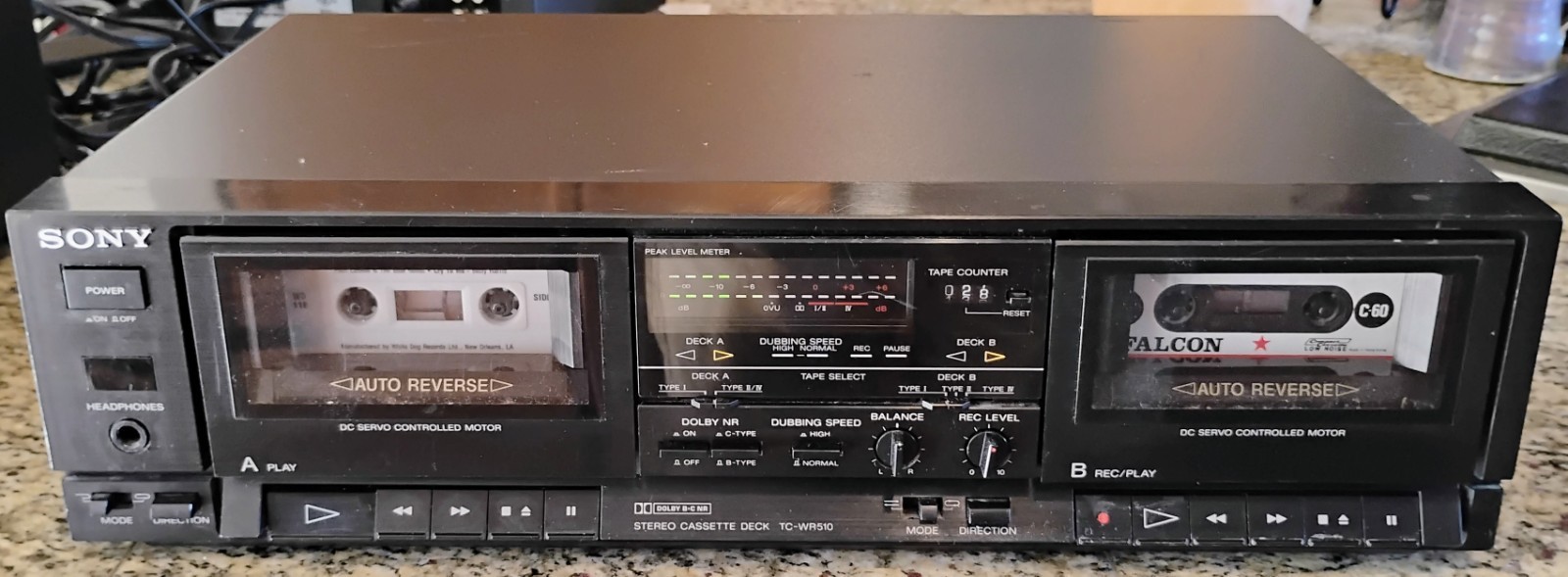
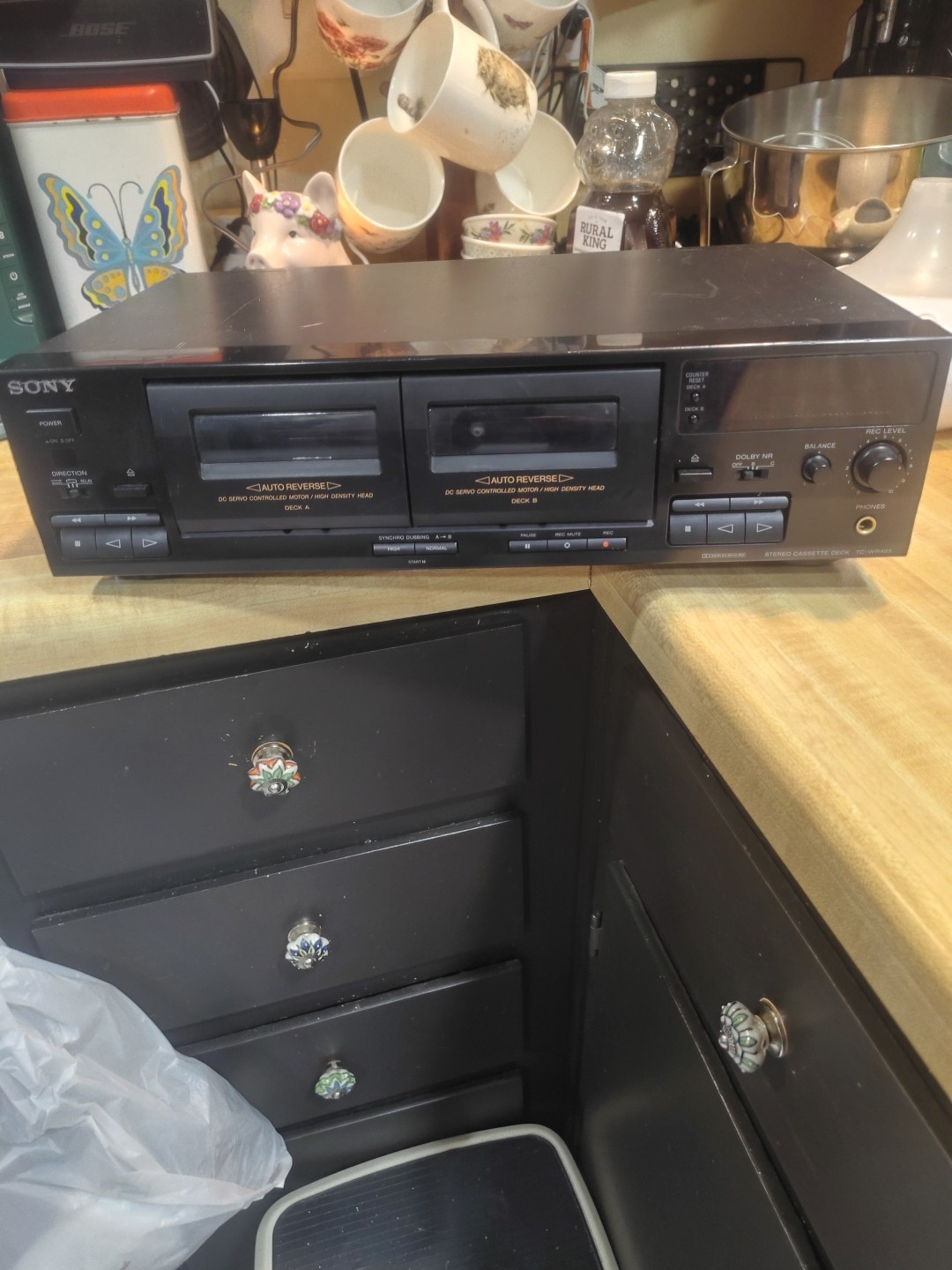

As an eBay Partner, we earn from qualifying purchases. This helps support our independent vintage technology research.
Related Models
- Sony TC-2050SD (1978)
- Sony TC-2130A (1974)
- Sony TC-2220 (1972)
- Sony TC-FX6 (1982)
- Sony TC-K96R (1986)
- Aiwa AD-F990 (1993)
- Kenwood KX-3060 (1982)
- Stromberg-Carlson RS-404 (1975)
- Akai CS-F33R (1985)
- Akai DX-59 (1983)