Sony TC-WR820 Dual Cassette Deck
Meet the Sony TC-WR820—a workhorse of the analog twilight. Built between 1995 and 1998, this dual cassette deck arrived just as CDs were taking over, yet it stands as one of the most refined expressions of cassette engineering before the format faded. It wasn’t chasing audiophile glory, but it delivered something just as valuable: reliability, smart automation, and clean sound for everyday tapers, mixtape makers, and vinyl archivists. This is Sony at the top of their cassette game—practical, precise, and built to last.
With dual bays, auto-reverse playback, and full support for Type I, II, and IV tapes, the TC-WR820 was made for real-world use. Whether you were dubbing albums from vinyl, copying mixtapes, or just enjoying your cassette collection, it handled the job with quiet confidence. Its Dolby B and C noise reduction, combined with automatic tape calibration, ensured consistent results across tape types—no fiddling with levels or bias settings. It’s the kind of deck that just works, the way only late-’90s Sony could make it.
Specifications
| Feature | Specification |
| Model | TC-WR820 |
| Brand | Sony |
| Year of Release | 1995 |
| Production Period | 1995–1998 |
| Category | Dual Cassette Deck |
| Tape Formats | Type I (Normal), Type II (Chrome), Type IV (Metal) |
| Noise Reduction | Dolby B, Dolby C |
| Auto Reverse | Yes |
| Recording/Playback | Both decks support recording and playback |
| Auto Calibration | Yes, automatic tape bias and level calibration |
| Transport Controls | Soft-touch mechanical buttons |
| Music Search | Yes, fast forward/rewind with tone detection |
| Repeat Play | Yes, repeat function for single or both decks |
| Line Input | 50k ohms (high impedance) |
| Line Output | 1k ohm |
| Headphone Output | 32 ohms (supports standard headphones) |
| Power Consumption | ~20W |
| Dimensions (W×H×D) | 430 × 142 × 327 mm |
| Weight | 7.5 kg |
| Finish | Black with silver control panel |
Historical Context
By 1995, the cassette was no longer king. CDs had seized the throne, and most manufacturers were winding down analog development. But Sony wasn’t done yet. The TC-WR820 emerged as a final refinement—a deck that distilled decades of tape expertise into a practical, feature-rich package for the home user.
Dual cassette decks were the copy machines of their day, and the TC-WR820 excelled at the task. It let users transfer recordings from one tape to another without external gear, making it a favorite for preserving vinyl, building mixtapes, or backing up fragile recordings. Positioned between budget models and high-end flagships like the TC-WR895, it offered advanced touches—auto calibration, music search, and precise Dolby tracking—without the premium price.
It’s a snapshot of analog maturity: fully automated, highly reliable, and sonically competent. With wow and flutter under 0.06%, it performed at a level that made tape duplication almost seamless. This was cassette tech at its most polished—right before the plug was pulled.
Sound Signature
The TC-WR820 doesn’t shout. It speaks clearly. Its sound is clean, balanced, and refreshingly neutral—tight bass, articulate mids, and smooth highs that never turn brittle. Frequency response stretches to 18kHz on metal tapes, and channel separation keeps the stereo image crisp. Dolby C does a stellar job taming tape hiss, especially on Type I tapes, while the auto-calibration system ensures recordings are consistently optimized, no matter the tape.
It won’t match the depth of a high-end open-reel or the punch of a top-tier cassette deck, but that’s not its role. It’s a faithful messenger—ideal for accurate dubbing and everyday listening. If you value clarity over color, the TC-WR820 delivers with quiet authority.
Maintenance and Common Issues
Over 25 years on, even a well-built deck like the TC-WR820 shows its age. Rubber and electrolytics don’t last forever. But most issues are predictable—and fixable.
- Belt Degradation: Rubber belts dry out and crack over time, causing transport failures. Fresh belts are a must for reliable operation.
- Idler Tire Wear: The idler wheel can harden and slip, leading to speed inconsistencies. Replacement restores smooth capstan drive.
- Mode Switch Oxidation: Tape type and mode switches often corrode, resulting in incorrect bias or Dolby errors. A quick cleaning with contact cleaner usually brings them back.
- Capacitor Aging: Power supply capacitors may leak or weaken. Recapping the unit prevents future damage and boosts reliability.
- Pinch Roller Hardening: The pinch roller loses grip as it glazes over. Light cleaning or replacement ensures proper tape tension.
Tips for Owners:
- Always clean and inspect the transport before use.
- Stick to high-quality tapes to avoid shedding and head clogs.
- Regularly clean heads, capstan, and pinch roller with isopropyl alcohol and a lint-free swab.
- Store in a dry, dust-free space to slow component aging.
- Seek professional servicing if auto-reverse or calibration fails—those circuits are best handled by experts.
Market Value and Collectibility
The TC-WR820 scores a 3/10 on the collectibility scale—not rare, but far from obsolete. It’s a favorite among cassette enthusiasts who actually use their gear, not just display it. Its dual-deck functionality keeps demand steady, especially for those digitizing old tapes or making new analog copies.
- Market Value: $30–$80, depending on condition and functionality
- Restored Units: Can reach $100 when fully serviced and tested
- Parts Units: Often sold for repair or harvesting compatible components
It’s not a showpiece, but it’s a keeper. For under a hundred bucks, you’re getting a capable, durable machine that still earns its place on a modern shelf.
Conclusion
The Sony TC-WR820 is the quiet professional of dual cassette decks—unflashy, dependable, and built with care. It didn’t aim for the stratosphere, but it nails the fundamentals: clean sound, smart automation, and solid construction. As the last wave of cassette innovation, it’s a fitting farewell from Sony. With a little maintenance, it’s still ready to dub, play, and preserve. A true utility player in the analog hall of fame.
eBay Listings

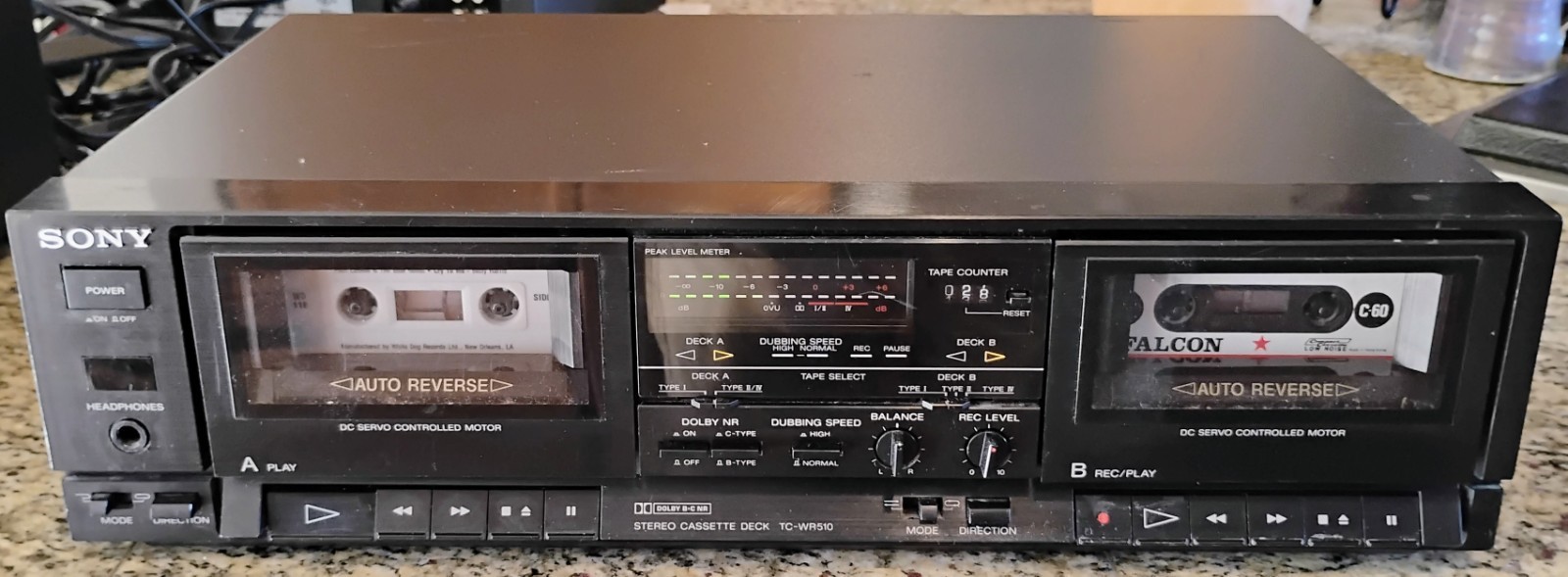
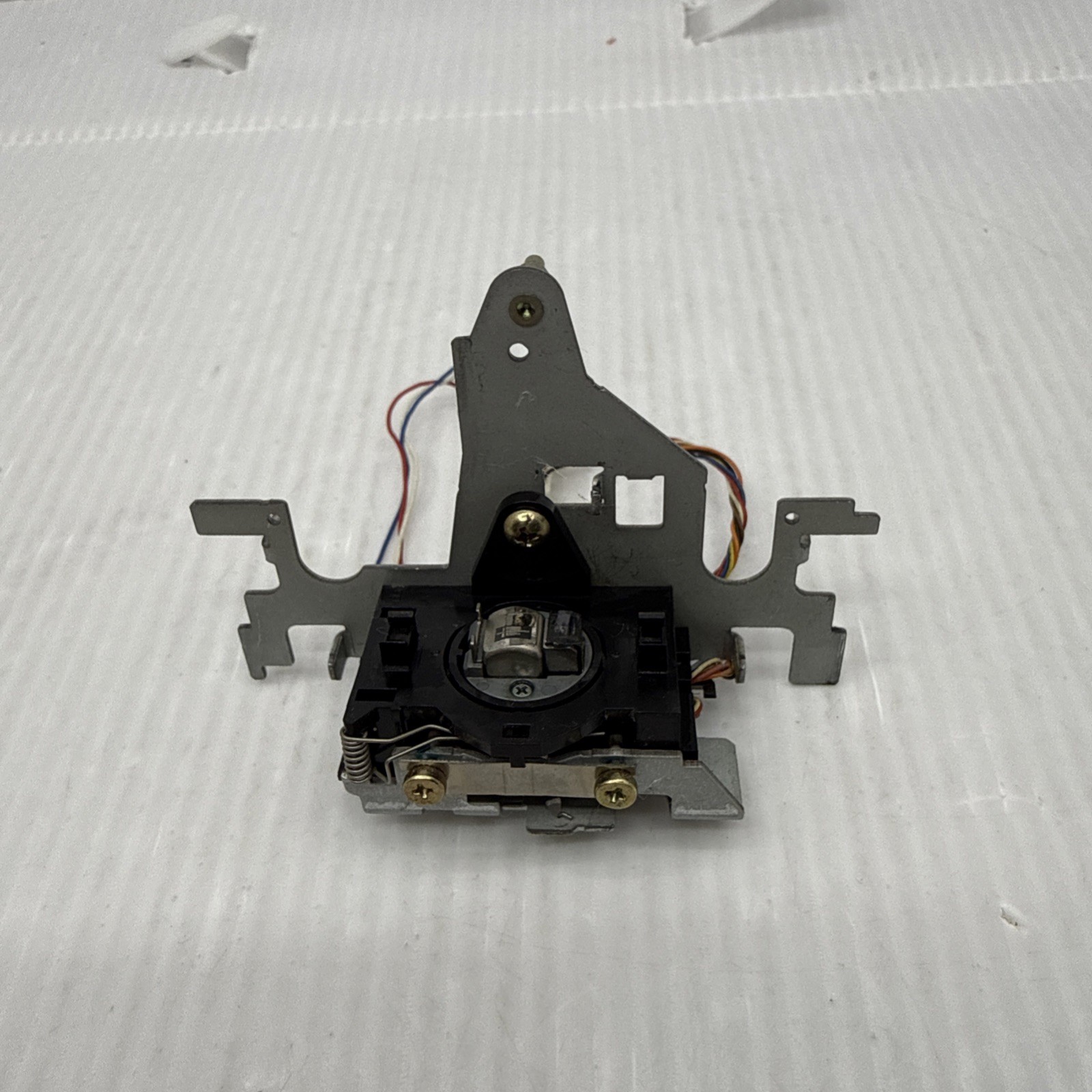
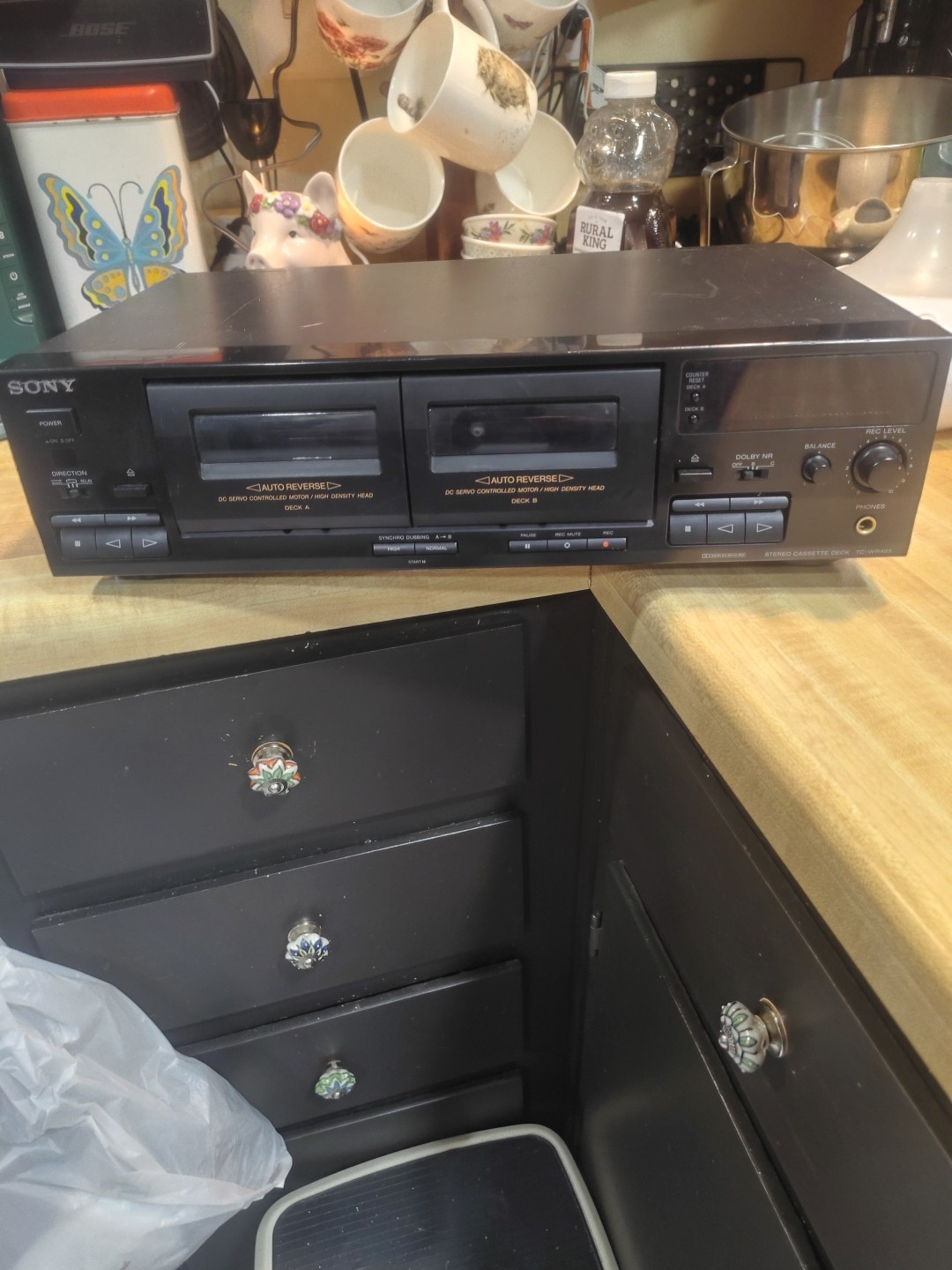
As an eBay Partner, we earn from qualifying purchases. This helps support our independent vintage technology research.
Related Models
- Sony TC-2050SD (1978)
- Sony TC-2130A (1974)
- Sony TC-2220 (1972)
- Sony TC-FX6 (1982)
- Sony TC-K96R (1986)
- Aiwa AD-F990 (1993)
- Kenwood KX-3060 (1982)
- Stromberg-Carlson RS-404 (1975)
- Akai CS-F33R (1985)
- Akai DX-59 (1983)