Sony TC-WR790 Dual Cassette Deck
By 1999, the cassette tape was on life support—streaming was on the horizon, CDs ruled the stereo shelf, and MP3 players were slipping into pockets. Yet Sony wasn’t ready to let go. The TC-WR790 emerged as a quiet champion of analog persistence: a dual cassette deck built not for audiophile glory, but for real-world utility. With seamless dubbing, smart automation, and the solid engineering Sony was known for, this machine was the last practical link in a fading chain—a final nod to the era when copying your mixtape or recording a late-night radio show mattered.
Specifications
| Feature | Specification |
| Model | TC-WR790 |
| Brand | Sony |
| Year of Release | 1999 |
| Production Period | 1999–2002 |
| Type | Dual cassette deck |
| Tape Transport | Belt-driven with capstan servo control |
| Auto Reverse | Yes (both decks) |
| Noise Reduction | Dolby B, C |
| Tape Selector | Auto (Type I, II, IV detection) |
| Recording Level Control | Automatic (Auto Level) |
| Playback Heads | Stereo full-track replay head |
| Recording Heads | Stereo full-track record head |
| Erase Method | AC erase |
| Input/Output | RCA line in, RCA line out |
| Input Impedance | ~10kΩ (typical line level) |
| Output Impedance | ~1kΩ (typical line level) |
| Input Sensitivity | ~-10dBV (line level) |
| Frequency Response | 20Hz–18kHz (Type IV tape, Dolby C) |
| Signal-to-Noise Ratio | >60dB (Dolby C) |
| Wow and Flutter | 0.1% (weighted, RMS) |
| Power Consumption | 15W |
| Dimensions (W×H×D) | 430 × 145 × 323 mm |
| Weight | 7.5 kg |
| Finish | Silver/black front panel |
Key Features
- Dual Cassette Operation: Copy tapes directly from one to another—no external source needed.
- Auto Reverse: Flip sides automatically on both decks, turning each tape into a full-length recording canvas.
- Dolby B/C Noise Reduction: Tames tape hiss without muddying the highs—especially effective with chrome tapes.
- Automatic Tape Selection: Detects Type I, II, or IV tape and adjusts bias and EQ on the fly.
- Music Search: Fast-forward or rewind while listening, so you can hunt down that buried guitar solo.
- Tape Program Sensor: Senses silent gaps between tracks, letting it split recordings during auto-copy mode.
- Auto Recording Level: Analyzes the input signal and sets levels automatically—no guesswork.
- Timer Recording & Playback: Schedule recordings or playback up to a week in advance, like a VCR for your mixtapes.
Historical Context
The TC-WR790 arrived when the writing was already on the wall. Cassettes had lost the format war, but they hadn’t vanished. People still taped radio shows, made driving mixtapes, and archived family recordings. Sony knew it, and instead of chasing perfection, they built something dependable—packed with convenience features for everyday users.
This wasn’t a high-end ES-series deck with quartz-locked transport or discrete head amps. It was a workhorse. But within its class, it represented the peak of automated cassette engineering: precise speed control, smart tape sensing, and a clean signal path. As one of Sony’s last widely available dual cassette decks, the TC-WR790 stands as a quiet milestone—a final, functional bow for analog home recording before the digital curtain fell.
Sound Signature
Don’t expect tube warmth or analog bloom—the TC-WR790 plays it straight. Its sound is clean, balanced, and faithful to the source, with none of the coloration that plagues cheaper decks. The servo-controlled capstan keeps speed rock-steady, and the 0.1% wow and flutter rating means bass stays tight and imaging stays focused.
Dolby C works smoothly here, cutting high-end hiss without introducing the "breathing" artifacts that can ruin lesser implementations. With a frequency response that stretches to 18kHz on metal tape, and solid channel separation, it handles everything from jazz to punk with quiet confidence. It won’t wow you in a blind test against a Nakamichi, but for daily use and duplication, it’s more than capable.
Maintenance and Common Issues
Over two decades on, the TC-WR790’s mechanics need attention—but with care, it can run like new. These decks were built well, but rubber and lubricants don’t age gracefully.
Common Problems:
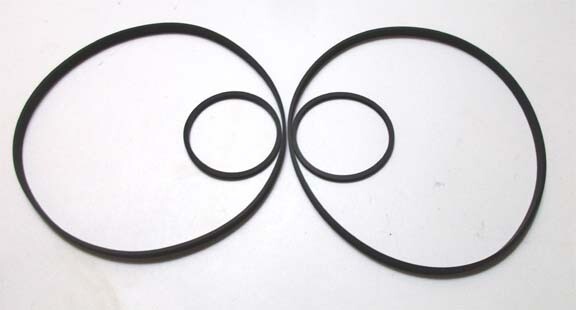
- Belt Degradation: Belts dry out and crack, causing sluggish transport or playback failure. Replacement is often essential.
- Idler Tire Wear: The idler wheel loses grip over time, leading to speed issues. Clean or replace it to restore drive.
- Capstan Motor Failure: Some units suffer from stuttering motors due to worn brushes or gummed-up lubricants.
- Mode Switch Oxidation: The tape type selector can corrode, causing misdetection. A shot of contact cleaner often fixes it.
- Mechanical Jamming: Levers stick or misalign, blocking cassette ejection. A careful inspection and light lubrication can clear the path.
Maintenance Tips:
1. Clean Heads and Guides: Use isopropyl alcohol and a swab after every few tapes—grime kills fidelity.
2. Demagnetize Regularly: A quick pass with a non-magnetic-core demagnetizer keeps highs crisp and clear.
3. Replace Belts Proactively: Even if they seem fine, old belts are time bombs. Swap them during servicing.
4. Check Tape Path Alignment: Skewed tape wear means guides are off—realignment prevents long-term damage.
5. Use Fresh Tapes: Avoid old or sticky tapes that shed oxide and gunk up the works.
Collectibility and Market Value
The TC-WR790 isn’t a grail. It scores a modest 3/10 on the collectibility scale—mass-produced, mid-tier, and lacking the cult status of Sony’s high-end models. But it has its fans:
- Vintage audio enthusiasts restoring period-correct systems
- Practical users who need reliable, no-fuss dubbing
- Retro tech collectors documenting the analog-to-digital shift
Market Value: $30–$80 USD, depending on condition. Fully serviced units—with fresh belts, cleaned heads, and calibrated bias—can fetch higher prices, especially from buyers who want it to work out of the box.
Conclusion
The Sony TC-WR790 isn’t flashy, but it’s honest. It arrived late in the game, built for people who still had tapes to copy, radio shows to record, and mixtapes to perfect. It delivers clean sound, smart automation, and the kind of build quality that makes you trust it. With a little maintenance, it remains one of the most practical ways to preserve or duplicate cassette tapes today—quietly keeping analog culture alive, one copy at a time.
eBay Listings



As an eBay Partner, we earn from qualifying purchases. This helps support our independent vintage technology research.
Related Models
- Sony TC-2050SD (1978)
- Sony TC-2130A (1974)
- Sony TC-2220 (1972)
- Sony TC-FX6 (1982)
- Sony TC-K96R (1986)
- Aiwa AD-F990 (1993)
- Kenwood KX-3060 (1982)
- Stromberg-Carlson RS-404 (1975)
- Akai CS-F33R (1985)
- Akai DX-59 (1983)