Sony TC-WR720 Dual Cassette Deck
The Sony TC-WR720 is a mid-range dual cassette deck produced from 1998 to 2001, designed for consumer home audio recording and playback. Part of Sony's late-1990s cassette deck lineup, the TC-WR720 offered practical features like auto reverse, dual-well recording, and noise reduction, making it a convenient choice for tape dubbing, music archiving, and casual listening.
Despite the rise of CDs and early digital audio formats during its production era, the TC-WR720 catered to users who still relied on cassette tapes for portability, recording radio shows, or preserving analog audio collections.
Key Features
- Double Cassette Deck: Enables direct C-cassette dubbing without external devices.
- Auto Reverse Playback/Recording: Allows continuous playback or recording on both sides of a cassette.
- Dolby B and C Noise Reduction: Reduces tape hiss for improved audio clarity.
- Tape Selector: Supports Type I (Normal), Type II (Chrome), and Type IV (Metal) tapes with auto calibration.
- Auto Tape Calibration: Automatically adjusts bias and level for optimal recording quality.
- Quick Record Function: One-touch recording from external sources.
- Music Search: High-speed scan with audio monitoring to locate tracks quickly.
- Timer Recording: Schedule recordings up to 7 days in advance.
- Headphone Output: 3.5mm jack with level control for private listening.
Specifications
| Specification | Detail |
| Year of Production | 1998–2001 |
| Power Consumption | 20W |
| Line Input Impedance | 50k ohms |
| Line Output Impedance | 2.2k ohms (unbalanced) |
| Line Input Sensitivity | 250mV |
| Headphone Output | 3.5mm stereo mini-jack |
| Noise Reduction | Dolby B, C |
| Tape Types Supported | Type I (Normal), Type II (Chrome), Type IV (Metal) |
| Recording Functions | Auto calibration, quick record, timer record |
| Playback Features | Auto reverse, music search, dual-deck dubbing |
| Dimensions (W×H×D) | 430 × 145 × 320 mm |
| Weight | 6.5 kg |
Historical Context
The Sony TC-WR720 arrived at a transitional period in audio technology. By 1998, compact discs had become the dominant format for music consumption, and MP3 players were beginning to emerge. However, cassette tapes remained popular for their affordability, portability, and ease of recording.
Sony positioned the TC-WR720 as a reliable, feature-rich option for home users who wanted to copy tapes, record from radios, or transfer vinyl records to cassette. Its dual-deck design eliminated the need for manual tape swapping during dubbing, while Dolby B/C and tape type selection ensured decent fidelity across various tape formulations.
Though not a high-end audiophile machine, the TC-WR720 represented solid mid-fi engineering and reflected Sony’s commitment to the cassette format even as it waned in popularity.
Sound Signature
The TC-WR720 delivers a warm, slightly compressed analog sound typical of consumer-grade cassette decks. With Dolby noise reduction engaged, background hiss is noticeably reduced, especially on Type II and Type IV tapes. Frequency response is acceptable within its class—bass is present but not deep, while highs are smooth rather than extended.
Best performance is achieved with high-quality tapes and regular maintenance. While not comparable to professional reel-to-reel or high-end decks like the Sony TC-K665ES, the TC-WR720 offers nostalgic, listenable sound ideal for casual use.
Maintenance and Tips
Like all vintage cassette decks, the TC-WR720 requires periodic maintenance to perform reliably:
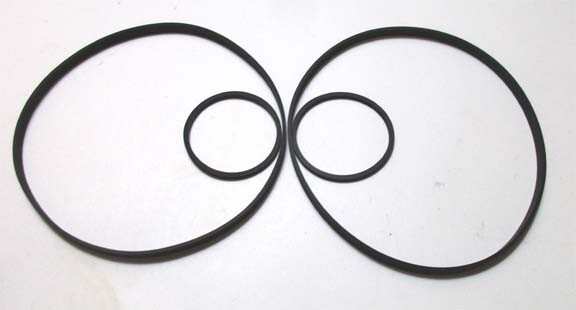
- Belt and Idler Tire Inspection: Check rubber belts and idler tires every few years. Deterioration can cause speed instability or transport failure. Replace if cracked or sticky.
- Head Cleaning: Clean tape heads, capstan, and pinch roller regularly with isopropyl alcohol and a cotton swab to prevent muffled sound and dropouts.
- Demagnetization: Use a non-powered tape demagnetizer every 50–100 hours of use to maintain high-frequency response and reduce noise.
- Switch and Potentiometer Care: Clean with contact cleaner if buttons or volume controls become noisy or unresponsive.
- Motor Issues: If the tape transport is sluggish or inconsistent, inspect the capstan motor and associated circuitry.
- Storage: Store in a dry, dust-free environment to prevent oxidation and mold buildup.
Using high-quality cassettes (e.g., Maxell XLII, TDK SA) will also improve recording results and reduce head wear.
Market Value and Collectibility
The Sony TC-WR720 is moderately available on the secondhand market, with working units typically priced between $30 and $80 USD, depending on condition, included accessories, and functionality.
Collectibility: 3/10
While not a sought-after collector’s item, the TC-WR720 holds nostalgic value for those preserving analog workflows or restoring vintage audio setups. Its practicality for tape digitization projects gives it some utility in modern contexts.
Conclusion
The Sony TC-WR720 is a dependable dual cassette deck that exemplifies late-era consumer cassette technology. With its blend of convenience features, solid build quality, and warm analog character, it remains a functional piece for tape enthusiasts, archivists, and retro audio hobbyists. While not a high-fidelity masterpiece, it serves as a capable bridge between analog tradition and the digital age.
eBay Listings


As an eBay Partner, we earn from qualifying purchases. This helps support our independent vintage technology research.
Related Models
- Sony TC-2050SD (1978)
- Sony TC-2130A (1974)
- Sony TC-2220 (1972)
- Sony TC-FX6 (1982)
- Sony TC-K96R (1986)
- Aiwa AD-F990 (1993)
- Kenwood KX-3060 (1982)
- Stromberg-Carlson RS-404 (1975)
- Akai CS-F33R (1985)
- Akai DX-59 (1983)