Sony TC-RX77 Dual Cassette Deck
The Sony TC-RX77 is a dual cassette deck released in 1988 as part of Sony's high-end consumer audio lineup. Designed for convenience and reliable performance, the TC-RX77 offered advanced automation features that made it a popular choice for home dubbing, music archiving, and everyday cassette use during the final decade of the format's mainstream popularity.
Key Features
- Dual cassette transport with auto-reverse on both decks
- Dolby B and C noise reduction for improved audio fidelity
- Automatic tape calibration (AZ-AMG system) for optimal recording levels
- Tape type selector for Type I (Normal), Type II (Chrome), and Type IV (Metal) tapes
- Music Search and Auto Program Search functions for quick navigation
- Direct dubbing between cassettes without external sources
- Fluorescent display with track time and operational status
Specifications
| Specification | Detail |
| Model | TC-RX77 |
| Brand | Sony |
| Year of Release | 1988 |
| Production Period | 1988–1990 |
| Cassette Function | Dual deck with auto-reverse (both sides) |
| Noise Reduction | Dolby B, Dolby C |
| Tape Types Supported | Type I (Normal), Type II (Chrome), Type IV (Metal) |
| Calibration System | Auto calibration (AZ-AMG) |
| Copy Features | One-touch copying, high-speed dubbing |
| Search Functions | Music Search, Auto Program Search |
| Display | Fluorescent VFD |
| Recording Level Adjustment | Automatic only |
| Inputs/Outputs | Line In, Line Out (RCA) |
| Power Requirements | Not specified (assumed AC adapter internal) |
| Dimensions (W×H×D) | 430 × 140 × 335 mm |
| Weight | 7.5 kg |
Note: Power specifications, impedance, and sensitivity are not documented in available service literature.
Historical Context
The TC-RX77 arrived at the peak of cassette automation technology, just before the compact disc began to dominate the consumer audio market. As part of Sony’s premium cassette deck series in the late 1980s, it reflected the company’s focus on user-friendly features and reliable mechanical design. The integration of auto-reverse on both decks, combined with intelligent tape handling and noise reduction, made it a standout for consumers who wanted high-quality analog duplication and playback without complex manual adjustments.
While not marketed as an audiophile component, the TC-RX77 delivered clean, accurate sound reproduction typical of well-engineered consumer decks of the era. Its use of Dolby B and C noise reduction significantly reduced tape hiss, especially on chrome and metal tapes, enhancing the listening experience on pre-recorded music cassettes and home recordings alike.
Sound Signature
The TC-RX77 provides a balanced and neutral sound profile with low wow and flutter and minimal background noise when Dolby NR is engaged. Its playback response is accurate across the audible spectrum, making it well-suited for a wide range of music genres. While it lacks the precision and build quality of professional or high-end audiophile decks, it performs admirably for a consumer dual cassette unit. Users report clear stereo imaging and consistent tape tracking, especially when the transport is properly maintained.
Maintenance and Common Issues
Like many cassette decks of its era, the TC-RX77 may require servicing after decades of dormancy. Common issues include:
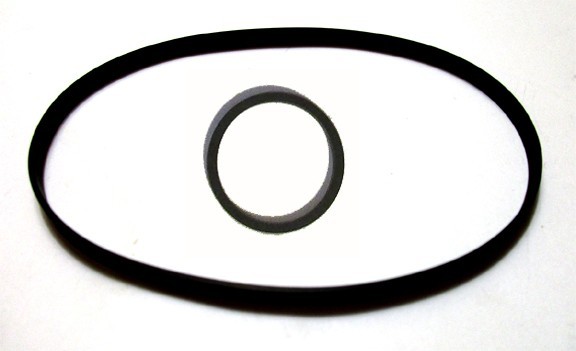
- Belt degradation: Rubber belts can dry out and crack, leading to transport failure. Replacement with fresh belts is often necessary.
- Idler tire wear: The idler wheel can harden or lose grip, causing slow or uneven tape movement.
- Auto-reverse mechanism problems: Mechanical linkages and sensors in the auto-reverse system may stick or fail over time.
- Dirty or oxidized heads: Playback issues such as muffled sound or dropouts are often resolved with cleaning and demagnetizing.
- Capstan and pinch roller buildup: Accumulated oxide residue can affect tape speed and tension.
Tips for Owners
- Clean and demagnetize the tape path before use, especially if the unit has been stored for years.
- Inspect belts and idler tires; replace if brittle or stretched.
- Use high-quality tapes to reduce head clogging and ensure accurate tracking.
- Avoid using worn or damaged cassettes, as they can harm the transport.
- Store the unit in a dry, dust-free environment to prevent corrosion and mold.
Market Value and Collectibility
The Sony TC-RX77 typically sells for $50 to $150, depending on condition, functionality, and completeness. Fully operational units with clean heads and working auto-reverse command higher prices. Cosmetic condition also plays a role, with original finish and unscratched displays being desirable.
Collectibility Rating: 4/10
While not a rare or highly sought-after model among audiophiles, the TC-RX77 holds nostalgic value for enthusiasts of 1980s consumer electronics and cassette culture. Its advanced automation and solid build make it a functional piece for collectors focused on vintage home audio convenience rather than ultimate sound quality.
Conclusion
The Sony TC-RX77 represents the height of consumer cassette deck automation in the late 1980s. With its dual auto-reverse decks, intelligent tape handling, and user-friendly features, it was designed for ease of use and reliable performance. While it may require maintenance to restore full functionality, it remains a capable and nostalgic component for cassette enthusiasts and vintage audio collectors alike.
eBay Listings


As an eBay Partner, we earn from qualifying purchases. This helps support our independent vintage technology research.
Related Models
- Sony TC-2050SD (1978)
- Sony TC-2130A (1974)
- Sony TC-2220 (1972)
- Sony TC-FX6 (1982)
- Sony TC-K96R (1986)
- Aiwa AD-F990 (1993)
- Kenwood KX-3060 (1982)
- Stromberg-Carlson RS-404 (1975)
- Akai CS-F33R (1985)
- Akai DX-59 (1983)