Sony TC-RX70 Cassette Deck
The Sony TC-RX70 is a mid-tier cassette deck released in 1990 as part of Sony's broader push to offer feature-rich, user-friendly tape decks during the final golden era of analog cassette technology. With a blend of automation, solid build quality, and reliable performance, the TC-RX70 catered to home audiophiles and casual listeners who wanted convenience without sacrificing too much in audio fidelity.
Key Features
- Dolby B/C Noise Reduction: Provides cleaner playback with reduced tape hiss on compatible recordings.
- Auto Tape Selector: Automatically detects tape type (I, II, IV) for optimized bias and equalization.
- Auto Reverse: Enables continuous playback and recording in both directions without manual tape flipping.
- Music Search: Fast forward and rewind with audible playback to quickly locate sections on a tape.
- Timer Recording/Playback: Schedule recordings or playback sessions using the built-in timer.
- Dual Capstan Drive System: Enhances tape stability and reduces wow and flutter for improved speed consistency.
- Soft-Touch Transport Controls: Elegant, responsive button interface typical of Sony's design language in the early '90s.
Specifications
| Specification | Detail |
| Year of Production | 1990–1992 |
| Cassette Transport | Auto-reverse, dual capstan |
| Tape Speed | 4.76 cm/s (standard) |
| Wow and Flutter | Not specified (typical for class: <0.08%) |
| Frequency Response | 20 Hz – 20 kHz (with CrO₂/Type II tape, Dolby C) |
| Signal-to-Noise Ratio | Up to 72 dB (Dolby C on CrO₂) |
| Harmonic Distortion | <1.5% |
| Head Type | Ferrite (record/play), dedicated playback head |
| Noise Reduction | Dolby B, Dolby C |
| Inputs/Outputs | Line In, Line Out (RCA) |
| Power Requirements | Unknown |
| Dimensions (W×H×D) | 430 × 138.5 × 312 mm |
| Weight | 6.5 kg |
Historical Context
The Sony TC-RX70 arrived at a transitional moment in audio history—just before the compact disc began to dominate the consumer market. Despite the rise of digital formats, cassette decks remained popular due to their portability, recordability, and widespread use in home and car audio systems.
As part of Sony’s mid-range lineup, the TC-RX70 offered many of the advanced features found in higher-end models—such as auto-reverse, tape type sensing, and dual capstan drive—but at a more accessible price point. It exemplifies the peak of cassette deck automation, emphasizing ease of use and reliability over audiophile-grade performance. While not marketed to hardcore enthusiasts, it was a solid choice for discerning listeners who valued consistent playback and modern conveniences.
Sound Signature
The TC-RX70 delivers a clean, neutral sound profile typical of Sony’s engineering philosophy during this period. Its Dolby B and C decoding is accurate, helping to preserve high-frequency detail while minimizing tape noise. The dual capstan system contributes to stable speed performance, resulting in tight bass and clear midrange. While it lacks the warmth or dynamic range of high-end decks from brands like Nakamichi or Revox, it remains a trustworthy machine for everyday cassette use.
Maintenance and Common Issues
Like all vintage cassette decks, the TC-RX70 requires periodic maintenance to ensure optimal performance:
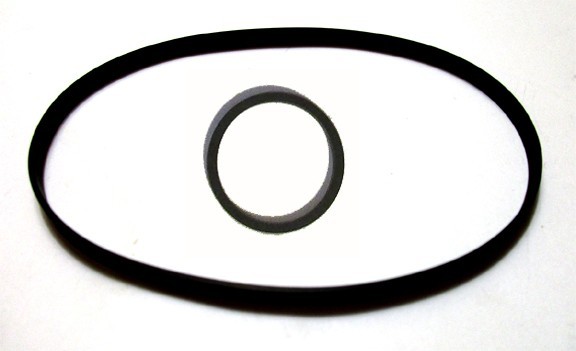
- Belt Degradation: Rubber belts can dry out and crack over time. Replacement with fresh belts is often necessary for proper operation.
- Idler Tire Wear: The idler wheel may harden or lose grip, leading to speed inconsistencies or failure to engage transport functions.
- Capacitor Aging: Electrolytic capacitors in the power supply and audio circuits may leak or fail after decades, potentially causing noise or malfunction.
- Auto-Reverse Mechanism: This complex system can become misaligned or sluggish. Cleaning and lubrication of gears and sensors are recommended.
- Head Alignment and Cleaning: Regular demagnetization and cleaning of the tape heads, capstans, and pinch rollers are essential for maintaining sound quality.
Maintenance Tips:
- Clean the tape path with isopropyl alcohol and lint-free swabs after every few uses.
- Demagnetize the heads and tape path every 50–100 hours of use using a cassette demagnetizer.
- Store in a dry, dust-free environment to prevent oxidation and mechanical wear.
- If the deck hasn’t been used for years, consider a full service by a technician familiar with vintage cassette mechanisms.
Market Value and Collectibility
The Sony TC-RX70 typically sells for $50–$150, depending on condition, functionality, and completeness (including remote or original packaging). Fully operational units with clean heads and responsive mechanisms command higher prices.
Collectibility Rating: 4/10
While not a rare or highly sought-after model among audiophiles, the TC-RX70 holds nostalgic value for collectors of 1990s Sony audio gear and those restoring vintage stereo systems. Its blend of automation and solid engineering makes it a functional piece of audio history, though it doesn’t reach the iconic status of Sony’s earlier TC-series decks from the 1970s and '80s.
Conclusion
The Sony TC-RX70 stands as a reliable and well-featured cassette deck from the twilight of the analog tape era. It may not deliver reference-level sound, but its automation, build quality, and ease of use make it a worthy addition to any vintage audio setup. With proper care and maintenance, it continues to offer a satisfying cassette experience for collectors and casual users alike.
eBay Listings


As an eBay Partner, we earn from qualifying purchases. This helps support our independent vintage technology research.
Related Models
- Sony TC-2050SD (1978)
- Sony TC-2130A (1974)
- Sony TC-2220 (1972)
- Sony TC-FX6 (1982)
- Sony TC-K96R (1986)
- Aiwa AD-F990 (1993)
- Kenwood KX-3060 (1982)
- Stromberg-Carlson RS-404 (1975)
- Akai CS-F33R (1985)
- Akai DX-59 (1983)