Sony TC-377 Cassette Deck
Step into the late 1970s home audio scene, and you’d likely find the Sony TC-377 spinning tapes with quiet confidence. Released in 1977, this mid-tier cassette deck wasn’t chasing audiophile stardom, but it delivered something just as valuable: rock-solid engineering wrapped in a no-nonsense design. With its 3-motor direct-drive transport, solenoid-controlled mechanics, and full suite of user-friendly features, the TC-377 became a trusted companion in living rooms and recording setups alike. It’s the kind of machine that didn’t shout—just performed, year after year.
Key Features
- 3-motor tape transport for precise control
- Solenoid actuated transport mechanisms
- Dolby B noise reduction for improved tape hiss suppression
- Feather-touch push-button controls
- Auto-stop function at tape end
- Mechanical tape counter
- Dual VU meters for level monitoring
- Mic and line input options for recording
- Line input sensitivity: 70mV, output: 0.5V
- Input impedance: 50k ohms, output impedance: 2.2k ohms
Specifications
| Specification | Detail |
| Model | Sony TC-377 |
| Year of Release | 1977 |
| Production Period | 1977–1980 |
| Category | Stereo Cassette Deck |
| Tape Transport | 3-motor, direct drive |
| Noise Reduction | Dolby B |
| Frequency Response | 40 Hz – 14,000 Hz (±3dB) |
| Wow and Flutter | 0.08% WRMS |
| Input Sensitivity (Line) | 70mV |
| Output Level (Line) | 0.5V |
| Input Impedance | 50k ohms |
| Output Impedance | 2.2k ohms |
| Power Consumption | ~30W |
| Dimensions (W×H×D) | 430 × 138 × 295 mm |
| Weight | 7.5 kg (approx.) |
| Special Features | VU meters, auto-stop, tape counter, mic input, solenoid controls |
Historical Context
The TC-377 arrived when cassettes were shedding their "portable novelty" image and stepping into the audiophile spotlight. Sony positioned it as a capable mid-range deck—below flagships like the TC-630 or TC-K600, but packing high-end DNA. The 3-motor transport and solenoid actuation weren’t just for show; they delivered smoother operation and better durability than the gear-driven linkages common in budget models. This was engineering with purpose: bringing precision mechanics within reach of serious listeners without breaking the bank.
Its influence quietly shaped the era. By proving solenoid-driven transports could be reliable and affordable, the TC-377 helped push that design into the mainstream. Paired with Dolby B noise reduction and clear VU metering, it struck a sweet spot—functional, accurate, and built to last.
Sound Signature
Neat, uncolored, and surprisingly detailed—the TC-377 doesn’t color the sound, it captures it. With a frequency response stretching from 40 Hz to 14 kHz, it handles most music with ease, preserving the punch of bass lines and the shimmer of cymbals. The wow and flutter rating of just 0.08% WRMS means tapes play back with rock-solid speed stability, free from the warble that plagues lesser decks. Engage Dolby B, and tape hiss melts away, especially in quiet passages, making this deck a strong match for both vintage pre-recorded tapes and well-made home dubs.
Maintenance and Common Issues
Time takes its toll, but the TC-377 was built to be revived:
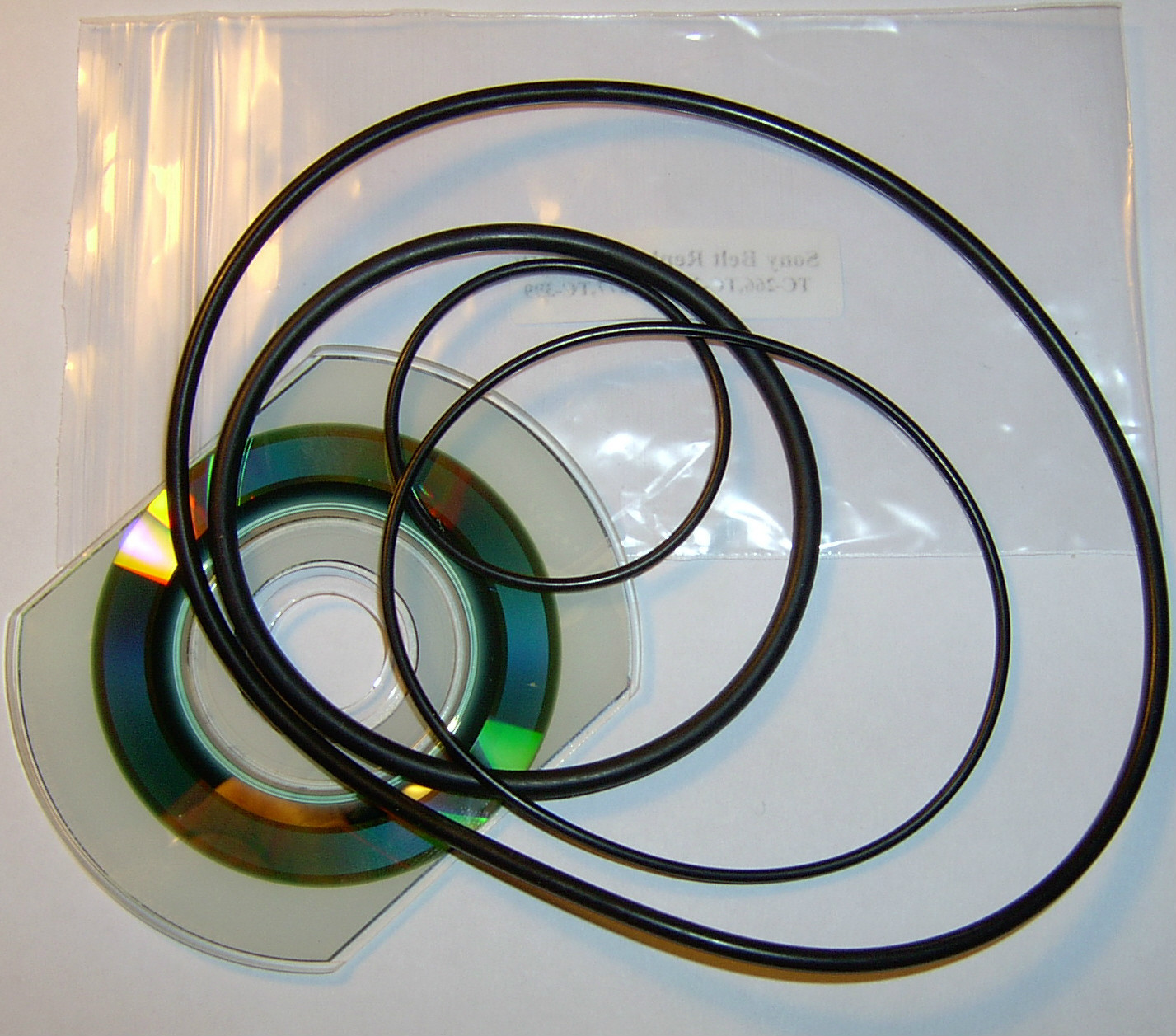
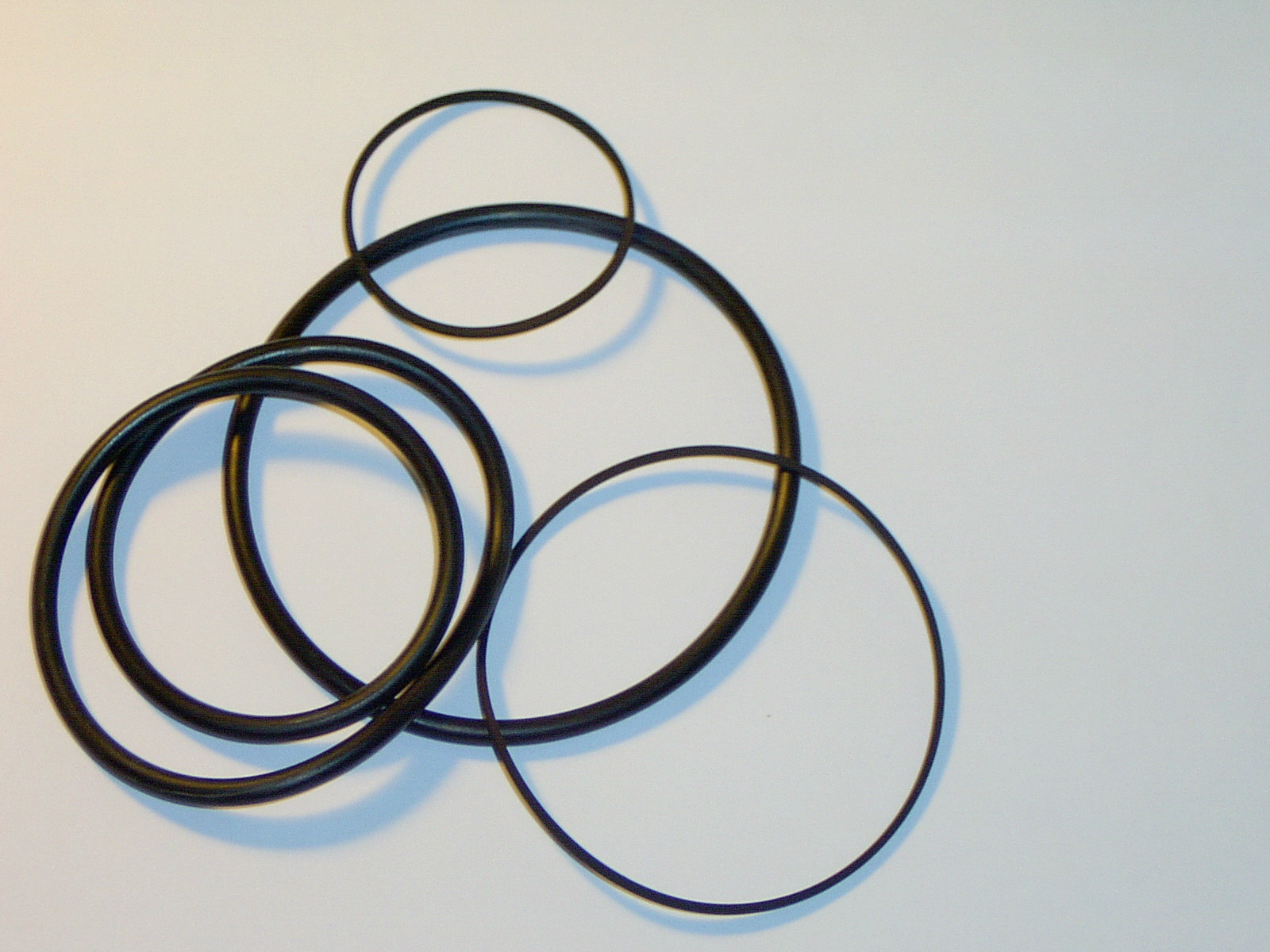
- Belt Deterioration: Decades-old rubber belts and idler tires often crack or harden. Replacing them with modern equivalents restores tension and transport accuracy.
- Solenoid Mechanism: Sticky solenoids usually stem from dried lubricant. A careful cleaning and relube with high-quality grease brings back that signature smooth, silent operation.
- Capacitor Aging: Old electrolytic capacitors can leak or lose capacitance, leading to noise or power issues. Recapping the power supply and signal path is a smart move for long-dormant units.
- Head Alignment and Cleaning: Regular cleaning with isopropyl alcohol keeps highs crisp. Misaligned heads dull stereo imaging—realignment ensures optimal playback fidelity.
- Decks Stored Long-Term: Units pulled from storage deserve caution. Check for corrosion, and power on gradually using a variac or dim-bulb tester to protect aging components.
Collectibility and Market Value
The TC-377 earns a 6/10 in collectibility—not a trophy piece, but a respected workhorse. Enthusiasts value it for its durability, clean feature set, and embodiment of 1970s Japanese audio craftsmanship. Well-maintained units with original parts and sharp cosmetics typically trade between $100–$250. Prices climb with verified functionality, included accessories, and mint-condition finishes—especially if the VU meters still dance in perfect sync.
Conclusion
The Sony TC-377 may not have chased the high end, but it mastered the middle ground. Reliable, well-sorted, and sonically honest, it’s the kind of deck you could trust with your favorite mixtapes and late-night recording sessions. For today’s analog fans, it’s more than nostalgia—it’s a functional piece of audio history. Keep it serviced, feed it good tape, and it’ll keep performing, just like it did in ’77.
eBay Listings


As an eBay Partner, we earn from qualifying purchases. This helps support our independent vintage technology research.
Related Models
- Sony TC-2050SD (1978)
- Sony TC-2130A (1974)
- Sony TC-2220 (1972)
- Sony TC-FX6 (1982)
- Sony TC-K96R (1986)
- Aiwa AD-F990 (1993)
- Kenwood KX-3060 (1982)
- Stromberg-Carlson RS-404 (1975)
- Akai CS-F33R (1985)
- Akai DX-59 (1983)