Sony MDR-M66 Headphones
The Sony MDR-M66 is a pair of closed-back dynamic headphones introduced in the mid-1970s as part of Sony's growing MDR (Miniature Dynamic Receiver) series. Designed with portability and consumer accessibility in mind, the MDR-M66 reflects Sony's early commitment to personal audio innovation during the rise of portable music devices.
While not a flagship model and lacking extensive documentation, the MDR-M66 exemplifies the design philosophy of its era—compact, lightweight, and built for everyday listening. These headphones were likely marketed alongside portable cassette players or transistor radios, serving as a practical audio solution for on-the-go users.
Specifications
| Feature | Specification |
| Model | MDR-M66 |
| Brand | Sony |
| Year of Release | Circa 1975 |
| Type | Closed-back, dynamic |
| Impedance | Unknown (estimated 32–64 ohms) |
| Sensitivity | Unknown |
| Driver Size | Likely 30mm (estimated) |
| Connector | 3.5mm (likely straight plug) |
| Cable | Single-sided, fixed cable |
| Foldable Design | Likely (common for M-series) |
| Weight | Lightweight (exact weight unknown) |
| Ear Pad Material | Foam with synthetic leather or velour |
| Accessories | None documented |
Note: Full technical specifications are not officially documented. Estimates are based on design trends of similar Sony MDR models from the 1970s.
Historical Context
The Sony MDR-M66 belongs to the first wave of Sony's MDR headphone lineup, which began in the early 1970s with models like the MDR-3, MDR-5, and MDR-7. These headphones were developed to complement Sony's portable audio devices, such as the iconic Walkman (introduced in 1979), though the M66 predates that device and likely served earlier cassette and radio products.
During the 1970s, Sony was pioneering personal audio technology, emphasizing miniaturization and user-friendly design. The MDR-M66, while not a high-fidelity audiophile model, represented an accessible entry into private listening for the average consumer. Its closed-back design helped reduce sound leakage and provided mild passive noise isolation—valuable features for use in public or shared spaces.
Though overshadowed by more famous models like the MDR-7 or later MDR-V6, the M66 played a role in establishing Sony’s reputation for reliable, mass-market headphones. Its simple construction and focus on portability made it a typical representative of consumer audio gear from the era.
Sound Signature
Due to limited surviving units and lack of formal reviews, the exact sound profile of the MDR-M66 is undocumented. However, based on design and era-typical tuning, the sound is likely balanced with a slight emphasis on midrange clarity and modest bass response—optimized for voice and general music playback rather than deep low-end performance. As closed-back dynamic headphones, they would have provided decent isolation for their time but with limited soundstage compared to open-back or larger studio models.
Maintenance and Restoration Tips
Given their age, surviving MDR-M66 units may require care to remain functional and comfortable:
- Ear Pads: Replace deteriorated foam pads with modern aftermarket replacements. Look for 30–35mm round pads compatible with vintage Sony headphones.
- Cable Inspection: Check for internal wire breaks, especially near the plug and earcup connections. Consider replacing the cable with a modern 3.5mm equivalent if damaged.
- Hinge Mechanism: If the headphones are foldable, lubricate stiff hinges gently with silicone-based lubricant to prevent breakage.
- Cleaning: Use a soft cloth and mild cleaner for the headband and earcups. Avoid alcohol on plastic parts to prevent cracking.
- Storage: Store in a dry, temperature-stable environment to prevent plastic embrittlement and foam disintegration.
Collectibility and Market Value
The Sony MDR-M66 is a relatively obscure model with limited production records and collector interest. It holds modest appeal primarily among vintage Sony enthusiasts or those completing MDR series collections.
- Collectibility: 2/10 – Low due to lack of documentation and absence from flagship lines.
- Market Value: $20–$50 USD for working or restored units. Value is largely sentimental or utilitarian rather than investment-grade.
- Rarity: Uncommon, but not rare. Occasionally found on secondhand markets like eBay or audio forums.
Conclusion
The Sony MDR-M66 may not be a legendary model, but it stands as a quiet representative of 1970s consumer audio evolution. As part of Sony’s foundational MDR series, it helped lay the groundwork for the personal listening culture that would explode with the Walkman era. While not a high-performance headphone by modern standards, the M66 remains a charming piece of audio history for collectors and vintage tech enthusiasts.
eBay Listings
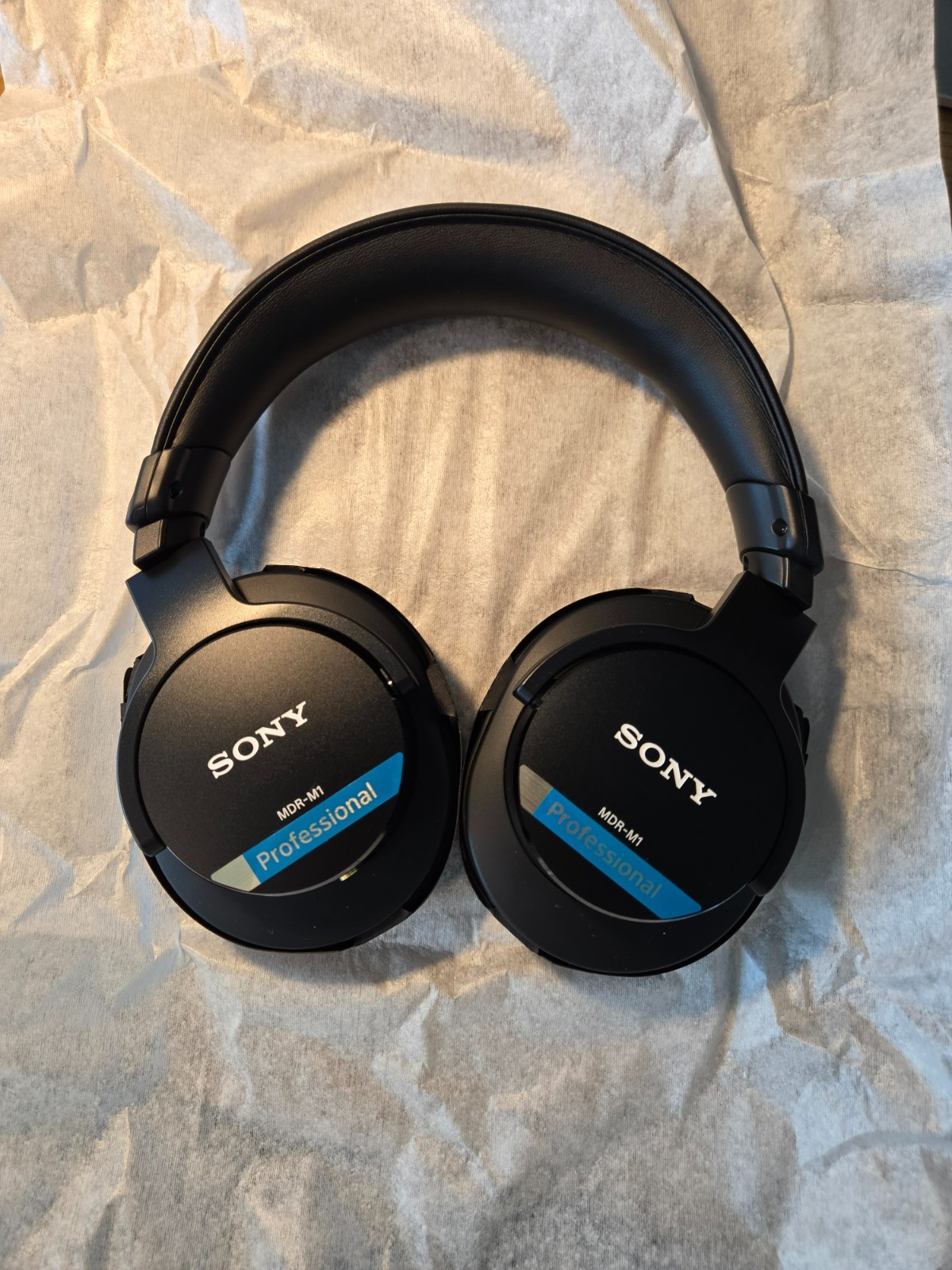

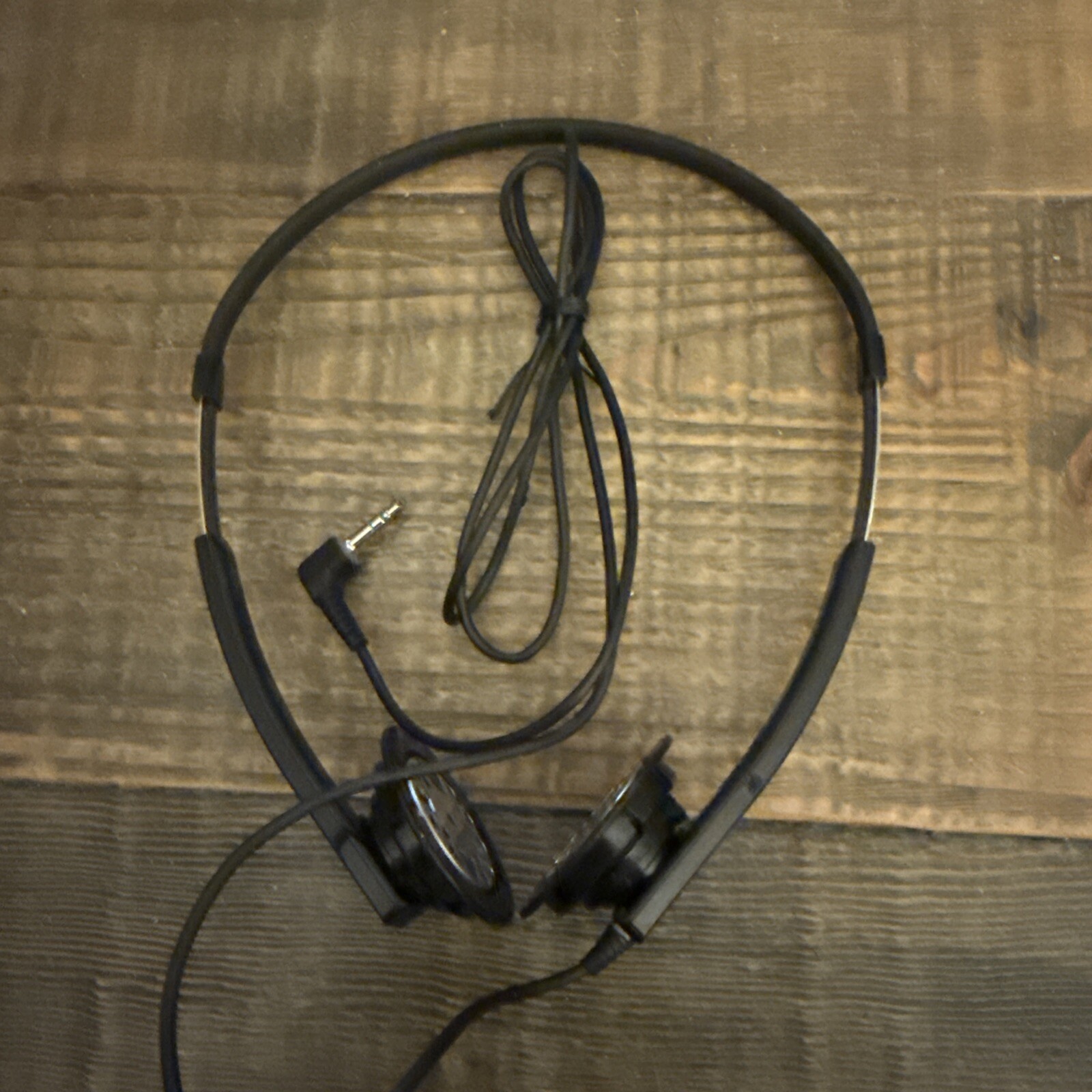

As an eBay Partner, we earn from qualifying purchases. This helps support our independent vintage technology research.
Related Models
- Sony MDR-4 (1978)
- Sony MDR-80 (1975)
- Sony MDR-A60 (1975)
- Sony MDR-1 (2012)
- Sony MDR-10 (2013)
- Heathkit AA-2010 (1975)
- Accuphase DG-28
- Accuphase G-18
- Altec 804A
- Alpine 3402