Sony MDR-CD900
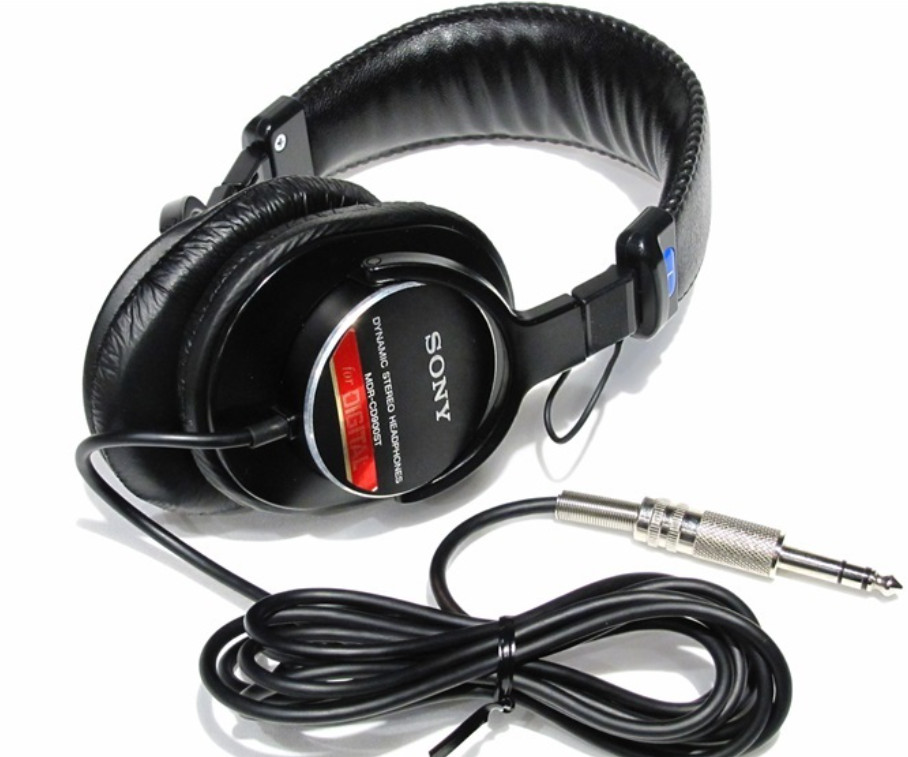
The Sony MDR-CD900 is a professional closed-back circumaural headphone. During the 1990s and early 2000s it got a name for accurate sound, comfort and reliability in studio and broadcast work. The tonal balance is neutral and the midrange is clear. It became a staple in Japanese radio stations, recording studios and post-production facilities.
It was a consumer-market model, but its performance earned a reputation comparable to higher-end professional headphones. Audio engineers and vocal producers favored it.
Specifications
| Feature | Specification |
| Type | Closed-back, dynamic, circumaural |
| Driver Size | 40 mm |
| Impedance | 63 ohms |
| Sensitivity | 104 dB/mW |
| Frequency Response | 10 Hz – 24 kHz |
| Driver Construction | OFC (Oxygen-Free Copper) voice coils |
| Connector | 3.5 mm gold-plated stereo mini-plug |
| Cable Length | 3.0 meters (straight cable) |
| Cable | Non-detachable |
| Weight | Approx. 230 g (without cable) |
| Earpads | Soft vinyl-covered foam |
| Headband | Padded, self-adjusting |
Sound Signature
The MDR-CD900 has a neutral and balanced sound with a slight emphasis on the midrange. That suits vocal monitoring and voice-over work. The 104 dB/mW sensitivity keeps it efficient even on low-powered portable devices, and the 63-ohm impedance works with a wide range of professional and consumer audio equipment.
- Bass: Tight and controlled with moderate depth—accurate but not exaggerated.
- Mids: Clear and forward, ideal for vocal clarity and instrumental definition.
- Treble: Smooth and detailed without harshness or sibilance.
- Soundstage: Modest due to the closed-back design, but imaging is precise for its class.
That tonal profile made it a trusted tool for critical listening where vocal intelligibility was paramount.
Historical Significance
Sony released the MDR-CD900 in the early 1990s as part of its push to provide high-performance monitoring at accessible prices. It wasn't branded under Sony's flagship MDR-V series. Even so, the CD900 quickly gained traction in Japanese broadcasting and studio environments, where people valued its durability and vocal clarity.
It held up over long sessions. The design minimized sound leakage and external noise interference. Marketing favored models like the MDR-7506, but the CD900 built a loyal following among audio professionals who appreciated its refined midrange and comfort.
Common Issues and Maintenance
Like many vintage headphones, the MDR-CD900 wears over time. With proper care, it can stay functional for decades.
Common Issues:
- Deteriorating earpads and headband padding: Foam can dry out, crack, or disintegrate after 20+ years.
- Non-detachable cable: Limits upgrade options and makes repairs more complex if the cable fails.
- Limited availability of replacement parts: Original parts are no longer manufactured; users often rely on third-party or DIY solutions.
Maintenance Tips:
- Replace earpads: Aftermarket replacements or custom-cut memory foam pads with synthetic leather covers can restore comfort and seal.
- Clean regularly: Use a mild detergent on earpad surfaces and wipe down the headband with a damp cloth.
- Store properly: Keep in a dry, temperature-stable environment away from direct sunlight to prevent plastic embrittlement.
- Cable care: Avoid sharp bends or tangles; consider using a cable sleeve to prevent fraying near the plug or housing.
Collectibility and Market Value
The Sony MDR-CD900 holds a collectibility rating of 7/10. Vintage audio enthusiasts and studio gear collectors prize it for its professional heritage and sonic accuracy. It is less widely recognized globally than some other Sony models, but its reputation in Japan and niche professional use adds to its appeal.
- Market Value: $100–$250 for used units in good working condition.
- Factors affecting value: Original condition, presence of wear, earpad integrity, and included accessories (if any).
Units with replaced earpads or minor cosmetic flaws are still desirable, especially if used for active listening or studio reference.
Conclusion
The Sony MDR-CD900 comes from Sony's professional audio work in the 1990s. It has balanced sound, a studio-ready build and lasting comfort. It remains a choice for vocal monitoring, podcasting and critical listening, even by today's standards, and it performs well beyond its original price point.
eBay Listings



As an eBay Partner, we earn from qualifying purchases. This helps support our independent vintage technology research.
Related Models
- Sony MDR-100 (1975)
- Sony MDR-4 (1978)
- Sony MDR-7506
- Sony MDR-80 (1975)
- Sony MDR-A60 (1975)
- Pioneer SE-305 (1982)
- Yamaha HP-3 (1978)
- Pioneer SE-21 (1979)
- Pioneer SE-4 (1975)
- AKG 240-DF