Sony MDR-90 (1989)
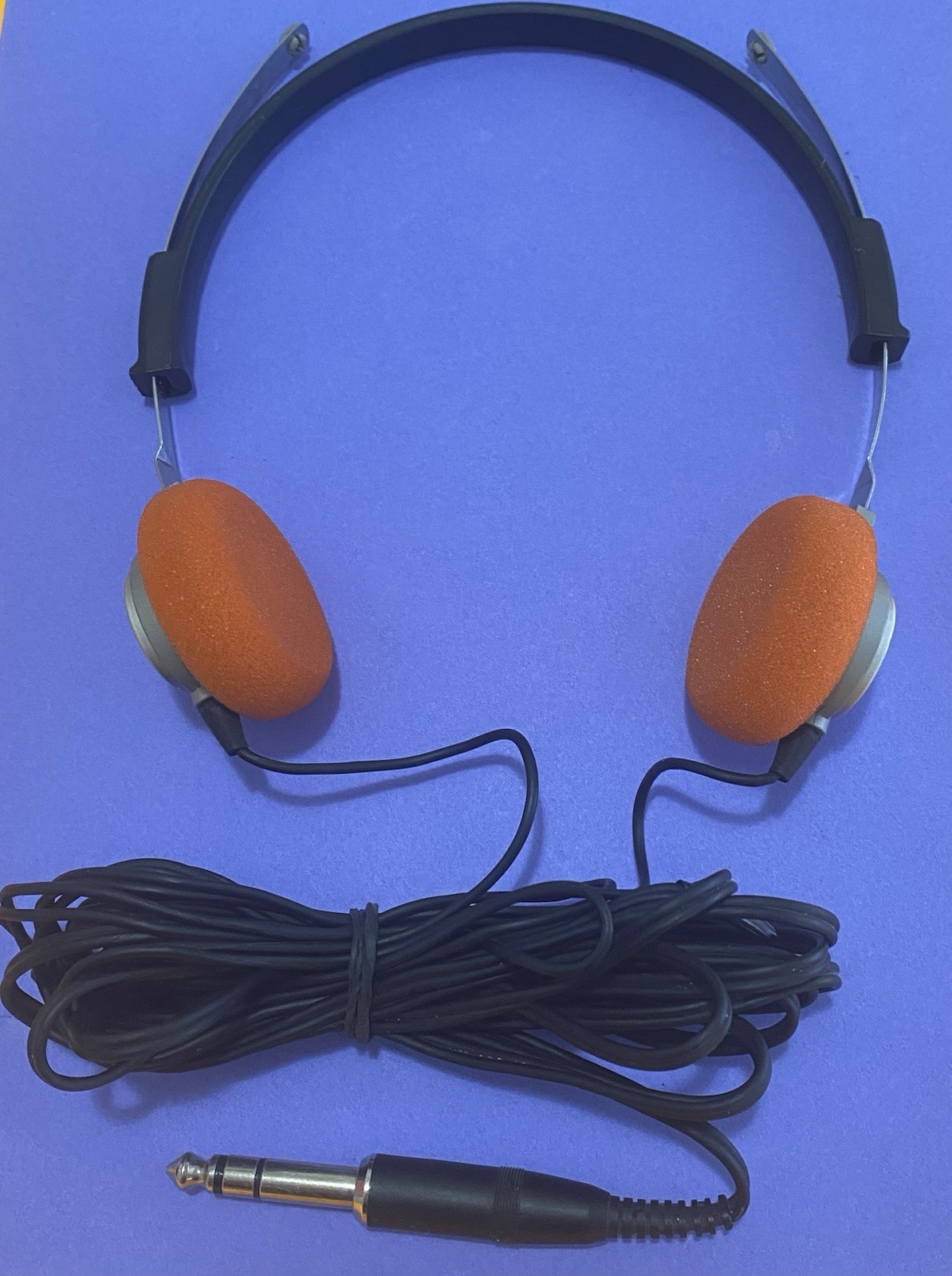
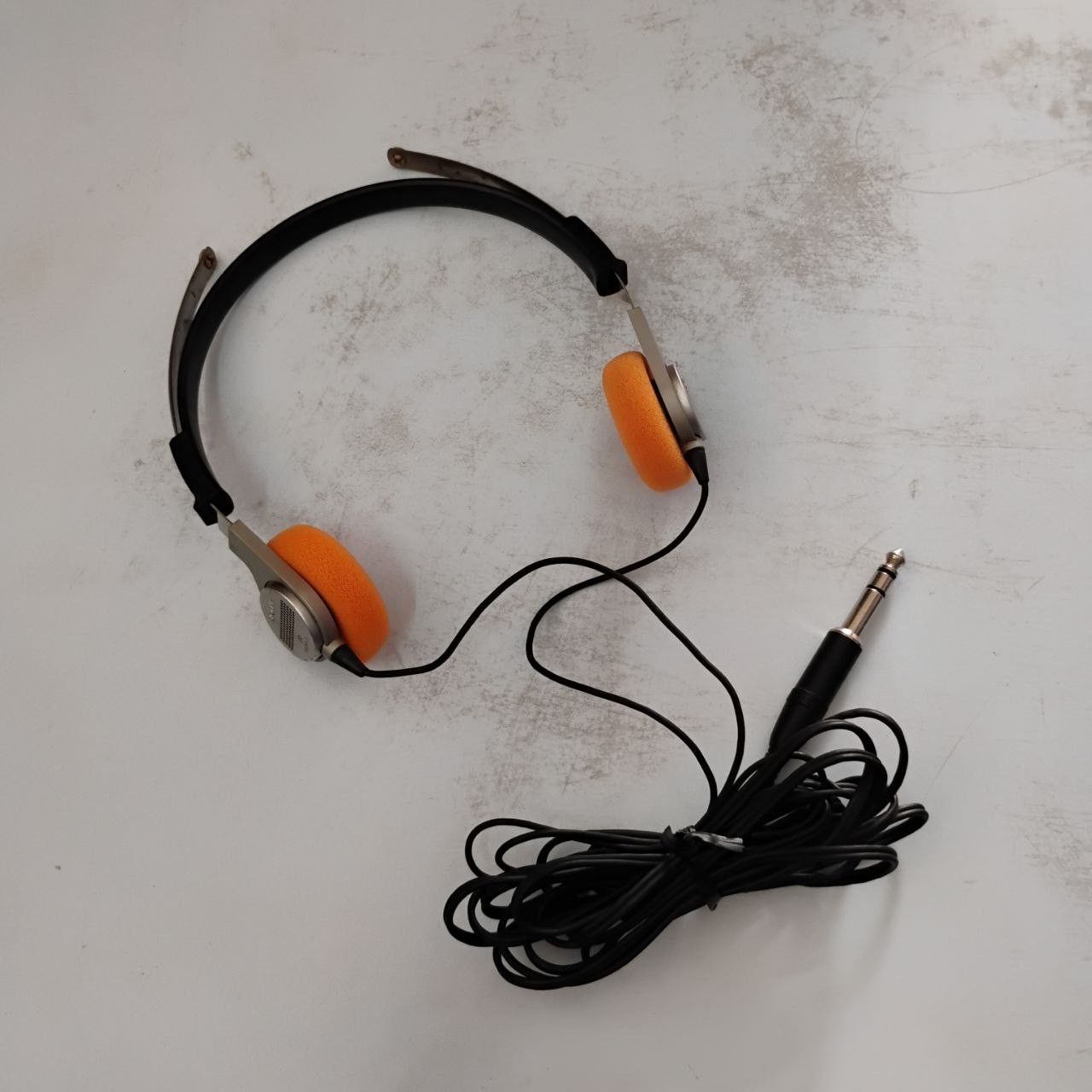
The Sony MDR-90 is a compact, lightweight pair of on-ear headphones released in 1989 as part of Sony's growing MDR series. Designed for portable use during the Walkman era, the MDR-90 offered audiophiles and casual listeners alike a high-fidelity listening experience in a convenient form factor. With advanced features for its time—such as neodymium magnets and oxygen-free copper (OFC) voice coils—the MDR-90 represented a significant step forward in portable headphone engineering.
Despite being over three decades old, the MDR-90 remains appreciated by vintage audio enthusiasts for its bright, detailed sound signature and minimalist design. Its legacy lives on in modern portable headphones that prioritize clarity and portability.
Specifications
| Feature | Specification |
| Year of Release | 1989 |
| Impedance | 24 ohms |
| Sensitivity | 108 dB/mW |
| Driver Size | 30mm |
| Driver Type | Dynamic, neodymium magnet |
| Voice Coil | OFC (Oxygen-Free Copper) |
| Frequency Response | Not officially documented |
| Weight | 60g (without cable) |
| Design | On-ear, foldable, single-sided cable |
| Ear Pads | Foam with synthetic leather cover |
| Cable | Non-detachable, ~1.2m stereo minijack |
| Accessories | Carrying pouch |
| Power Requirements | Passive (no external power needed) |
Sound Signature
The Sony MDR-90 delivers an analytical and airy listening experience, characterized by a bright treble, clear midrange, and lightweight bass response. Thanks to the neodymium drivers and OFC voice coils, the headphones offer excellent detail retrieval and transient response—ideal for genres like acoustic, classical, and vocal-centric music.
While the bass is present, it is not emphasized, making the MDR-90 less suitable for bass-heavy genres like electronic or hip-hop. The open and transparent soundstage gives the impression of space, though the on-ear design does not provide strong passive noise isolation.
Historical Significance
The MDR-90 emerged during a pivotal time in portable audio history—the height of the Walkman era—when Sony was leading the charge in personal audio innovation. As one of the early models to incorporate neodymium magnets in a consumer portable headphone, the MDR-90 offered improved efficiency and clarity over earlier ferrite-based designs.
It served as a precursor to modern high-fidelity portable headphones, bridging the gap between casual listening gear and audiophile-grade equipment. The MDR-90’s lightweight build (just 60g) and foldable design made it highly portable, appealing to travelers and commuters long before such features became standard.
Part of Sony’s broader MDR lineup evolution, the MDR-90 helped establish design and engineering principles that would influence future models like the MDR-V6 and later MDR-CD series.
Common Issues and Maintenance Tips
Like many vintage headphones, the MDR-90 is prone to age-related wear. However, with proper care, these units can remain functional and enjoyable for years.
Common Issues:
- Deteriorating foam ear pads: The original foam tends to dry out, crack, or disintegrate over time. Replacement pads are available from third-party vendors.
- Headband padding degradation: The cushioning on the headband may wear thin or peel; some users replace it with aftermarket foam or leather strips.
- Non-detachable cable: The fixed cable is a known weak point. Fraying near the plug or housing is common. Soldering skills may be required for replacement.
- Hinge mechanism wear: Frequent folding can loosen the foldable joints, though robust examples still hold up well.
Maintenance Tips:
- Replace ear pads regularly: Use modern replacements with improved comfort and durability.
- Store in the included pouch: Helps protect against dust, moisture, and physical damage.
- Avoid excessive folding: Minimize stress on the hinge mechanisms when not in use.
- Clean gently: Use a soft cloth and mild cleaner for the ear pad area; avoid moisture near driver grilles.
- Check solder joints: If experiencing audio dropouts, inspect the cable connections at the earcup and plug.
Collectibility and Market Value
The Sony MDR-90 holds moderate collectible appeal, rated around 6/10 among vintage audio enthusiasts. While not as iconic as the MDR-7506 or MDR-V6, it is valued for its historical role in portable headphone development and its unique combination of lightweight design and high sensitivity.
In the current market (2024), working units in good condition typically sell for $50–$150, depending on:
- Overall cosmetic condition
- Presence of original accessories (especially the carrying pouch)
- Functionality of drivers and cable
- Rarity of color variants (if any)
Units with replaced cables or ear pads may be less desirable to collectors but remain functional for daily use.
Final Thoughts
The Sony MDR-90 is a testament to late-1980s innovation in personal audio. Though modest by today’s standards, its emphasis on clarity, portability, and build quality made it a standout in its era. For vintage audio collectors and Walkman enthusiasts, the MDR-90 offers both nostalgic value and a window into the evolution of portable high-fidelity sound.
With some care and minor restoration, the MDR-90 can still deliver an engaging listening experience—proving that great design never truly goes out of style.
eBay Listings


As an eBay Partner, we earn from qualifying purchases. This helps support our independent vintage technology research.
Related Models
- Sony MDR-4 (1978)
- Sony MDR-80 (1975)
- Sony MDR-A60 (1975)
- Sony MDR-1 (2012)
- Sony MDR-10 (2013)
- Heathkit AA-2010 (1975)
- Accuphase DG-28
- Accuphase G-18
- Altec 804A
- Alpine 3402