Sony MDR-8 Headphones
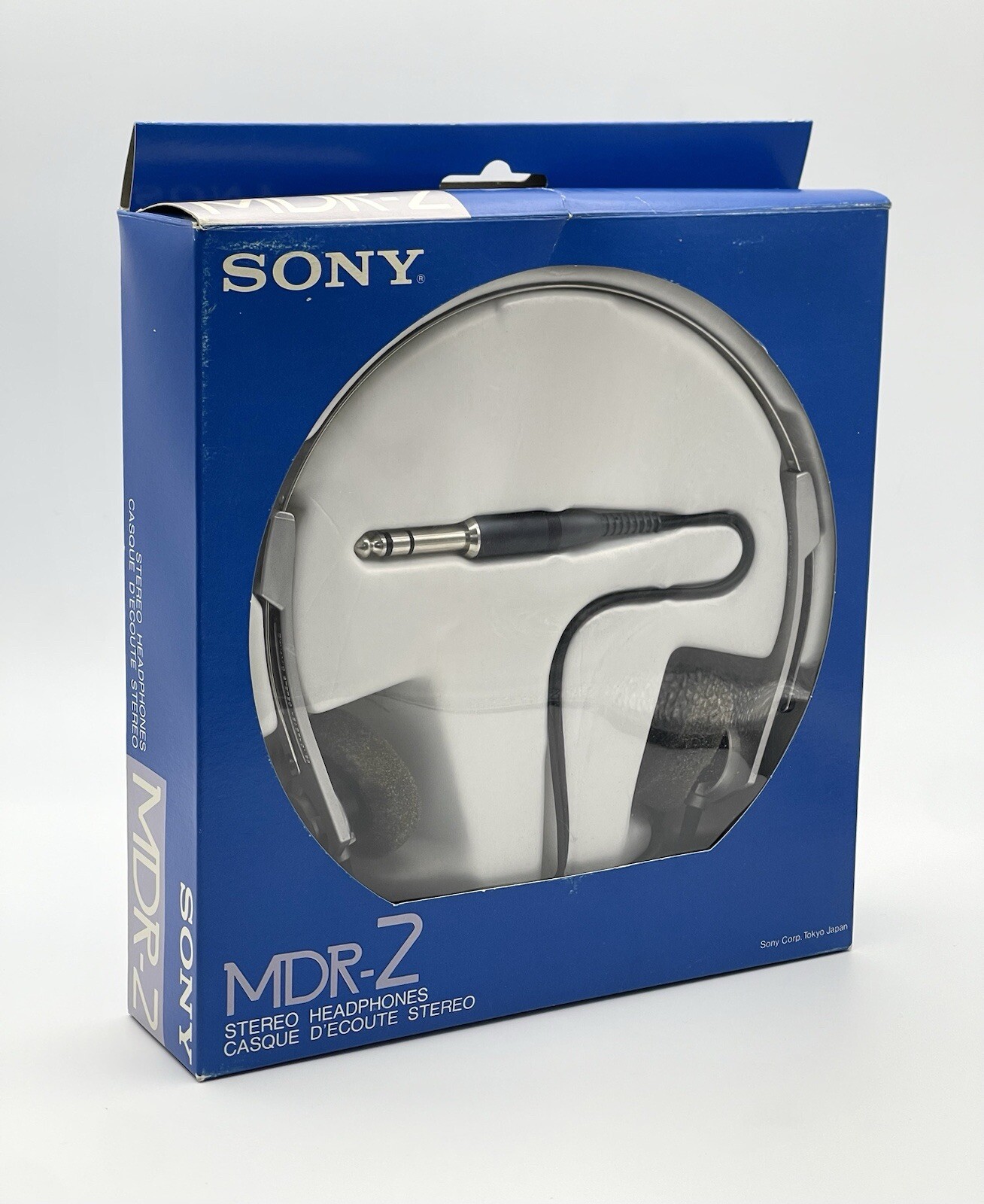
The Sony MDR-8 is a classic example of early consumer headphone design from the 1980s. As part of Sony's growing portable audio lineup during a transformative era in personal electronics, the MDR-8 offered accessible sound quality and a comfortable fit for casual listening. These open-back, dynamic-driver headphones reflect the engineering priorities of their time—lightweight construction, modest acoustic performance, and compatibility with the portable cassette players and boom boxes that defined 1980s audio culture.
Despite their age, the MDR-8 remains a nostalgic favorite among vintage audio enthusiasts and collectors interested in the evolution of headphone technology.
Specifications
| Feature | Specification |
| Model | MDR-8 |
| Brand | Sony |
| Year of Release | 1980 |
| Category | Open-back Headphones |
| Driver Type | Dynamic |
| Impedance | 50 ohms |
| Sensitivity | Unknown |
| Frequency Response | Not specified |
| Connector | 3.5mm plug |
| Cable Length | Unknown (typically ~1.2–2m) |
| Earpad Material | Foam with fabric covering |
| Headband | Adjustable with padded cushion |
| Weight | Lightweight (approx. 120g) |
| Power Requirements | Passive (no power needed) |
Sound Signature
The MDR-8 delivers a generally neutral sound profile with a slight emphasis in the midrange, making vocals and acoustic instruments sound clear and present. Bass response is modest and typical of vintage open-back designs—loose and non-boosted, with limited sub-bass extension. The open-back design provides a sense of spatial openness, though with minimal sound isolation. These headphones are best suited for quiet environments and casual listening rather than critical audio work or noisy settings.
Historical Context
The Sony MDR-8 emerged during a pivotal period in consumer audio history—the rise of personal portable music. As Sony revolutionized how people listened to music with the Walkman in 1979, the demand for lightweight, affordable headphones surged. The MDR-8 was part of this wave, designed to complement portable audio devices while offering better sound than basic earbuds of the era.
While not a flagship model, the MDR-8 exemplifies the transitional design language of the early 1980s: simple materials, functional ergonomics, and an emphasis on portability. It predates the high-fidelity focus and advanced materials seen in later decades, making it a representative artifact of early mass-market headphone development.
Common Issues and Maintenance
Due to their age, most MDR-8 units in circulation today show signs of wear. Proper maintenance can extend their usability and preserve their vintage appeal.
Common Issues:
- Foam earpad deterioration: The original foam earpads often crumble over time due to oxidation.
- Headband padding degradation: The cushioning on the headband may split or compress permanently.
- Cable wear or breakage: The thin cable is prone to fraying, especially near the plug or earcup connections.
- Driver aging: Some units may exhibit imbalanced output or reduced clarity due to aged drivers.
Maintenance Tips:
- Replace foam pads: Use modern replacement earpads with similar open-cell foam for improved comfort and sound.
- Cable inspection: Check for internal wire breaks; consider replacing the cable with a higher-quality aftermarket version.
- Clean gently: Use a soft cloth and mild cleaner for the plastic housing; avoid moisture near drivers.
- Storage: Store in a cool, dry place away from direct sunlight to prevent further material degradation.
Collectibility and Market Value
The Sony MDR-8 is a moderately collectible vintage headphone with a collectibility rating of 3/10. While not rare or highly sought-after, it holds niche interest for Sony historians and 1980s audio collectors.
- Market Value: $20–$50 USD, depending on condition and completeness (original cable, earpads, packaging).
- Restoration Potential: Moderate. Refurbished units with new cables and pads can offer enjoyable vintage listening experiences.
Though overshadowed by more iconic Sony models like the MDR-V6 or MDR-CD, the MDR-8 remains a quiet testament to the early days of personal audio—a simple, functional design that brought music to ears during the analog heyday.
eBay Listings

As an eBay Partner, we earn from qualifying purchases. This helps support our independent vintage technology research.
Related Models
- Sony MDR-4 (1978)
- Sony MDR-80 (1975)
- Sony MDR-A60 (1975)
- Sony MDR-1 (2012)
- Sony MDR-10 (2013)
- Heathkit AA-2010 (1975)
- Accuphase DG-28
- Accuphase G-18
- Altec 804A
- Alpine 3402