Sony MDR-7 Headphones
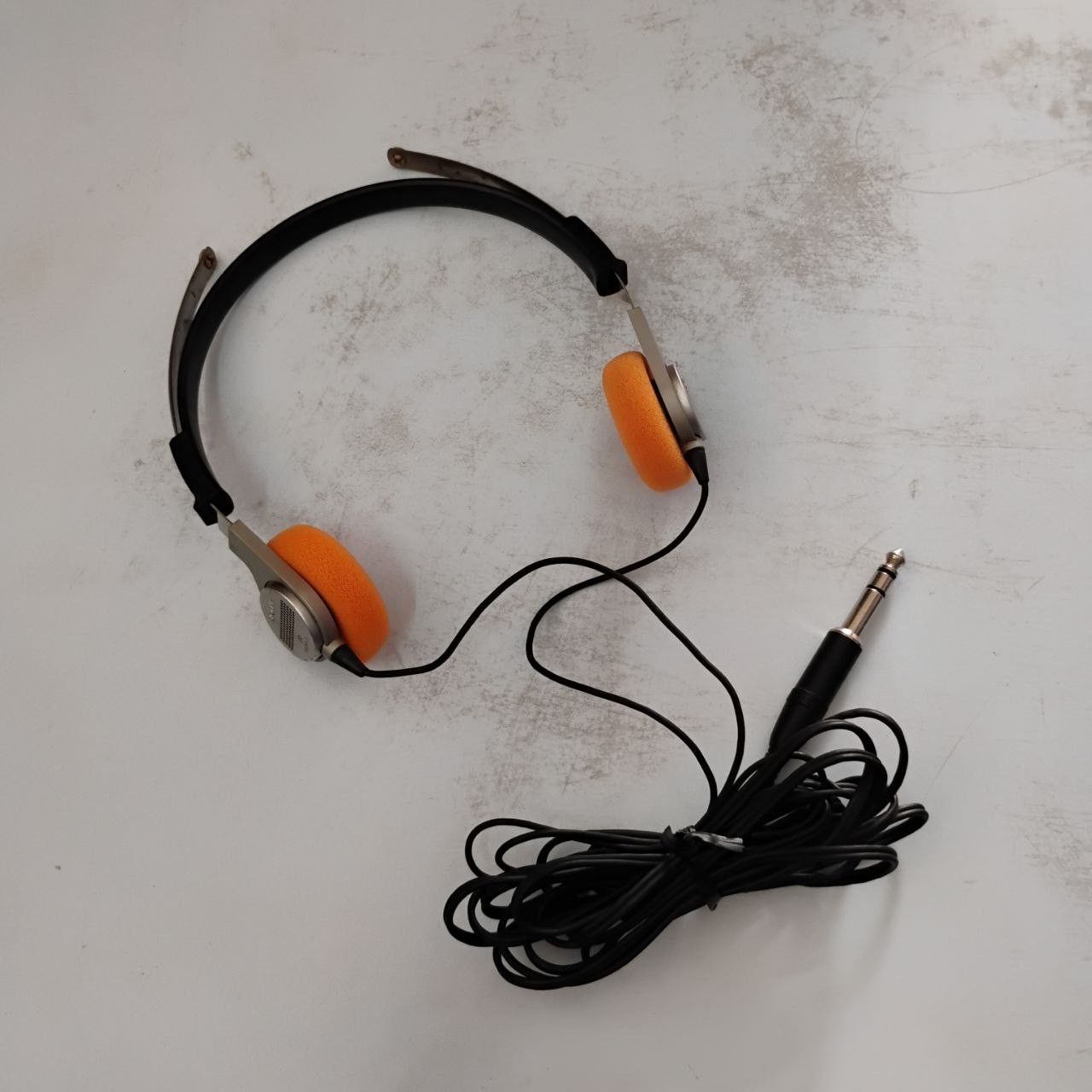
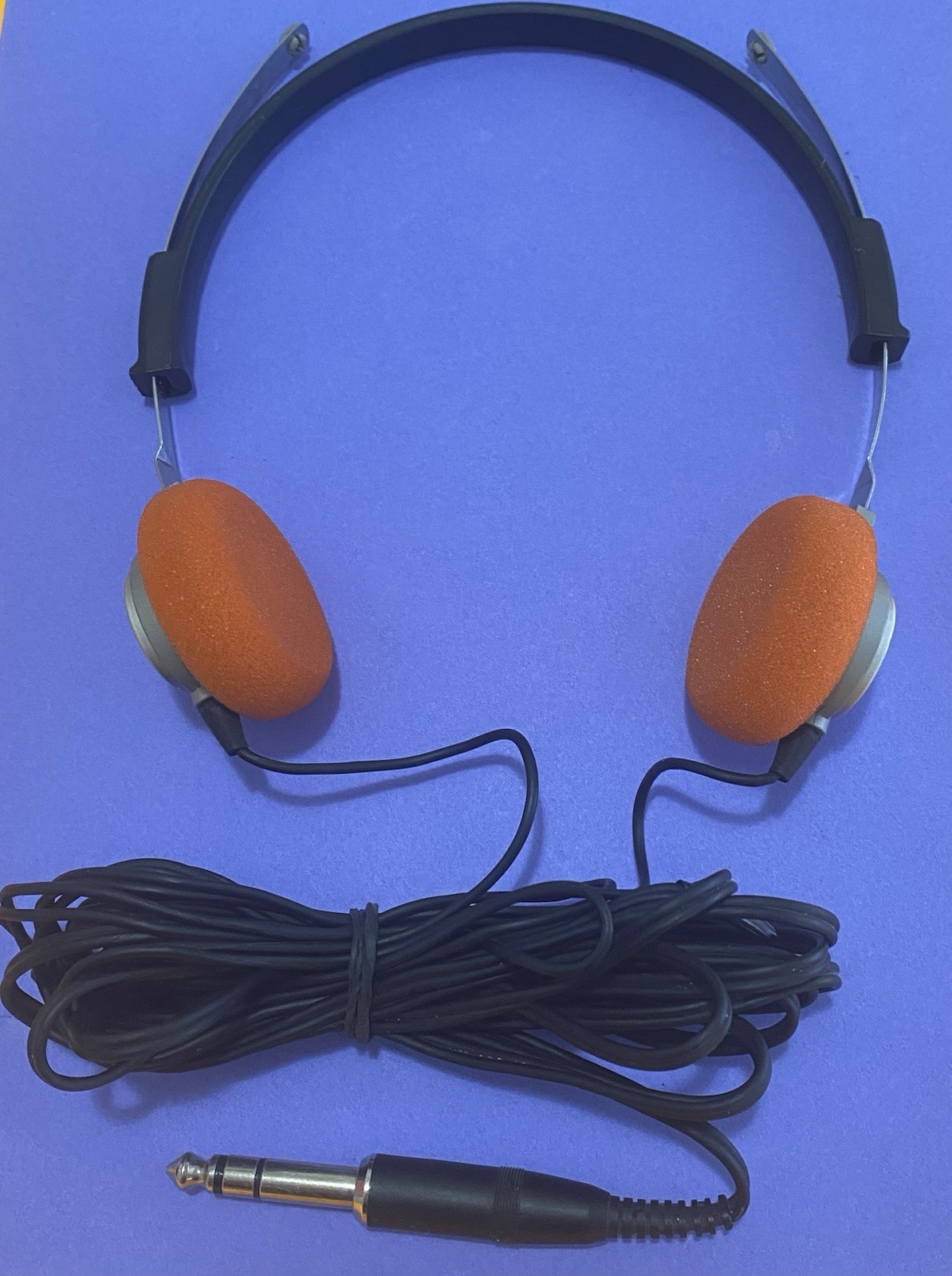
The Sony MDR-7, introduced in the late 1970s, stands as a significant milestone in Sony's journey into high-fidelity personal audio. As one of the company's earliest audiophile-grade headphones, the MDR-7 helped lay the foundation for Sony’s reputation in the professional and consumer audio markets. With its open-back design, dynamic drivers, and comfortable fit, the MDR-7 offered a listening experience that was ahead of its time and served as a direct predecessor to legendary models like the MDR-V6.
Despite being over four decades old, the MDR-7 remains a sought-after model among vintage audio enthusiasts for its natural sound signature and historical importance.
Specifications
| Feature | Specification |
| Model | MDR-7 |
| Brand | Sony |
| Year of Release | 1975 (production into early 1980s) |
| Category | Open-back dynamic headphones |
| Impedance | 45 ohms |
| Sensitivity | Unknown |
| Driver Type | Dynamic |
| Frequency Response | Not officially documented |
| Connector | 3.5mm plug with 6.35mm adapter |
| Cable Length | Approximately 2 meters (straight) |
| Weight | Lightweight (exact weight varies) |
| Earpad Material | Foam with fabric covering |
| Headband | Adjustable with padded cushion |
| Design | Open-back, over-ear |
Sound Signature
The MDR-7 delivers a balanced and slightly warm sound profile, characteristic of high-quality analog-era headphones. The open-back design contributes to a spacious and natural soundstage, making it ideal for critical listening in quiet environments. Mids are clear and well-articulated, while the bass, though modest by modern standards, was considered robust and accurate for its time.
Due to the open-back construction, external noise isolation is minimal, and sound leakage occurs—making the MDR-7 unsuitable for noisy environments or public use. However, this design enhances audio transparency and realism, appealing to purists and collectors who value vintage analog character.
Historical Significance
The Sony MDR-7 emerged during a transformative period in personal audio. As portable music devices began gaining popularity, Sony positioned itself at the forefront of headphone innovation. The MDR-7 was among the first models to combine studio-grade sound quality with consumer-friendly ergonomics.
It played a crucial role in establishing Sony as a serious player in the high-fidelity market and directly influenced the development of later workhorse models such as the MDR-V6 and MDR-7506. Its design language—simple, functional, and durable—became a blueprint for decades of professional headphones.
Though overshadowed by its successors, the MDR-7 holds a special place in audio history as a pioneering model that helped define what personal listening could be.
Common Issues and Maintenance
Like many vintage electronics, the Sony MDR-7 is prone to age-related wear. However, with proper care and restoration, these headphones can remain functional and enjoyable.
Common Issues:
- Foam Earpad Deterioration: The original foam earpads often crumble over time due to oxidation. Replacement with modern aftermarket pads is common and highly recommended.
- Headband Padding Wear: The cushioning on the headband may degrade or become loose. Refurbishment kits are available to restore comfort.
- Cable Brittleness: The original cable can become stiff or break at stress points. Some users replace it with a higher-quality, detachable cable.
- Driver Aging: While rare, drivers may develop imbalances or reduced output after decades of use.
Maintenance Tips:
- Store in a cool, dry place away from direct sunlight to slow foam degradation.
- Avoid prolonged exposure to moisture or extreme temperatures.
- Use isopropyl alcohol and a soft cloth to gently clean plastic and metal components.
- Consider replacing the cable and earpads if restoring for regular use.
- Pair with a headphone amplifier or modern audio interface for optimal performance.
Collectibility and Market Value
The Sony MDR-7 holds a collectibility rating of 7/10. Its status as an early high-fidelity model from Sony, combined with its connection to later iconic designs, makes it desirable among vintage audio collectors.
In the current market (as of 2024), working units in good condition typically sell for $50–$150, depending on completeness (presence of original case, adapter, and documentation) and cosmetic state. Fully restored models with upgraded pads and cables may command higher prices from enthusiasts.
While not as ubiquitous as the MDR-V6, the MDR-7 is increasingly recognized for its historical value and sonic charm, making it a worthwhile addition to any vintage audio collection.
Conclusion
The Sony MDR-7 represents a pivotal moment in the evolution of personal audio. As one of Sony’s first serious forays into high-fidelity headphones, it combined thoughtful engineering with user comfort and natural sound reproduction. Though aging, the MDR-7 remains a testament to analog-era craftsmanship and continues to be appreciated by audiophiles and collectors alike.
For those exploring vintage headphones, the MDR-7 offers both historical significance and a genuine window into the roots of modern listening experiences.
eBay Listings


As an eBay Partner, we earn from qualifying purchases. This helps support our independent vintage technology research.
Related Models
- Sony MDR-4 (1978)
- Sony MDR-80 (1975)
- Sony MDR-A60 (1975)
- Sony MDR-1 (2012)
- Sony MDR-10 (2013)
- Heathkit AA-2010 (1975)
- Accuphase DG-28
- Accuphase G-18
- Altec 804A
- Alpine 3402