Sony MDR-62
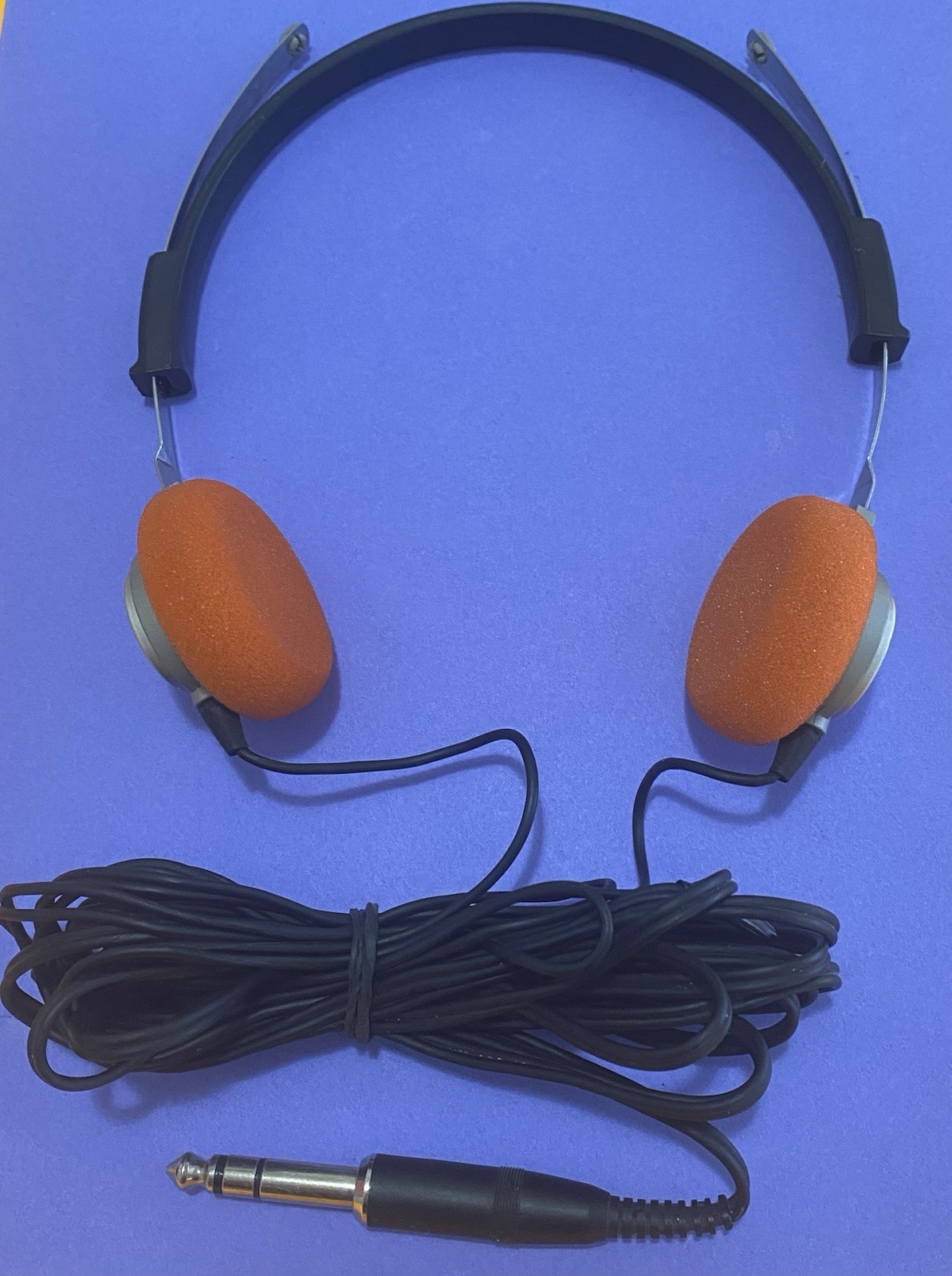
The Sony MDR-62 is a lightweight, open-back headphone model released in the early 1990s as part of Sony's popular and affordable MDR (Miniature Dynamic Receiver) lineup. Designed primarily for use with portable audio devices such as personal stereos, Walkmans, and early portable CD players, the MDR-62 offered high sensitivity and low impedance, making it an ideal match for battery-powered electronics with limited output power.
Despite its modest price point, the MDR-62 delivered a clear and energetic sound signature that resonated with casual listeners and audiophiles alike during its era. Its open-back design provided a sense of spatial openness uncommon in similarly priced portable headphones, contributing to its popularity among users seeking a more natural listening experience.
Specifications
| Feature | Specification |
| Year of Release | Early 1990s |
| Driver Size | 30mm |
| Driver Type | Dynamic, open-back |
| Impedance | 24 ohms |
| Sensitivity | 108 dB/mW |
| Frequency Response | 12 Hz – 22 kHz |
| Magnet Type | Neodymium |
| Earpad Material | Foam with fabric cover |
| Headband | Adjustable plastic with padding |
| Cable | 1.5m straight, non-detachable |
| Connector | 3.5mm stereo mini-plug |
| Weight | Approximately 90g (without cable) |
| Design | On-ear, open-back |
Sound Signature
The MDR-62 features a bright and forward sound profile typical of open-back portable headphones from the 1990s. Its treble is emphasized, providing clarity and detail, while the midrange is slightly forward, enhancing vocal presence. Bass response is light and fast, lacking deep extension but avoiding bloat—ideal for genres like pop, rock, and acoustic music.
Due to its open-back design, the headphones offer minimal sound isolation and noticeable sound leakage, making them best suited for quiet indoor environments rather than public or noisy settings.
Historical Context
The MDR-62 was part of a broader wave of compact, high-efficiency headphones developed to complement the rise of portable digital audio, particularly Sony's own line of CD players like the D-50 and later Discman series. Its 24-ohm impedance and 108 dB/mW sensitivity allowed it to achieve high volume levels even from low-powered devices, a critical advantage in the pre-amplified headphone era.
While not positioned as a high-end model, the MDR-62 stood out for its open-back design at a time when most budget headphones were closed-back. This design choice gave it a more spacious and natural sound compared to contemporaries, earning it a loyal following among users who valued sonic openness over isolation.
Sony leveraged advancements in neodymium magnet technology to keep the earcups small and lightweight without sacrificing driver efficiency—making the MDR-62 both comfortable for extended use and highly portable.
Maintenance and Tips
Like many vintage headphones from the 1990s, the Sony MDR-62 is prone to age-related wear. However, with proper care and minor restoration, these headphones can remain functional and enjoyable.
Common Issues and Solutions
- Degraded Foam Earpads: The original foam earpads often disintegrate over time due to oxidation. Replacement pads are available from third-party vendors or can be crafted using aftermarket memory foam or velour pads designed for similar Sony models.
- Brittle or Damaged Cable: The non-detachable 1.5m straight cable is a common failure point. If the cable develops a short, it can be replaced by carefully disassembling the earcup and soldering a new cable. Some users opt for a coiled or detachable cable upgrade for improved convenience.
- Compressed Headband Padding: The thin foam padding on the headband may lose resilience. While not critical to function, replacing it improves comfort. DIY solutions using adhesive foam strips are effective.
- Loose Earcup Swivels: The plastic hinges may become loose over time. Tightening with a small drop of plastic-safe adhesive can restore stability without restricting movement.
Restoration Tips
- Clean the plastic housing with isopropyl alcohol and a soft cloth to remove grime and oxidation.
- Store in a cool, dry place away from direct sunlight to prevent further plastic aging.
- Consider using a headphone amplifier or DAC with modern portable devices for optimal performance, even though the MDR-62 is easy to drive.
Collectibility and Market Value
The Sony MDR-62 is not considered a rare or highly collectible model, earning a collectibility rating of 3 out of 10. However, it holds nostalgic value for enthusiasts of 1990s portable audio and Sony's design heritage.
In the current used market, working pairs typically sell for $20–$40 USD, depending on condition, completeness, and whether they include original packaging or accessories. Fully restored units with replaced earpads and upgraded cables may command slightly higher prices among vintage audio hobbyists.
While not a flagship model, the MDR-62 remains a charming example of Sony's engineering philosophy during the golden age of portable audio—a time when innovation and accessibility went hand in hand.
eBay Listings


As an eBay Partner, we earn from qualifying purchases. This helps support our independent vintage technology research.
Related Models
- Sony MDR-4 (1978)
- Sony MDR-80 (1975)
- Sony MDR-A60 (1975)
- Sony MDR-1 (2012)
- Sony MDR-10 (2013)
- Heathkit AA-2010 (1975)
- Accuphase DG-28
- Accuphase G-18
- Altec 804A
- Alpine 3402