Sony MDR-60
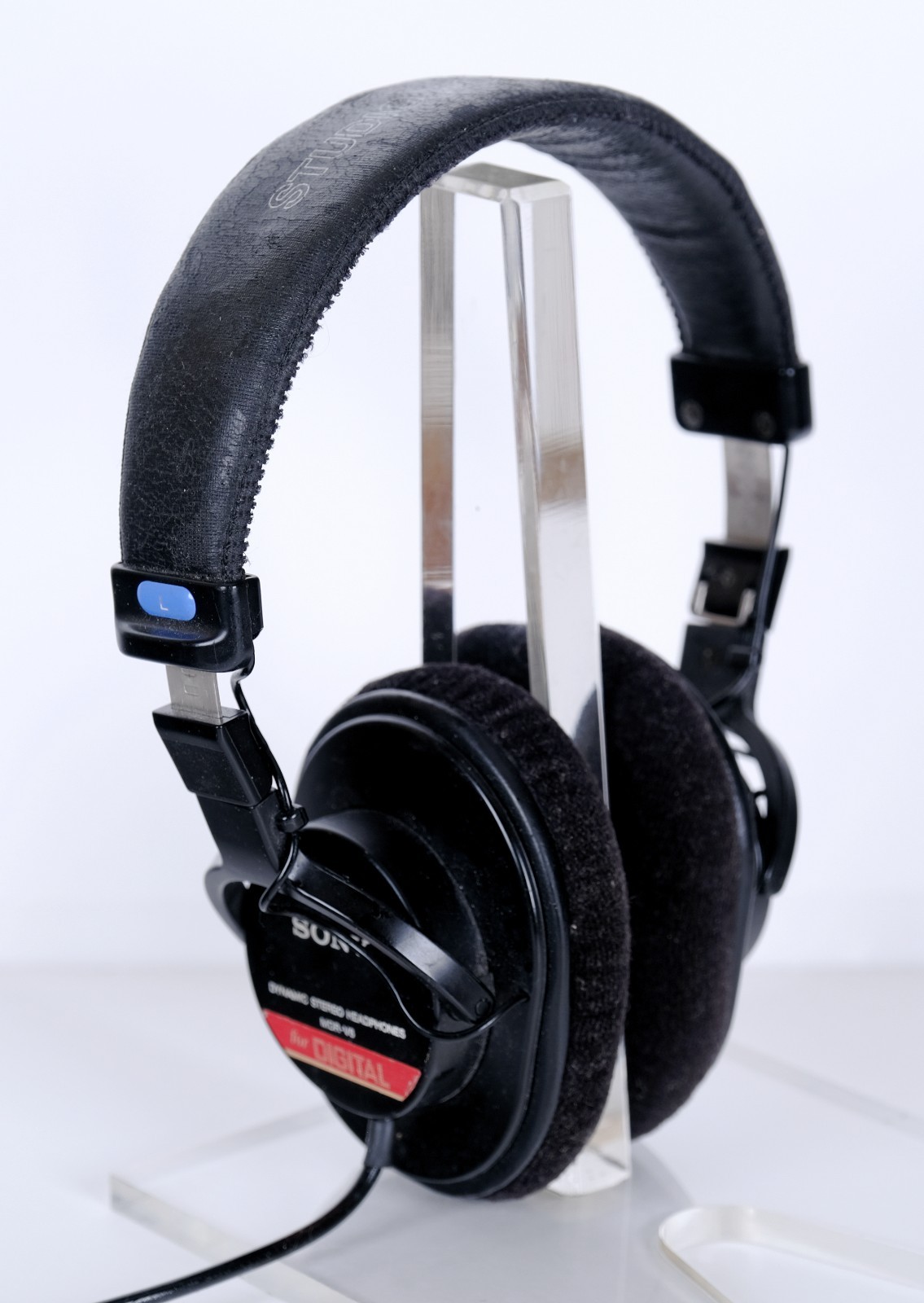
The Sony MDR-60 is a lightweight, on-ear headphone model released in the mid-1990s as part of Sony's broad consumer audio lineup. Designed for casual listening and portability, the MDR-60 offered an accessible entry point into personal audio for everyday users. While not a flagship or technically groundbreaking product, it exemplifies the design and engineering priorities of mass-market headphones during that era—compact form, affordability, and durability for daily use.
Specifications
| Feature | Specification |
| Model | MDR-60 |
| Brand | Sony |
| Year of Release | Circa 1995 |
| Type | Passive, dynamic, on-ear |
| Driver Size | 30mm |
| Impedance | Unknown |
| Sensitivity | Unknown |
| Frequency Response | Not officially documented |
| Cable | Fixed, straight cable (~1.2m) |
| Connector | 3.5mm stereo (no gold plating) |
| Weight | Approx. 90g (without cable) |
| Design | Foldable, lightweight plastic |
| Accessories | Cloth carrying pouch included |
Design and Features
The MDR-60 features a minimalist, lightweight plastic construction with a foldable yoke design that enhances portability—ideal for use with portable cassette players, CD Walkmans, and early MP3 players. The 30mm drivers are housed in compact earcups that sit directly on the ears, providing moderate sound isolation without full enclosure.
The headphones come with a soft fabric carrying pouch, underscoring their role as travel-friendly audio gear. The headband is padded with a thin foam cushion and covered in synthetic leather, while the earpads are made of soft foam with a vinyl covering—common materials for consumer headphones of the time.
Sound Signature
The MDR-60 delivers a consumer-oriented sound profile typical of 1990s portable headphones: balanced mids and highs with a slightly emphasized bass response. This tuning was designed to appeal to casual listeners, particularly those enjoying pop, rock, and electronic music on the go. While lacking the detail and soundstage of higher-end models, the MDR-60 provides a pleasant and engaging listening experience for its class.
Historical Context
Released during a period of rapid growth in personal audio, the MDR-60 was part of Sony’s strategy to offer a range of headphones at various price points. While models like the MDR-V6 or MDR-CD010 targeted professionals or audiophiles, the MDR-60 served the mass market—students, commuters, and Walkman users seeking reliable, affordable sound.
Though not innovative or widely advertised, the MDR-60 became a common sight in the late 1990s and early 2000s, often bundled with portable devices or sold separately in electronics retailers. Its simple design and low cost made it a staple of budget-conscious consumers before the rise of in-ear monitors and wireless headphones.
Common Issues and Maintenance
Due to their age, used MDR-60 units often exhibit signs of wear. Common issues include:
- Earpad deterioration: The vinyl covering tends to crack or peel over time, especially if exposed to sunlight or dry environments.
- Headband cracking: The plastic headband can become brittle and develop stress fractures, particularly at the pivot points.
- Cable damage: The fixed cable is prone to fraying near the plug or earcup due to repeated bending.
- Loose earcup swivel: The folding mechanism may loosen with extended use.
Maintenance Tips
- Replace earpads: Aftermarket or custom-cut foam pads can restore comfort and improve sound seal.
- Cable repair: If the cable fails, it can be replaced with a standard 3.5mm headphone cable, though soldering is required.
- Storage: Keep the headphones in their pouch and avoid extreme temperatures to prolong material life.
- Cleaning: Use a mild soap solution and soft cloth to clean earpads and headband; avoid alcohol-based cleaners.
Collectibility and Market Value
The Sony MDR-60 is not considered a collectible model, earning a collectibility rating of 2/10. It lacks technical innovation, historical significance, or cult following. However, it holds nostalgic value for some who used it during the Walkman era.
In the current secondhand market, working units in good condition typically sell for $10–$30, depending on cosmetic state and included accessories. Units with original packaging or unused earpads may command slightly higher prices among vintage audio enthusiasts.
Conclusion
The Sony MDR-60 represents the essence of 1990s consumer headphone design—functional, portable, and affordable. While overshadowed by more iconic Sony models, it remains a quiet testament to the democratization of personal audio. For collectors of vintage gear or those seeking a retro listening experience, the MDR-60 offers a simple, nostalgic journey back to the analog roots of mobile music.
eBay Listings



As an eBay Partner, we earn from qualifying purchases. This helps support our independent vintage technology research.
Related Models
- Sony MDR-4 (1978)
- Sony MDR-80 (1975)
- Sony MDR-A60 (1975)
- Sony MDR-1 (2012)
- Sony MDR-10 (2013)
- Heathkit AA-2010 (1975)
- Accuphase DG-28
- Accuphase G-18
- Altec 804A
- Alpine 3402