Sony MDR-6 (1982) – Lightweight Open-Back Headphones
The Sony MDR-6, introduced in 1982, is a classic example of early portable open-back headphones designed to complement the rise of personal audio devices like the Sony Walkman. Known for their comfort, affordability, and balanced sound signature, the MDR-6 became a popular choice among casual listeners during the 1980s. Though not as widely celebrated as some of Sony's later models, the MDR-6 holds a quiet significance in the evolution of consumer headphone design.
Specifications
| Feature | Specification |
| Year of Production | 1982–1984 |
| Impedance | 45 ohms |
| Sensitivity | 100 dB/mW |
| Driver Size | 30mm |
| Driver Type | Dynamic, open-back |
| Earpad Material | Foam (prone to degradation) |
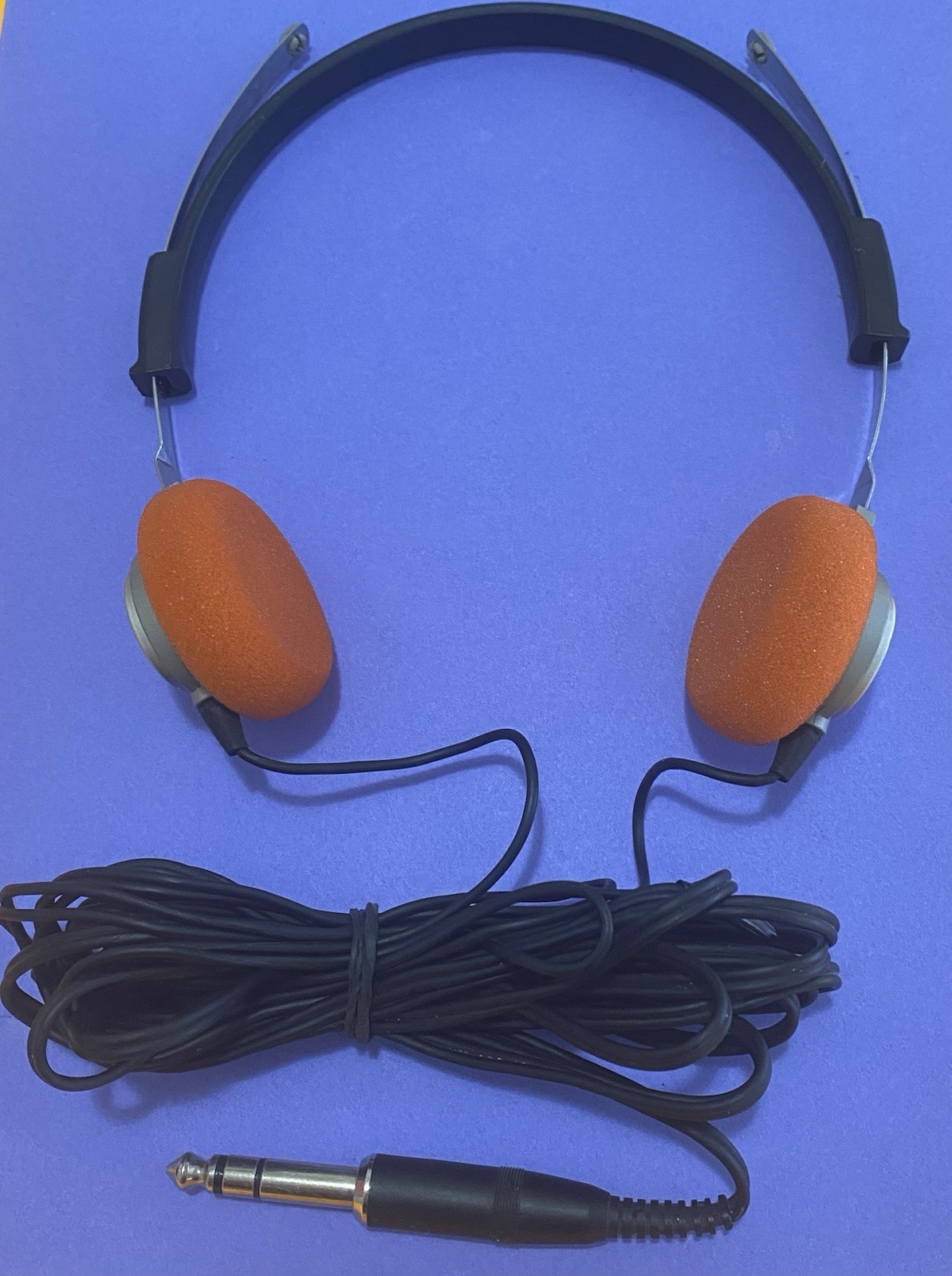
| Headband | Padded plastic with fabric cover |
| Cable | Coiled cable with 3.5mm plug |
| Adapter | 6.35mm (1/4") adapter included |
| Weight | Lightweight (approx. 120g) |
| Foldable | No |
| Detachable Cable | No |
Sound Signature
The MDR-6 delivers a balanced and natural listening experience typical of vintage open-back dynamic headphones. The sound profile features:
- Bass: Mild roll-off, not emphasized; accurate but not powerful
- Mids: Clear and present, ideal for vocals and acoustic instruments
- Treble: Smooth and non-fatiguing, with moderate extension
This makes the MDR-6 well-suited for casual listening, especially with analog sources like cassette tapes and FM radio, where a neutral yet pleasant tonal balance enhances the listening experience.
Historical Context
Launched at the height of the Walkman era, the Sony MDR-6 was engineered to provide an open, airy sound in a portable form factor—a rarity at the time. While most portable headphones of the early 1980s were closed-back and often bass-heavy, the MDR-6 stood out with its open-back design, which improved soundstage and reduced the "boxed-in" effect.
Though not marketed as high-fidelity, the MDR-6 offered exceptional value for its price point. It helped democratize access to open-back sound, paving the way for future Sony models like the MDR-V6 and MDR-7506. Its lightweight build and comfortable fit made it a favorite for extended listening sessions, particularly among students and commuters.
Common Issues and Maintenance Tips
Due to their age, surviving MDR-6 units often require restoration. Here are common issues and how to address them:
Common Problems:
- Degraded Foam Earpads: The original foam tends to crumble over time. Replacement with modern velour or memory foam pads greatly improves comfort and sound.
- Headband Padding Deterioration: The padded headband can crack or disintegrate. Aftermarket replacements or DIY padding with soft fabric can restore comfort.
- Cable Fatigue: The coiled cable is prone to internal wire breakage. Consider replacing with a durable aftermarket cable or converting to a straight cable for daily use.
- Plastic Brittleness: Prolonged UV exposure or poor storage can make the plastic housing fragile. Handle with care and avoid extreme temperatures.
Maintenance Tips:
- Store in a cool, dry place away from direct sunlight.
- Clean earpad areas gently with isopropyl alcohol and a soft cloth.
- Use the 6.35mm adapter sparingly to avoid jack damage.
- Consider modding with modern cables and pads for improved longevity and performance.
Collectibility and Market Value
The Sony MDR-6 is a niche collectible with a collectibility rating of 5/10. While not as sought-after as professional studio models, it appeals to vintage audio enthusiasts and Walkman collectors. Units in excellent condition with original accessories (like the adapter and case) command higher prices.
- Market Value: $30–$80 USD depending on condition
- Restoration Potential: High—easy to upgrade and maintain with common parts
- Rarity: Moderate; available on secondary markets like eBay and audio forums
Final Thoughts
The Sony MDR-6 may not be a flagship model in Sony’s storied headphone lineup, but it represents an important step in the evolution of portable audio. Its open-back design, comfort, and clarity made it a standout in its era. For collectors and vintage audio lovers, the MDR-6 offers a nostalgic and authentic listening experience—especially when restored to its former glory.
eBay Listings
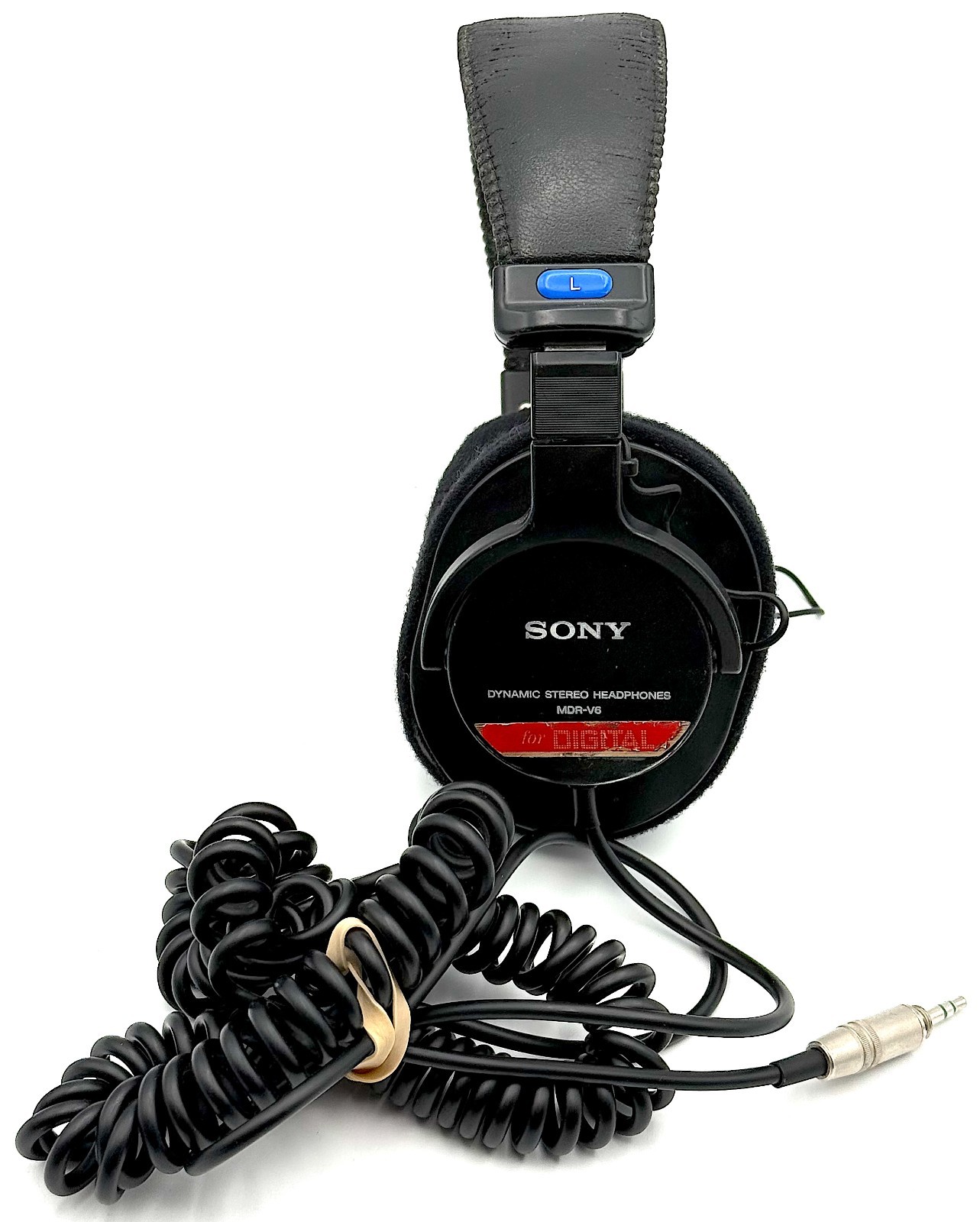
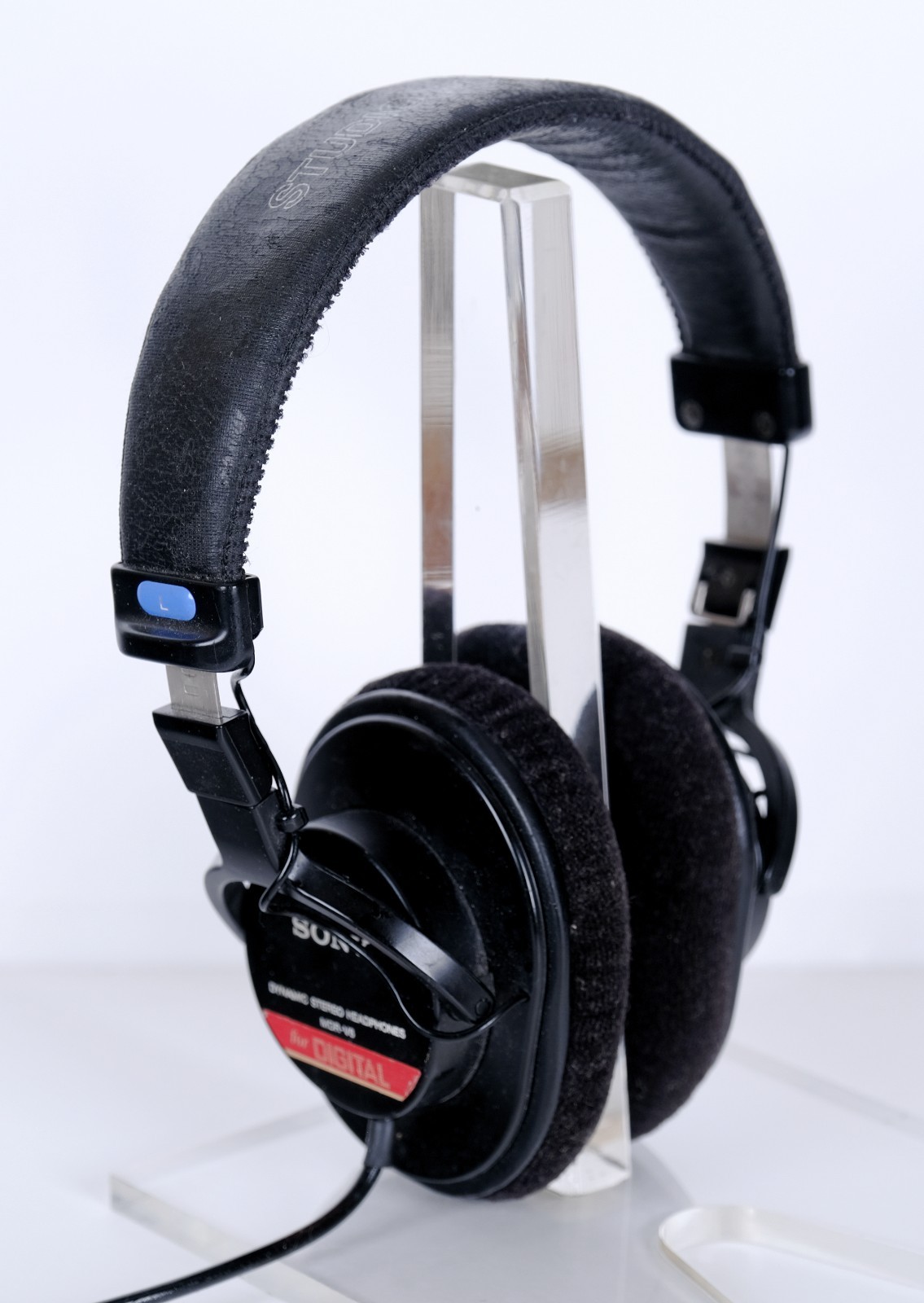

As an eBay Partner, we earn from qualifying purchases. This helps support our independent vintage technology research.
Related Models
- Sony MDR-4 (1978)
- Sony MDR-80 (1975)
- Sony MDR-A60 (1975)
- Sony MDR-1 (2012)
- Sony MDR-10 (2013)
- Heathkit AA-2010 (1975)
- Accuphase DG-28
- Accuphase G-18
- Altec 804A
- Alpine 3402