Sony MDR-3 Lightweight Open-Back Headphones (1982)
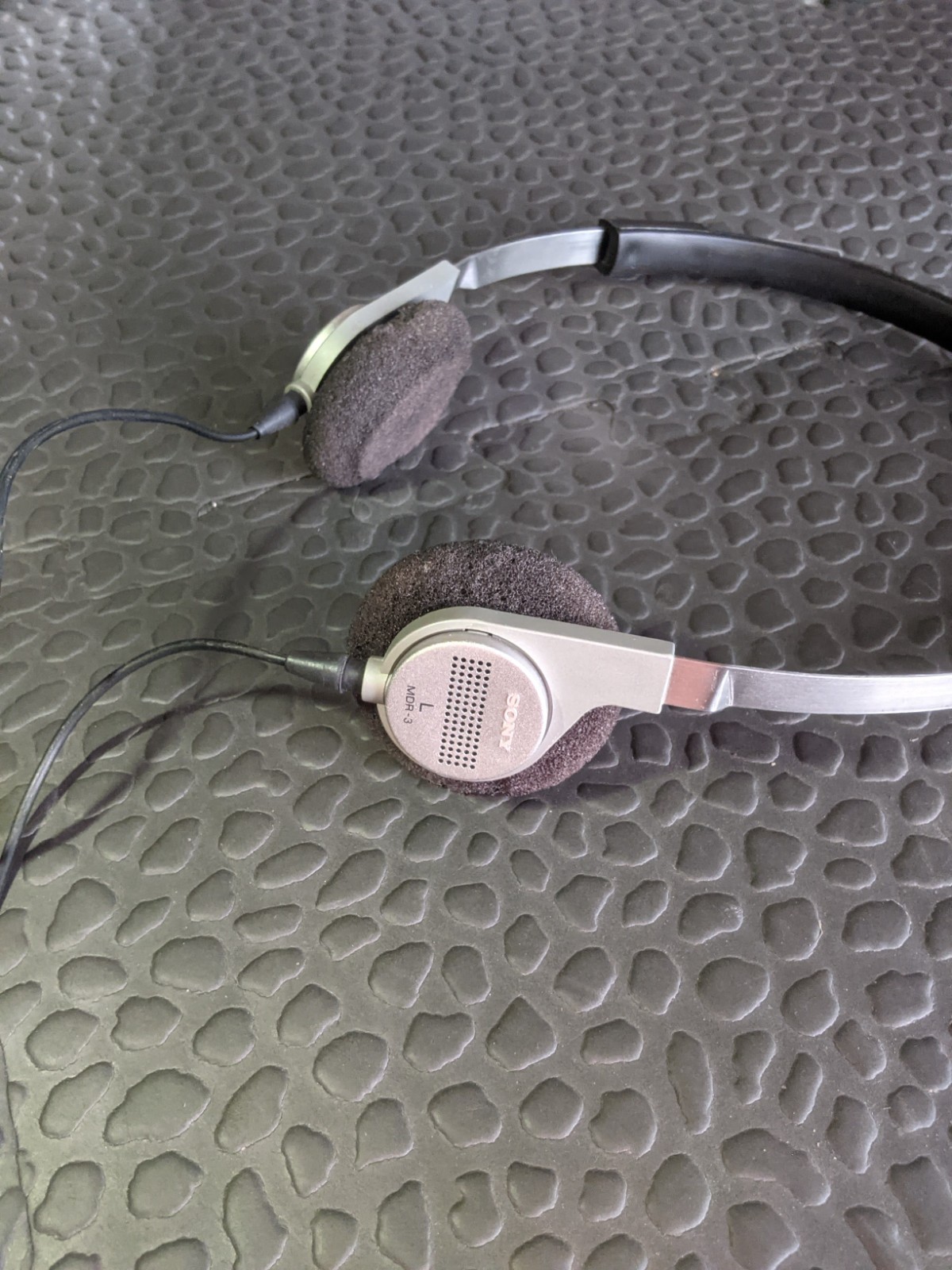
The Sony MDR-3, released in 1982, holds a special place in audio history as the company's first lightweight open-back headphone design. At a time when personal audio was just beginning to take off with the rise of portable cassette players like the Walkman, the MDR-3 offered an unprecedented level of comfort and sonic openness. These headphones became a favorite among early adopters of mobile listening and helped shape expectations for headphone comfort and clarity in the early 1980s.
Despite their modest build and aging components, the MDR-3 remains a sought-after model among vintage audio enthusiasts for its historical significance and distinctive sound character.
Specifications
| Feature | Specification |
| Year of Production | 1982–1984 |
| Impedance | 8 ohms |
| Sensitivity | 100 dB/mW |
| Driver Type | Dynamic, open-back |
| Frequency Response | Not officially documented |
| Earpad Material | Foam (prone to deterioration) |
| Headband | Adjustable with foam padding |
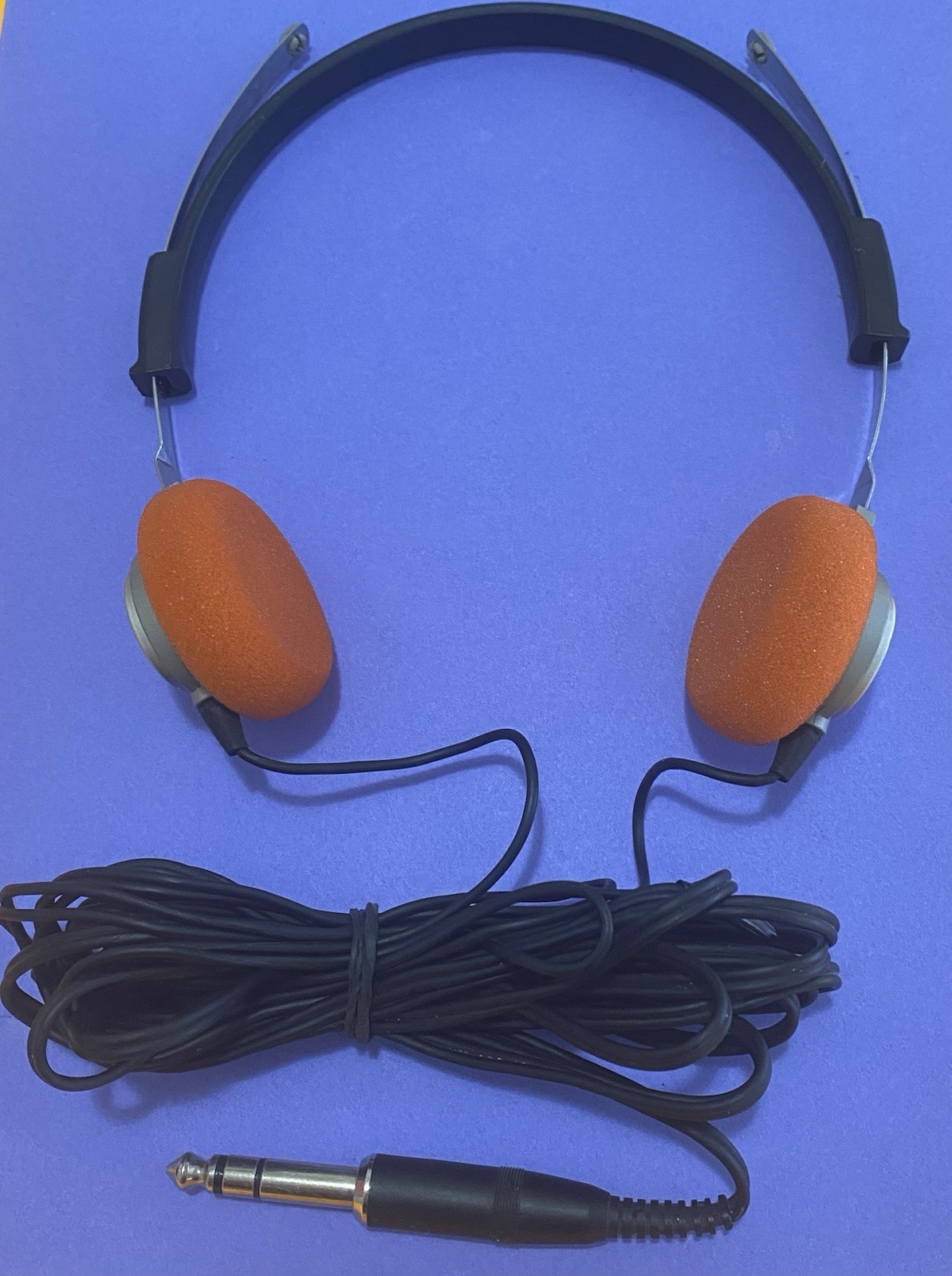
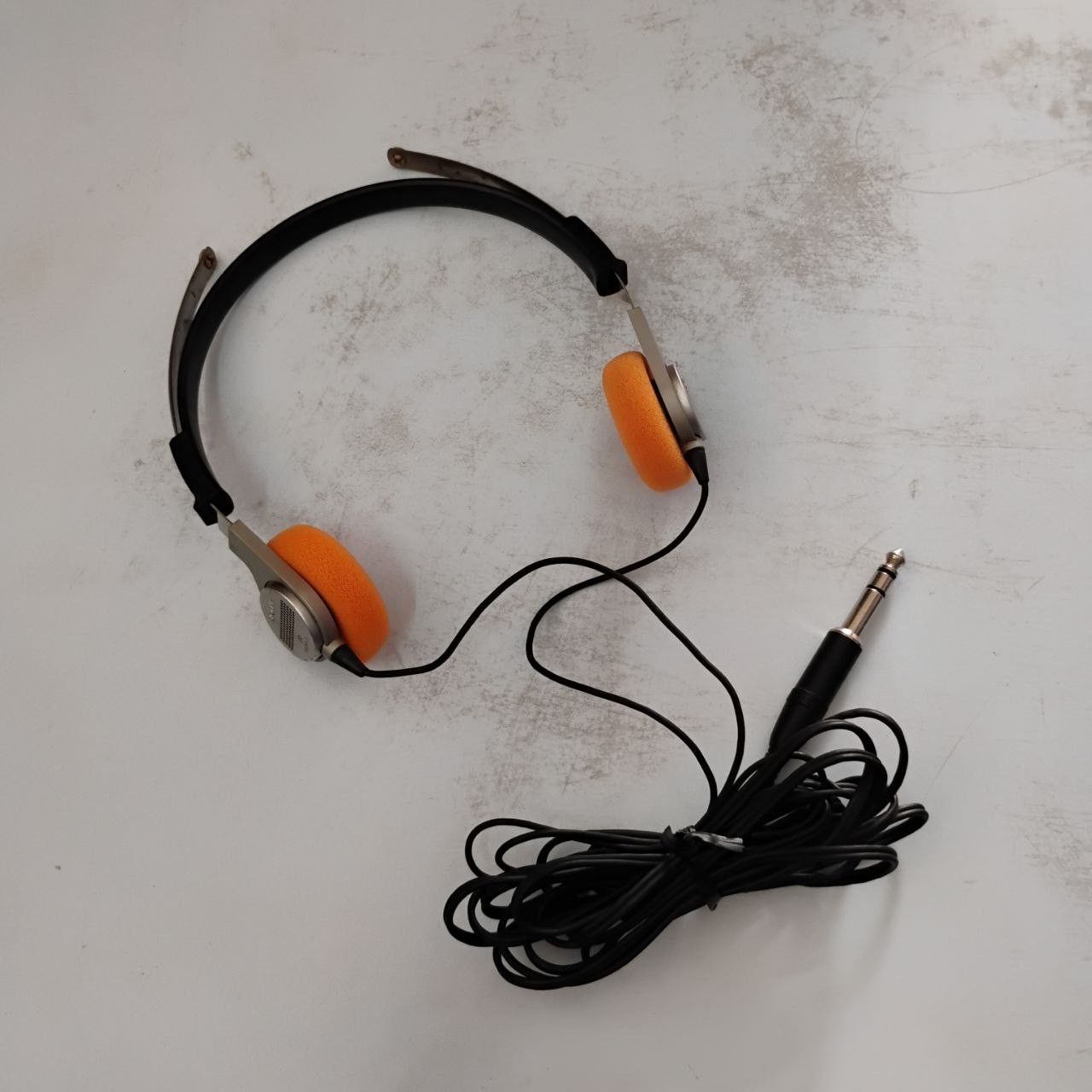
| Connector | 3.5mm plug with 6.3mm adapter included |
| Cable Length | Approximately 2 meters (straight) |
| Weight | ~120 grams (ultra-light for era) |
| Power Requirements | Passive (powered by audio source) |
Sound Signature
The MDR-3 delivers a bright and forward sound profile, emphasizing midrange and high frequencies with a sense of airiness typical of early open-back designs. Bass response is light and fast, lacking deep extension but remaining tight and non-boomy. This makes the MDR-3 well-suited for vocal-centric music, acoustic recordings, and early digital audio sources where clarity was prioritized over warmth.
Due to their low impedance (8 ohms) and high sensitivity (100 dB/mW), the MDR-3 performs exceptionally well with low-power portable devices—making them ideal companions for the Sony Walkman of the same era.
Historical Significance
The Sony MDR-3 was a trailblazer in the evolution of personal audio. As Sony’s first lightweight open-back headphone, it represented a shift from heavy, closed-back studio-style models to portable, breathable designs that prioritized comfort during extended listening sessions. Its release coincided with the growing popularity of personal stereo systems, and it played a key role in normalizing headphone use outside of professional environments.
The open-back design was relatively novel in consumer headphones at the time, offering a more natural soundstage compared to the enclosed models dominating the market. While not marketed as high-fidelity by today’s standards, the MDR-3 set the stage for future innovations in portable headphone acoustics.
Common Issues and Maintenance Tips
Like many vintage electronics, the MDR-3 is prone to age-related wear. However, with proper care and restoration, these headphones can still provide enjoyable listening experiences.
Common Issues:
- Foam Earpad Disintegration: The original foam earpads almost always degrade over time, turning into dust. Replacement is essential.
- Headband Padding Deterioration: The foam in the headband dries out and cracks; replacement padding improves comfort significantly.
- Cable Failure: The thin, non-replaceable cable is a weak point. Some users rewire the headphones with modern detachable cables.
- Driver Aging: While rare, drivers may develop imbalance or reduced output after decades of use.
Restoration Tips:
- Replace Earpads: Aftermarket foam or velour pads designed for vintage Sony models are available online.
- Clean Gently: Use isopropyl alcohol and cotton swabs to clean plastic parts; avoid moisture near driver housings.
- Store Properly: Keep in a dry, temperature-stable environment to prevent further foam degradation.
- Consider Rewiring: For improved durability, some enthusiasts re-cable the MDR-3 with modern shielded wire and a detachable connector.
Collectibility and Market Value
The Sony MDR-3 scores a 6/10 on the collectibility scale. While not as rare as some limited-edition models, its status as a Pioneer in lightweight open-back design gives it enduring appeal among audio historians and retro tech collectors.
- Market Value: $30–80 USD, depending on condition
- Complete Sets: Units with original case, 6.3mm adapter, and intact cable command higher prices
- Restored Models: Refurbished MDR-3s with new pads and cables often sell closer to the upper end of the range
Final Thoughts
The Sony MDR-3 may not deliver modern audiophile performance, but its historical importance and charming sonic character make it a worthwhile addition to any vintage audio collection. As a symbol of the dawn of portable personal listening, the MDR-3 helped lay the foundation for the headphone culture we enjoy today. Whether used for nostalgic listening or preserved as a collector’s item, the MDR-3 remains a milestone in Sony’s audio legacy.
eBay Listings

As an eBay Partner, we earn from qualifying purchases. This helps support our independent vintage technology research.
Related Models
- Sony MDR-4 (1978)
- Sony MDR-80 (1975)
- Sony MDR-A60 (1975)
- Sony MDR-1 (2012)
- Sony MDR-10 (2013)
- Heathkit AA-2010 (1975)
- Accuphase DG-28
- Accuphase G-18
- Altec 804A
- Alpine 3402