Sony MDR-10 Headphones
Step into 2013, when wired headphones still ruled the daily commute and pocketable audio gear had yet to go fully wireless—and you’ll find the Sony MDR-10 quietly holding its own. This on-ear, closed-back model wasn’t chasing headlines or breaking new ground. Instead, it delivered exactly what it promised: clean sound, lightweight comfort, and a no-fuss design built for real-world use. For everyday listeners who wanted dependable performance without diving into audiophile territory, the MDR-10 became a quiet favorite—one that still holds up today for those who appreciate thoughtful engineering over flash.
Specifications
| Feature | Specification |
| Model | MDR-10 |
| Brand | Sony |
| Year of Release | 2013 |
| Production Period | 2013–2014 |
| Type | On-ear, closed-back |
| Driver Size | 40mm dynamic drivers |
| Impedance | 24 ohms |
| Sensitivity | 103 dB/mW |
| Frequency Response | 12 Hz – 24 kHz |
| Cable | Oxygen-free copper, 1.2 m (3.9 ft), non-detachable |
| Connector | 3.5 mm gold-plated stereo mini plug |
| Earcups | Swiveling design, memory foam pads |
| Weight | Approx. 140 g (without cable) |
| Wearing Style | Headband, portable foldable design |
| Power Requirements | Passive (powered by audio source) |
Sound Signature
The MDR-10 serves up a balanced listen with a subtle bass lift—enough to give pop, rock, and electronic tracks some punch, but not so much that it drowns out the details. Mids are crisp and upfront, letting vocals and instruments cut through with clarity. Highs? Smooth, never shrill, even after hours of back-to-back listening. It’s the kind of sound that doesn’t demand attention but earns it over time.
With its closed-back design, the MDR-10 offers decent passive noise isolation—ideal for tuning out the hum of a subway or office chatter. No active noise cancellation here, but it doesn’t need it. This is straightforward, honest audio, built for enjoyment, not analysis.
Historical Context
The MDR-10 arrived at a tipping point—when smartphones were reshaping how we listened, but wireless freedom was still a few years from going mainstream. Sony, ever the pragmatist, doubled down on refining the wired experience. The result? A mid-tier workhorse aimed squarely at mobile users who wanted quality without complexity.
It wasn’t trying to beat Sennheiser or Audio-Technica in a lab test. Instead, it competed on comfort, portability, and build. The foldable headband, swiveling earcups, and memory foam pads weren’t revolutionary, but they were well-executed. Combined with a durable oxygen-free copper cable, these touches made the MDR-10 a go-to for students, commuters, and anyone who valued a headphone that could keep up with a busy day.
Production lasted just a year—2013 to 2014—and the model never gained a cult following. But it stands as a snapshot of Sony’s early-2010s strategy: deliver solid performance, smart ergonomics, and everyday durability at a price that made sense for the average buyer.
Common Issues and Reliability
The MDR-10 is well-built, but time and use do leave their mark:
- Earpad Degradation: The memory foam pads can crack or compress over time, especially in humid or hot environments. Third-party replacements are easy to find and install.
- Cable Durability: The non-detachable cable is the unit’s Achilles’ heel. Stress at the plug or earcup joint may lead to internal breaks. Gentle handling goes a long way.
- Swivel Mechanism Loosening: After months of folding and unfolding, the earcup hinges may develop play. Keeping folds deliberate and controlled helps preserve their snug fit.
Maintenance and Care Tips
Keep your MDR-10s sounding and feeling fresh with a few simple habits:
1. Clean Earpads Regularly: A soft, slightly damp cloth does the job—skip harsh cleaners that can dry out the foam.
2. Store Properly: Tuck them into a case or pouch. Dust and accidental drops are the silent killers of longevity.
3. Avoid Over-Flexing the Headband: These aren’t built for roughhousing. Gentle adjustments preserve the internal structure.
4. Use a Cable Protector: A silicone strain relief at both ends cushions stress points and can double the cable’s lifespan.
5. Replace Earpads Proactively: Swap them every 1–2 years, depending on use. It’s a small upgrade that brings back that like-new comfort.
Market Value and Collectibility
The MDR-10 isn’t a grail piece. With a collectibility rating of 3/10, it draws more interest from Sony loyalists and practical users than from hardcore headphone collectors.
That said, it’s far from irrelevant on the used market:
- Used Condition: $50–$100 USD, depending on cable integrity, earpad condition, and overall wear.
- New Old Stock (NOS): Rare, but sealed units can fetch up to $120 if verified authentic.
It’s not a financial investment, but for under a hundred bucks, you’re getting a piece of Sony’s modern legacy—compact, comfortable, and sonically satisfying.
Conclusion
The Sony MDR-10 didn’t rewrite the rules. It didn’t need to. In a year packed with audio experimentation, it stood out by doing the basics exceptionally well. Balanced sound. Lightweight portability. Thoughtful touches like memory foam and oxygen-free cabling—all wrapped in a design that just works.
Today, it’s a quiet gem for those who appreciate vintage Sony craftsmanship without the price tag of a museum piece. If you’re hunting for a simple, reliable wired headphone that bridges the gap between old-school build and modern comfort, the MDR-10 is still very much worth a listen.
eBay Listings
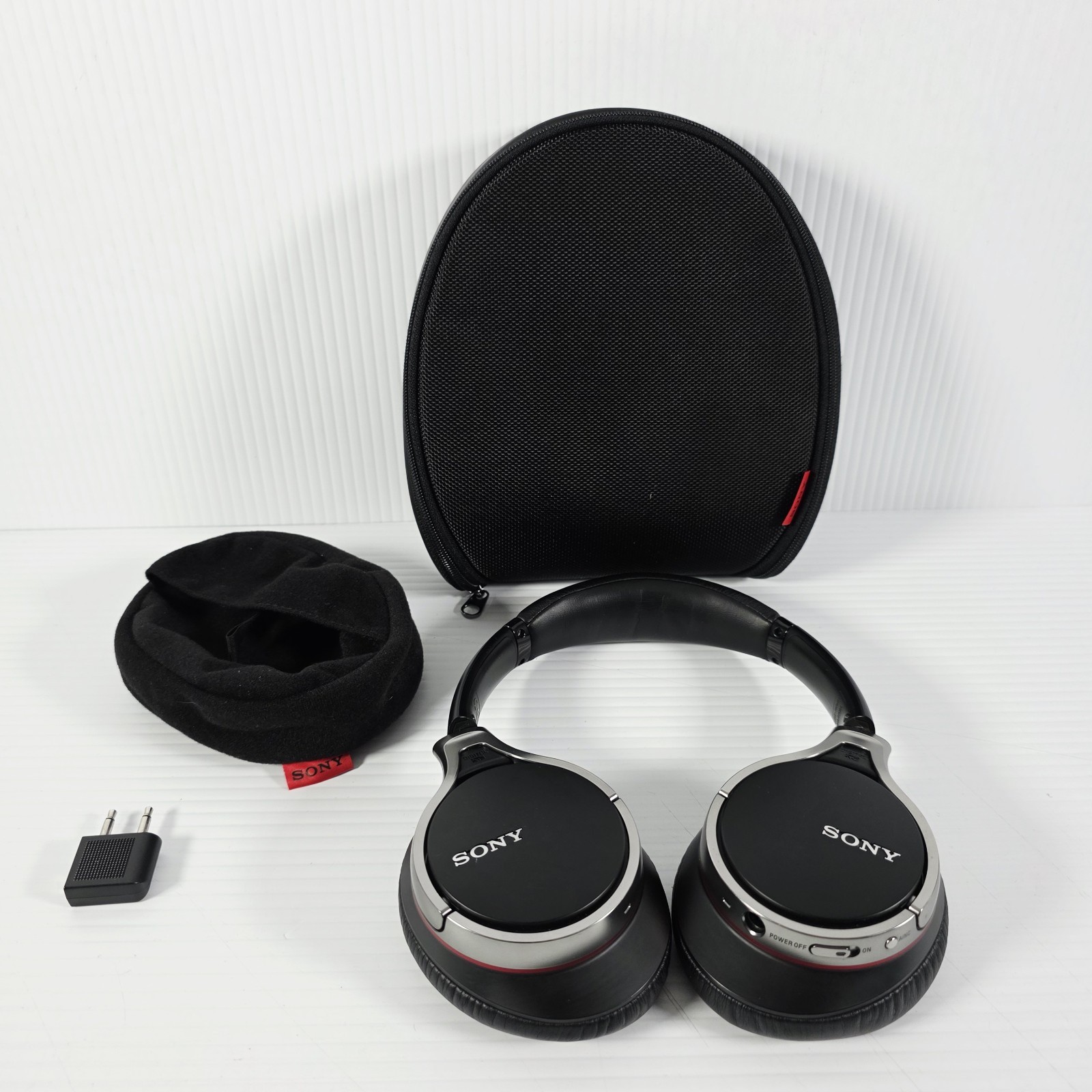
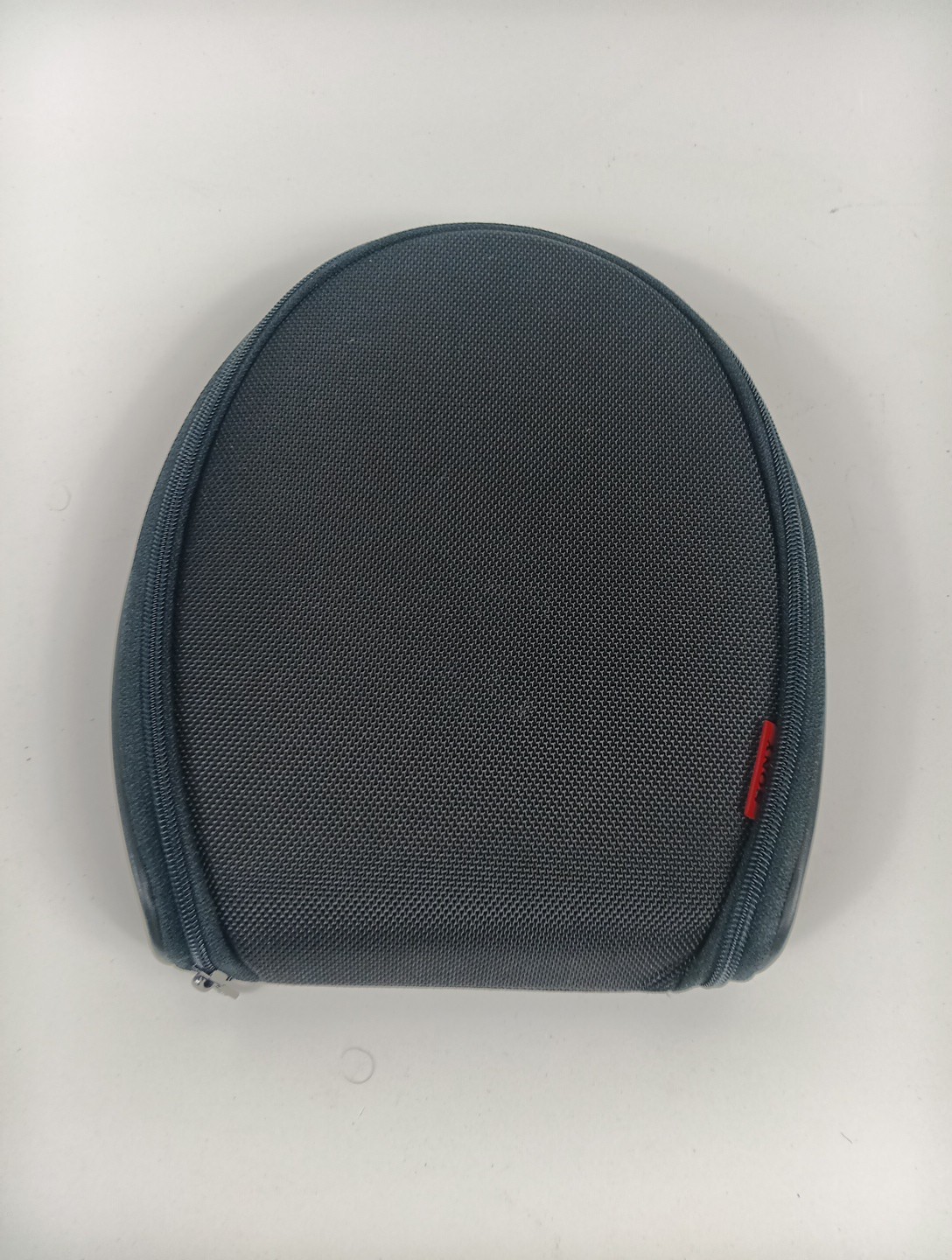
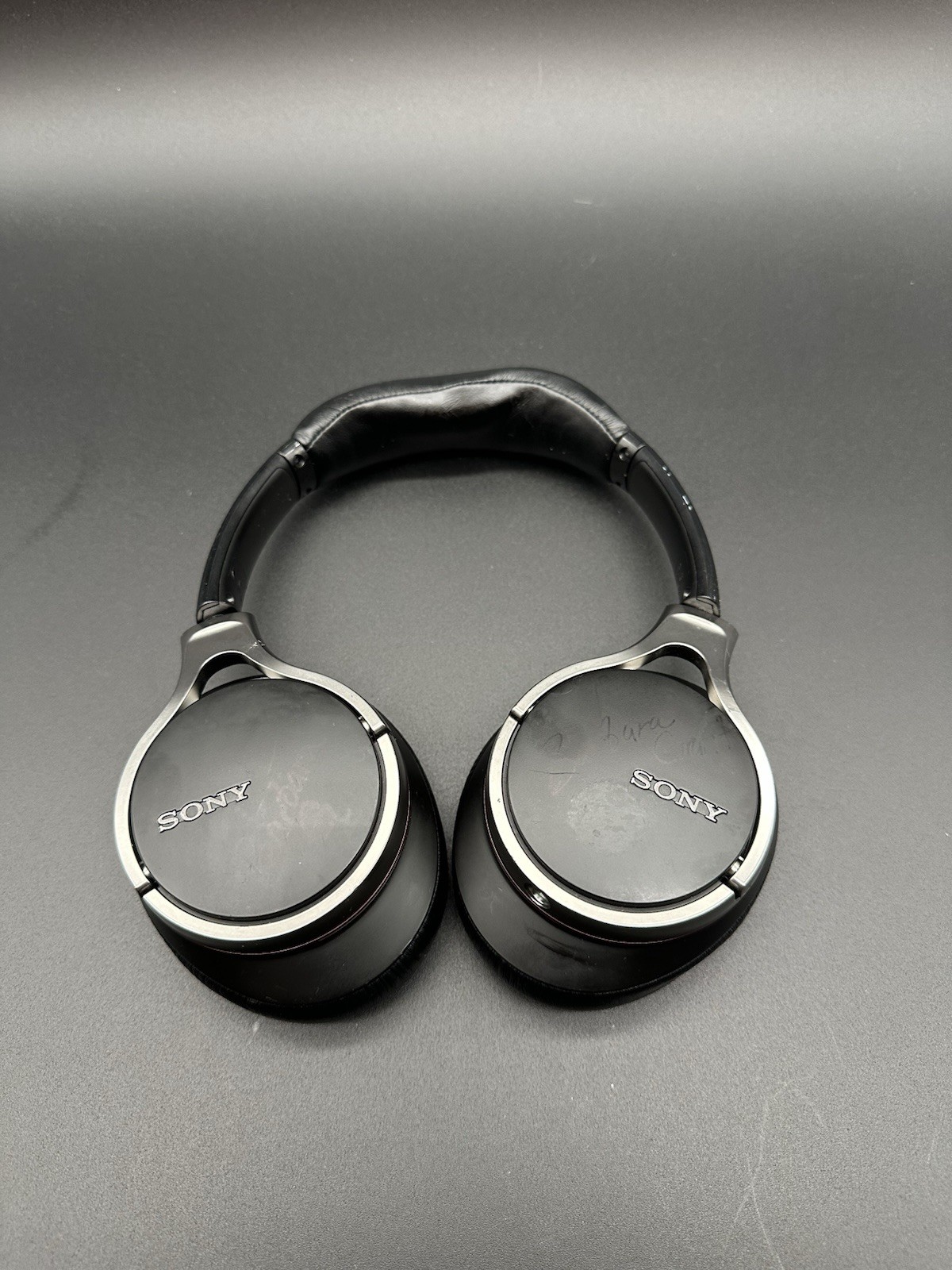

As an eBay Partner, we earn from qualifying purchases. This helps support our independent vintage technology research.
Related Models
- Sony MDR-4 (1978)
- Sony MDR-80 (1975)
- Sony MDR-A60 (1975)
- Sony MDR-1 (2012)
- Sony MDR-100 (1975)
- Heathkit AA-2010 (1975)
- Accuphase DG-28
- Accuphase G-18
- Altec 804A
- Alpine 3402