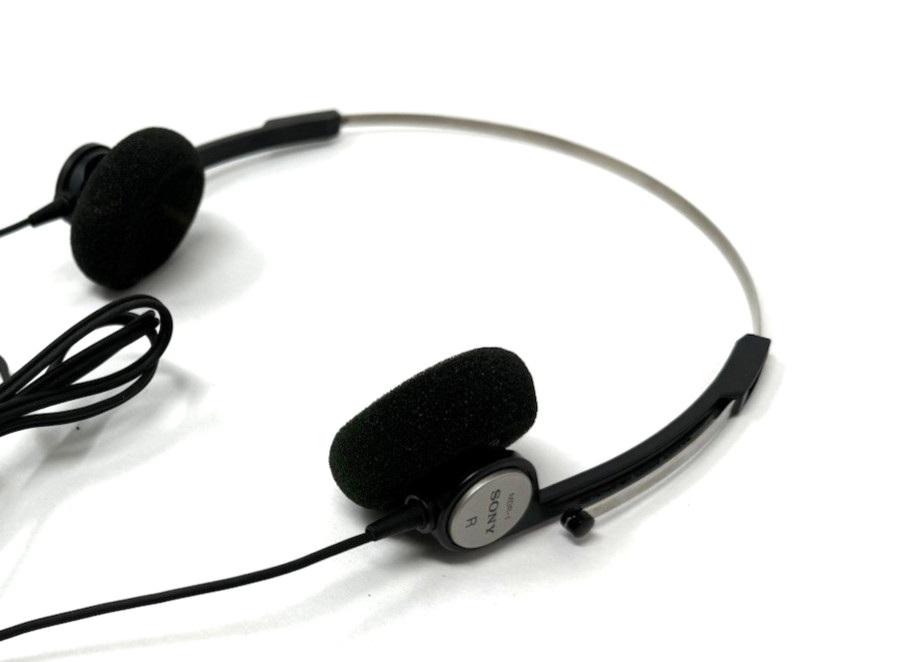
Sony MDR-1 Over-Ear Headphones
The Sony MDR-1, released in 2012, represents a pivotal moment in Sony's evolution toward modern audiophile-grade portable headphones. Designed for both critical listening and everyday use, the MDR-1 combines high-fidelity audio performance with a sleek, lifestyle-friendly aesthetic. Targeted at mobile users and music enthusiasts alike, these closed-back over-ear headphones deliver a balanced yet engaging sound profile, making them a popular choice during their production run from 2012 to 2015.
Specifications
| Feature | Specification |
| Model | MDR-1 |
| Year of Release | 2012 |
| Production Period | 2012–2015 |
| Type | Closed-back, dynamic, over-ear |
| Driver Size | 40 mm |
| Impedance | 24 ohms |
| Sensitivity | 105 dB/mW |
| Frequency Response | 5 Hz – 25 kHz |
| Weight | Approx. 225 g (without cable) |
| Cable | Oxygen-free copper, detachable |
| Connectors | 3.5 mm gold-plated stereo plug |
| Accessories | In-line remote with microphone, carrying pouch |
| Wearing Style | Supra-aural (over-ear) |
| Foldable | Yes, swiveling earcups |
Sound Signature
The Sony MDR-1 delivers a warm and smooth listening experience, characterized by a slightly emphasized bass response that adds richness without overwhelming the mix. Mids are clear and well-defined, making vocals and instruments stand out in dense arrangements. High frequencies are present but gently rolled off, reducing listener fatigue during extended sessions—ideal for casual and on-the-go use.
With a sensitivity of 105 dB/mW and a low 24-ohm impedance, the MDR-1 is highly efficient and easily driven by smartphones, tablets, and portable audio players. The 40mm drivers provide good detail retrieval for a closed-back design, offering a surprisingly spacious soundstage for a non-open-back headphone.
Historical Context
The MDR-1 was part of Sony’s renewed push into the premium portable headphone market in the early 2010s. At a time when Beats by Dre dominated the lifestyle audio space, Sony positioned the MDR-1 as a more audiophile-conscious alternative—offering superior build quality, accurate tuning, and long-term comfort without sacrificing modern features.
Its inclusion of an in-line remote and microphone catered to the growing smartphone user base, bridging the gap between high-fidelity audio and daily convenience. The lightweight construction, memory foam earpads, and foldable design made it a favorite among commuters and travelers.
While not a flagship model in the strictest sense, the MDR-1 played a key role in re-establishing Sony’s reputation for well-engineered, accessible audiophile gear. It helped lay the groundwork for later successes like the MDR-1A and MDR-1ADAC.
Common Issues and Reliability
Despite their overall durability, the MDR-1 is not without minor long-term concerns:
- Earpad Deterioration: The synthetic leather memory foam earpads may crack or degrade after several years of use, especially with frequent exposure to heat and sweat.
- Headband Padding Compression: The headband cushioning can lose resilience over time, reducing comfort during long listening sessions.
- Cable Wear: While the oxygen-free copper cable is high quality, the connectors (especially at the earcup end) may loosen with repeated plugging and unplugging.
However, the build quality remains solid for its class, and with proper care, the MDR-1 can last many years. Replacement parts, including cables and earpads, are widely available from third-party suppliers.
Maintenance and Care Tips
To extend the life of your Sony MDR-1:
- Clean Earpads Regularly: Wipe down the earpads with a soft, slightly damp cloth. Avoid harsh chemicals that can damage the synthetic leather.
- Store Properly: Use the included pouch or a protective case when not in use to prevent dust buildup and physical damage.
- Avoid Excessive Bending: While the earcups swivel and fold, avoid forcing them beyond their intended range to preserve hinge integrity.
- Use a Cable Protector: Consider using a strain relief sleeve near the connectors to reduce wear on the cable ends.
- Replace Earpads Proactively: If you notice softening or cracking, replace the earpads early to maintain comfort and seal quality.
Market Value and Collectibility
As of recent estimates, the Sony MDR-1 typically sells for $50–$100 in used condition, depending on overall wear, included accessories, and cable condition. Units with original packaging and all配件 (accessories) command higher prices among collectors and enthusiasts.
Collectibility Rating: 4/10
While not a rare or highly sought-after vintage item, the MDR-1 holds nostalgic value for those who appreciate Sony’s early 2010s audiophile revival. It is more valued for its performance and usability than as a collector’s piece.
Conclusion
The Sony MDR-1 stands as a well-rounded, listener-friendly headphone that successfully merged audiophile sensibilities with modern convenience. Its warm, balanced sound, lightweight comfort, and smartphone compatibility made it a quiet standout in a market dominated by bass-heavy competitors. Though succeeded by newer models, the MDR-1 remains a solid choice for those seeking an affordable, vintage-certified over-ear headphone with genuine sonic merit.
eBay Listings


As an eBay Partner, we earn from qualifying purchases. This helps support our independent vintage technology research.
Service Manuals & Schematics
- Manual — archive.org
Related Models
- Sony MDR-4 (1978)
- Sony MDR-80 (1975)
- Sony MDR-A60 (1975)
- Sony MDR-10 (2013)
- Sony MDR-100 (1975)
- Heathkit AA-2010 (1975)
- Accuphase DG-28
- Accuphase G-18
- Altec 804A
- Alpine 3402