Pioneer SX-1080: The Crown Jewel of the Golden Age of Hi-Fi
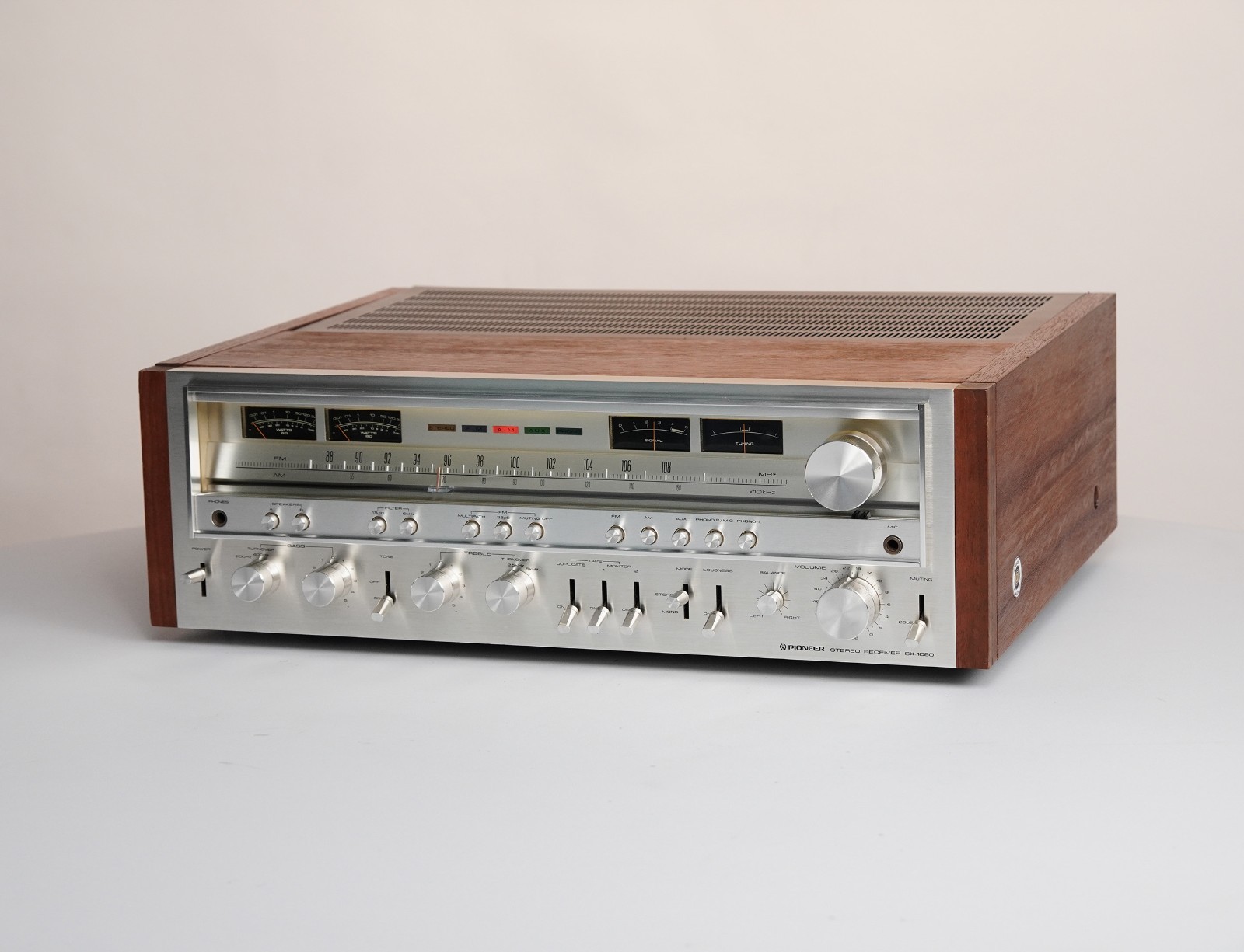
The Pioneer SX-1080, introduced in 1978, stands as one of the most legendary stereo receivers ever produced. Revered by vintage audio enthusiasts, collectors, and audiophiles alike, the SX-1080 epitomizes the pinnacle of Japanese hi-fi engineering during the late 1970s—a period often referred to as the "Golden Age of Audio." With its massive power output, robust build quality, and rich, dynamic sound, the SX-1080 wasn’t just a receiver; it was a statement of sonic excellence and technical ambition.
Historical Context: The Rise of the Power Wars
The late 1970s saw fierce competition among Japanese audio manufacturers—Pioneer, Kenwood, Sansui, Yamaha, and Sony—to produce receivers with ever-increasing power ratings. This era, known as the "Power Wars," pushed brands to deliver high-wattage amplifiers into compact chassis, often at the expense of fidelity. However, Pioneer took a different path with the SX-1080: they combined sheer power with exceptional engineering.
The SX-1080 was the flagship of Pioneer’s SX series, succeeding earlier powerhouses like the SX-1980 and SX-980. It was designed for serious listeners who demanded not just loudness, but accuracy, clarity, and musicality. With a rated output of 140 watts per channel into 8 ohms (both channels driven), it was among the most powerful receivers of its time—and unlike many competitors, it delivered that power with genuine headroom and stability.
Technical Specifications
| Specification | Detail |
| Power Output | 140W RMS per channel (8Ω, both channels driven) |
| Frequency Response | 20Hz – 20kHz (±0.5dB) |
| Total Harmonic Distortion | 0.05% (1kHz, 100W) |
| Damping Factor | >100 (1kHz, 8Ω) |
| Signal-to-Noise Ratio | 86dB (MM), 90dB (line) |
| Input Sensitivity | 2.5mV (MM), 150mV (line) |
| Phono Equalization | RIAA |
| Tuning Bands | FM, AM (MW) |
| Tuner Sensitivity (FM) | 1.8 µV (50 dB quieting) |
| Tuner Selectivity | 75 dB @ ±400kHz |
| Tone Controls | Bass (±10dB @ 100Hz), Treble (±10dB @ 10kHz), Loudness |
| Inputs | Phono (MM), Tape 1/2, Aux, Tuner, CD (on later revisions) |
| Outputs | Tape 1/2, Preamp Out, Speaker A/B |
| Power Supply | Dual toroidal transformers |
| Amplifier Type | Fully discrete, no ICs in signal path |
| Weight | 22.7 kg (50 lbs) |
| Dimensions (W×H×D) | 480 × 167 × 415 mm |
Notable Features and Innovations
The SX-1080 wasn’t just powerful—it was over-engineered in the best possible way. Key innovations and design choices set it apart:
- Dual Toroidal Transformers: Most receivers of the era used a single power transformer. The SX-1080 used two massive toroidal transformers—one for the left channel, one for the right—ensuring complete channel separation and minimizing crosstalk and power supply sag during dynamic peaks.
- Discrete Amplifier Design: Unlike many competitors who began incorporating op-amps or integrated circuits, Pioneer used fully discrete transistor circuitry throughout the audio path. This contributed to its clean, natural sound and long-term reliability.
- High Damping Factor: With a damping factor exceeding 100, the SX-1080 offered exceptional control over speaker cones, resulting in tight, articulate bass—especially important when driving demanding speakers like the AR-3a, JBL L100, or Klipsch Heresy.
- Precision Tuner Section: The FM tuner featured a phase-locked loop (PLL) synthesizer tuning system, advanced for its time, offering stable reception and excellent selectivity. The illuminated tuning meter and smooth tuning dial made station hunting a pleasure.
- Build Quality: The chassis is a fortress—thick steel, heavy-duty knobs, and a brushed aluminum faceplate. The rear panel is densely packed with high-quality binding posts and gold-plated RCA jacks.
Sound Quality: Warm, Dynamic, and Immersive
The SX-1080 delivers a sound that many describe as "effortless." It combines the warmth and musicality typical of late-70s Japanese gear with a level of clarity and control that borders on modern standards.
- Bass: Deep, punchy, and well-controlled. The dual toroids provide immense current delivery, allowing the receiver to drive low-impedance or inefficient speakers without strain.
- Midrange: Lush and natural, ideal for vocals and acoustic instruments. There’s a slight richness that adds body without muddiness.
- Treble: Smooth and detailed, never harsh or fatiguing. Cymbals shimmer, but sibilance is well-managed.
- Soundstage: Wide and three-dimensional, with precise imaging. The SX-1080 excels at creating a believable acoustic space.
It pairs beautifully with vintage speakers like the JBL L100 Century, KLH Model Eleven, or AR-9, bringing out their full dynamic range and tonal character.
Market Value and Collectibility
Today, the Pioneer SX-1080 is highly collectible. Well-maintained, fully functional units in good cosmetic condition typically sell for $800 to $1,500, with rare all-original examples (including remote, manual, and packaging) commanding even higher prices.
Factors influencing value:
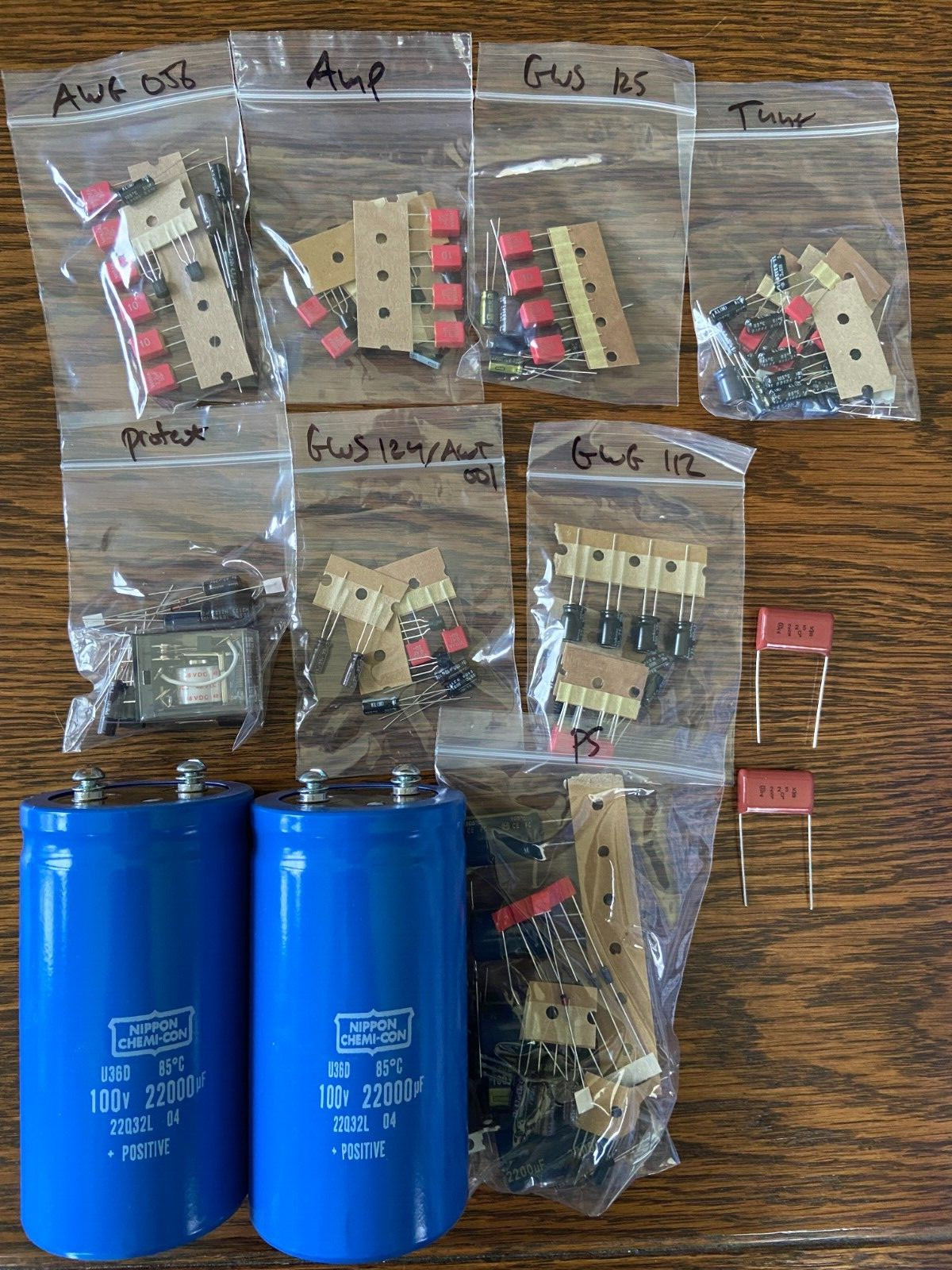
- Functionality: Units that have been serviced and recapped are worth significantly more.
- Cosmetics: Faded faceplates, cracked knobs, or oxidized meters reduce value.
- Provenance: Originality is prized—especially unmodified circuitry and untouched transformers.
It’s not uncommon to see SX-1080s listed as “museum-grade” or “fully restored,” reflecting their status as audio artifacts as much as functional gear.
Common Issues and Maintenance
Despite its legendary build, the SX-1080 is now over 45 years old, and aging components can cause problems:
- Capacitor Degradation: The electrolytic capacitors in the power supply and signal path dry out over time, leading to hum, distortion, or channel dropouts. A full recapping by a qualified technician is strongly recommended for any unit not recently serviced.
- Tuner Issues: The PLL tuner is generally reliable, but varactor diodes and tuning caps can fail. A weak FM signal or drifting tuning often indicates a need for alignment or component replacement.
- Oxidized Controls: Pots and switches develop crackling or channel imbalance due to oxidation. Cleaning with contact cleaner (e.g., DeoxIT) can help, but worn pots may need replacement.
- Binding Post Corrosion: The speaker terminals can corrode, especially in humid environments. Clean with isopropyl alcohol and ensure tight connections.
- Fuse Blowing: If the receiver blows fuses on power-up, it may indicate shorted output transistors—a serious but repairable issue.
Regular maintenance, including cleaning, inspection, and occasional bias adjustment, can extend the life of an SX-1080 indefinitely. Many consider it “restorable for life” due to the availability of service manuals and replacement parts.
Comparison to Similar Models
| Model | Power (RMS) | Key Differences |
| Pioneer SX-1980 | 180W | Slightly more power, similar design, even rarer and more valuable |
| Kenwood KR-8100 | 130W | Excellent tuner, slightly less bass control |
| Sansui AU-9900 | 120W | Warmer sound, less powerful, iconic VU meters |
| Yamaha CR-1 | 100W | More neutral tonality, sleek design, less brute force |
| Sony STR-V55 | 100W | Later model, IC-based amp, less dynamic |
While the SX-1980 is often seen as the ultimate Pioneer receiver, the SX-1080 offers nearly identical performance at a more accessible price and weight. It strikes a near-perfect balance between power, fidelity, and usability.
Final Thoughts: A Timeless Icon
The Pioneer SX-1080 is more than a vintage receiver—it’s a monument to analog excellence. In an age of streaming and digital compression, it reminds us of the emotional impact of high-fidelity sound. Its combination of brute power, refined engineering, and musical soul makes it a centerpiece in any vintage audio collection.
Whether you're a seasoned audiophile or a newcomer to the world of tube-like warmth and solid-state precision, the SX-1080 delivers an experience that few modern receivers can match. If you find one in good condition, buy it, restore it, and cherish it—you’re not just acquiring gear, you’re preserving a piece of audio history.
eBay Listings


As an eBay Partner, we earn from qualifying purchases. This helps support our independent vintage technology research.
Related Models
- Pioneer QX-949A (1978)
- Pioneer SX-2000 (1978)
- Pioneer SX-2500 (1978)
- Pioneer QX-646 (1978)
- Pioneer SX-1900 (1978)
- Marantz SR-2000 (1999–2001)
- Onkyo TX-1500MKII (1975)
- Pioneer SX-201 (1978)
- Pioneer SX-251R (1976)
- Realistic STA-2250 (1975)