Nakamichi LX-3: The Precision-Built Bridge to High-Fidelity Cassette Excellence
In the early 1980s, as the cassette format matured from a portable convenience to a serious medium for high-fidelity audio, Nakamichi stood at the forefront of innovation. While the legendary Nakamichi Dragon often steals the spotlight as the pinnacle of cassette deck engineering, the Nakamichi LX-3, introduced in 1982, represented a more refined and accessible expression of the company’s commitment to precision, reliability, and sonic excellence. Positioned just below the flagship Dragon in the lineup, the LX-3 was designed for the discerning audiophile who demanded top-tier performance without the complexity and premium price of auto-azimuth correction.
Though not as widely documented as its more famous sibling, the LX-3 is a highly respected machine among cassette connoisseurs. It embodies Nakamichi’s philosophy of meticulous engineering, featuring a robust dual-capstan tape transport, three-head configuration, and advanced electronics that delivered exceptional tape reproduction. For collectors and vintage audio enthusiasts today, the LX-3 remains a sought-after model that offers a compelling blend of performance, build quality, and relative rarity.
Technical Specifications
| Specification | Detail |
| Year Introduced | 1982 |
| Format | 4-Track, 2-Channel Stereo (Compact Cassette) |
| Heads | Three: Playback, Record, Erase |
| Tape Speed | 1⅞ ips (4.76 cm/s) |
| Transport System | Dual Capstan, Direct Drive |
| Motor Type | Three Direct-Drive Motors |
| Frequency Response | 20Hz – 20kHz (at 3% THD, Type IV tape) |
| Wow and Flutter | < 0.055% (WRMS) |
| Signal-to-Noise Ratio | 72 dB (Dolby C), 68 dB (Dolby B) |
| Total Harmonic Distortion | < 1.5% (at 3% THD) |
| Input/Output | Line In/Out (RCA), Mic In (RCA), Headphone Out (¼") |
| Recording Equalization | 120 μs (Normal), 70 μs (Chrome), 50 μs (Metal) |
| Noise Reduction | Dolby B, Dolby C |
| Display | Analog VU meters, LED indicators |
| Dimensions | 480 mm × 145 mm × 365 mm (W×H×D) |
| Weight | 12.5 kg (27.5 lbs) |
| Power Requirement | 120V AC, 60 Hz (North American version) |
Sound Characteristics and Performance
The Nakamichi LX-3 was engineered to extract the maximum fidelity from the compact cassette medium. With its precision three-head system—separate heads for playback, recording, and erasing—the LX-3 ensured optimal alignment and minimized crosstalk, resulting in a clean, detailed soundstage. The dual-capstan transport, a hallmark of Nakamichi’s high-end decks, provided exceptional tape stability by eliminating the need for pinch rollers on both sides, reducing tape flutter and ensuring consistent tape-to-head contact.
Sonically, the LX-3 delivers a balanced, transparent presentation. Its frequency response extends cleanly across the audible spectrum, with tight, controlled bass, articulate mids, and crisp yet non-fatiguing highs. When paired with high-quality Type IV (Metal) tapes and Dolby C noise reduction, the LX-3 achieves a signal-to-noise ratio and dynamic range that rival early digital formats of the era.
Unlike the Dragon, the LX-3 does not feature auto-azimuth correction, meaning azimuth alignment must be manually adjusted for optimal high-frequency response. However, once properly calibrated, the LX-3 offers a remarkably stable and immersive listening experience, particularly with well-recorded tapes. It excels at both playback and high-speed duplication, making it a favorite among audiophiles who curated their own cassette libraries.
Notable Features and Innovations
The LX-3 was packed with features that placed it firmly in the upper echelon of cassette decks:
- Dual Capstan Transport: Eliminated tape slippage and provided superior speed stability compared to single-capstan designs.
- Three Direct-Drive Motors: Dedicated motors for capstans and the reel table ensured precise control and minimized mechanical interference.
- Logic-Controlled Operation: Microprocessor-based control allowed for smooth, reliable tape handling with features like auto-reverse (on some variants), tape type sensing, and end-of-tape detection.
- High-Quality Playback Electronics: Discrete circuitry and premium components contributed to low noise and high fidelity.
- Analog VU Meters: Provided real-time visual feedback of recording levels, a must-have for accurate level setting.
- Dolby B and C Compatibility: Enabled significant noise reduction, especially effective with metal tapes.
While it lacked the Dragon’s groundbreaking auto-azimuth head tilt mechanism, the LX-3 compensated with superior build quality, ease of maintenance, and a more user-friendly design. It was often seen as the "practical flagship"—a machine that delivered 90% of the Dragon’s performance at a more approachable price point.
Common Issues and Maintenance
Like all high-performance cassette decks from the 1980s, the Nakamichi LX-3 requires careful maintenance to perform at its best. Common issues include:
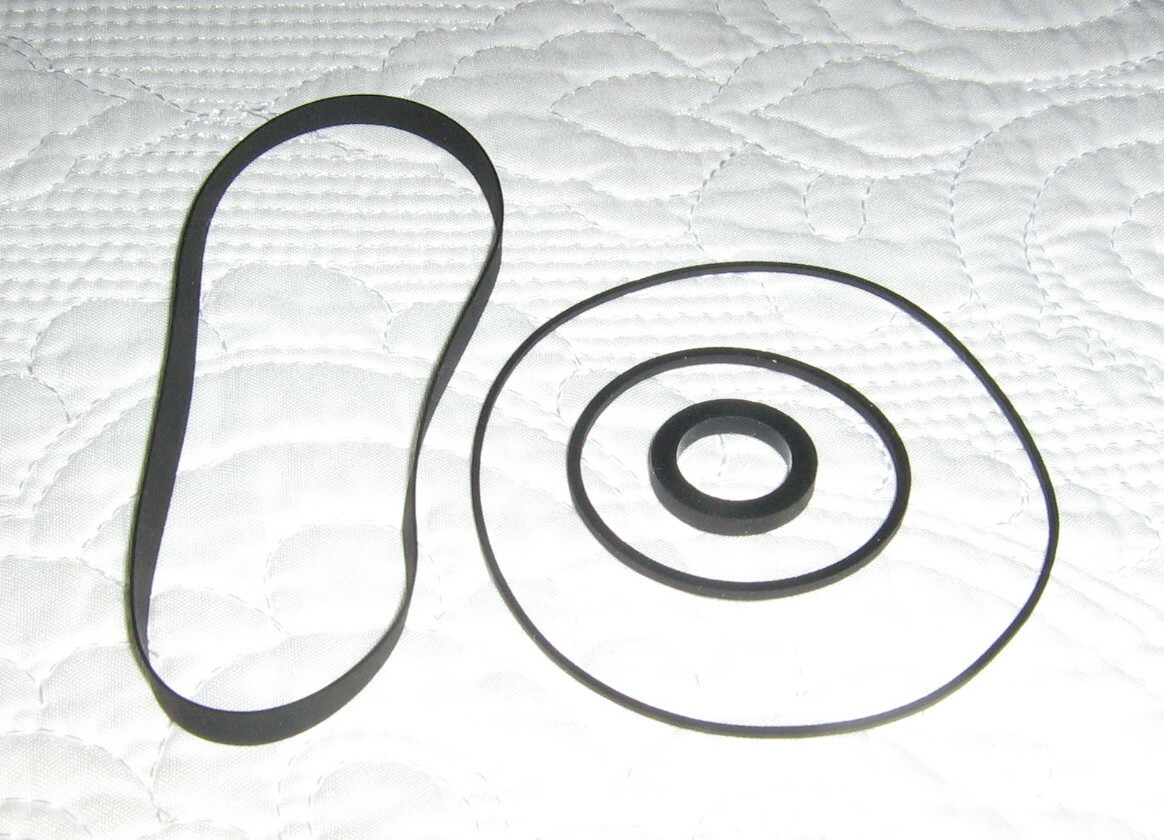
- Deteriorated Rubber Components: The idler tires, capstan tires, and belts (if present in certain sub-assemblies) can harden or crack over time. A full rebuild with replacement rubber parts is often necessary for reliable operation.
- Dirty or Worn Heads: Playback and record heads should be cleaned with isopropyl alcohol and demagnetized regularly. Over time, head wear can reduce high-frequency response.
- Capstan Shaft Oxidation: The dual capstan shafts may develop oxidation, leading to speed instability. Light polishing and lubrication (if specified) can restore smooth operation.
- Sticky Buttons or Controls: The logic control panel may develop resistance or unresponsiveness due to aging switches or circuit board issues.
- Capacitor Aging: Electrolytic capacitors in the power supply and audio circuits may dry out, leading to noise, hum, or failure. A recapping service is recommended for long-term reliability.
Finding a fully serviced LX-3 is key to enjoying its full potential. Due to its relative rarity compared to models like the CR-7A or ZX-7, parts and service expertise can be harder to come by, making preservation all the more important.
Current Market Value and Collectibility
The Nakamichi LX-3 occupies a niche but respected place in the vintage audio market. While not as iconic or valuable as the Dragon (which can fetch $1,500+ in excellent condition), the LX-3 typically sells between $400 and $700, depending on condition, service history, and completeness (original remote, manual, packaging).
Its collectibility is growing, particularly among cassette enthusiasts restoring high-end analog systems. Factors that increase value include:
- Full service history and recent rebuild
- Original packaging and accessories
- Clean cosmetic condition with functional meters and display
- Verified performance with test tapes
As interest in analog audio resurges, especially in the realm of cassette revival and tape mastering, the LX-3 is increasingly recognized as a serious tool for both listening and archiving.
Conclusion and Legacy
The Nakamichi LX-3 may not have the fame of the Dragon, but it stands as a testament to Nakamichi’s unwavering commitment to engineering excellence. It represents the sweet spot between cutting-edge innovation and practical audiophile use—a machine built for those who valued precision, durability, and musicality.
In an era when cassettes were often dismissed as inferior, Nakamichi proved that with the right engineering, the format could deliver true high-fidelity sound. The LX-3, though less celebrated, played a vital role in that mission. Today, it remains a prized component for vintage audio collectors and a powerful reminder of a time when tape decks were not just playback devices, but instruments of sonic artistry.
For those seeking a high-performance, well-built cassette deck that offers a direct line to the golden age of analog, the Nakamichi LX-3 is a compelling and rewarding choice.
eBay Listings



As an eBay Partner, we earn from qualifying purchases. This helps support our independent vintage technology research.
Related Models
- Nakamichi 1000ZXL (1985)
- Nakamichi BX-150 (1983)
- Nakamichi CR-4 (1969)
- Nakamichi 1000-II (1974)
- Nakamichi 1000ZXL-LIMITED (1985)
- Sony TC-2050SD (1978)
- Aiwa AD-F990 (1993)
- Kenwood KX-3060 (1982)
- Sony TC-2130A (1974)
- Sony TC-2220 (1972)