McIntosh XRT20 (1985-1990)
At 140 pounds and nearly four feet tall, it doesn’t just fill a room—it defines it.
Overview
The McIntosh XRT20 isn’t just another floorstanding speaker; it’s a statement piece born from a radical design philosophy for a company known for its conservatism. Introduced in 1985 and produced through 1990, this loudspeaker system was the first physical realization of patented technology developed by McIntosh engineer Roger Russell. Based on U.S. Patent 4,267,405 ("Stereo Speaker System For Creating Stereo Images") and design patent Des. 261,883, the XRT20 was engineered to project a precise, stable stereo image across a wide listening area—something few speakers of its era could claim. Marketed as a completely enclosed floor speaker system, it stood apart not only in concept but in sheer physical presence, weighing in at 140 pounds per cabinet and stretching 45.5 inches tall. Its form followed function: a vertical array of drivers designed to behave as a line source, aiming to minimize floor and ceiling reflections while enhancing direct sound delivery.
Specifications
| Manufacturer | McIntosh |
| Product type | Loudspeaker / A completely enclosed floor speaker system. |
| Production years | 1985-1990 |
| Original price | ¥ 1,976,000 (for 2 pcs 1 set) |
| Design | 3-way 27-speaker |
| Driver complement | 24 tweeters, 4 midrange drivers, 2 woofers |
| Impedance | 8 Ω |
| Output sound pressure level / Sensitivity | 90 dB |
| Max Input / Power handling | 400 watts |
| Frequency response | 20 Hz to 45 kHz |
| Crossover frequency | 150 Hz, 800 Hz, 3 kHz |
| Dimensions (W×H×D) | 14.5" x 45.5" x 10.5" |
| Weight | 140 lbs |
| Cabinet type | Floorstanding |
| Cabinet material | Walnut veneer |
| Grille | Black cloth |
Key Features
Vertical Line Source Array with 24 Tweeters
The most visually striking aspect of the XRT20 is its wall of high-frequency drivers: 24 tweeters arranged in a vertical line. This configuration was central to its line source design, intended to control vertical dispersion and reduce early reflections from floors and ceilings. By narrowing the vertical radiation pattern while maintaining wide horizontal coverage, the speaker aimed to deliver a more consistent stereo image across multiple seating positions—a novel approach at the time, especially for a brand like McIntosh, which had long favored more traditional point-source designs.
Patented Stereo Imaging Technology
The XRT20 was the first product to implement Roger Russell’s patented stereo imaging system. The core idea was to use multiple drivers in a carefully spaced vertical array to create a coherent wavefront, improving off-axis response and image stability. This wasn’t just theoretical; the physical layout of the drivers, crossover points, and cabinet geometry were all derived from the principles outlined in U.S. Patent 4,267,405. The result was a speaker that didn’t just play loud—it was engineered to place instruments and voices with unusual precision, even when listeners weren’t seated directly on the central axis.
3-Way, 27-Driver Configuration with Dual Woofers
Despite the dominance of tweeters in its appearance, the XRT20 is a full-range 3-way system. It integrates 24 tweeters, 4 midrange drivers, and 2 woofers into a single enclosure, crossed over at 150 Hz, 800 Hz, and 3 kHz. This complex network allows each driver group to operate within its optimal range, with the woofers handling deep bass down to 20 Hz. The system is rated for 300 watts continuous (500 watt occasional peak) of input power and presents a nominal 8 Ω load, making it compatible with most high-end McIntosh amplifiers of the era. Sensitivity is rated at 90 dB, which is moderate for such a large system, suggesting it benefits from robust amplification to reach reference levels.
Walnut Veneer Floorstanding Cabinet
Encased in a sleek walnut veneer finish and covered in black cloth grilles, the XRT20 blends classic high-fidelity aesthetics with a futuristic internal layout. At 14.5 inches wide, 45.5 inches tall, and 10.5 inches deep, the cabinet is narrow for its height, emphasizing its vertical line source character. The 140-pound weight per speaker indicates substantial internal bracing and dense materials, likely contributing to reduced cabinet resonance. While the external design remains unmistakably McIntosh in its understated elegance, the internal architecture represented a significant departure from the brand’s usual speaker layouts.
Collectibility & Value
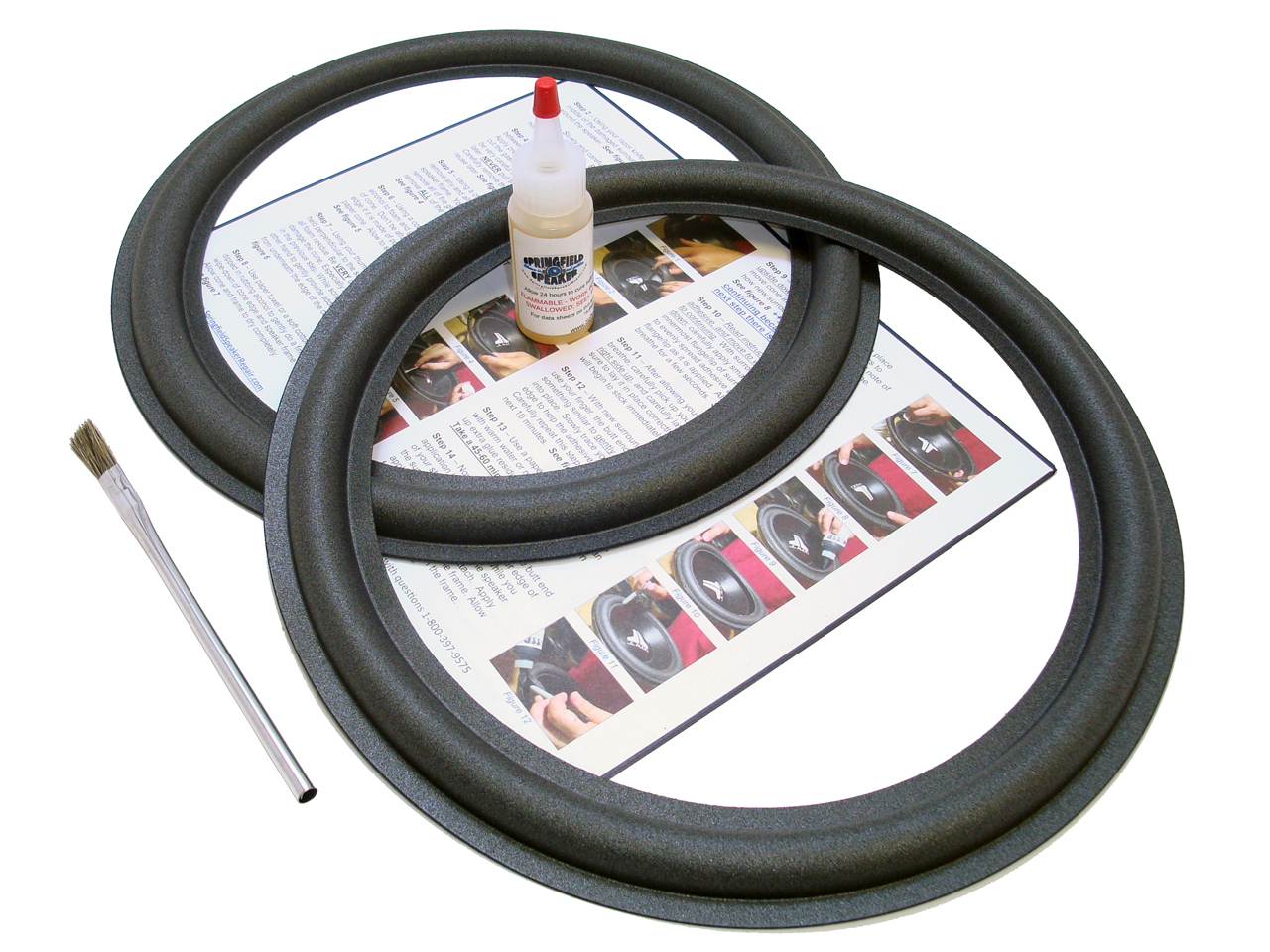
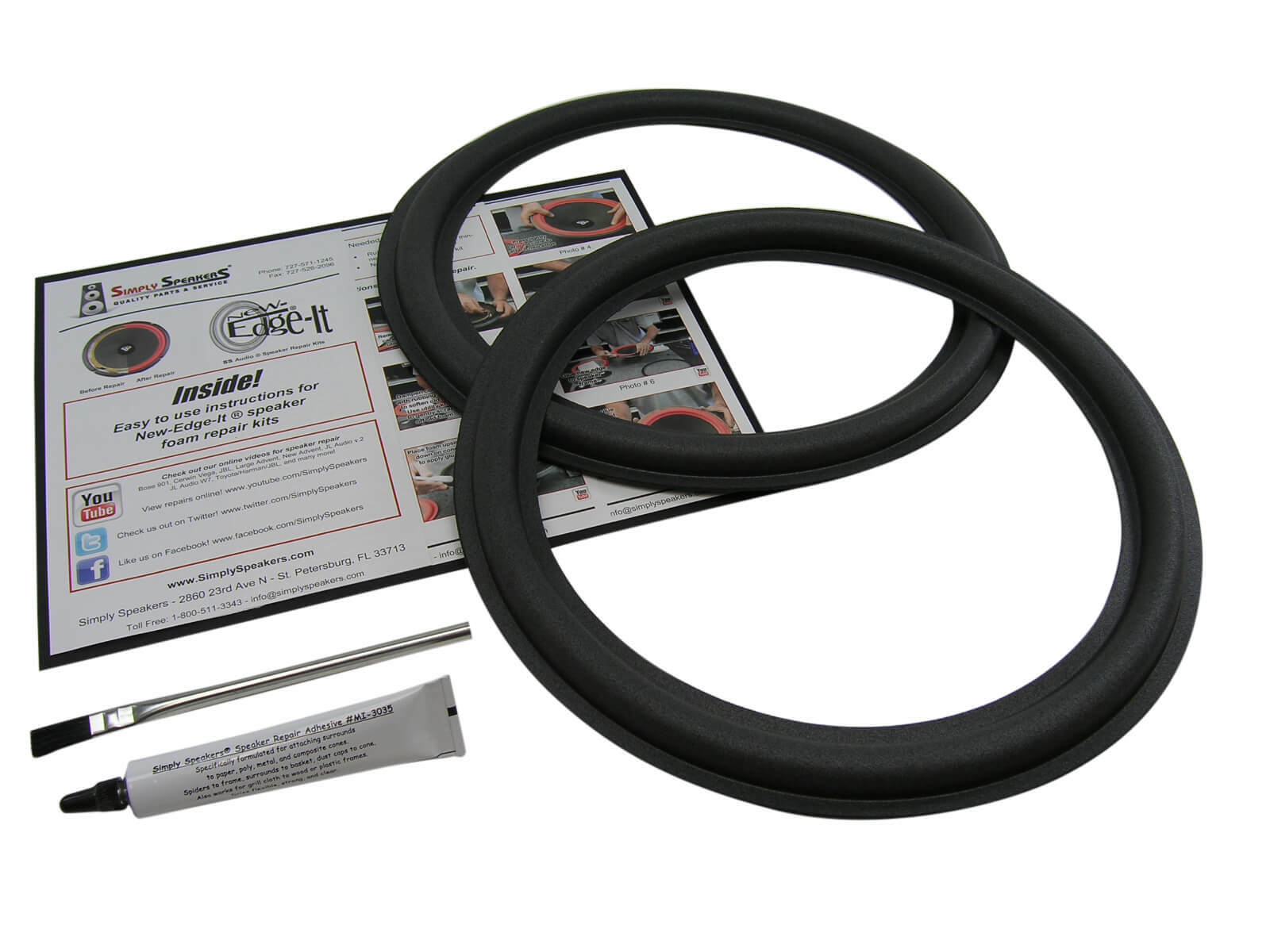
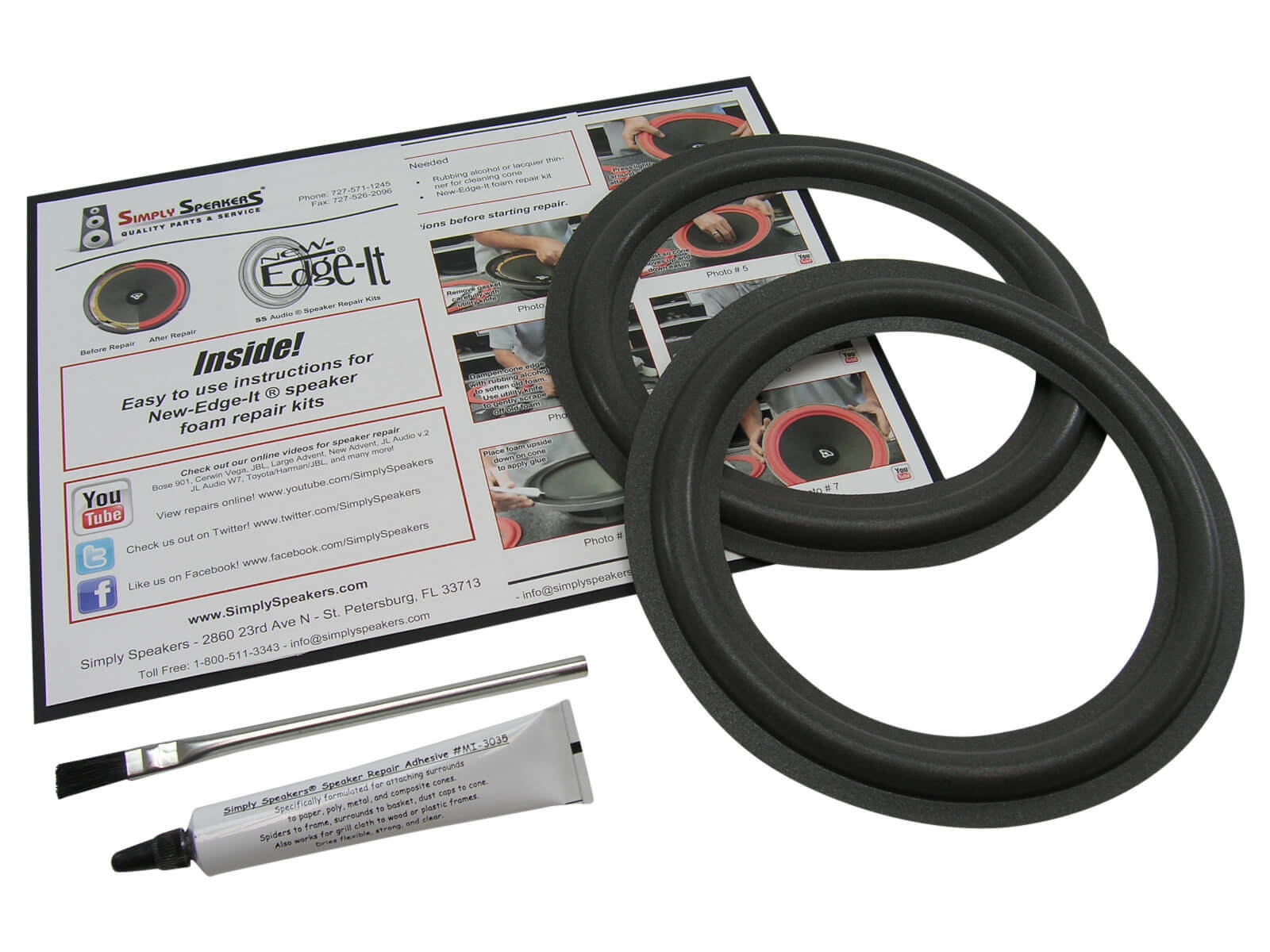
Replacement foam kits are available, specifically marketed for the XRT20 and XRT22 models, indicating an active restoration community. In the used market, prices vary widely based on condition and service history. A used pair has been listed for as little as $600, while a serviced pair carried a "New Price" listing of $2,959.47. Other listings show a pair at €3,000 in Italy, a Japanese auction bid at ¥250,000, and a high-end listing on Audiogon at $7,500, suggesting that fully restored, well-maintained units command strong premiums among collectors.
eBay Listings

As an eBay Partner, we earn from qualifying purchases. This helps support our independent vintage technology research.
Related Models
- McIntosh mr75 (1971-1977)
- McIntosh ml-1 (1969-1975)
- McIntosh mr7083 (1993-1995)
- McIntosh mr74 (1972-1977)
- McIntosh mr78 (1972-1977)
- Sony ps-5550 (1978-1980)
- Sony ps-lx5r (1983-1985)
- Sony ss-7220a (1970s)
- Sony ss-97 (Late 1970s (approximately 1977-1979))
- Sony ss-999 (Late 1970s (approximately 1977-1979))