McIntosh XR19 (1981–1987)
Massive floor-standers with twelve tweeters, twin 12-inch woofers, and a price tag that once topped five grand—this isn’t just a speaker, it’s a statement.
Overview
The McIntosh XR19 isn’t the kind of speaker you casually slide into a living room. At nearly 46 inches tall and weighing 151 pounds each, these walnut-clad towers dominate any space they occupy—not just acoustically, but visually. Sold from 1981 to 1987, the XR19 was positioned as a high-end alternative to McIntosh’s more complex XRT20, offering much of the same sonic pedigree without the need for a separate midrange and tweeter column that devoured floor space. Priced at a steep $5,298 per pair at its retail peak, the XR19 targeted serious audiophiles who wanted full-range performance, robust power handling, and the kind of build quality only McIntosh could deliver during that era.
Despite its premium positioning, the XR19 never achieved the sales volume of the XRT20 or XRt22. Fewer units were sold, and no official literature was ever produced beyond black-and-white photos used in direct mail advertising. That obscurity, however, has turned it into something of a cult favorite. Owners report an expansive soundstage, deep and punchy bass from the dual 12-inch woofers, and remarkably smooth high-frequency dispersion thanks to its array of twelve custom 1-inch soft dome tweeters. It’s not flashy in the way some high-end speakers are—it doesn’t scream for attention. But when you listen, it’s hard to ignore just how much engineering went into making it disappear sonically while commanding the room physically.
Specifications
| Manufacturer | McIntosh |
| Product type | Loudspeaker system |
| Production years | Sold from 1981 to 1987 |
| Original price | $5298.00 /pair |
| Response | 20Hz to 20,000Hz |
| Power rating | 250w woofers, 200w mid-range and 150w tweeters |
| Output sensitivity | 86dB/watt/meter re: 8 ohms |
| Impedance | 8 ohms |
| Woofers | two 12" McIntosh |
| Mid-range | one 8" McIntosh |
| Tweeters | twelve 1" custom soft domes |
| Crossover frequencies | 100Hz, 250Hz and 1500Hz |
| Overload protection | main and high frequency fuse |
| Finish | walnut |
| Dimensions | 45-3/4" high, 25-7/8" wide and 12-7/8" deep |
| Weight | 151 lb. |
| Power requirement | a minimum of 200 wpc |
Key Features
The XRT20’s Compact Cousin
The XR19 shares its entire bass cabinet with the legendary XRT20—same two 12-inch woofers, same 8-inch midrange driver. That’s no small detail. The XRT20 was a flagship system with a modular column design that separated the midrange and tweeters for optimal dispersion, but it demanded serious floor space. The XR19 was designed as a more practical alternative: keep the powerful bass section, integrate the midrange and tweeters into a single tower, and deliver comparable performance in under 26 inches of wall space. It’s a dramatic step up from the earlier XR7, both in scale and sophistication, and while it didn’t outsell the XRT20 or XRt22, it offered a compelling middle ground for those who wanted McIntosh’s top-tier sound without the architectural commitment.
A Forest of Tweeters
Twelve tweeters might sound excessive—like overkill for the sake of a spec sheet—but in the XR19, it’s a deliberate design choice aimed at dispersion and power handling. The original prototype featured these twelve 1-inch custom soft domes arranged in a horizontal semicircle across the top, and the production model kept the concept intact. Felt strips are mounted above and below the tweeter array to dampen edge reflections, ensuring a smoother off-axis response. The result? A wide, stable soundstage with excellent high-frequency coverage—owners compare it to the expansive dispersion of a Klipschorn, but with far greater power handling and modern refinement.
Built Like a Tank, Wired for Reliability
Inside, the XR19 uses the same laminated crossover coils and motor running capacitors found in the XRT20—components chosen for low distortion and long-term reliability. The crossover itself is housed in the top section with the tweeters and can be accessed by unlatching just two fasteners, making service and inspection surprisingly straightforward for such a complex system. The 8-inch midrange driver is sealed in its own enclosure, covering 250Hz to 1500Hz with minimal interference, while the crossover points at 100Hz and 250Hz ensure clean handoffs between drivers.
Protection and Diagnostics
McIntosh didn’t just build these to sound good—they built them to last. The XR19 includes both a main and high-frequency fuse for overload protection, guarding against amplifier clipping or electrical faults. Even more clever: red and yellow indicator lights mounted on the front of the bass cabinet. The yellow light connects directly to the system input, confirming signal presence. The red light monitors the tweeter fuse—if it goes out, you know the tweeter circuit is compromised. Protection circuits are built into the lighting system too, so they don’t fail under transient loads. It’s a small touch, but it’s pure McIntosh: functional, diagnostic, and quietly reassuring.
Historical Context
The XR19 emerged during a period when high-end audio was pushing the limits of full-range reproduction, and modular speaker systems were still in vogue. It was designed specifically as a space-saving alternative to the XRT20, sacrificing none of the bass performance while integrating the upper frequencies into a single cabinet. Despite its technical merits, it never achieved mass appeal. Not many were sold compared to the XRT20 or XRt22, and McIntosh never produced formal literature for it—just black-and-white photos from the manual used in direct mail campaigns. That lack of marketing, combined with its high price and sheer size, likely limited its reach. But for those who encountered it, the XR19 left a lasting impression.
Collectibility & Value
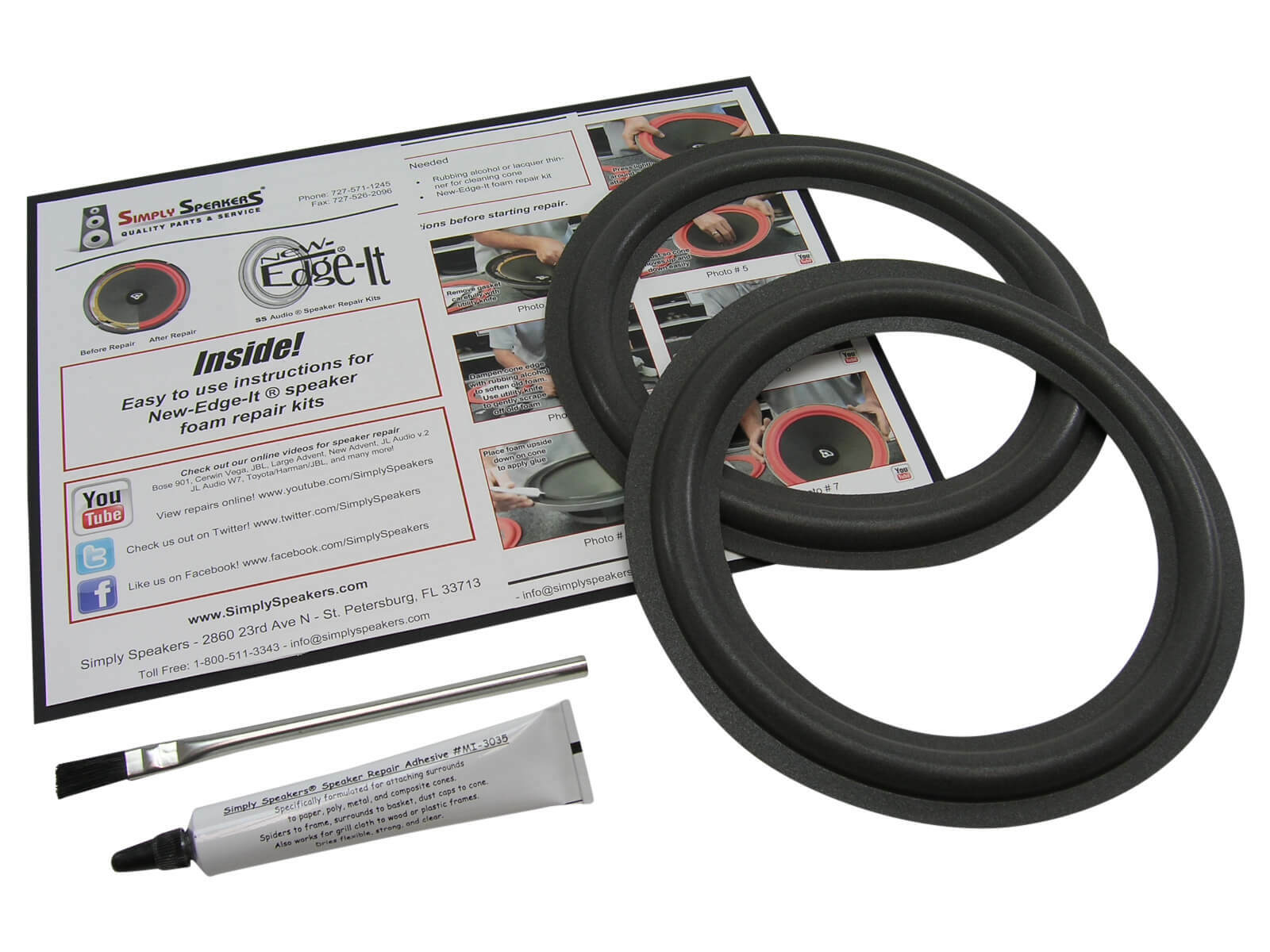
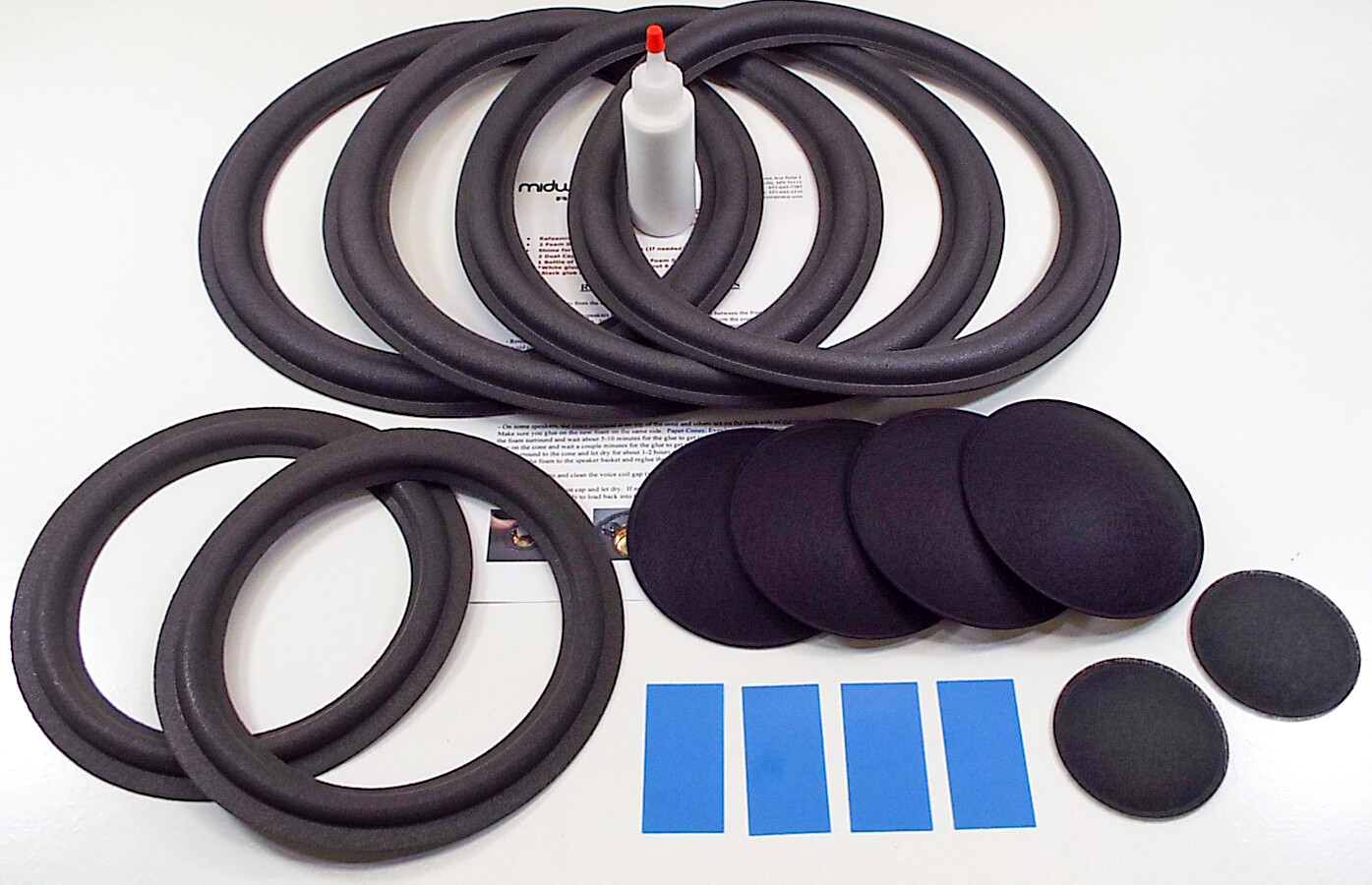
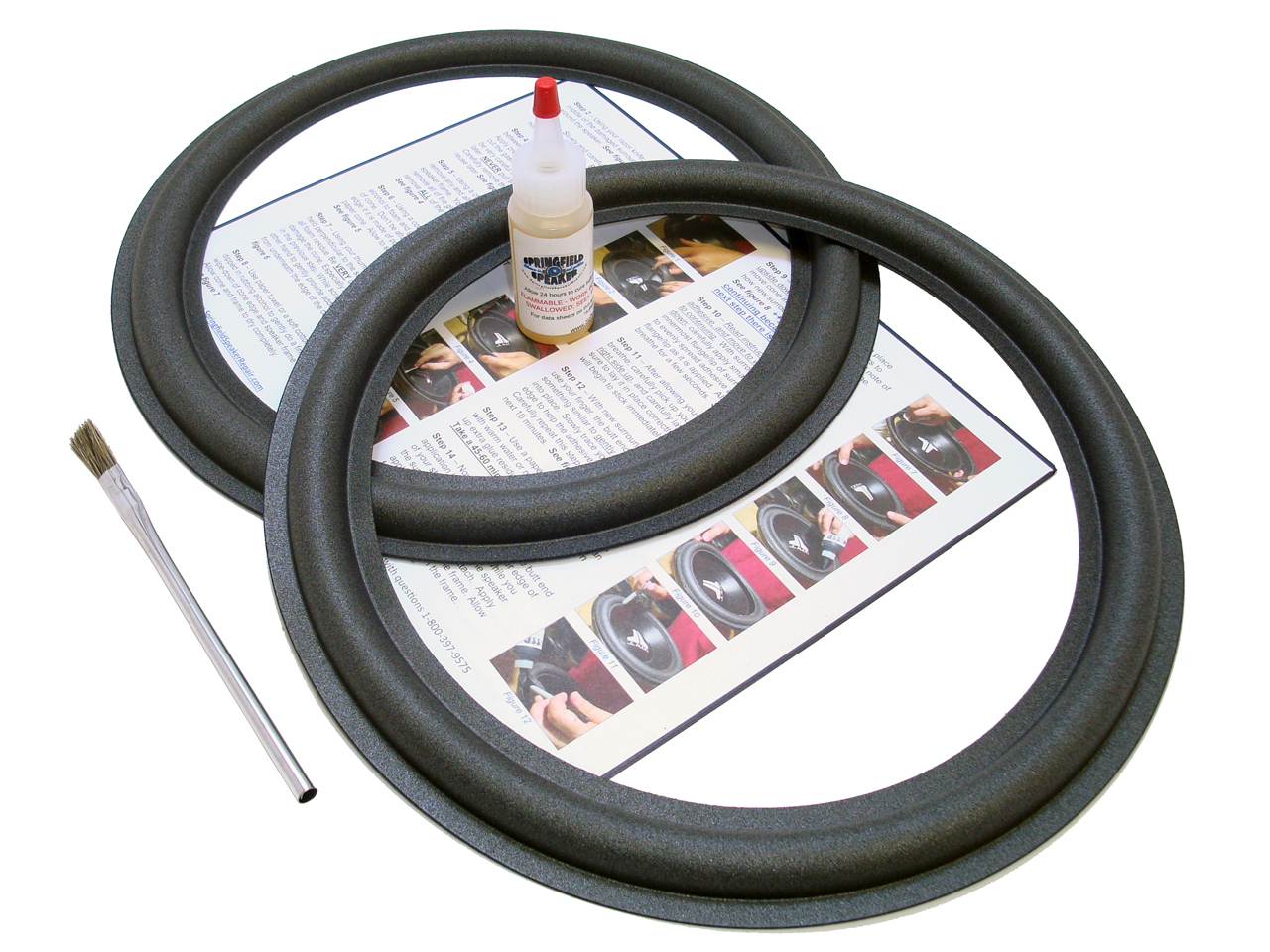
Today, the XR19 is a sought-after piece among vintage McIntosh collectors, though complete, well-maintained pairs are rare. A classified listing once asked for $1,100, and potential buyers have debated whether $1,500 is fair—especially if the foam surrounds need replacement. That’s the big caveat with these speakers: like most high-end systems from the era, the foam on the woofers and midrange drivers degrades over time. Multiple eBay listings confirm this is a common issue, with repair kits readily available—ranging from $21 for an 8-inch foam kit to $76 for a complete refoam. Tweeter diaphragms can also be replaced, with aftermarket silk domes offered for $15. An original manual has sold for as much as $50, underscoring the demand for documentation.
For anyone considering a purchase, condition is everything. One known unit was reported in 7/10 condition—decent for its age—and had only one previous owner. Given the weight, complexity, and need for refoaming in most examples, these aren’t plug-and-play classics. But for the right buyer—a restorer, a McIntosh enthusiast, or someone building a period-correct high-end system—the XR19 offers a rare combination of engineering ambition, sonic capability, and visual presence that few speakers of its time could match.
eBay Listings

As an eBay Partner, we earn from qualifying purchases. This helps support our independent vintage technology research.
Related Models
- McIntosh STEREOTECH-1200 (1972)
- Pioneer QX-949A (1978)
- Pioneer SX-2000 (1978)
- Pioneer SX-2500 (1978)
- Marantz SR-2000 (1999–2001)
- Onkyo TX-1500MKII (1975)
- Pioneer QX-646 (1978)
- Pioneer SX-1900 (1978)
- Pioneer SX-201 (1978)
- Pioneer SX-251R (1976)