McIntosh XR-5 (1971–1974)
A floorstanding enigma with a hinged grill, warning lights, and a sound that demands both power and patience
Overview
You don’t just place a pair of McIntosh XR-5s in a room — you commit to them. They arrive like relics from a time when high fidelity meant industrial heft, theatrical flair, and a dash of engineering bravado. Standing nearly 30 inches tall and clad in walnut with a thick vinyl laminate, they look like something NASA might have used for mission control if it doubled as a stereo showroom. The front grill swings open like a service panel, hinged at the side, giving you full access to the drivers without removing the whole cover. It’s a small detail, but one that signals this isn’t your neighbor’s AR3a — this is serious hardware with serviceability baked in.
Under that grill lies a complex 4-way, 5-driver array: a 12-inch woofer handling the deep bass, an 8-inch midbass driver, a 1.5-inch dome for upper midrange, and two angled 2.6-inch coaxial tweeters firing at slightly different elevations. The crossover splits at 250 Hz, 1.4 kHz, and 7 kHz, routing signals through a network built with low-loss metal film capacitors in the highs and selected electrolytics elsewhere. McIntosh paid attention to time alignment, adjusting the acoustic center of each driver so that sound arrives at the listener in phase — a sophisticated touch for the early 1970s. The system is rated at 8 ohms, 200 watts maximum, and 89 dB sensitivity — not inefficient by vintage standards, but far from easy to drive, especially when you factor in the bass loading.
One of the most striking features is the dual warning lamp on the lower front: a yellow light glows when the speaker is receiving near its rated input, and a red light flashes when the tweeter’s protection fuse has blown due to overdrive. Yes, fuse — the tweeters are individually fused, a rare safeguard meant to prevent burnout from amplifier clipping or excessive treble energy. It’s a clever idea, but one that also hints at a vulnerability: these speakers were designed to be paired with high-powered McIntosh amplifiers, and used with lesser gear, they can be unforgiving.
The XR-5 wasn’t meant to stand alone. It was part of a system, ideally matched with one of McIntosh’s own equalizers — the MQ-101 or MQ-104 — which adjusted bass response based on room placement. Without it, the bass can sound lean or uneven, especially in smaller spaces. With it, the system aims for a flat, extended low end, though at the cost of requiring significant amplifier headroom. This isn’t a speaker that flatters low-wattage tube amps or budget receivers; it wants 150 watts or more of clean, current-rich power to open up. When fed properly, owners report a smooth, detailed, and surprisingly transparent sound — not hyped or colored, but revealing in a way that rewards well-recorded material.
Specifications
| Manufacturer | McIntosh Laboratory, Inc. |
| Production Years | 1971–1974 |
| Original Price | $599 (approx., 1976) |
| Type | 4-way, 5-driver floorstanding loudspeaker |
| Woofer | 12" cone type |
| Midbass Driver | 8" cone type |
| Upper Midrange | 1.5" dome type |
| Tweeters | Two 2.6" (5.1 cm) coaxial drivers |
| Impedance | 8 ohms |
| Power Rating | 200 watts maximum |
| Sensitivity | 89 dB @ 1 watt/1 meter |
| Crossover Frequencies | 250 Hz, 1.4 kHz, 7 kHz |
| Frequency Response | Not specified in research |
| Enclosure Type | Sealed (acoustic suspension) |
| Dimensions (H x W x D) | 29-15/16" x 15" x 12" (each) |
| Weight | 76 lbs (each) |
| Connections | Single set of 5-way binding posts |
| Finish | Walnut with clear vinyl laminate |
| Special Features | Hinged front grill, replaceable top/base, dual warning lamps (yellow/red), fused tweeters |
Key Features
The Hinged Grill and Service-Friendly Design
Most speakers of the era required you to remove the entire grill to inspect or service the drivers — a fiddly process that risked tearing fabric or scratching veneer. The XR-5 flips that script with a side-hinged front panel that swings outward like a service bay door. It’s a subtle but brilliant design choice, one that reflects McIntosh’s background in professional and military electronics, where accessibility and durability mattered. The crossover network is also mounted behind a removable aluminum panel on the front baffle, making it easy to inspect fuses or replace components. Even the top cap and base are designed to be replaced if damaged — a level of modularity rare in consumer audio.
Time-Aligned Crossover with Fused Protection
The crossover isn’t just a passive filter; it’s engineered for coherence. By aligning the acoustic centers of the drivers, McIntosh aimed to create a more focused stereo image and smoother off-axis response. The use of metal film capacitors in the high-frequency section reduces dielectric absorption and signal loss, contributing to cleaner treble. But the real standout is the protection circuit: each tweeter has its own fuse, monitored by the red warning lamp. If the input exceeds safe levels — often due to amplifier clipping or excessive EQ — the fuse blows, cutting power to the tweeter before damage occurs. It’s a smart failsafe, but it also means owners need to keep spare fuses on hand and understand that these speakers are not “plug and play” with just any amp.
System Integration with McIntosh Equalizers
The XR-5 was never intended to be a standalone speaker. It was designed to work with the McIntosh MQ-101 or MQ-104 equalizer, which compensated for room placement and speaker loading. The sealed (acoustic suspension) cabinet rolls off bass early, and without equalization, the low end can sound thin or underwhelming, especially in small rooms. The equalizer applies a 12 dB/octave boost starting at the cabinet’s roll-off frequency, effectively flattening the response — but at the cost of requiring massive amplifier headroom. This is why many owners report that the XR-5 sounds “lifeless” with modest gear but comes alive with a 200-watt McIntosh amp. It’s a system-first philosophy: buy the speaker, and you’re expected to buy into the full McIntosh ecosystem.
Historical Context
The early 1970s were a golden age for high-end audio, with brands like JBL, AR, and KLH dominating the landscape. McIntosh, already revered for its amplifiers, entered the speaker market with a different philosophy: build speakers that could handle the full power of its amps and showcase their capabilities. The XR-5 was part of the XR series — a step up from the earlier ML line — and represented McIntosh’s first fully in-house speaker design, with drivers sourced to spec and crossovers built on printed circuit boards. It was a statement of vertical integration and quality control.
At the time, many audiophiles favored high-efficiency speakers that worked well with modest tube amps. The XR-5 went the opposite direction: moderate sensitivity, complex crossover, and a demand for serious power. This wasn’t accidental — it was a business strategy. By making speakers that needed high-wattage amplifiers, McIntosh ensured that buyers would invest in its flagship electronics. Critics called it a “rich man’s Bose,” mocking the need for equalization and the theatrical warning lights. But for those who embraced the system approach, the XR-5 offered a level of engineering rigor and build quality that few competitors could match.
It competed indirectly with the likes of the JBL L-100 and AR-2ax, but its real rivals were other high-end floorstanders like the KLH Model Eleven or the Advent Large. Unlike those, the XR-5 wasn’t about mass appeal — it was a niche product for committed McIntosh loyalists, often sold through high-end dealers who could demonstrate the full system in action.
Collectibility & Value
Today, the XR-5 is a rare sight on the used market. It doesn’t have the cult status of the ML-1C or the visual drama of the XR-290, but it occupies a quiet corner of McIntosh lore as a transitional model — one that helped define the brand’s speaker design language. Pairs in good condition typically sell between $800 and $1,500, depending on restoration status and whether they include the original equalizer. Fully serviced pairs with re-foamed drivers and working lamps command the higher end.
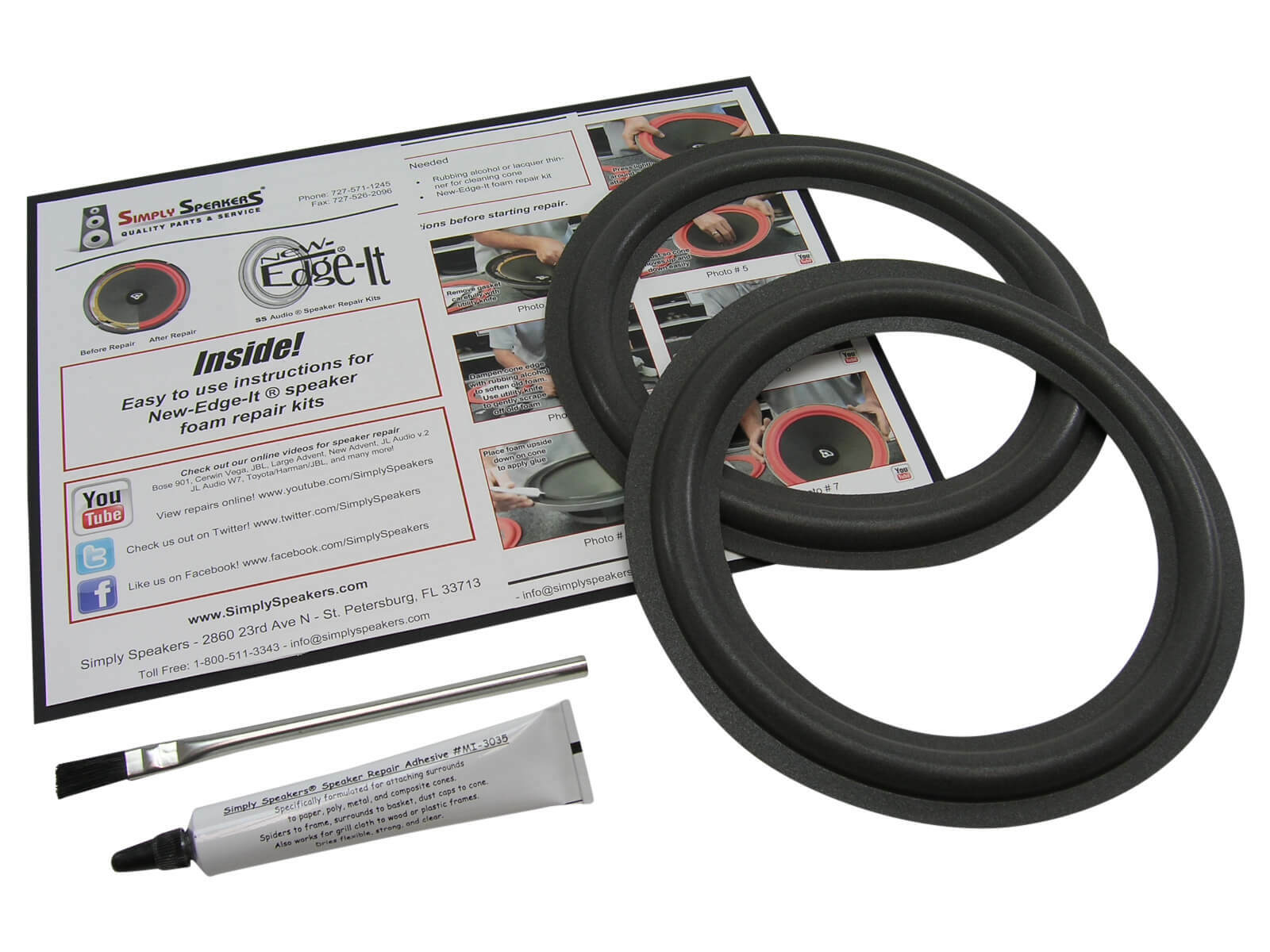
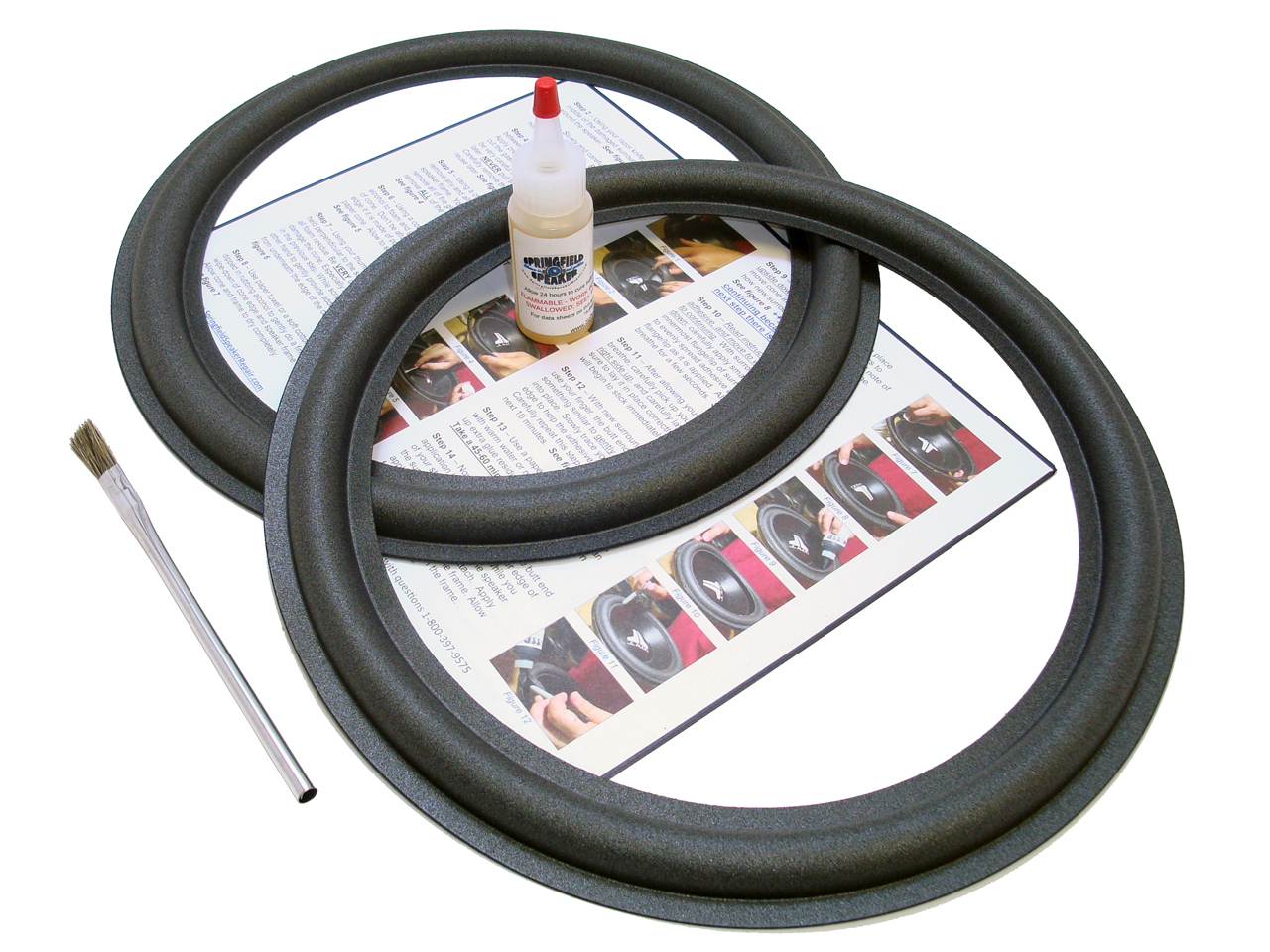
The biggest threat to longevity is foam degradation. The surrounds on the 12-inch woofer and 8-inch midbass driver are prone to rot after 50 years, leading to flapping cones and distorted bass. Re-foaming is essential for any pair that hasn’t been maintained, and costs between $200 and $300 per speaker when done professionally. The tweeter fuses are another point of failure — while protective, they can blow during transport or improper setup, and replacements aren’t always easy to source.
Buyers should also test the warning lamps and ensure the crossover panel is intact. The binding posts are simple spring terminals, not bi-wire capable, so upgrading cables won’t yield major gains. And while the vinyl laminate protects against spills and scratches, it can yellow or peel over time, especially on edges and corners. Refinishing is possible but risky — the original finish is part of the speaker’s character.
If you’re considering an XR-5, ask: Do you have a high-powered amplifier? Are you willing to use an equalizer? Is your room large enough to let the bass breathe? These aren’t speakers for casual listening — they’re for enthusiasts who appreciate McIntosh’s engineering ethos and don’t mind the quirks. Paired correctly, they deliver a clean, uncolored sound with excellent dynamics. Mismatched, they can sound dull, strained, or worse — like a cautionary tale about brand loyalty.
eBay Listings
As an eBay Partner, we earn from qualifying purchases. This helps support our independent vintage technology research.
Related Models
- McIntosh mr75 (1971-1977)
- McIntosh ml-1 (1969-1975)
- McIntosh mr7083 (1993-1995)
- McIntosh mr74 (1972-1977)
- McIntosh mr78 (1972-1977)
- Sony ps-5550 (1978-1980)
- Sony ps-lx5r (1983-1985)
- Sony ss-7220a (1970s)
- Sony ss-97 (Late 1970s (approximately 1977-1979))
- Sony ss-999 (Late 1970s (approximately 1977-1979))