Marantz Model 7 SPK G
Step into a 1970s listening room, and you might spot the Marantz Model 7 SPK G perched neatly on a shelf or flanking a walnut console. This compact speaker system emerged during Marantz’s golden era—a time when the brand was defining high-fidelity audio with iconic receivers and amplifiers. While the electronics stole the spotlight, the Model 7 SPK G played a quieter role: a carefully styled companion piece, designed to complete the Marantz look and sound in living rooms across the world. It wasn’t built to dominate audiophile debates. Instead, it offered harmony—both visually and sonically—with the rest of the lineup.
Small, understated, and built for integration, the Model 7 SPK G fits the profile of a bookshelf speaker from the mid-’70s Japanese hi-fi wave. Though technical details are sparse, its size and era suggest it was meant for intimate listening—background jazz, FM radio, or soft rock at moderate volumes. It wasn’t chasing deep bass or stadium-scale dynamics. Its mission was balance, refinement, and belonging to a system where every component bore the Marantz name.
Specifications
| Feature | Specification |
| Model | Model 7 SPK G |
| Brand | Marantz |
| Category | Bookshelf Speaker |
| Year of Release | Circa 1975 |
| Driver Configuration | Unknown |
| Power Handling | Unknown |
| Impedance | Unknown |
| Sensitivity | Unknown |
| Frequency Response | Unknown |
| Enclosure Type | Likely sealed or bass-reflex |
| Dimensions | Compact, bookshelf-sized |
| Weight | Unknown |
Note: Technical specifications for the Model 7 SPK G are not officially documented in surviving literature. The above details are inferred based on design trends of Marantz speakers from the era.
Historical Context
The 1970s were Marantz’s coming-of-age moment in high-end audio. Flagship receivers like the Model 25 and amplifiers such as the Model 15 set benchmarks for performance and craftsmanship. But Marantz didn’t stop at electronics. They envisioned complete systems—tuners, preamps, power amps, and speakers—all speaking the same design language. The Model 7 SPK G was part of that vision: a speaker built not to stand alone, but to sit beside a Marantz amplifier and look like it belonged.
Unlike the breakout hits from AR, KLH, or Advent, the Model 7 SPK G never became a cult favorite. It wasn’t marketed as a sonic revolution. More likely, it was bundled with electronics or offered as a finishing touch for buyers wanting a fully branded setup. As a result, it slipped through the cracks of audio history—rarely reviewed, seldom discussed, and now, quietly obscure.
Its collectibility clocks in at a modest 3 out of 10. It won’t turn heads at a hi-fi show. But for collectors restoring a full Marantz stack from the ’70s, finding a matching pair of Model 7 SPK Gs is like uncovering the last puzzle piece. They’re not legendary—but they’re authentic.
Sound Signature
No original reviews survive, and no lab measurements exist. But reading between the lines of its design and era, the Model 7 SPK G likely delivered a warm, smooth presentation—typical of Japanese speakers from the mid-1970s. Expect a gentle roll-off in the deep bass, a laid-back treble, and a midrange that’s forgiving on imperfect recordings. This wasn’t a speaker for critical listening at high volumes. It was made for nearfield enjoyment—vinyl at low levels, late-night radio, or background music in a well-appointed room. Think of it as the audio equivalent of soft lighting: subtle, inviting, and perfectly in tune with its time.
Maintenance and Restoration Tips
Time takes its toll on all vintage speakers, and the Model 7 SPK G is no exception. If you’ve found a pair—or are considering buying one—here’s what to watch for:
- Foam Surrounds: Most drivers from this era used foam surrounds, which dry out and crumble after decades. Check for disintegration. Re-foaming is routine and affordable, often restoring both performance and longevity.
- Capacitors in Crossovers: If the speaker uses a crossover, older capacitors may have degraded. Replacing them can revive clarity and prevent imbalance or distortion.
- Grille Fabric: Original grilles often fade or tear. Swap in period-correct, acoustically transparent cloth to restore curb appeal without muffling the sound.
- Cabinet Condition: Inspect the wood veneer for scratches, warping, or water damage. Light polishing and careful cleaning can bring back its warm, vintage glow.
- Driver Functionality: Test each driver individually. Listen for rattles, distortion, or weak output. In extreme cases, re-coning or full replacement may be needed—but many units respond well to basic restoration.
Market Value and Collectibility
The Marantz Model 7 SPK G trades at the quieter end of the vintage market. Functional pairs rarely exceed under $100, with price depending on condition, originality, and whether they come with grilles or matching finishes. Restored sets in show-ready condition may fetch a bit more, especially from collectors chasing authenticity in a full Marantz system.
At a collectibility rating of 3/10, it’s not a financial investment. No breakthrough tech, no legendary reviews, no scarcity-driven hype. But it’s a genuine artifact of Marantz’s broader philosophy: a brand that cared about the whole experience, not just the specs. For system purists and vintage restorers, that’s worth something.
Conclusion
The Marantz Model 7 SPK G may not be a star, but it’s a storyteller. It speaks of an era when high-fidelity wasn’t just about decibels and distortion—it was about elegance, cohesion, and the quiet pride of owning a complete, matching set. It wasn’t built to impress audiophiles at listening parties. It was made to blend in, to complement, to complete the look. For collectors restoring a 1970s Marantz stack, finding a good pair of Model 7 SPK Gs isn’t about chasing rarity. It’s about finishing the story. With a little care, they can still bring warmth—both in sound and in nostalgia—to a classic hi-fi setup.
eBay Listings

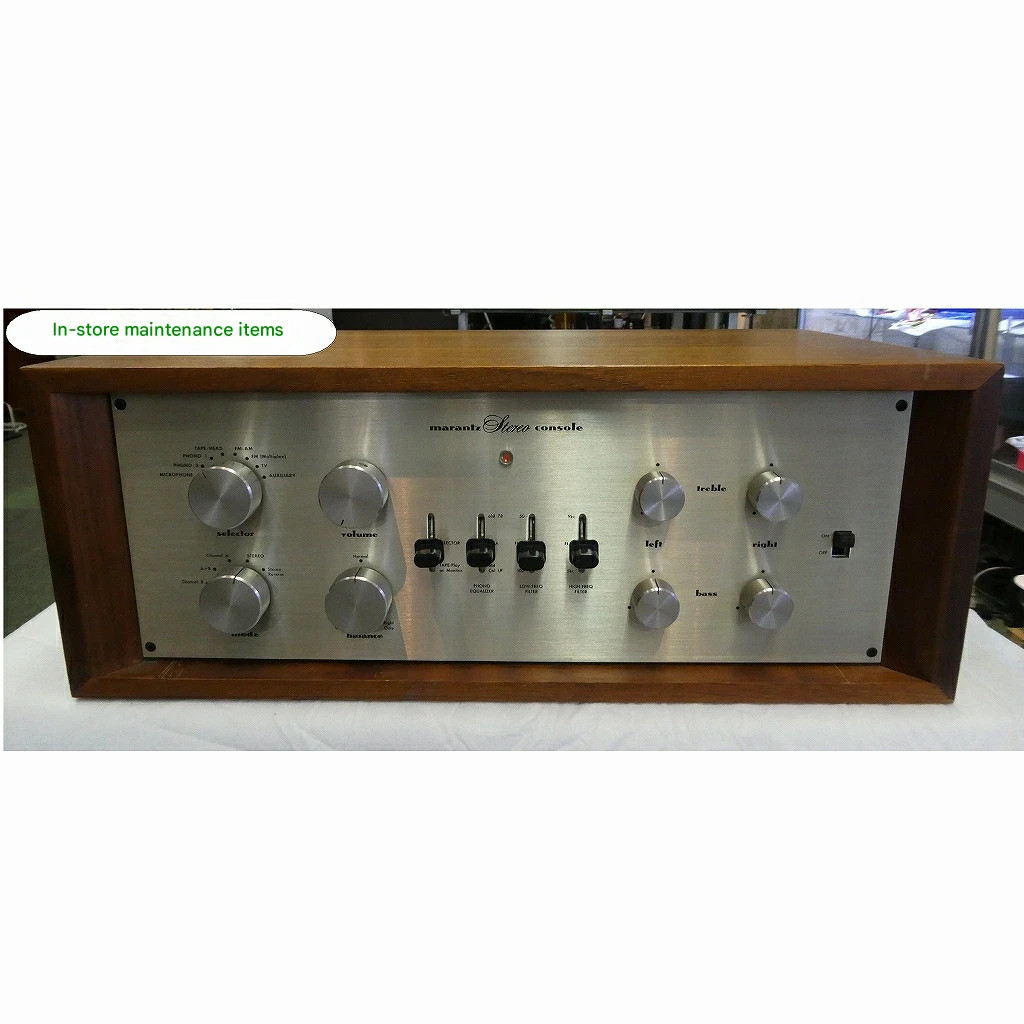
![[Maintained] MARANTZ MODEL 7 Working w/wooden cabinet](https://i.ebayimg.com/images/g/MKoAAOSw1N5niL7h/s-l1600.jpg)
As an eBay Partner, we earn from qualifying purchases. This helps support our independent vintage technology research.
Related Models
- Marantz 3600 (1976-1977)
- Marantz MODEL 112 (1971-1973)
- Marantz MODEL 115 (1975-1977)
- Marantz MODEL 260 (1976-1978)
- Marantz MODEL 28 (1971-1973)
- Akai AM-2850 (1975)
- Akai AP-206 (1975)
- Nakamichi BX-1 (1985)
- Acoustic Research research-ar-17 (1978)
- Acoustic Research AR-19 (1994)