Marantz Model 2130 (1974)
The Marantz Model 2130 is a high-fidelity FM/AM tuner introduced in 1974 as part of Marantz’s prestigious receiver and component lineup of the 1970s. Though it lacks built-in amplification—making it a tuner rather than a full receiver—it was designed to pair seamlessly with Marantz preamps and power amplifiers of the era. The 2130 stands out for its advanced quartz-locked digital frequency synthesizer tuning system, a cutting-edge feature at the time that offered exceptional tuning precision and stability.
Renowned for its clean, accurate sound reproduction and excellent weak-signal reception, the Model 2130 remains a sought-after component among vintage audio enthusiasts and collectors who appreciate its blend of elegant design, technical innovation, and reliable performance.
Specifications
| Feature | Specification |
| Year of Production | 1974–1977 |
| Type | FM/AM Tuner (No Amplification) |
| Tuning System | Quartz-locked digital frequency synthesizer |
| FM Sensitivity | 1.9 μV (IHF usable sensitivity) |
| AM Sensitivity | Not specified |
| Tuning Range | FM: 87.5–108 MHz, AM: 530–1710 kHz |
| Display | Analog signal strength and center tuning meters |
| Indicators | FM stereo indicator, tuning meters |
| Controls | Muting switch, band selector, tuning knob, mode controls |
| Case Finish | Walnut veneer side panels |
| Dimensions | 17" W × 5.9" H × 14.6" D |
| Weight | 22.9 lbs (10.4 kg) |
Key Features
- Quartz-Locked Digital Tuning: One of the early adopters of digital synthesizer tuning, the 2130 offered unmatched frequency accuracy and drift-free reception.
- Signal and Center Tuning Meters: Dual analog meters provide real-time feedback on signal strength and precise station centering for optimal FM reception.
- FM Stereo Indicator: Clearly indicates when a stereo broadcast is detected.
- Muting Switch: Allows silencing of the audio output during tuning or weak signal conditions to reduce noise.
- High Selectivity and Sensitivity: Engineered to deliver clean reception even for distant or weak stations, minimizing interference and distortion.
- Classic Marantz Design: Features a brushed aluminum faceplate, large tuning dial, and warm walnut side panels that exemplify 1970s hi-fi aesthetics.
Historical Context
The Marantz Model 2130 arrived during a transformative period in audio technology. The mid-1970s saw the transition from analog needle-tuning and mechanical dials to digital frequency synthesis, and Marantz was at the forefront of this shift. The 2130’s quartz-locked tuning system represented a significant leap forward in tuning accuracy, eliminating the frequency drift common in analog tuners.
As part of Marantz’s premium component series, the 2130 was designed for audiophiles who demanded precision and clarity in FM broadcasting. It complemented other high-end components in the Marantz lineup, such as the Model 25 preamplifier and Model 8B amplifier. Its build quality, circuit design, and attention to detail reflect Marantz’s reputation for excellence during this golden era of hi-fi.
Though not a receiver in the traditional sense (lacking amplification), the 2130 was often paired with Marantz receivers or used in separates systems, making it a versatile and reliable front-end tuner.
Sound Signature
The Model 2130 is praised for its clean, transparent FM reception with minimal distortion. Its high sensitivity and excellent selectivity allow it to resolve weak signals clearly, outperforming many contemporary tuners in challenging reception environments. The audio path is designed for accuracy rather than coloration, staying true to Marantz’s philosophy of faithful signal reproduction. AM reception is solid for its era, though FM remains its primary strength.
Maintenance and Tips
Like all vintage electronics, the Marantz Model 2130 benefits from regular maintenance to ensure optimal performance:
- Capacitor Replacement: Electrolytic capacitors degrade over time. Replacing them (especially in the power supply) can prevent failures and restore reliability.
- Cleaning Controls: Use high-quality contact cleaner on the selector switches, potentiometers, and tuning mechanism to eliminate crackling or intermittent signals.
- Alignment Check: Over decades, tuning alignment may drift. A qualified technician can realign the IF and RF stages to restore peak sensitivity.
- Bulb Replacement: The tuning meters and indicators use small incandescent bulbs that may need replacement. Use exact voltage and size equivalents to avoid damage.
- Ventilation: Ensure adequate airflow around the unit to prevent overheating, especially during extended use.
- Use a Surge Protector: Protect the delicate circuitry from voltage spikes with a quality surge-protected power strip.
Collectibility and Market Value
The Marantz Model 2130 holds a collectibility rating of 7/10. It appeals to vintage audio collectors due to its advanced tuning technology, solid build quality, and iconic Marantz design. Units in excellent cosmetic and working condition—with bright meters and responsive tuning—command higher prices.
Current Market Value: $150–$300, depending on condition, functionality, and originality.
While not as widely collected as full receivers like the 2270 or 2385, the 2130 is valued by purists who appreciate its role in the evolution of digital tuning and its excellent performance as a dedicated tuner.
Conclusion
The Marantz Model 2130 is a technically advanced FM/AM tuner that exemplifies Marantz’s commitment to innovation and audio excellence in the 1970s. Its quartz-locked digital tuning, precise meters, and clean reception make it a standout component for vintage hi-fi systems. With proper care and maintenance, the 2130 continues to deliver exceptional performance, serving as both a functional tuner and a classic piece of audio history.
eBay Listings
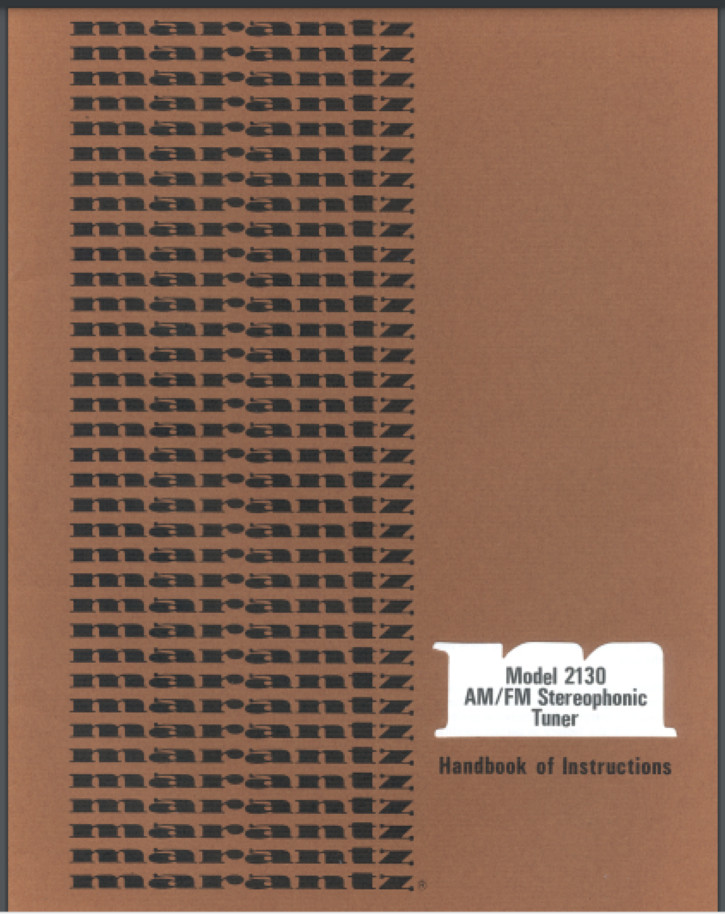

As an eBay Partner, we earn from qualifying purchases. This helps support our independent vintage technology research.
Related Models
- Marantz 2215B (1978-1980)
- Marantz HD 440 (1976-1977)
- Marantz 1515 (1976-1978)
- Marantz 4220 (1974-1976)
- Marantz 4230 (1974-1976)
- Aiwa CS-250 (1978)
- Denon TU-1500RD (1995)
- Denon TU-280 (1976)
- Denon TU-501 (1977)
- Denon TU-550 (1978)