Marantz Imperial 7 (1975)
The Marantz Imperial 7 is a classic two-way, three-driver bookshelf speaker introduced in 1975 as part of Marantz’s mid-tier Imperial series. Designed during a golden era of high-fidelity audio, the Imperial 7 offers a warm, inviting sound signature and elegant walnut veneer construction that continues to attract vintage audio enthusiasts today. While not as refined as Marantz’s flagship models, the Imperial 7 delivers excellent value with its balanced performance and vintage Marantz aesthetic.
Specifications
| Feature | Specification |
| Model | Imperial 7 |
| Brand | Marantz |
| Production Years | 1975–1978 |
| Type | Passive, 3-way, bass-reflex |
| Drivers | 12" woofer, 5" midrange, 3" tweeter |
| Enclosure | Acoustic suspension (sealed) |
| Impedance | 8Ω nominal |
| Power Handling | 70W (nominal), 100W (peak) |
| Sensitivity | 91 dB (1W/1m) |
| Frequency Response | 45 Hz – 20 kHz (estimated) |
| Crossover | 2nd order passive network |
| Cabinet Finish | Walnut veneer with foam grille |
| Dimensions (H×W×D) | 24" × 12" × 12.5" (approx.) |
| Weight | 42 lbs (19 kg) per cabinet |
Historical Context
The Imperial 7 was part of Marantz’s Imperial series launched in the mid-1970s, positioned between the entry-level and high-end offerings. At a time when Marantz was gaining acclaim for its warm, musical sound and meticulous build quality, the Imperial series brought that signature experience to a broader audience. The Imperial 7, with its large 12-inch woofer and three-driver configuration, stood out in its class for delivering deep bass and a spacious soundstage—rare for bookshelf-sized cabinets of the era.
Marantz leveraged its reputation for sonic refinement and elegant design, and the Imperial 7 reflected both. The walnut veneer finish, clean front baffle, and minimalist foam grilles gave it a timeless look that complemented the decor of 1970s living rooms. Though not as collectible as the Model 7 or Model 9 speakers, the Imperial 7 remains a respected representative of Marantz’s mid-tier engineering during a pivotal decade in audio history.
Sound Signature
The Imperial 7 delivers a warm, smooth, and balanced sound with a pronounced emphasis on mid-bass and lower midrange. Its acoustic suspension design ensures tight, controlled bass response despite the large woofer, while the midrange remains lush and natural—ideal for vocals and acoustic instruments. The 3-inch tweeter provides a laid-back high end, avoiding harshness or sibilance, making these speakers excellent for long listening sessions.
While not as detailed or transparent as higher-end contemporaries, the Imperial 7 excels in musicality and tonal coherence. It pairs well with vintage tube amplifiers and solid-state receivers from the 1970s, enhancing the analog warmth that defines the Marantz sound.
Maintenance and Restoration Tips
Like many vintage speakers from the 1970s, the Imperial 7 requires attention to aging components to perform at its best:
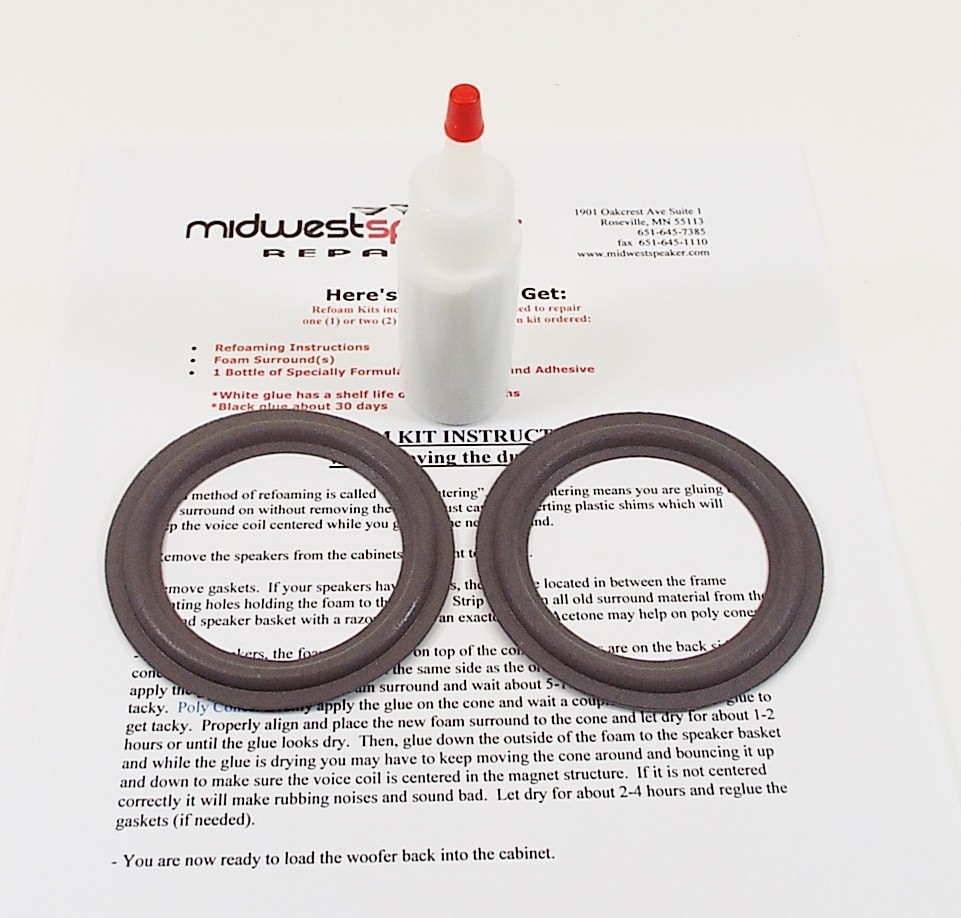
- Foam Surround Replacement: The foam surrounds on both the 12-inch woofer and 5-inch midrange driver are prone to drying, crumbling, and disintegration. Re-coning or replacing with modern rubber surrounds is highly recommended.
- Grille Care: The original foam grilles often sag or discolor. Consider replacing the fabric with acoustically transparent material while preserving the original frame.
- Crossover Recapping: Over time, electrolytic capacitors in the crossover can degrade, leading to muffled sound or driver imbalance. Replacing these with modern film capacitors improves clarity and reliability.
- Cabinet Inspection: Check for loose joints or veneer lifting. Clean the walnut finish with a gentle wood polish to restore luster.
- Bi-Wiring: While originally single-wired, some owners upgrade to bi-wire terminals for improved dynamics, though this alters originality.
Market Value and Collectibility
The Marantz Imperial 7 holds moderate collectibility, rated 6/10, due to its solid reputation and vintage Marantz branding, though it lacks the legendary status of the company’s flagship models. Well-restored pairs in excellent condition typically sell for $150–$300 per pair, with prices influenced by cosmetic condition, driver integrity, and restoration quality.
They are particularly sought after by listeners who appreciate vintage audio gear with a forgiving, musical character and classic 1970s styling. While not rare, their enduring performance and Marantz pedigree ensure continued interest in the secondhand market.
Conclusion
The Marantz Imperial 7 is a testament to 1970s audio craftsmanship—offering warm, engaging sound, elegant design, and solid build quality. While it demands some maintenance due to age, a properly restored pair delivers a nostalgic listening experience that captures the essence of vintage hi-fi. For enthusiasts seeking the Marantz sound without the premium price tag, the Imperial 7 remains a compelling and rewarding choice.
eBay Listings


As an eBay Partner, we earn from qualifying purchases. This helps support our independent vintage technology research.
Related Models
- Marantz 3600 (1976-1977)
- Marantz MODEL 112 (1971-1973)
- Marantz MODEL 115 (1975-1977)
- Marantz MODEL 260 (1976-1978)
- Marantz MODEL 28 (1971-1973)
- Akai AM-2850 (1975)
- Akai AP-206 (1975)
- Nakamichi BX-1 (1985)
- Acoustic Research research-ar-17 (1978)
- Acoustic Research AR-19 (1994)