Marantz CDR620
A write-once CD recorder built like a broadcast tool — SCSI, AES/EBU, and a price tag that put it on the station's capital budget, not the home shelf.
Overview
The CDR620 is the machine that sat in the rack room of a radio station or a post house, not on a hi-fi credenza. Marantz Professional built it as a stand-alone write-once compact disc recorder, and the feature set tells you exactly who it was for: a built-in sample rate converter, a DAT start ID / CD track converter, a SCSI-II computer interface for CD-ROM recording, complete Red and Orange Book compatibility, balanced analog I/O, AES/EBU and IEC-958-II digital I/O, multiple-unit cascading, and an optional full-function remote. That SCSI-II port is the tell. This is a recorder that could talk to a workstation, not just to a pair of RCA cables.
The balanced analog inputs and the AES/EBU digital connections are the other giveaway. Consumer CD recorders of the era gave you unbalanced RCA and maybe an optical jack; the CDR620 gives you the professional interconnect standards, which means it was designed to drop into a studio or broadcast chain without a pile of adapters. Digital cascading lets more than one unit be chained together, and the DAT start ID / CD track converter means the machine could take the subcode markers from a DAT tape and translate them into CD track divisions — the kind of housekeeping that saves a mastering engineer an afternoon of manual indexing.
The sample rate converter was the practical heart of the thing. Sources feeding a CD recorder rarely arrive at exactly 44.1 kHz, and the CDR620's converter handled the mismatch internally rather than forcing the user to hunt down a dedicated outboard box. Add the adjustable digital fade-in/fade-out, the automatic and manual track incrementing, and the 34-key two-way wired remote that came with the CDR615RC/CDR620 pair, and you have a recorder built for repeatable, hands-off operation — the opposite of a fiddly consumer deck.
Pricing kept it firmly in professional territory. Distributor listings showed the CDR620 at a manufacturer's list of $3,600.00, with at least one catalog quoting it as high as $5,000.00 — either figure puts it well beyond what a home user would spend on a CD burner in the late 1990s. The CDR615RC, its unbalanced-output sibling, listed at $2,300.00; the CDR620's premium bought the SCSI-II interface, 2x speed recording, XLR (AES/EBU) digital I/O, digital cascading, and index recording and playing. That price gap is a clean map of what Marantz thought the professional buyer would pay for.
Sound on Sound UK (1997, p.214) framed the CDR620 as the answer to a specific workflow problem: the need to carry out duplication work while other tasks were running, and the awkwardness of tying up a host computer to do it. The magazine noted that a stand-alone CD-R recorder like the Marantz had the huge advantage of freeing the user from a software/hardware rig, and that under SCSI control the unit supported a wide range of CD formats including CD-ROM (XA), CD-I, Photo-CD, Video-CD, CD-Plus, and CD-DA. That's the case for the machine in one sentence: it's a disc recorder that doesn't need a PC to be a disc recorder, but can join one when you want it to.
The format itself was still finding its feet when the CDR620 arrived. Studio Sound (May 1997, p.38) ran a piece on the CDR620 under the banner that recordable CD was coming of age — a fair summary of where CD-R sat in the professional market at the time. The magazine returned to the machine that July (p.84) with a feature and a giveaway, and the surrounding copy makes the point that early CD-R hardware was expensive and feature-thin while the format was still sorting itself out. The CDR620 landed on the more capable end of that curve.
What the CDR620 is not, per the period coverage, is a rewritable machine. It records CD-R once; the CD-RW format is a separate story, and the professional argument at the time was that CD-RW's incompatibility with standard CD players kept it out of broadcast work while CD-R stayed the delivery format. That's the world the CDR620 was built for: a disc you burn once, a table of contents you write once, and a physical object you hand to someone. The Orange Book II multisession capability meant audio could be added across separate recording sessions, but once the Red Book table of contents was written, it was final — no updating, no erasing. The CDR620's job was to make that finality reliable.
eBay Listings

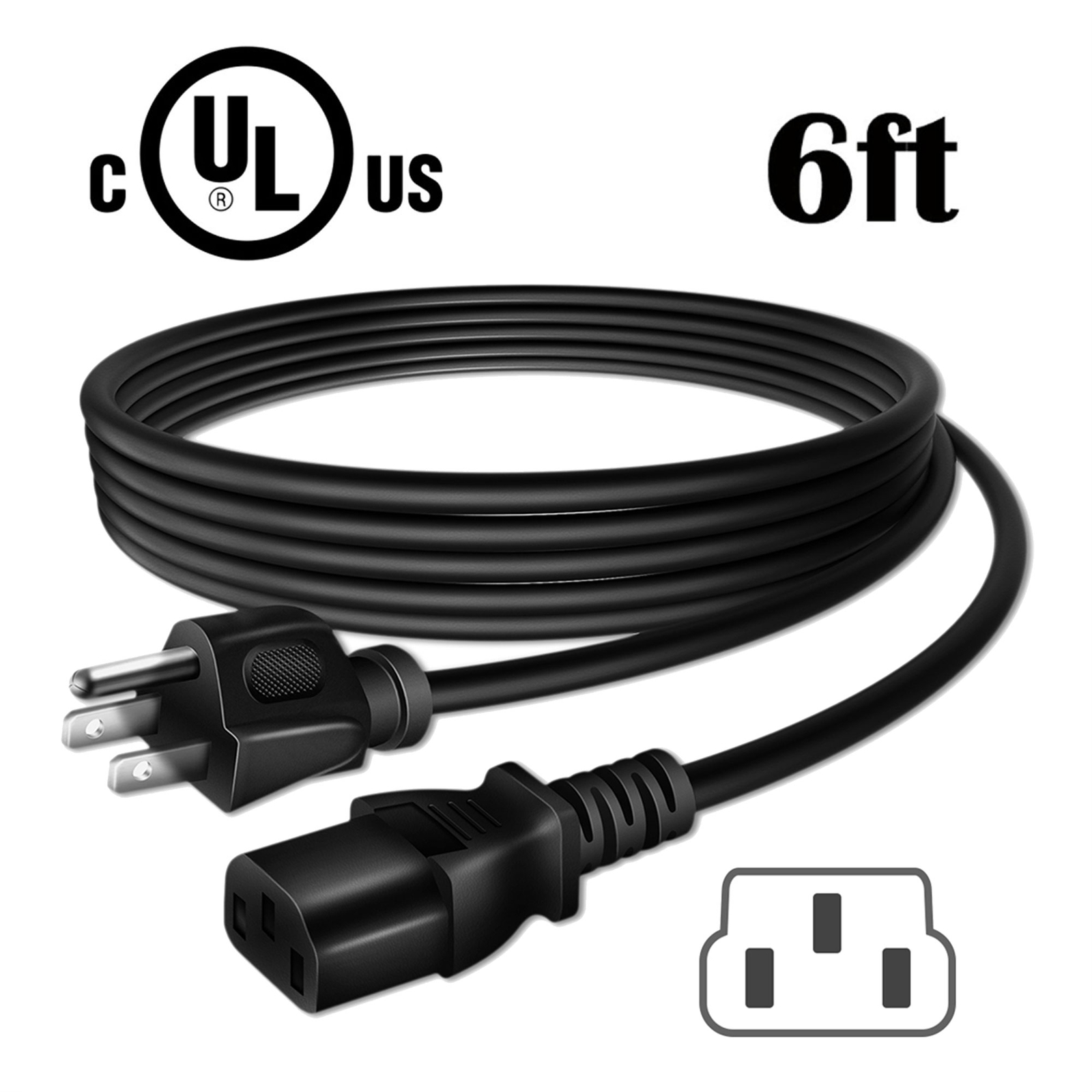
As an eBay Partner, we earn from qualifying purchases. This helps support our independent vintage technology research.