Kenwood LS-400 (c. 1977–1979)
Big, honest sound from a speaker that chased neutrality through brute-force engineering and a panel of 60 critical ears.
Overview
Pull one of these out of its box today, and the first thing you notice isn’t the sound—it’s the weight. At 18 kilograms each, the Kenwood LS-400s don’t just sit on your stands; they claim them. These aren’t delicate Japanese mini-monitors from the late ’70s—they’re full-bodied, floor-standing statements built like studio monitors but voiced for the living room. And they were designed with a level of obsessive detail that still raises eyebrows among vintage speaker geeks. Kenwood didn’t just slap drivers in a box and call it a day. They assembled a panel of over 60 musicians, critics, and dealers, put prototypes in front of them, and iterated until the listening panel approved. That’s not common practice for a mid-tier flagship in the late ’70s—it’s the kind of thing you’d expect from Yamaha or Technics at their most ambitious.
The LS-400 is a three-way, sealed-box design, which already sets it apart from the bass-reflex crowd that was starting to dominate. Sealed enclosures were falling out of fashion by the late ’70s because they sacrificed low-end extension for tighter control, but Kenwood doubled down. They wanted accuracy, not boom. The bass driver is a massive 30 cm (12-inch) cone unit with a Canadian kraft pulp cone—hand-selected after exhaustive listening tests. The surround uses an asymmetric S-roll edge, a clever hybrid that combines the durability of a rolled edge with the linearity of a reverse roll, reducing distortion during large excursions. That woofer is paired with a T-shaped pole piece that’s been precision-cut to even out magnetic flux, which in theory reduces harmonic distortion and keeps the voice coil moving cleanly.
Midrange duties fall to a 12 cm composite driver, a less common design where the dome is directly coupled to the voice coil while a cone handles the lower mids. It’s an attempt to get the speed of a dome with the authority of a cone, and in practice, it gives the LS-400 a midrange that’s neither too forward nor too recessed—just present, like a well-mixed vocal track. The tweeter is a silk soft dome, thermoformed for consistency, and it’s mounted with a V-shaped edge molded at 140°C for better damping and faster transient response. Kenwood was clearly chasing time-domain accuracy here, not just frequency extension.
And then there’s the cabinet. The front baffle uses a laminated core of pure beech wood, bonded in a Lambertian pattern to minimize internal resonance and improve sound transmission. The rear baffle is made from highly absorbent laminboard, which Kenwood claimed reduced wall interaction and improved imaging. The whole thing measures 392 x 645 x 315 mm—compact by modern floorstander standards, but substantial for a bookshelf-style speaker of its era. Despite the name “bookshelf,” these are not bookshelf speakers in the modern sense. They’re too tall, too heavy, and too demanding of space. They’re better thought of as compact floorstanders, the kind that look right at home flanking a turntable rack in a 1978 Tokyo apartment.
The LS-400 was part of a broader LS series that included the LS-403A, LS-405A, and later the B and C revisions. But the LS-400 stood near the top of the early lineup, just below the LS-1200 and LS-1600 monsters. It wasn’t the most powerful or the most expensive, but it was arguably the sweet spot—offering flagship-level engineering without the price tag of the ultra-high-end models. It was built during a golden era for Japanese hi-fi, when brands like Kenwood, Pioneer, Sansui, and Yamaha were locked in a quiet war for sonic supremacy, each pushing boundaries in materials, crossover design, and cabinet construction.
Specifications
| Manufacturer | Kenwood |
| Production Years | c. 1977–1979 |
| Original Price | ¥35,000 (1973), ¥43,000 (1974) |
| Model Type | 3-Way, 3-Speaker, Airtight (Sealed) Enclosure |
| Enclosure Style | Floorstanding / Bookshelf Type |
| Low Frequency Driver | 30 cm Cone Type (Canadian Kraft Pulp) |
| Mid Frequency Driver | 12 cm Composite Type |
| High Frequency Driver | Soft Dome Type (Thermoformed Silk) |
| Frequency Response | 35 Hz – 20 kHz ± 10 dB |
| Maximum Input Power | 60W |
| Nominal Impedance | 8 Ω |
| Output Sound Pressure Level | 90 dB/W/m |
| Crossover Frequencies | 600 Hz, 6 kHz |
| Crossover Components | Metallized Film Capacitors, Silicon-Steel Core Coils |
| Dimensions (W×H×D) | 392 × 645 × 315 mm |
| Weight | 18 kg per speaker |
| Grille Options | White (included), Deep Brown (sold separately, LSG-4) |
| Special Features | Asymmetric S-Roll Edge, T-Shaped Pole Piece, V-Edge Tweeter, Beech Wood Baffle |
Key Features
The Listening Panel That Shaped a Speaker
What makes the LS-400 truly unusual isn’t just its spec sheet—it’s the process behind it. Kenwood didn’t rely solely on anechoic chamber measurements or distortion curves. They built the LS series with feedback from over 60 trained listeners: musicians, audio critics, dealers. That kind of user-centered design was rare in the 1970s, especially outside of broadcast or studio monitor development. The idea was to balance measured performance with subjective listening, ensuring the speaker didn’t just test well—it sounded right. This dual approach explains why the LS-400 avoids the common pitfalls of its era: no exaggerated bass hump, no sibilant tweeter peak, no midrange shout. It’s a speaker that aims for neutrality, not excitement.
Woofer Engineering That Defied Convention
The 30 cm woofer is where Kenwood’s engineering obsession really shows. The use of Canadian kraft pulp wasn’t arbitrary—Kenwood tested papers from around the world, analyzing fiber structure and damping characteristics before settling on this specific material. The asymmetric S-roll surround is a standout feature: it’s stiffer on the outer edge and more compliant on the inner, reducing non-linear distortion during large cone movements. Combine that with a large compliance damper and edge, and you’ve got a woofer designed to stay linear well below 100 Hz. The T-shaped pole piece, machined for uniform magnetic flux, further reduces harmonic distortion—especially third-order harmonics, which can make bass sound “muddy” or “one-note.” This isn’t a woofer built for slam; it’s built for accuracy.
Sealed Cabinet, Open Sound
In an era when bass reflex designs were becoming the norm—thanks to their extended low-end response—Kenwood stuck with a sealed (airtight) enclosure. That choice means the LS-400 rolls off earlier in the bass—35 Hz is respectable but not earth-shaking by modern standards. But the trade-off is tight, controlled bass with excellent transient response. There’s no port noise, no bloated midbass, and no tuning peak to color the sound. The cabinet’s construction supports this philosophy: the front baffle’s beech wood core reduces resonance, while the rear’s absorbent laminboard minimizes standing waves. The result is a speaker that images well, even in less-than-ideal rooms, and doesn’t lean on room gain to fake bass weight.
Historical Context
The LS-400 arrived during a golden stretch for Japanese hi-fi, roughly 1975 to 1982, when brands were investing heavily in R&D and competing on both technical innovation and sonic refinement. Kenwood, while not as globally dominant as Sony or Yamaha, had a strong reputation among enthusiasts for solid engineering and understated design. The LS series was their answer to the high-end speaker arms race—models like the Sansui SR series, Pioneer S series, and Yamaha NS-1000M. Unlike some competitors who leaned into exotic materials or radical aesthetics, Kenwood took a more methodical approach: optimize every component, validate with listening tests, and build something that measured well *and* sounded natural.
The LS-400 sat in the upper-middle tier of the lineup—above the LS-403A and LS-405A, but below the LS-1200 and LS-1600 flagships. It wasn’t the most powerful (60W max input is modest by today’s standards), but it was designed to work well with the KT-series tuners and KA-series amps that Kenwood was producing at the time. The crossover used metallized film capacitors and silicon-steel core inductors—higher-grade components than the paper-in-oil caps and iron cores found in budget models. This attention to detail extended to the tweeter’s rear chamber, which was coated with a low-Q damping material to flatten response and reduce resonance. These weren’t cost-cutting measures; they were deliberate choices to improve linearity.
It’s also worth noting that the LS-400 predates the “B” and “C” revisions that would come later—models like the LS-407B and LS-408C. Those later versions often get more attention on the used market, partly because they’re more common, but the LS-400 represents an earlier, purer expression of Kenwood’s philosophy. It was built before cost pressures and market trends pushed speaker design toward more ported enclosures and lighter cabinets. In that sense, the LS-400 is a time capsule: a speaker from the moment when Japanese engineering was at its most uncompromising.
Collectibility & Value
Today, the LS-400 is a sleeper in the vintage speaker market. It doesn’t have the cult status of the Yamaha NS-1000M or the visual drama of the JBL L100, but it’s a serious performer for the price. Clean, unmodified pairs in good condition typically sell between $250 and $450 on the used market, depending on location and cosmetic state. That’s a bargain compared to other late-’70s Japanese flagships, which can easily fetch $800–$1,500.
But condition is everything. These speakers are over 45 years old, and the foam surrounds on the woofer and midrange drivers degrade over time. Unlike some vintage speakers that can be recapped and relaced with minimal effort, the LS-400’s 30 cm woofer requires a full refoaming job—$80–$120 per driver if done professionally. The midrange units are smaller but still need attention if they’re crackling or bottoming out. Some owners report success with DIY refoaming kits, but the asymmetric S-roll edge makes it trickier than a standard roll surround.
The crossovers are generally robust—metallized film caps and silicon-steel coils don’t fail as often as paper caps—but they should still be inspected. Capacitors can dry out, and solder joints may crack from thermal cycling. If the speakers sound dull or lack bass punch, it’s worth checking the crossover before assuming the drivers are shot.
Cosmetically, the LS-400 holds up well. The beech wood baffle ages gracefully, and the original white grilles (or the optional deep brown) are still available from specialty suppliers. However, the cabinet edges are prone to chipping, especially on the top and front corners. One seller on Reverb noted “small chips and dings” on a pair they listed—common for speakers this age, but something to watch for.
If you’re buying, power them up carefully. Start with low volume and listen for distortion, buzzing, or rattles. Test with a range of material—male vocals, acoustic guitar, kick drum—to check for driver imbalance. And don’t skip the listening test: these speakers were designed for it, after all.
They also have a reputation for sounding “lifeless” with modern solid-state amps. Some owners report that they come alive with vintage tube or early transistor gear—amps like the Kenwood KA-400 or Pioneer SA series. There’s truth to that: the LS-400’s sealed design and moderate efficiency (90 dB/W/m) benefit from the slight warmth and current delivery of older amplifiers. Pair them with a lean, clinical modern amp, and they might sound flat. But match them with the right electronics, and they reveal a balanced, natural tonality that’s hard to beat at any price.
eBay Listings
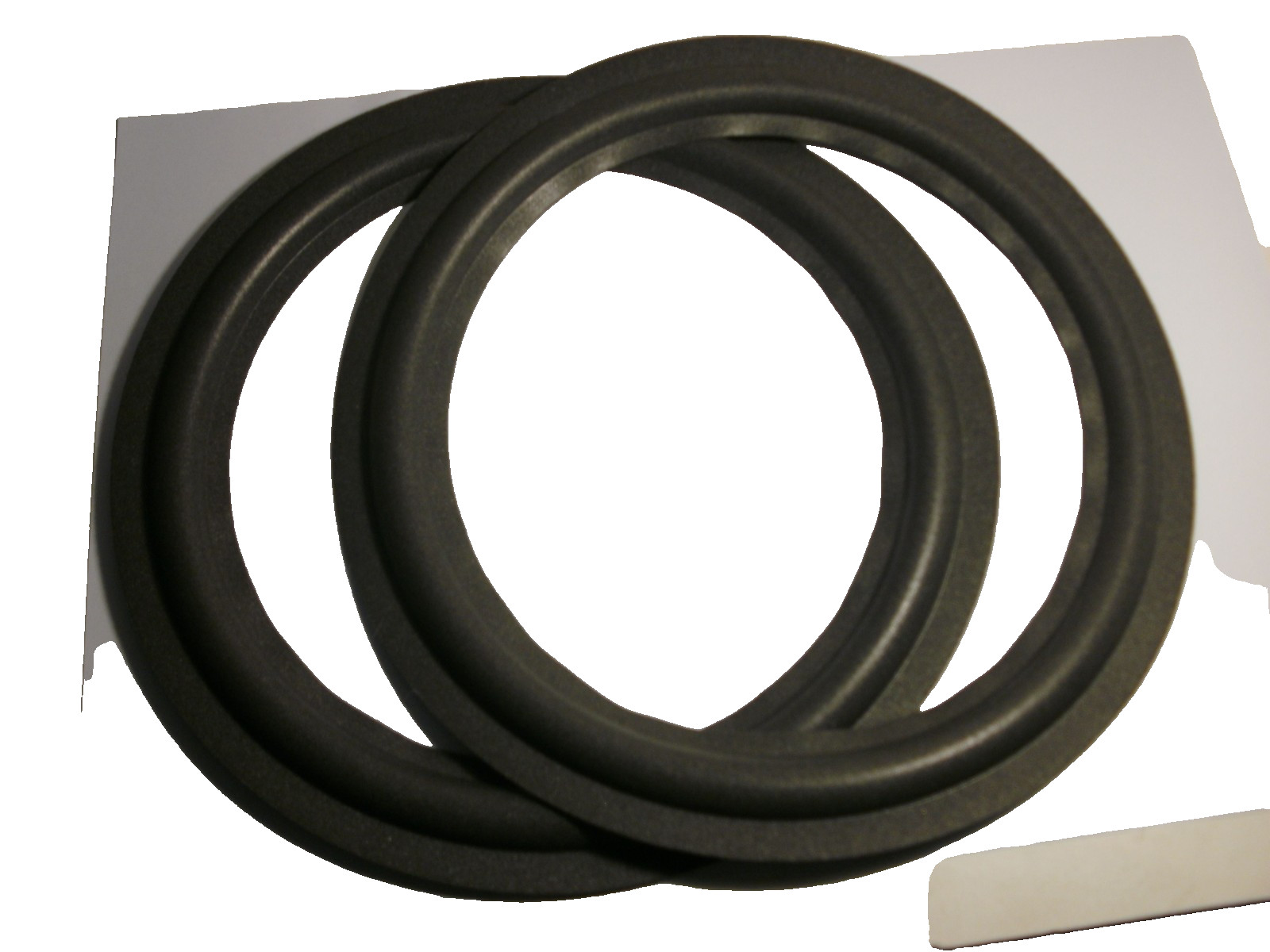
As an eBay Partner, we earn from qualifying purchases. This helps support our independent vintage technology research.
Related Models
- Kenwood kl-888s (Late 1970s (approximately 1978-1980))
- Kenwood kd-1500 (1972-1975)
- Kenwood ls-500 (Late 1970s (approximately 1978-1980))
- Kenwood kd-5070 (1979-1981)
- Kenwood kd-5077 (1978-1980)
- Sony ps-5550 (1978-1980)
- Sony ps-lx5r (1983-1985)
- Sony ss-7220a (1970s)
- Sony ss-97 (Late 1970s (approximately 1977-1979))
- Sony ss-999 (Late 1970s (approximately 1977-1979))