Kenwood KD-750 (1977–1982)
When you drop the needle on a well-maintained KD-750, the room doesn’t just fill with music—it settles into a hush, like the turntable just reminded everything what analog is supposed to sound like.
Overview
It’s easy to overlook the Kenwood KD-750 in a world obsessed with Technics SP-10s and Linn LP12s, but spend a few hours with one, and the truth sets in: this was Kenwood’s statement piece, a no-compromise direct-drive turntable built when Japanese engineering was hitting its analog stride. Forget plastic chassis and wobbly platters—this thing weighs nearly 18 kilograms, its body a dense composite frame wrapped in real rosewood veneer, the kind of finish that catches the light like old furniture in a dimly lit listening room. It wasn’t just built to last; it was built to outlive you. And unlike many of its contemporaries, the KD-750 didn’t bother with automatic tonearm features. No cueing motor, no auto-return, no gimmicks. What you get is pure, focused playback—manual operation from start to finish, which turns out to be a feature, not a flaw. This is a turntable for people who want to *be in the ritual*, not skip past it.
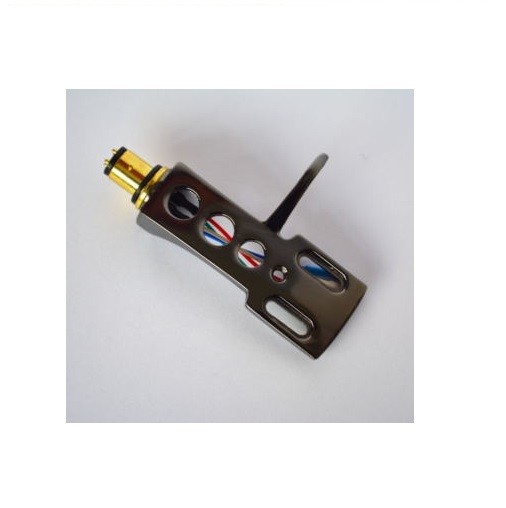
Sonically, the KD-750 doesn’t shout. It doesn’t punch you in the chest with bass or dazzle with treble sparkle. Instead, it unfolds music with a coherence and ease that feels almost pre-digital—organic, three-dimensional, and unforced. There’s a midrange presence here that makes vocals sound uncannily present, like the singer’s in the corner of the room, not beamed in from a recording. The bass is tight and articulate without being lean, and the high end rolls off gently, avoiding the clinical glare that some quartz-locked decks can suffer from. It’s not the last word in resolution by modern standards, but what it lacks in microscopic detail it makes up for in musical flow. With a decent cartridge swap—say, a Nagaoka MP-150 or a Denon DL-103—this deck reveals layers of texture and timing that still hold up against mid-tier modern turntables costing twice as much.
Positioned above the KD-550 and below the mythical KD-850, the KD-750 was the sweet spot of Kenwood’s late-’70s direct-drive lineup. It wasn’t the cheapest, but it wasn’t the flagship either—just the most complete expression of what Kenwood thought a high-end turntable should be. It came with a decent enough moving magnet cartridge out of the box, but owners quickly discovered that the real magic happened when you upgraded. The rigid, low-resonance plinth and precision-machined aluminum platter provide a stable foundation, and the quartz-locked motor delivers exceptional speed stability. In an era when many manufacturers were still wrestling with wow and flutter, the KD-750 simply didn’t care. It ran dead on 33⅓ and 45 RPM, every time, without breaking a sweat.
Specifications
| Manufacturer | Kenwood |
| Production Years | 1977–1982 |
| Original Price | Approx. 1,498 DM (West Germany) |
| Turntable Type | Direct Drive |
| Drive System | Quartz-locked DC servo motor |
| Speeds | 33⅓, 45 RPM |
| Speed Accuracy | ±0.02% |
| Wow and Flutter | Below measurable threshold (quartz stabilized) |
| Platter | Aluminum die-cast, 300 mm diameter |
| Tonearm | S-type, statically balanced, 9-inch effective length |
| Overhang Adjustment | Sliding base with micrometer scale |
| Cartridge Mount | ½-inch standard |
| Tracking Force Range | 0–3 grams (adjustable via dial) |
| Anti-Skate | Adjustable, continuous |
| Dimensions | 490 x 165 x 423 mm |
| Weight | 17.5 kg |
| Power Consumption | 35 W |
| Color Finish | Black with rosewood side panels |
| Country of Origin | Japan |
| Dust Cover | Clear acrylic, hinged front |
Key Features
The Quartz-Locked Motor That Changed the Game
Kenwood didn’t just slap a quartz crystal on a motor and call it a day—the KD-750’s drive system was a full servo-controlled loop, constantly monitoring and correcting speed in real time. This wasn’t just for bragging rights; it meant that even if you bumped the platter or the power fluctuated, the speed stayed rock solid. In an era when belt-drive turntables were still battling speed drift and idler wheels were wearing out, this was a revelation. The motor itself is massive, built into the chassis like an engine in a sports car, and it drives the platter through a direct coupling that eliminates any slippage or compliance issues. The result? A turntable that spins with a confidence that feels almost mechanical, yet never clinical.
Over-Engineered Chassis and Plinth
The KD-750’s body isn’t just heavy for show—every gram serves a purpose. The frame is made from a concrete-plastic composite, a material choice that sounds bizarre until you realize it’s incredibly dense and non-resonant. Layered with thick rosewood side panels, the whole assembly acts like a giant damping block, soaking up vibrations before they reach the stylus. This isn’t a deck that needs a fancy isolation platform; it brings its own. The platter is equally serious—thick die-cast aluminum with a felt mat, providing excellent mass and inertia. It spins up quickly and stays steady, even when you nudge it. And because it’s direct drive, there’s no belt to stretch or degrade over time, which means consistent performance for decades—if you keep the motor healthy.
Precision Manual Tonearm System
Kenwood skipped automation, but they didn’t skimp on the tonearm. The 9-inch S-shaped tonearm is a study in precision: statically balanced, with a finely graduated tracking force dial and a continuously adjustable anti-skate mechanism. The overhang is set via a sliding base with a micrometer scale, allowing for exact cartridge alignment. It’s not as fancy as a unipivot or a gimbal bearing, but it’s rigid, repeatable, and low-mass enough to work well with a wide range of cartridges. Owners report that it tracks exceptionally well, even with higher-compliance models, and the lack of motorized cueing means there’s one less circuit to fail over time. It’s a tonearm built for tweakability—replace the stock wiring with a better shielded cable, and the improvement is immediately audible.
Historical Context
The late 1970s were a golden age for Japanese turntable engineering, and Kenwood was right in the thick of it. While Technics was dominating the pro DJ market and Thorens was holding the high-end audiophile fort in Europe, Kenwood quietly built a reputation among connoisseurs for overbuilt, no-nonsense decks that prioritized performance over flash. The KD-750 arrived at a time when direct drive was still controversial—many audiophiles swore by belt drives, claiming direct-drive motors introduced noise and vibration. Kenwood answered that with brute-force engineering: massive plinths, isolated motors, and quartz precision that made speed accuracy a non-issue. Competitors like Pioneer (with the PL-518) and Sony (with the PS-X series) were pushing similar tech, but Kenwood’s approach was more conservative, more industrial. This wasn’t a turntable designed to win beauty contests; it was built to disappear into the background and let the music speak. And in that, it succeeded.
The market at the time was flooded with mid-tier automatic turntables—flimsy, plastic things that skipped at the slightest bump. The KD-750 was the antithesis of that. It cost nearly 1,500 Deutsche Marks when new, which put it firmly in the high-end category. It wasn’t for casual listeners. It was for people who cared about setup, who wanted to tweak their cartridge alignment, who understood that a good turntable is a tool, not a toy. And while it never achieved the cult status of a Technics SL-1200, it earned quiet reverence among those who used it. Today, it’s often overlooked in favor of flashier names, but in collector circles, it’s gaining recognition as one of the most complete analog packages of its era.
Collectibility & Value
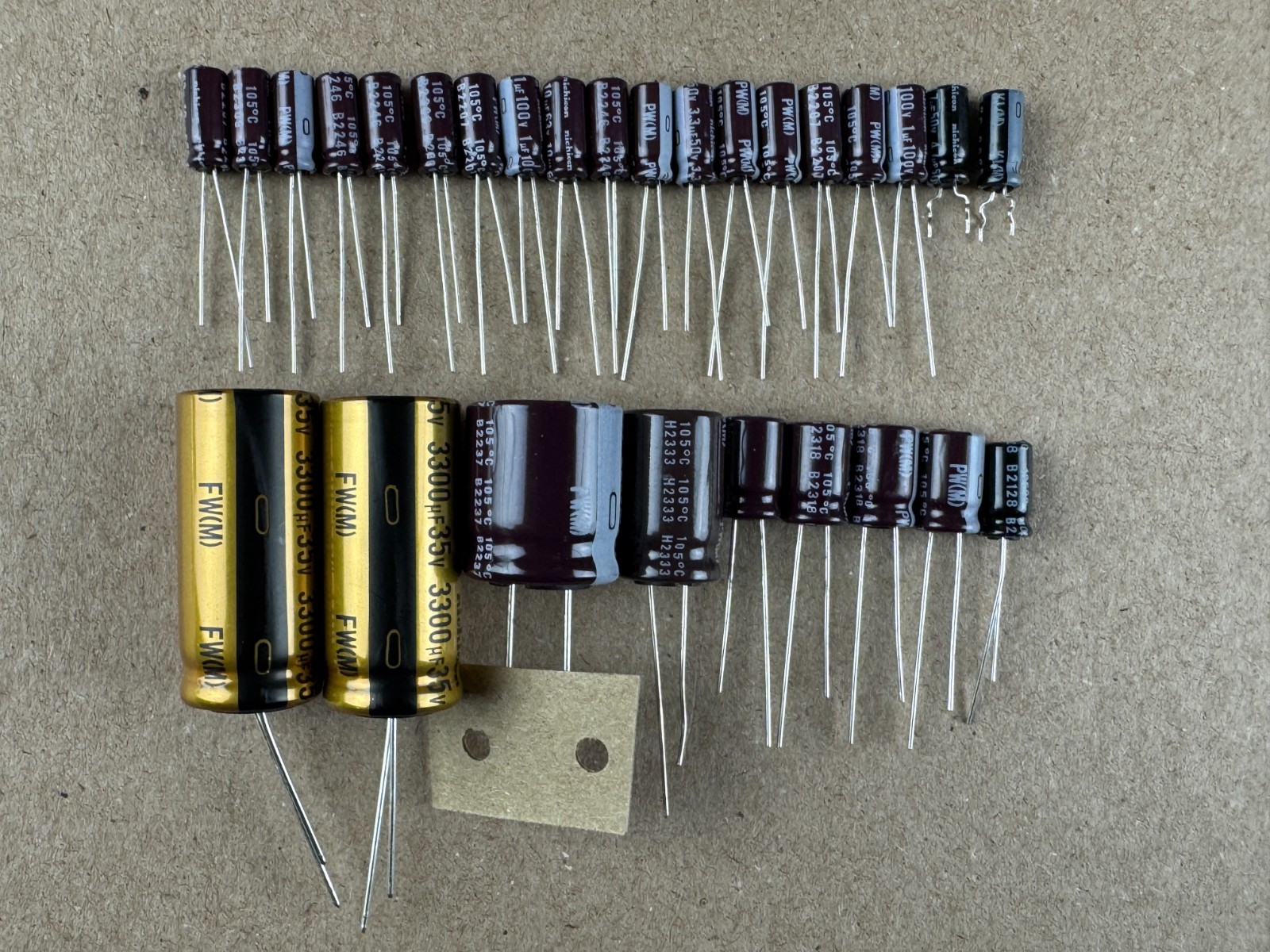
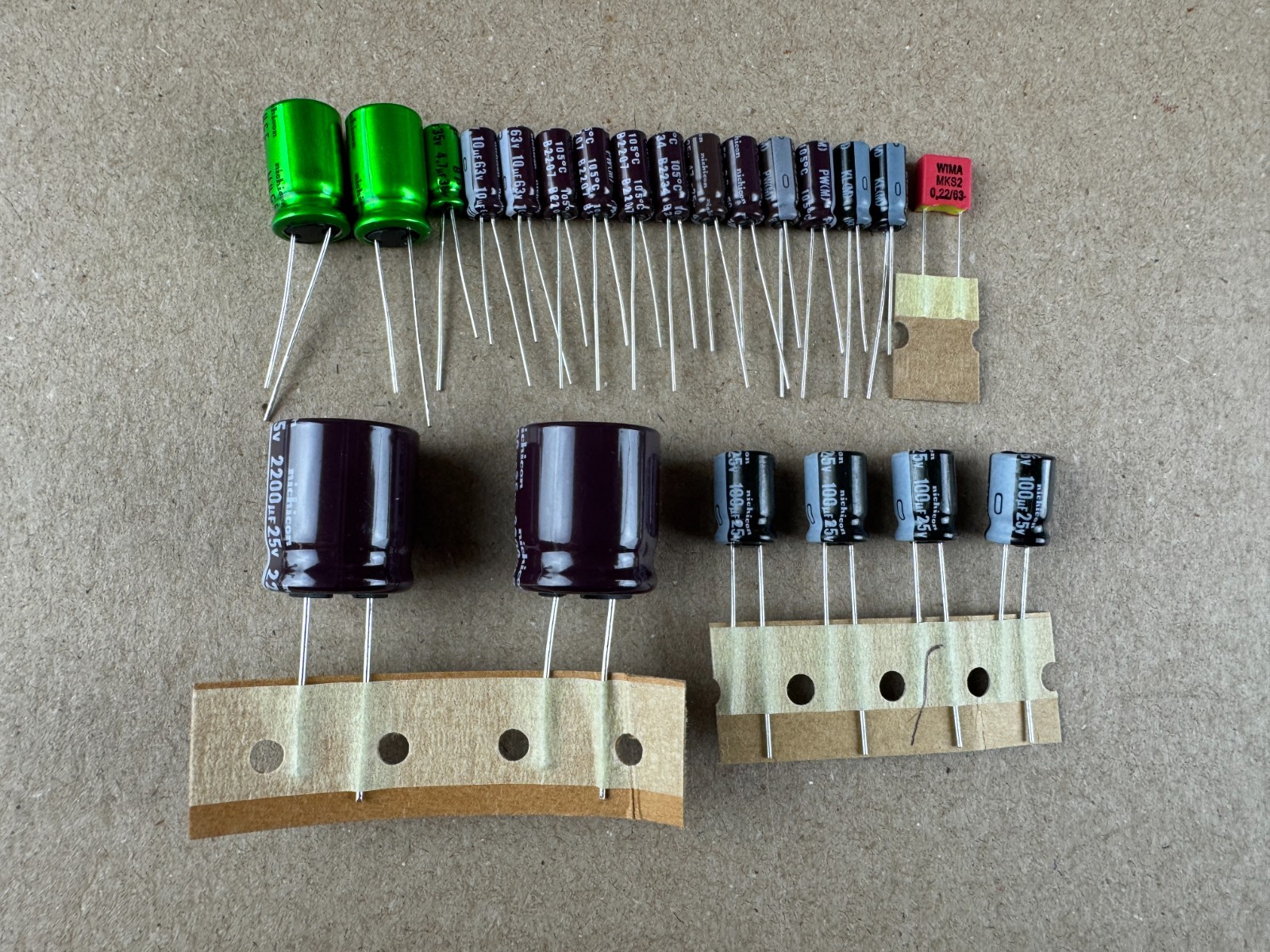
The Kenwood KD-750 is not common, but it’s not impossibly rare either. You’ll see one surface every few months on Canuck Audio Mart, Reverb, or eBay, usually priced between $600 and $1,000 depending on condition. A fully serviced, near-mint example with original packaging can push $1,200, especially if it’s been upgraded with a high-quality cartridge and tonearm wiring. But here’s the catch: condition is everything. These turntables are now over 40 years old, and while the chassis is nearly immortal, the electronics are not. The ICs in the motor control circuit are known to overheat and fail, especially if the unit has been left on for extended periods. One owner on r/vintageaudio reported replacing a cooked IC after decades of dormancy—“it gets ridiculously hot,” they wrote, “no wonder it was discontinued.” If you’re buying one, make sure it powers up cleanly, the platter spins without hesitation, and the speed is stable. A unit that’s been sitting for years may need a full recapping and motor inspection before it’s trustworthy.
Another common failure point is the rubber feet, which can dry out, crack, or disintegrate over time. Replacements are available, but they’re not always an exact match. The dust cover is also fragile—acrylic yellows and scratches easily, and the hinges can become brittle. Don’t expect perfection unless you’re paying top dollar. For a daily driver, a well-maintained KD-750 is still a fantastic choice, but treat it like a vintage car: it’ll reward care and attention, but ignore it, and it’ll let you know. Servicing isn’t cheap—specialists who know these decks are few, and parts aren’t always easy to source. But if you’re willing to do the work, the payoff is a turntable that sounds as authoritative today as it did in 1979.
eBay Listings
As an eBay Partner, we earn from qualifying purchases. This helps support our independent vintage technology research.
Related Models
- Kenwood kl-888s (Late 1970s (approximately 1978-1980))
- Kenwood kd-1500 (1972-1975)
- Kenwood ls-500 (Late 1970s (approximately 1978-1980))
- Kenwood kd-5070 (1979-1981)
- Kenwood kd-5077 (1978-1980)
- Sony ps-5550 (1978-1980)
- Sony ps-lx5r (1983-1985)
- Sony ss-7220a (1970s)
- Sony ss-97 (Late 1970s (approximately 1977-1979))
- Sony ss-999 (Late 1970s (approximately 1977-1979))