Heathkit AR-1500: The DIY Audiophile’s Dream Receiver of the 1970s
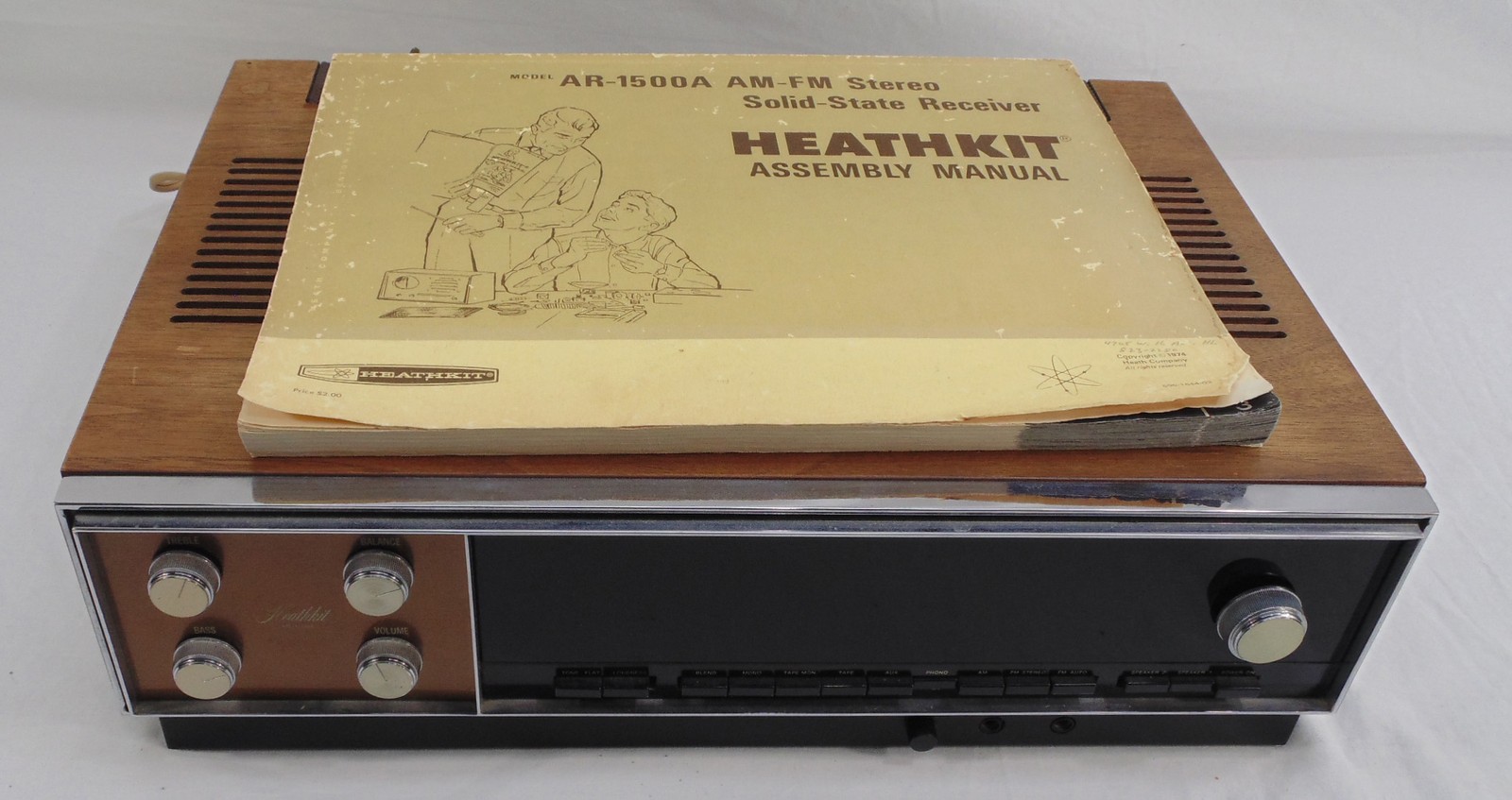
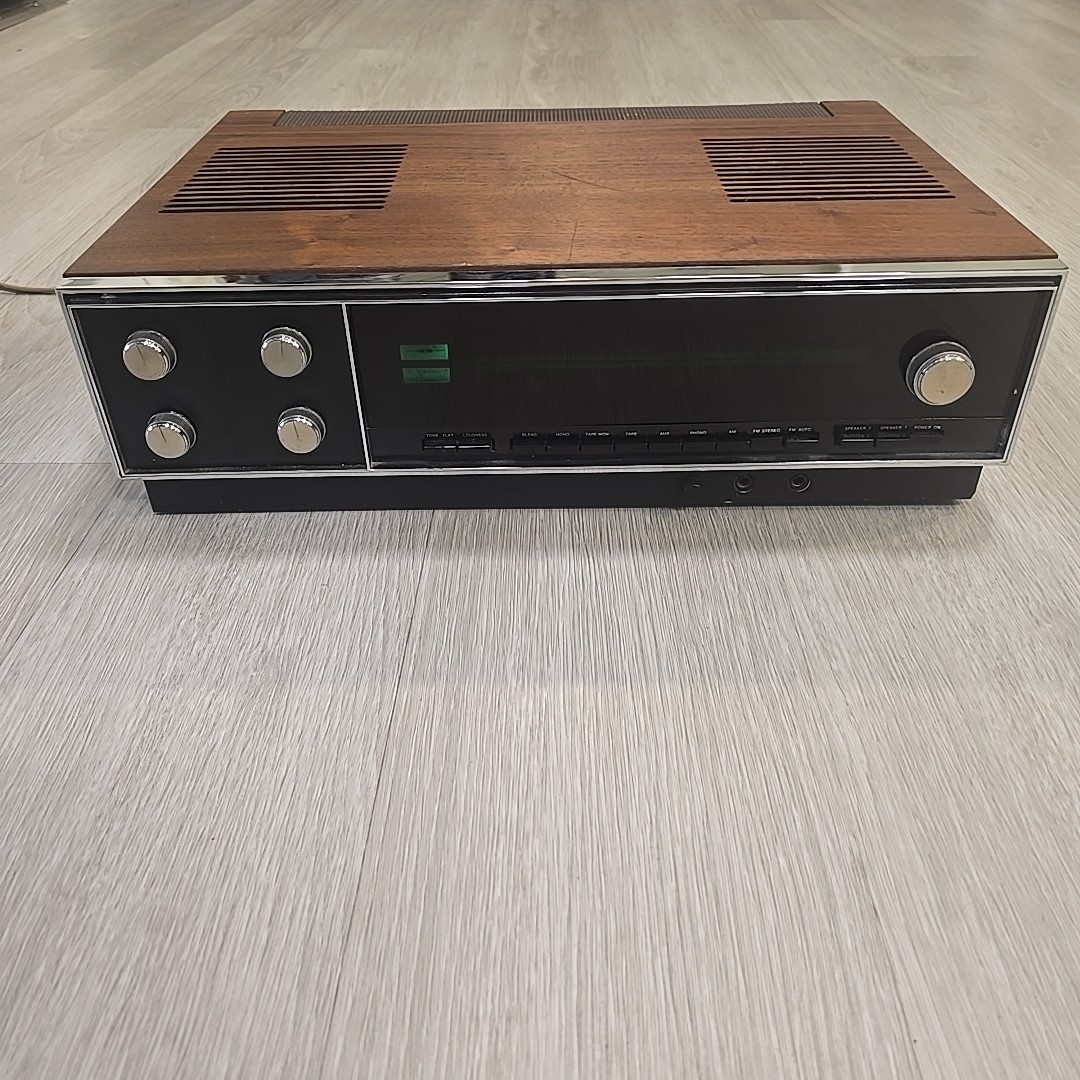
In the golden era of hi-fi, when vacuum tubes still whispered warmth and the thrill of building your own gear was part of the audio experience, Heathkit stood as a beacon for the technically inclined hobbyist. Among its most celebrated offerings was the AR-1500, a comprehensive stereo receiver kit introduced in 1975 that combined high-fidelity performance with the satisfaction of self-assembly. Unlike mass-produced receivers of the time, the AR-1500 wasn’t just an appliance—it was a project, a rite of passage, and for many, the centerpiece of a hand-built audio system.
The AR-1500 was more than just another kit; it represented the peak of Heathkit’s engineering philosophy: deliver professional-grade audio equipment at a fraction of the cost, but with the caveat that the buyer roll up their sleeves and solder in hand. Marketed to both audiophiles and electronics enthusiasts, the AR-1500 offered a rare combination of performance, flexibility, and educational value. For a few hundred dollars (a bargain in the mid-70s), you received a complete stereo receiver—tuner, preamplifier, and power amplifier—packed in a rugged chassis, ready to be brought to life.
Technical Specifications
The AR-1500 was a full-featured integrated receiver, designed to serve as the heart of a serious stereo system. Its specifications reflected the high standards Heathkit aimed for during this period.
| Specification | Detail |
| Year Introduced | 1975 |
| Type | Integrated Stereo Receiver (Kit) |
| Power Output | 35 watts per channel (RMS, 8Ω, 20Hz–20kHz) |
| Total Harmonic Distortion | Less than 0.1% |
| Frequency Response (Amp) | 10Hz – 60kHz (+0, -1dB) |
| Input Sensitivity | 2.5mV (Phono), 150mV (Line) |
| Signal-to-Noise Ratio | Better than 70dB (Phono), 80dB (Line) |
| Tuner Bands | AM, FM (with stereo multiplex decoding) |
| FM Tuning Range | 88–108 MHz |
| Tuner Sensitivity (FM) | 1.5 µV for 30dB quieting |
| Input Impedance (Phono) | 47kΩ, 150pF |
| Output Impedance | 8Ω (minimum load) |
| Dimensions | 19" W × 6.5" H × 15" D |
| Weight | Approx. 35 lbs (assembled) |
| Power Requirements | 120V AC, 60Hz, 300 watts |
The AR-1500 was built around discrete transistor circuitry—no ICs in the signal path—giving it a clean, dynamic sound that rivaled many commercial receivers of the era. Its modular design made troubleshooting and alignment accessible, even for intermediate builders.
Sound Characteristics and Performance
The AR-1500 earned a reputation for delivering a balanced, detailed, and dynamic sound. With 35 watts per channel into 8 ohms, it had ample power for most bookshelf and floor-standing speakers of the 1970s, including popular models from AR, KLH, and Advent. Its low distortion and wide frequency response ensured transparent reproduction across the audible spectrum.
The phono preamp stage was particularly well-regarded, supporting both moving magnet (MM) and moving coil (MC) cartridges with switchable gain and equalization. This flexibility was rare in consumer receivers and reflected Heathkit’s appeal to serious vinyl enthusiasts. The FM tuner offered excellent sensitivity and selectivity, with a smooth analog dial and precise tuning indicator—perfect for late-night DXing or enjoying local stereo broadcasts.
Overall, the AR-1500’s sound leaned toward neutrality with a slight warmth in the midrange—likely due to its conservative feedback design and high-quality passive components. It wasn’t as "etched" or hyper-detailed as some modern gear, but it had a musicality and coherence that many vintage lovers still chase today.
Notable Features and Innovations
What set the AR-1500 apart wasn’t just its performance—it was the experience of building it. The kit came with over 100 pages of step-by-step instructions, detailed wiring diagrams, and alignment procedures. Every resistor, capacitor, transistor, and chassis piece was included, along with hardware and even a set of assembly tools in some versions.
Key features included:
- Dual preamp outputs for driving external power amps or tape looping
- Tape monitor function with dedicated level controls
- Subsonic filter to eliminate turntable rumble
- Headphone amplifier with level control
- Front-panel tuning meter for precise FM alignment
- Separate power amp and preamp power supplies for reduced crosstalk
- Gold-plated RCA jacks and high-quality switches
The AR-1500 also featured a robust toroidal power transformer and extensive grounding schemes to minimize hum and noise—hallmarks of thoughtful design. Its layout prioritized serviceability, with clearly labeled test points and modular subassemblies.
Common Issues and Maintenance
Like any vintage electronics, the AR-1500 requires attention after decades of use. Common issues include:
- Electrolytic capacitor degradation: The power supply and signal-path capacitors often need replacement after 40+ years. Failure can lead to hum, low output, or even damage.
- Oxidized switches and pots: The input selector, volume, and balance controls can become scratchy. Deoxit treatment or replacement is recommended.
- Tuner alignment drift: The FM section may require realignment using a signal generator and the provided calibration instructions.
- Rubber drive belts (if applicable): Some versions used belts in the tuning mechanism, which may have perished.
- Cold solder joints: Despite careful assembly, some kits developed intermittent connections over time.
Maintenance is generally straightforward for those with basic electronics skills. Re-capping the unit, cleaning controls, and re-soldering suspect joints can restore the AR-1500 to like-new performance. Original Heathkit service manuals are still available online and are invaluable for restoration.
Current Market Value and Collectibility
Today, the Heathkit AR-1500 occupies a special niche in the vintage audio world. Completed, working units typically sell for $250–$450, depending on condition and provenance. Unassembled kits in pristine condition—especially with manuals and original packaging—can fetch similar or higher prices from collectors and DIY enthusiasts.
Its value lies not just in performance but in its historical significance. The AR-1500 represents a time when consumers weren’t just users but participants in the technology they owned. It’s a symbol of the DIY ethos that defined much of mid-century electronics culture.
While not as rare as some boutique brands, the AR-1500 is increasingly sought after by those who appreciate its craftsmanship, modularity, and the satisfaction of owning a hand-built piece of audio history. Fully restored examples with upgraded capacitors or audiophile-grade wiring can command premium prices in enthusiast circles.
Conclusion and Legacy
The Heathkit AR-1500 was more than a receiver—it was an invitation to engage deeply with the technology of sound. In an age of disposable electronics, it stands as a testament to durability, transparency, and user empowerment. For those who built one, the AR-1500 wasn’t just another box on the shelf; it was a personal achievement, a teacher, and a trusted companion in countless listening sessions.
Though Heathkit ceased operations in the 1990s, its legacy lives on through forums, restoration projects, and the enduring appeal of kits like the AR-1500. For vintage audio lovers, this receiver is not merely a relic—it’s a bridge between eras, a celebration of hands-on craftsmanship, and a reminder that sometimes, the best sound comes from building it yourself.
If you’re lucky enough to find one—whether in a garage sale, online auction, or your uncle’s attic—consider not just its audio potential, but the story it carries. The AR-1500 isn’t just vintage audio. It’s vintage experience.
eBay Listings


As an eBay Partner, we earn from qualifying purchases. This helps support our independent vintage technology research.
Related Models
- Pioneer QX-949A (1978)
- Pioneer SX-2000 (1978)
- Pioneer SX-2500 (1978)
- Marantz SR-2000 (1999–2001)
- Onkyo TX-1500MKII (1975)
- Pioneer QX-646 (1978)
- Pioneer SX-1900 (1978)
- Pioneer SX-201 (1978)
- Pioneer SX-251R (1976)
- Realistic STA-2250 (1975)