Fisher 440-T Receiver (1965)
The Fisher 440-T is a classic stereo receiver introduced in 1965 during a pivotal era in audio engineering. Representing Fisher's early adoption of solid-state technology, the 440-T marked a transition from vacuum tube amplifiers to more reliable transistor-based designs. Despite this shift, it retained the warm, musical character that audiophiles associated with high-fidelity sound, making it a respected model among vintage audio enthusiasts.
With its elegant walnut wood cabinet, slide-rule FM tuning dial, and comprehensive feature set for its time, the 440-T was positioned as a premium component in Fisher’s mid-tier lineup. It remains a sought-after piece for collectors and restorers interested in the evolution of solid-state audio equipment.
Specifications
| Feature | Specification |
| Model | 440-T |
| Brand | Fisher |
| Year of Release | 1965 |
| Production Period | 1965–1967 |
| Type | Solid-state stereo receiver |
| Power Output | 20 watts per channel (RMS, 8 ohms, stereo) |
| Number of Channels | 2 (Stereo) |
| Impedance Matching | 4, 8, and 16 ohms (switchable) |
| Tuner Bands | FM, AM |
| Inputs | Phono (magnetic), Tape, Auxiliary (via RCA) |
| Outputs | Tape out, Preamp out, Speaker taps (A/B switchable) |
| Headphone Jack | 1/4" front-panel output |
| Tape Monitor | Yes (source switching) |
| Stereo/Mono Switch | Yes |
| Tuning Display | Slide-rule analog dial with illuminated scale |
| Cabinet Material | Real walnut wood veneer |
| Dimensions (W×H×D) | 19" × 6.5" × 15" |
| Weight | Approx. 28 lbs (12.7 kg) |
Historical Context
The Fisher 440-T emerged during a transformative period in consumer audio. The mid-1960s saw manufacturers moving away from tube-based amplification toward solid-state transistor designs, promising greater reliability, reduced heat, and lower maintenance. Fisher, already renowned for its high-quality tuners and tube amplifiers, leveraged its reputation to introduce solid-state models that maintained sonic integrity.
The 440-T was part of this strategic shift. While some early transistor receivers suffered from harsh or brittle sound, the 440-T was praised for its smooth, warm tonal balance—particularly in the midrange—offering a more musical presentation than many contemporaries. Its FM tuner featured precision slide-rule mechanics, a hallmark of Fisher’s commitment to accurate reception and user experience.
As one of the earlier solid-state receivers in Fisher’s catalog, the 440-T symbolizes the bridge between the golden age of tubes and the modern transistor era. It appealed to audiophiles who wanted cutting-edge technology without sacrificing fidelity.
Sound Signature
The Fisher 440-T delivers a warm, smooth, and engaging sound profile. Its solid-state amplification avoids the clinical edge found in some early transistor gear, instead offering a balanced presentation with particular strength in vocal and instrumental midrange clarity. Bass response is tight and controlled, while highs are detailed without being overly bright or fatiguing.
Though not as lush or harmonically rich as tube amplifiers, the 440-T strikes a commendable balance for its era. When paired with efficient vintage speakers, it provides an authentic high-fidelity listening experience that remains enjoyable today.
Maintenance and Restoration Tips
Like all vintage electronics, the Fisher 440-T requires careful attention to ensure safe and optimal operation. Units that have been stored for decades may pose risks if powered on without inspection.
Common Issues:
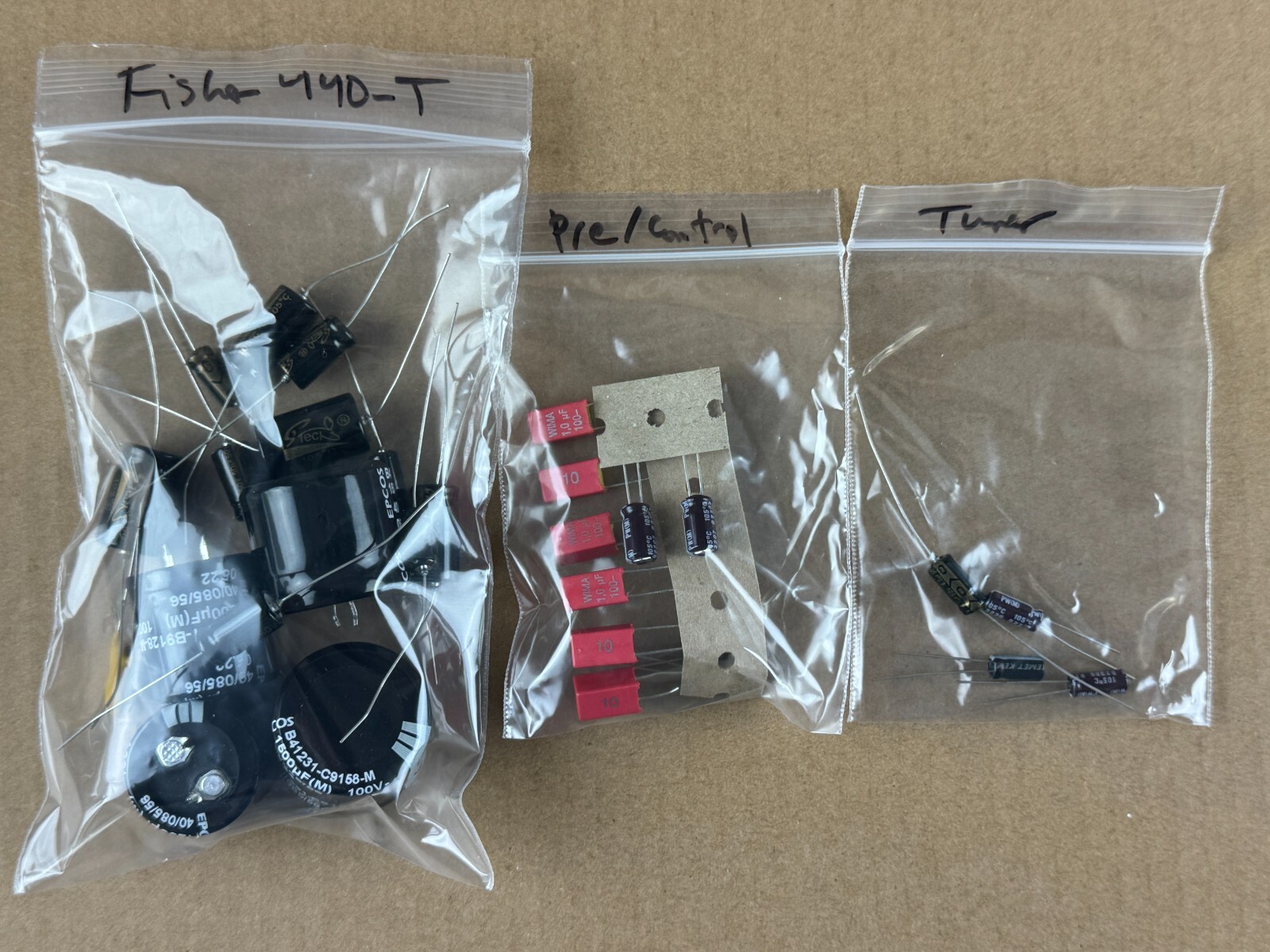
- Aging Capacitors: Electrolytic capacitors in the power supply and signal path degrade over time. Replacing them (recapping) is strongly recommended before extended use.
- Oxidized Controls: Pots, switches, and relays can develop crackling or intermittent behavior. Use contact cleaner (non-residue type) and exercise controls repeatedly to restore function.
- Transistor Failures: While generally reliable, early germanium or silicon transistors can fail. Testing or substitution may be needed if channels are unbalanced or absent.
- Power Supply Stability: Check for correct voltage rails and ripple. Faulty power supplies can damage downstream components.
- Tuner Calibration: The FM tuner may require alignment for optimal reception, especially if the unit has been moved or serviced.
Restoration Recommendations:
1. Perform a full visual inspection for leaking capacitors, corroded traces, or damaged wiring.
2. Recalculate and replace all electrolytic and paper capacitors.
3. Clean all switches, potentiometers, and jacks with appropriate electronic cleaner.
4. Test transistors and diodes for proper function.
5. Verify proper grounding and ensure the chassis is safe from electrical leakage.
6. Use a variac when powering up for the first time after restoration.
Collectibility and Market Value
The Fisher 440-T holds moderate collectibility, rated around 6/10 among vintage audio enthusiasts. While not as iconic as the Fisher TX-200 or XR-1000 series, it is appreciated for its solid build quality, classic design, and historical significance in the tube-to-transistor transition.
Units in excellent cosmetic and working condition typically sell for $150–$300. Fully restored models with documented service history or rare finishes may command slightly higher prices. Original packaging or accessories can also increase value.
Conclusion
The Fisher 440-T is a well-engineered stereo receiver that captures a key moment in audio history. Its blend of elegant design, solid performance, and transitional technology makes it a rewarding piece for both listening and preservation. With proper maintenance, the 440-T continues to deliver enjoyable, musical sound over half a century after its introduction—proving that thoughtful engineering stands the test of time.
eBay Listings


As an eBay Partner, we earn from qualifying purchases. This helps support our independent vintage technology research.
Related Models
- Fisher 800-T (1962)
- Fisher 332
- Fisher 400-R (1963)
- Fisher 400-T (1964)
- Fisher 432
- Pioneer QX-949A (1978)
- Pioneer SX-2000 (1978)
- Pioneer SX-2500 (1978)
- Marantz SR-2000 (1999–2001)
- Onkyo TX-1500MKII (1975)