Denon DR-171: The Forgotten Pioneer of High-Fidelity Cassette Recording
In the late 1970s, as the battle for audio fidelity raged between reel-to-reel purists and the rising tide of compact cassette convenience, Denon—already renowned for its precision in professional and high-end consumer audio—quietly introduced a machine that embodied the best of both worlds: the Denon DR-171. Though not as widely celebrated as its contemporaries from Nakamichi or Sony, the DR-171 stands as a testament to Denon’s commitment to engineering excellence and a fascinating artifact of a transitional era in audio history.
Released in 1978, the DR-171 emerged during a pivotal moment when cassette decks were evolving from portable, low-fi devices into serious high-fidelity components. While most manufacturers were still refining basic tape transport mechanics, Denon was already pushing boundaries with advanced azimuth alignment, precision capstans, and noise reduction integration. The DR-171, though categorized today as “other” due to its rarity and limited production, was anything but ordinary.
Technical Specifications
| Feature | Specification |
| Year Introduced | 1978 |
| Type | 3-Head Stereo Cassette Deck |
| Tape Speed | 1⅞ ips (4.76 cm/s) |
| Heads | Separate Record, Playback, and Erase Heads |
| Motor System | Dual Direct-Drive Capstan System |
| Wow and Flutter | < 0.08% (WRMS) |
| Frequency Response | 30Hz – 18kHz (with CrO₂ tape) |
| Signal-to-Noise Ratio | 66 dB (Dolby B), 72 dB (Dolby C) |
| Total Harmonic Distortion | < 1.5% |
| Input/Output | RCA Line In/Out, 3.5mm Mic In |
| Noise Reduction | Dolby B and C Compatible |
| Power Requirement | 120V AC, 50/60 Hz |
| Dimensions | 430 × 140 × 320 mm (W×H×D) |
| Weight | 10.5 kg (23.1 lbs) |
Sound Characteristics and Performance
The Denon DR-171 was engineered for audiophiles who refused to compromise on tape quality. Its three-head configuration—featuring dedicated record, playback, and erase heads—allowed for real-time monitoring during recording, a feature previously reserved for professional reel-to-reel machines. This setup, combined with a precision quartz-locked dual direct-drive capstan system, ensured exceptional speed stability and minimal wow and flutter, resulting in a remarkably clean and stable soundstage.
Listeners familiar with the DR-171 often describe its sonic signature as detailed, warm, and dynamically expressive. The frequency response, especially when using chromium dioxide (CrO₂) tapes, extended well beyond what was typical for consumer decks of the era. Highs were crisp without harshness, mids were rich and natural, and bass response was surprisingly tight and controlled—no small feat for a cassette deck in the late '70s.
The integration of Dolby B and C noise reduction further elevated the DR-171’s performance, effectively masking tape hiss and allowing for cleaner recordings. When properly calibrated, the DR-171 could produce cassette dubs that approached the fidelity of early CD players—a bold claim at the time.
Notable Features and Innovations
What truly set the DR-171 apart were its engineering refinements:
- Azimuth Adjustment Knob: Unlike most consumer decks, the DR-171 featured a user-accessible azimuth control, allowing advanced users to fine-tune head alignment for optimal high-frequency response. This was a rare feature outside of professional gear.
- Dual Capstan Drive: The use of two direct-drive capstans minimized tape slippage and ensured consistent tension, reducing distortion and improving tracking accuracy.
- Metal Tape Compatibility: Though not officially labeled as a "metal tape" deck, the DR-171’s record electronics and bias settings could be manually adjusted (by technicians) to accommodate Type IV metal tapes, foreshadowing the high-output decks of the 1980s.
- Solid Build Quality: Housed in a heavy-gauge steel chassis with a brushed aluminum front panel, the DR-171 exuded durability. Its mechanical transport was derived from Denon’s professional line, ensuring long-term reliability.
Common Issues and Maintenance
Today, the Denon DR-171 is a rare find, and surviving units often require careful restoration. Common issues include:
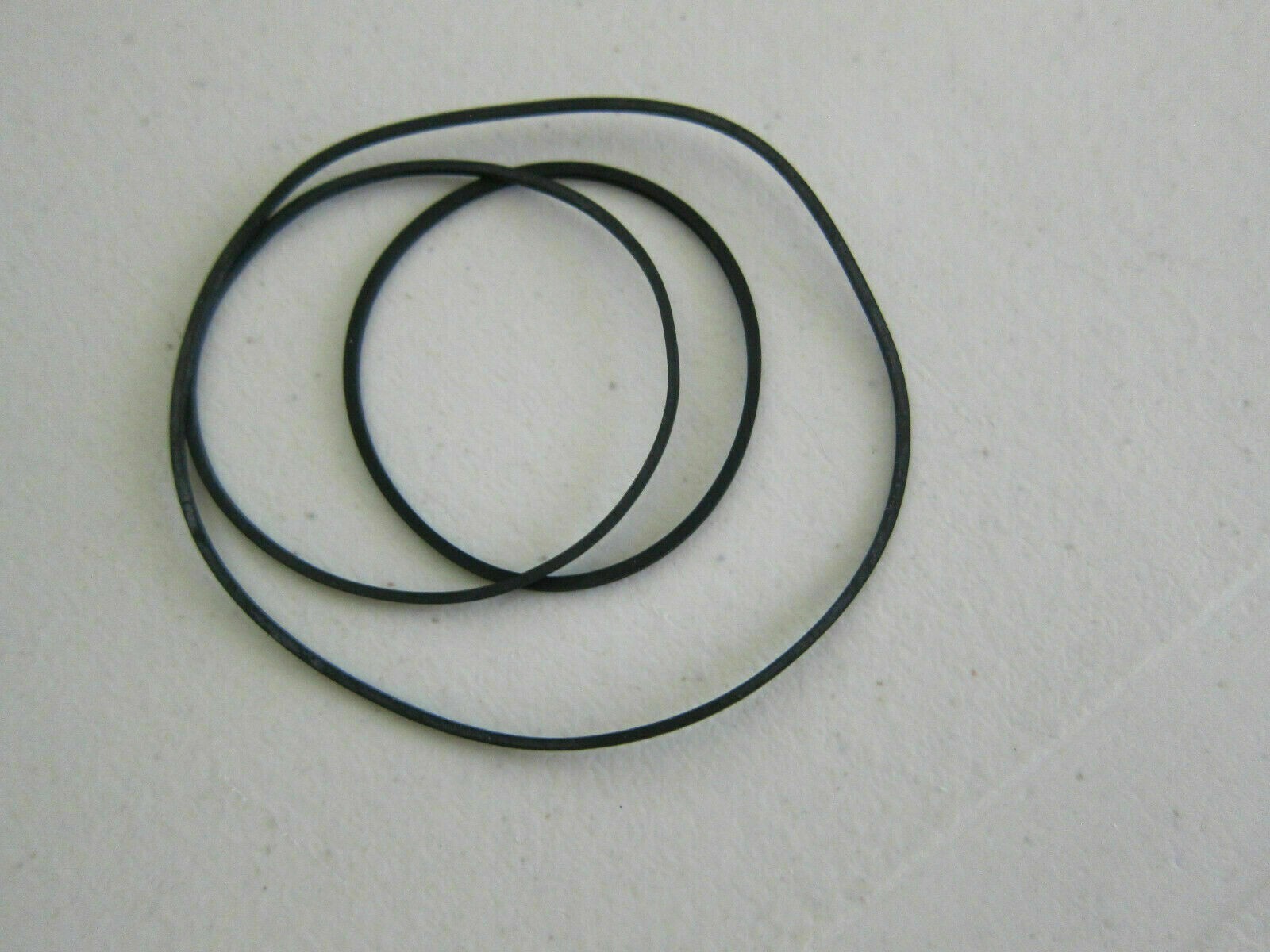
- Deteriorated Rubber Components: The pinch roller and drive belts (though minimal due to direct drive) can harden or crack over time. Replacement with modern equivalents is essential.
- Head Wear and Oxidation: The record and playback heads may suffer from wear or corrosion, especially if the deck was used frequently. Professional cleaning and demagnetizing are recommended before use.
- Capstan Bearing Stiffness: Due to age, the capstan shafts may bind slightly. Light lubrication with synthetic oil can restore smooth operation.
- Capacitor Aging: The internal power supply and signal path use electrolytic capacitors that degrade over decades. A full recapping is advisable for optimal performance and safety.
Given its complexity, servicing the DR-171 is best left to experienced technicians familiar with vintage tape decks. However, when properly maintained, the DR-171 remains a reliable and sonically rewarding machine.
Current Market Value and Collectibility
The Denon DR-171 is highly collectible, though not widely known outside niche audiophile circles. Its rarity, combined with Denon’s prestigious reputation, makes it a sought-after piece for vintage audio enthusiasts and tape recording historians.
In recent years, working units in good cosmetic condition have traded between $400 and $700 on auction sites and specialty forums. Fully restored models with upgraded components (such as new heads or modernized electronics) can command even higher prices. However, non-functional or heavily worn units may sell for as little as $150–$250, reflecting the cost of professional restoration.
Collectors value the DR-171 not only for its sound but as a bridge between eras—a machine that brought professional-grade engineering to the consumer market at a time when most were still settling for mediocre tape quality.
Conclusion and Legacy
The Denon DR-171 may not have achieved the fame of the Nakamichi Dragon or the Sony TC-800B, but it holds a quiet distinction as one of the most technically advanced cassette decks of its time. It represents Denon’s unwavering dedication to audio precision and a moment when the cassette format was on the cusp of high-fidelity legitimacy.
For today’s vintage audio enthusiasts, the DR-171 offers more than nostalgia—it delivers a genuine high-end listening experience that rivals many modern digital formats in warmth and musicality. Whether used for archiving vinyl collections, creating high-quality tape dubs, or simply enjoying the tactile ritual of analog recording, the DR-171 remains a rewarding machine.
In the pantheon of vintage cassette decks, the Denon DR-171 may be a quiet legend—but for those who know its story, it speaks volumes.
eBay Listings
As an eBay Partner, we earn from qualifying purchases. This helps support our independent vintage technology research.
Related Models
- Denon DR-M3 (1985)
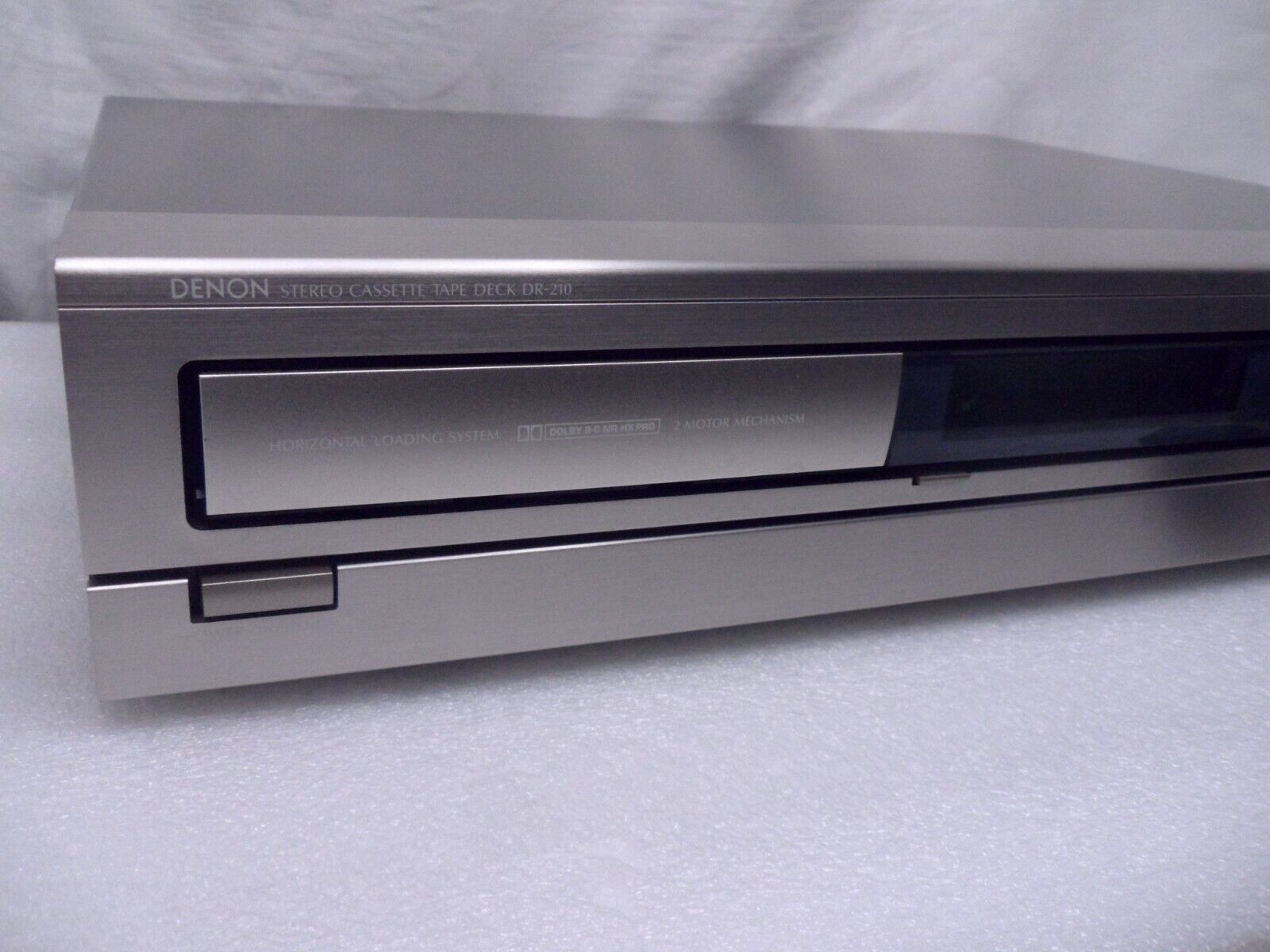
- Denon DR-210 (1985)
- Denon DR-600 (1982)
- Denon DR-800 (1985)
- Denon DR-M07 (1985)
- Sony TC-2050SD (1978)
- Aiwa AD-F990 (1993)
- Kenwood KX-3060 (1982)
- Sony TC-2130A (1974)
- Sony TC-2220 (1972)