Akai GX-285D: The Forgotten Workhorse of Professional Cassette Recording
In the late 1970s, as the cassette format evolved from a portable dictation medium into a legitimate tool for high-fidelity audio recording, Japanese electronics manufacturer Akai carved out a niche with a series of professional-grade cassette decks. Among these, the Akai GX-285D stands as a somewhat obscure but highly capable dual-deck recorder that bridged the gap between consumer convenience and studio-grade functionality. Though overshadowed by more famous contemporaries like the Sony TC-800B or the TEAC A-2340S, the GX-285D deserves recognition for its thoughtful engineering, robust build, and rare dual-deck configuration tailored for duplication, editing, and broadcast applications.
Historical Context and Design Philosophy
Released in 1978, the Akai GX-285D emerged during a transitional period in audio technology. While open-reel tape was still the gold standard for professional studios, the compact cassette was rapidly gaining credibility thanks to advancements in tape formulation (like CrO₂ and metal tapes), improved transport mechanisms, and better electronics. Akai, already known for its innovative reel-to-reel recorders and video equipment, applied its engineering expertise to the cassette format with a focus on reliability and precision.
The GX-285D was not designed for the living room. Instead, it targeted semi-professional studios, radio stations, educational institutions, and duplication houses. Its dual-deck layout—two independent cassette mechanisms stacked in a single 19-inch rack-mountable chassis—allowed for seamless master-to-copy transfers without the need for external connections or manual tape swapping. This made it an efficient tool for producing program tapes, lecture recordings, or promotional materials in bulk.
Unlike most consumer cassette decks of the era, the GX-285D featured balanced XLR inputs and outputs, a rarity that underscores its professional orientation. This allowed direct connection to mixing consoles, microphones, and other pro-audio gear without impedance or noise issues. It also supported ¼" unbalanced connections, offering flexibility in various setups.
Technical Specifications
| Feature | Specification |
| Year of Release | 1978 |
| Format | Compact Cassette |
| Number of Heads | 2 (one per deck), Full-Track Mono or Stereo |
| Tape Speed | 1⅞ ips (4.76 cm/s) |
| Recording Modes | Type I (Normal), Type II (Chrome), Type IV (Metal) |
| Bias & EQ | Adjustable for each tape type |
| Input/Output | Balanced XLR, ¼" TRS (Line In/Out) |
| Monitoring | Selectable source (Deck A, Deck B, External) |
| Transport Controls | Dual independent decks with full logic control |
| Display | VU meters (dual) for level monitoring |
| Power Requirement | 110–120V / 220–240V (switchable), 50/60 Hz |
| Dimensions | 483 mm (W) × 133 mm (H) × 400 mm (D) |
| Weight | Approx. 12 kg (26.5 lbs) |
| Special Features | Rack-mountable, duplication mode, level trim pots |
| Frequency Response | 30Hz-28kHz (±3dB at 7.5 ips) |
| Signal-to-Noise Ratio | 58dB (Dolby off), 68dB (Dolby on) |
| Noise Reduction | Dolby B |
| Years Produced | 1973-1976 |
Sound Characteristics and Performance
The GX-285D was engineered for accuracy and consistency, not sonic flair. Its full-track mono or stereo recording capability (depending on configuration) provided a clean, transparent signal path ideal for voice, interviews, and program material. The use of discrete electronics and high-quality tape heads contributed to a frequency response of approximately 50 Hz – 15 kHz, with low wow and flutter (<0.2%)—impressive for a cassette machine of its time.
Thanks to its adjustable bias and equalization settings, the GX-285D could be fine-tuned for optimal performance with different tape types. This adaptability made it a favorite among users who demanded consistency across tape batches. The VU meters, while not as fast-responding as peak meters, provided reliable level indication for preventing distortion during recording.
In duplication mode, the machine allowed real-time copying from Deck A to Deck B with minimal generational loss, especially when using high-quality tapes and proper level calibration. The logic-controlled transport minimized mechanical wear and ensured precise start/stop behavior.
Notable Features and Innovations
What set the GX-285D apart from most dual cassette decks—even high-end consumer models like the Sony TC-D5—was its professional I/O and build quality:
- Balanced XLR Connectivity: Enabled noise-free signal transmission over long cable runs, essential in studio and broadcast environments.
- Rack-Mount Design: The 19-inch width made it easy to integrate into equipment racks, a hallmark of professional gear.
- Independent Decks: Each deck could operate separately, allowing for monitoring one tape while recording another—a boon for editing workflows.
- Adjustable Record Level and EQ: Unlike fixed consumer decks, the GX-285D allowed precise calibration, ensuring optimal recording levels and frequency response.
- Durable Transport Mechanism: Built with metal gears and rubber drive belts designed for longevity, though these belts will need replacement today after decades of aging.
Common Issues and Maintenance
Like all vintage tape equipment, the Akai GX-285D requires careful maintenance to perform at its best. The most common issues include:
- Deteriorated Rubber Components: The capstan belts and pinch rollers harden or crumble over time. A full belt replacement and cleaning is usually necessary for any unit that has been in storage.
- Dirty or Oxidized Heads and Guides: Regular cleaning with isopropyl alcohol and cotton swabs is essential. Demagnetizing the heads and tape path is also recommended before use.
- Worn Belts and Clutches: These can cause inconsistent tape speed, poor tension, or transport failure. Replacement kits are occasionally available through specialty vintage audio suppliers.
- Capacitor Aging: Electrolytic capacitors in the power supply and audio circuits may leak or dry out, potentially causing noise or failure. A recap by a qualified technician is advisable for long-term reliability.
Due to its relative rarity, finding service manuals or spare parts can be challenging, but online communities such as VintageAudio.club and Reddit’s r/vintageaudio often share schematics and repair tips.
Current Market Value and Collectibility
The Akai GX-285D is a rare find on the vintage market. It never achieved the popularity of Akai’s reel-to-reel models or the mass appeal of consumer cassette decks, which contributes to its obscurity—but also its charm among collectors of professional analog gear.
Units in working condition typically sell for $250–$400, depending on geographic location and included accessories. Non-working units may go for as low as $100, offering a project opportunity for tinkerers. Fully restored models with fresh belts, cleaned heads, and recapped electronics can command higher prices, especially if sold with documentation or original packaging.
While not a "holy grail" like a Nakamichi Dragon, the GX-285D appeals to niche collectors interested in broadcast history, analog duplication, or studio archaeology. Its dual-deck design and pro features make it a functional centerpiece in a vintage recording setup.
Conclusion and Legacy
The Akai GX-285D may not be a household name, but it represents an important chapter in the evolution of cassette technology. It embodies a moment when the humble cassette tape was taken seriously as a professional medium, and manufacturers like Akai responded with tools that prioritized reliability, precision, and integration.
Today, the GX-285D serves as both a functional recorder and a historical artifact—a reminder that high-quality analog duplication was once a daily task in radio stations, schools, and studios. For the vintage audio enthusiast, restoring a GX-285D is not just about preserving sound quality, but about reconnecting with a time when every tape copy was made with care, one real-time transfer at a time.
If you’re lucky enough to find one in good condition—or are up for a restoration challenge—the Akai GX-285D offers a rewarding blend of utility and nostalgia. It may be a forgotten machine, but for those who appreciate the craftsmanship of analog workhorses, it’s a true hidden gem.
eBay Listings
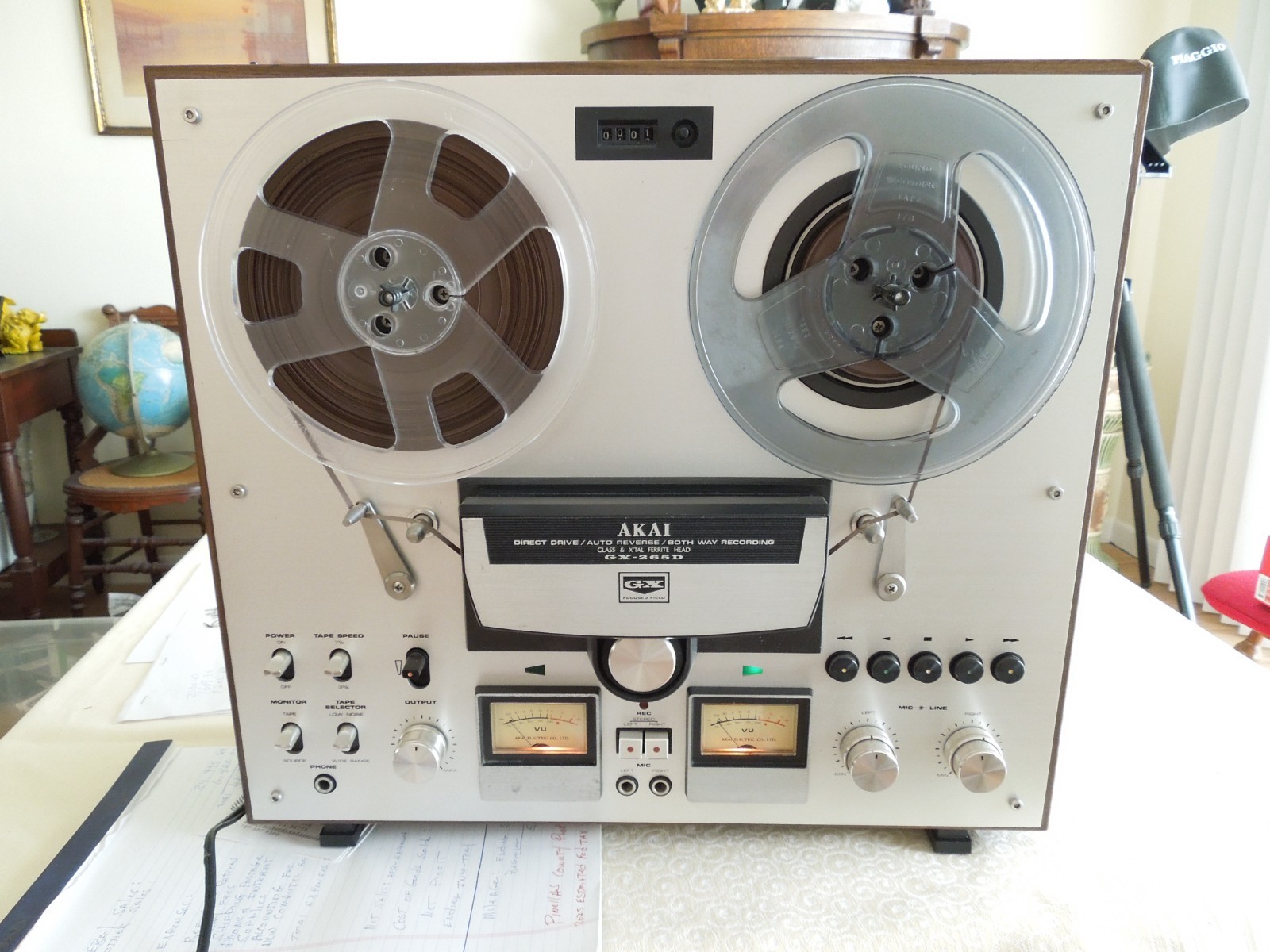
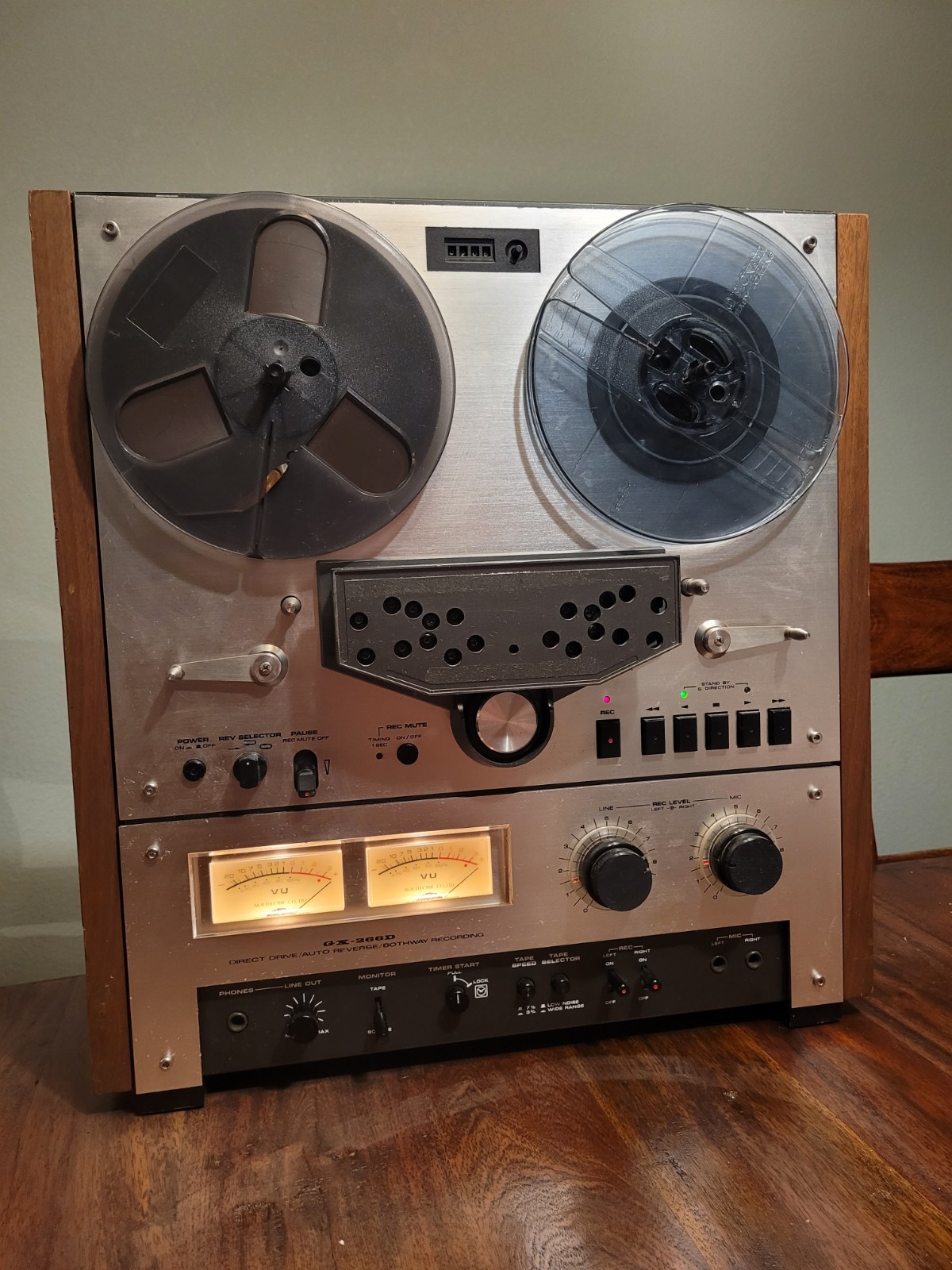
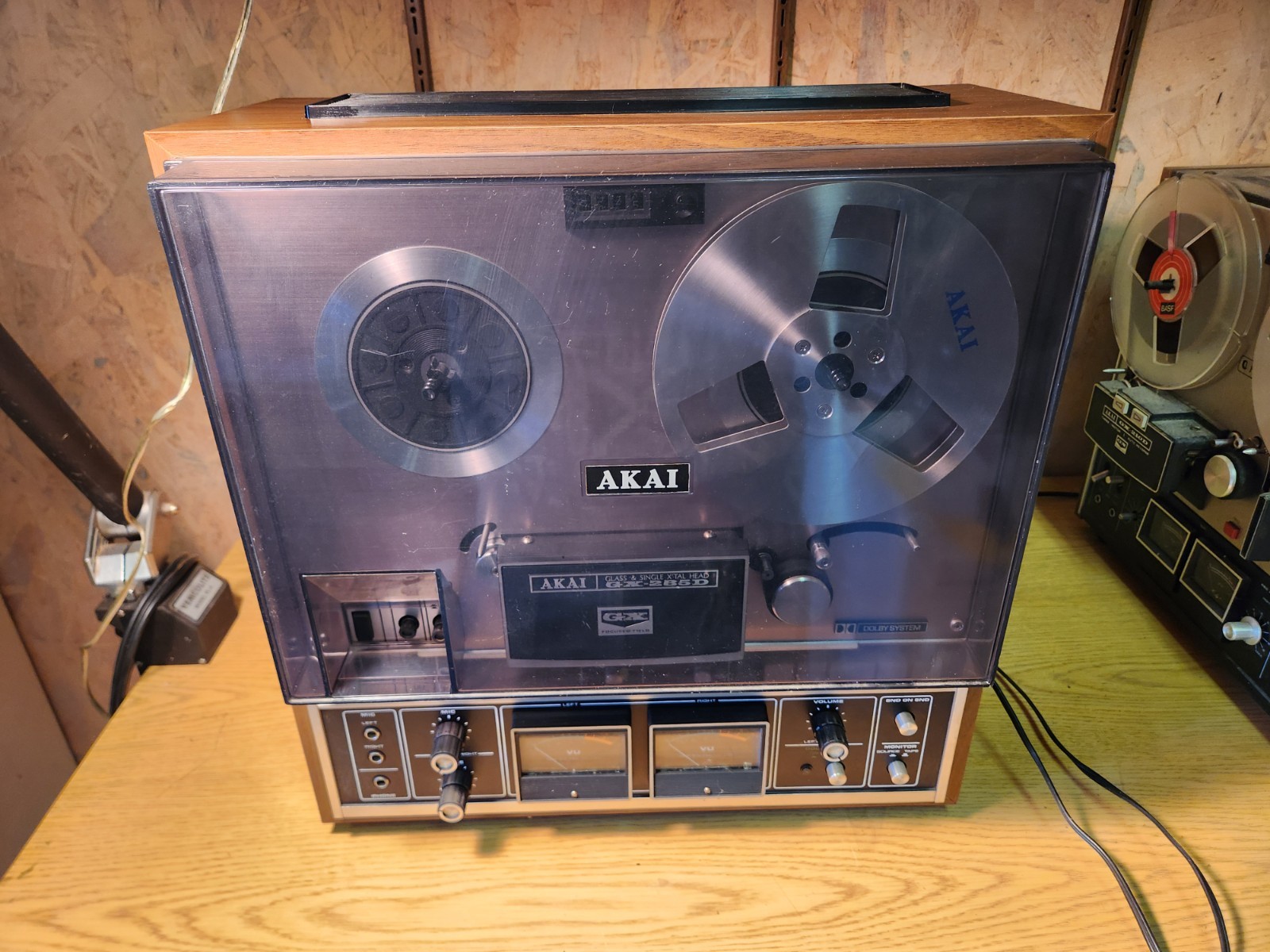

As an eBay Partner, we earn from qualifying purchases. This helps support our independent vintage technology research.
Related Models
- Akai CS-F33R (1985)
- Akai DX-59 (1983)
- Akai GX-280D-SS (1979)
- Akai DX-57 (1978)
- Akai AA-5200 (1978)
- Sony TC-2050SD (1978)
- Aiwa AD-F990 (1993)
- Kenwood KX-3060 (1982)
- Sony TC-2130A (1974)
- Sony TC-2220 (1972)