Akai GX-266D: The Precision Dual-Deck Workhorse of the Late 1970s
In the late 1970s, as cassette technology matured from a portable convenience into a legitimate medium for high-fidelity audio recording and duplication, Japanese electronics manufacturer Akai carved out a respected niche with its GX-series of cassette decks. Among these, the Akai GX-266D stands as a notable dual-deck recorder that bridged the gap between consumer convenience and professional-grade functionality. Though not as widely celebrated as some of its contemporaries from Nakamichi or Revox, the GX-266D earned a loyal following among home tapers, educators, broadcasters, and small studios for its reliability, precise mechanics, and thoughtful engineering.
Released in 1978, the GX-266D arrived during a golden era for analog tape, when the compact cassette was rapidly evolving thanks to advancements in tape formulation (like CrO₂ and metal tapes), Dolby noise reduction, and improved transport designs. Akai, already known for its reel-to-reel recorders and broadcast equipment, applied that professional pedigree to its cassette line. The GX-266D was designed not just for music lovers but for users who needed consistent, repeatable performance—particularly in duplication, archiving, and voice recording applications.
Technical Specifications
The GX-266D is a dual-cassette deck, meaning it features two independent tape mechanisms in a single chassis, enabling direct cassette-to-cassette copying without the need for an external amplifier or mixer. This made it an ideal machine for creating backups, distributing recordings, or prepping tapes for radio or educational use.
| Specification | Detail |
| Model | GX-266D |
| Manufacturer | Akai (Japan) |
| Year Introduced | 1978 |
| Type | Dual Cassette Deck |
| Recording Tracks | 2-track, 4-channel (stereo) |
| Tape Speed | 1⅞ ips (4.76 cm/s) |
| Wow and Flutter | < 0.08% (WRMS) |
| Frequency Response | 40Hz – 14,000Hz (Normal), 40Hz – 15,000Hz (CrO₂) |
| Signal-to-Noise Ratio | > 56dB (Dolby B), > 68dB (with Dolby C) |
| Head Configuration | Separate record and playback heads per deck |
| Noise Reduction | Dolby B and C (switchable) |
| Inputs | Line In (RCA), Mic In (¼" jack) |
| Outputs | Line Out (RCA), Headphone (¼" jack) |
| Monitoring | Selectable source (Deck A, Deck B, or external) |
| Copy Function | Direct A-to-B and B-to-A with speed x2 |
| Power Requirements | 120V AC, 60Hz (North American version) |
| Dimensions | 440 mm (W) × 140 mm (H) × 330 mm (D) |
| Weight | 10.5 kg (23.1 lbs) |
One of the GX-266D’s standout technical features was its use of separate record and playback heads for each deck—a design more commonly found in high-end single decks. This allowed for optimized head alignment and reduced wear, improving both recording accuracy and long-term reliability. The inclusion of Dolby C noise reduction (in addition to Dolby B) was also ahead of its time, placing the GX-266D among the early adopters of this more aggressive noise-reduction system, which significantly improved high-frequency clarity and reduced tape hiss on chrome and metal tapes.
Sound Characteristics and Performance
The GX-266D delivers a sound profile typical of well-engineered Japanese decks of the era: clean, balanced, and faithful to the source. While not as dynamically expressive as the finest Nakamichi or Technics models, it offers excellent clarity and low distortion, particularly when using CrO₂ (Type II) tapes with Dolby C engaged.
The separate heads ensure that recordings are made with precision, and the fixed playback head maintains consistent alignment—critical for maintaining fidelity during duplication. The frequency response is extended for a dual-deck unit, and the wow and flutter figures are impressively low, indicating a stable capstan-driven transport system with a rubber pinch roller and direct-drive motor configuration.
Users report that the GX-266D excels in voice recording and archival duplication, where clarity and consistency matter more than audiophile-grade warmth. Its ability to make high-quality copies at double speed (2x dubbing) made it a favorite in radio stations and schools, where efficiency and reliability were paramount.
Notable Features and Innovations
What set the GX-266D apart from typical dual-cassette decks of the era was its semi-professional feature set:
- Dual Independent Decks: Each deck can operate separately, allowing for monitoring one while recording on the other.
- Source Selectable Monitoring: You can listen to either deck or the external input, making it useful as a simple mixer.
- Level Meters: Dual VU meters provide visual feedback for recording levels on each deck.
- Microphone Input with Gain Control: Useful for voiceovers or direct recording without external gear.
- Auto-Reverse Not Supported: Unlike some later models, the GX-266D does not support auto-reverse tapes, focusing instead on simplicity and reliability.
The build quality is robust, with a steel chassis, rubberized faceplate, and well-damped mechanical components that reduce vibration and crosstalk. The tape compartments are designed for easy access, and the transport controls are large and tactile, suitable for frequent use.
Common Issues and Maintenance
Like all vintage tape equipment, the Akai GX-266D requires periodic maintenance to perform at its best. Common issues include:
- Deteriorated Rubber Components: The pinch rollers and belts (if used in the mechanism) can harden or crumble over time. Replacement with modern equivalents is essential.
- Dirty or Worn Heads: Playback and record heads should be cleaned with isopropyl alcohol and demagnetized regularly. Worn heads may require replacement or resurfacing.
- Capstan Shaft Gumming: Lubrication can dry or attract debris, leading to speed instability.
- Capacitor Aging: Electrolytic capacitors in the power supply and audio circuits may leak or lose capacitance, potentially causing hum or channel dropouts.
Owners are advised to have the unit serviced by a technician familiar with vintage tape decks before regular use. Using demagnetizing tapes or handheld degaussers can help preserve sound quality, and playing tapes in moderation prevents excessive wear.
Current Market Value and Collectibility
The Akai GX-266D is not a high-profile collector’s item like the Nakamichi Dragon, but it holds steady appeal among vintage audio enthusiasts, tape archivists, and DIY tapers. In working condition, it typically sells for $150–$300, depending on cosmetic condition and functionality. Fully restored units with new belts, cleaned heads, and recapped power supplies may command higher prices, especially if sold with original manuals and packaging.
Its value lies more in utility than nostalgia. For those digitizing old cassettes or creating authentic analog dubs, the GX-266D offers a reliable, no-frills platform with professional touches. It’s also popular in retro studio builds and among lo-fi musicians seeking a vintage duplication tool.
Conclusion and Legacy
The Akai GX-266D may not have the glamour of flagship decks, but it represents the quiet excellence of Akai’s engineering philosophy: functionality, durability, and precision. In an era when many dual cassette decks were marketed as convenience appliances, the GX-266D stood apart with its semi-pro build, separate heads, and support for advanced noise reduction.
It’s a machine built for users who valued results over flash—engineers making broadcast dubs, teachers preparing classroom materials, or musicians sharing demos before the digital age. Today, it remains a capable and rewarding piece of gear for anyone passionate about analog tape culture.
For collectors of vintage Japanese audio or those seeking a trustworthy cassette duplicator, the Akai GX-266D is a smart, understated choice—a workhorse that still earns its keep over four decades later.
eBay Listings
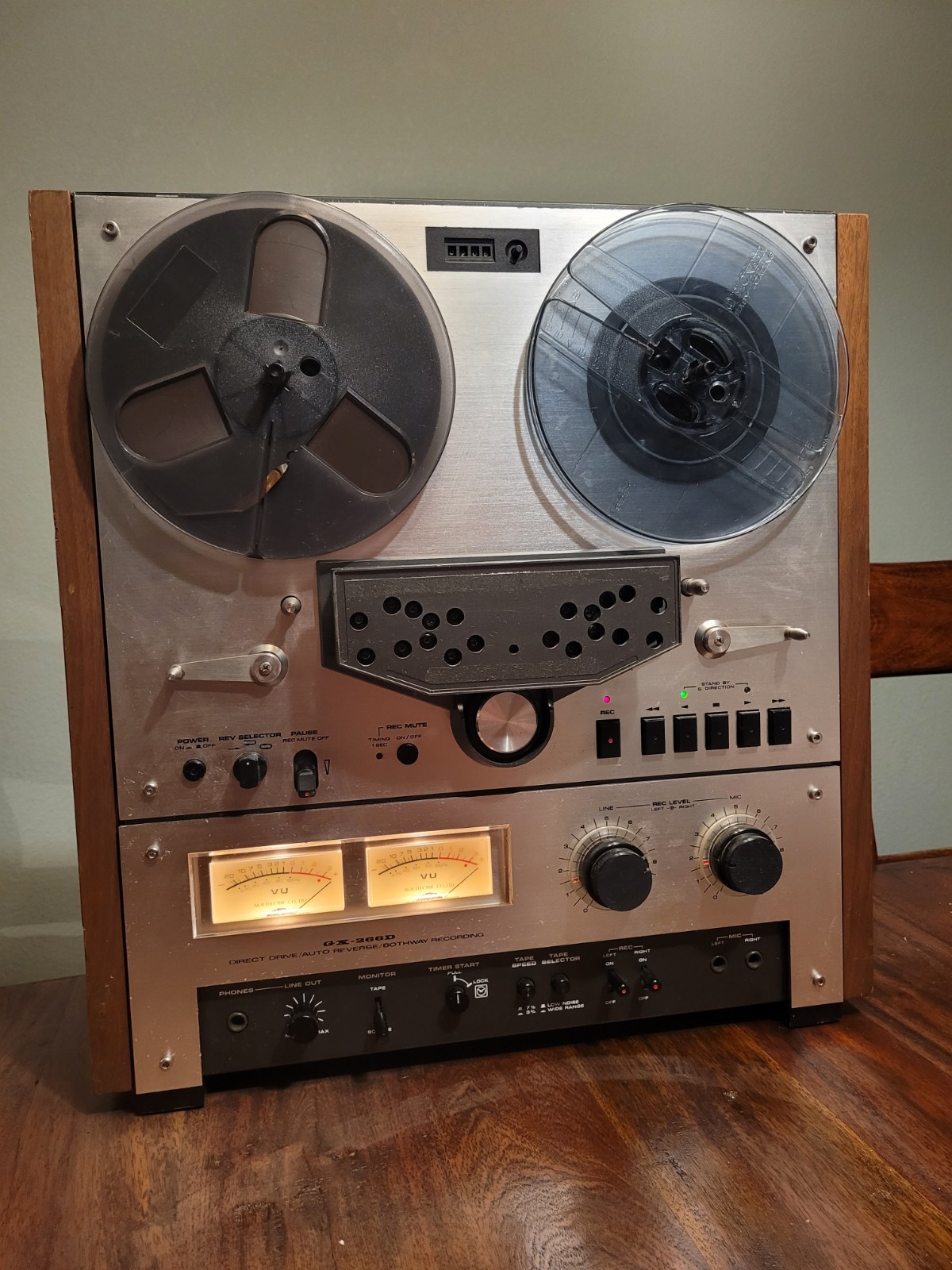
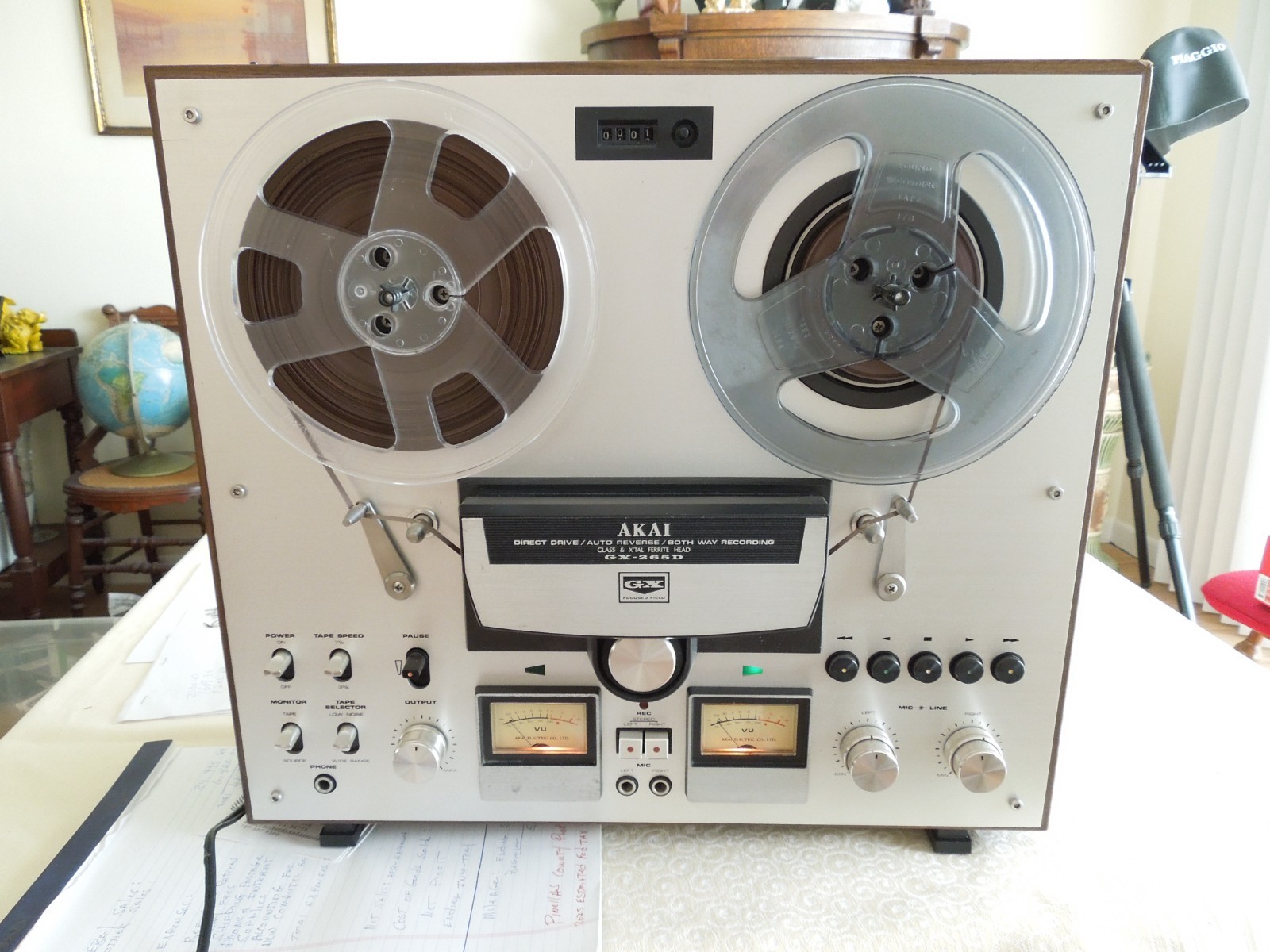
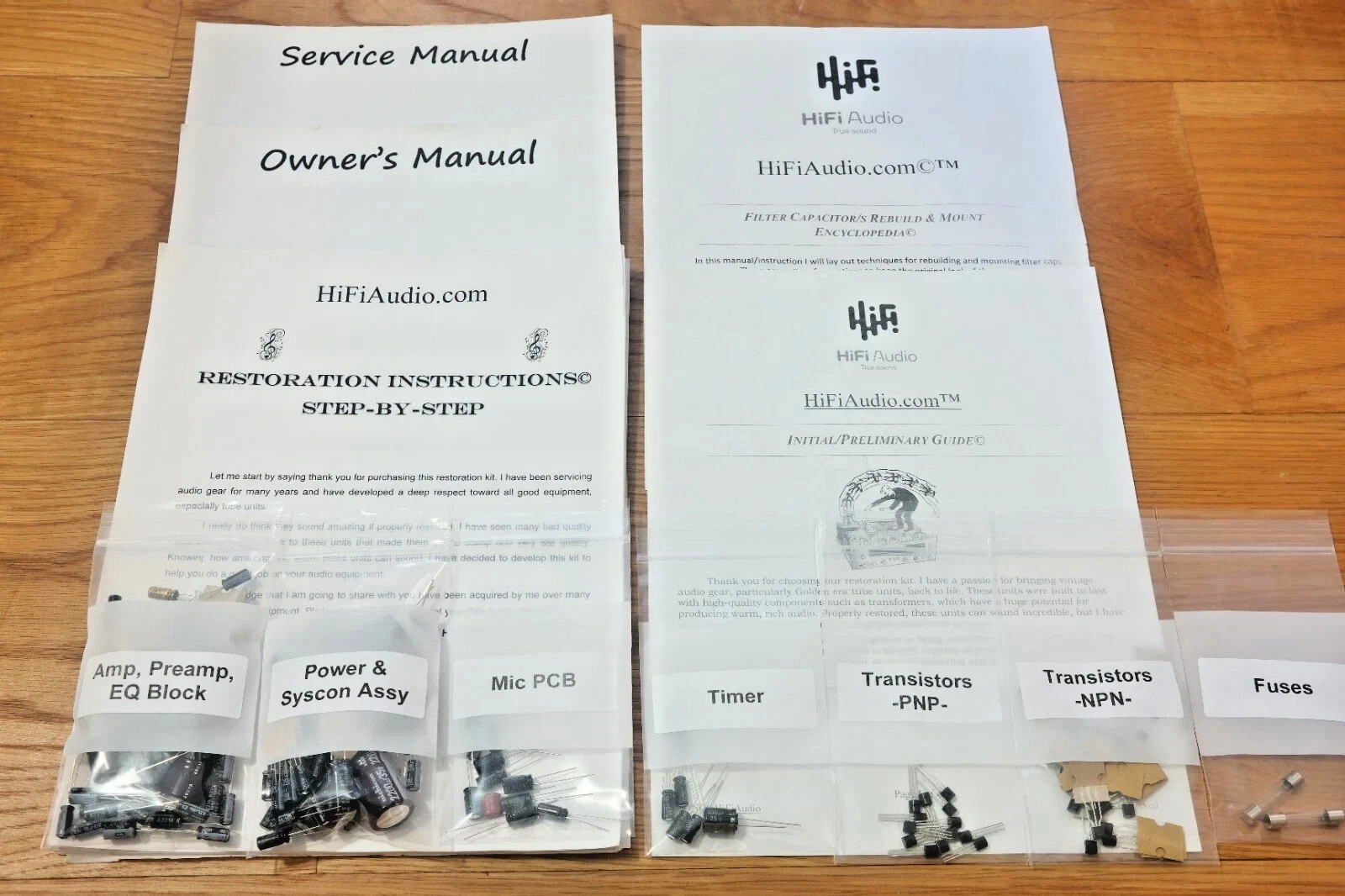

As an eBay Partner, we earn from qualifying purchases. This helps support our independent vintage technology research.
Service Manuals & Schematics
- Service Manual — archive.org
Related Models
- Akai CS-F33R (1985)
- Akai DX-59 (1983)
- Akai GX-280D-SS (1979)
- Akai DX-57 (1978)
- Akai AA-5200 (1978)
- Sony TC-2050SD (1978)
- Aiwa AD-F990 (1993)
- Kenwood KX-3060 (1982)
- Sony TC-2130A (1974)
- Sony TC-2220 (1972)