Aiwa AD-F80: The Quiet Masterpiece of the Cassette Era
In the mid-1980s, when audiophiles were beginning to grapple with the rise of digital audio, the cassette tape format reached its analog zenith. At the forefront of this analog renaissance stood Japanese manufacturers like Nakamichi, Sony, and Aiwa, each pushing the boundaries of what a compact cassette could achieve. Among Aiwa’s most refined offerings of the era was the AD-F80, a high-performance cassette deck that combined precision engineering, advanced noise reduction technologies, and a sleek, minimalist design. Though often overshadowed by the more flamboyant Nakamichi Dragon, the AD-F80 carved out a loyal following among discerning listeners who valued reliability, transparency, and musicality.
Released in 1985, the AD-F80 was positioned as a flagship model in Aiwa’s cassette deck lineup. It arrived at a time when cassette decks were no longer just portable music players—they were serious hi-fi components capable of near-CD-quality sound reproduction. The AD-F80 was designed to meet and exceed those expectations, offering a blend of technical sophistication and user-friendly operation that made it a favorite among both audiophiles and professional users.
Technical Specifications
The AD-F80 was engineered with meticulous attention to detail, featuring a dual-capstan, four-motor transport system that ensured exceptional tape stability and minimal wow and flutter. This precision mechanism, combined with a high-sensitivity azimuth-adjustable playback head, allowed the deck to extract every nuance from a tape.
| Specification | Detail |
| Year of Release | 1985 |
| Type | 3-Head, Dual Capstan Cassette Deck |
| Motors | 4 DC Servo Motors |
| Tape Speed | 1⅞ ips (4.76 cm/s) |
| Wow & Flutter | < 0.065% (weighted) |
| Frequency Response | 20Hz – 20kHz (at 3.15 ips, CrO₂/Normal) |
| Signal-to-Noise Ratio | 72 dB (Dolby C), 78 dB (Dolby HX Pro) |
| Total Harmonic Distortion | < 1.5% |
| Head Configuration | Separate Record, Playback, Erase Heads |
| Noise Reduction | Dolby B, C, and HX Pro |
| Input/Output | Line In/Out (RCA), Headphone Out (3.5mm) |
| Dimensions | 430 × 138 × 312 mm |
| Weight | 9.8 kg (21.6 lbs) |
| Power Requirement | 120V AC, 60 Hz (North American model) |
| Years Produced | 1978 |
One of the standout features of the AD-F80 was its implementation of Dolby HX Pro (Headroom Extension), a technology that dynamically adjusted the tape bias during recording to increase headroom and reduce distortion, especially on high-frequency transients. This allowed for cleaner, more dynamic recordings—particularly with metal tapes—without requiring complex user calibration.
Sound Characteristics and Performance
The AD-F80 was renowned for its neutral, transparent sound signature. Unlike some of its contemporaries that leaned toward a warmer or more colored presentation, the AD-F80 aimed for accuracy, making it an excellent choice for critical listening and tape duplication. Its three-head configuration (separate record, playback, and erase heads) enabled real-time monitoring of recordings, a feature prized by home tapers and semi-professional users.
When paired with high-quality Type II (CrO₂) or Type IV (Metal) tapes, the AD-F80 delivered a frequency response that extended cleanly to 20 kHz, with tight bass control and a detailed midrange. The low wow and flutter rating ensured pitch stability, while the high signal-to-noise ratio made background hiss almost imperceptible—even without noise reduction.
Many users report that the AD-F80 excels at handling complex musical passages, maintaining clarity during orchestral crescendos or dense rock mixes. Its dynamic range and transient response were on par with the best decks of its time, and in some blind tests, it has held its own against more expensive competitors.
Notable Features and Innovations
The AD-F80 was packed with features that reflected Aiwa’s commitment to high-fidelity engineering:
- Dual Capstan Transport: Reduced tape flutter and ensured consistent tape-to-head contact.
- Auto Reverse Playback and Recording: Seamless flipping between sides without manual intervention.
- Fluorescent VU Meters: Provided real-time visual feedback on recording levels with a crisp, easy-to-read display.
- Logic-Controlled Operation: Microprocessor-based controls for precise tape handling and error prevention.
- Direct Drive Capstans: Minimized mechanical noise and improved speed accuracy.
- Manual Azimuth Adjustment: Allowed users to fine-tune the playback head for optimal high-frequency response.
The front panel was cleanly laid out, with a minimalist aesthetic typical of mid-80s Japanese design—brushed aluminum finish, soft-touch buttons, and a recessed tape window. Despite its advanced features, the AD-F80 remained intuitive to operate, a testament to Aiwa’s user-centric design philosophy.
Common Issues and Maintenance
Like all vintage cassette decks, the AD-F80 requires periodic maintenance to perform at its best. The most common issues stem from aging:
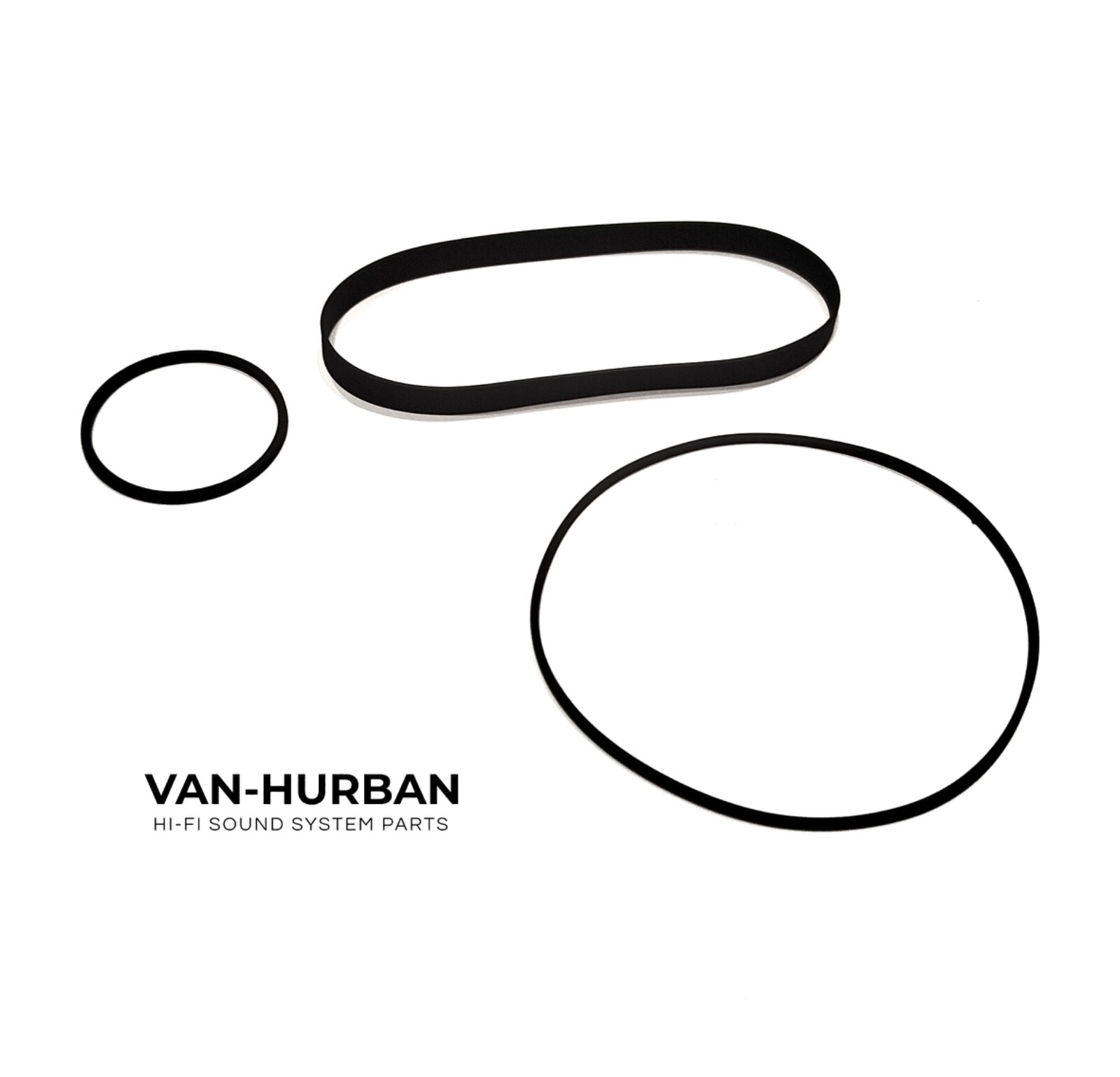
- Deteriorating Rubber Components: The pinch rollers and drive belts can harden or crack over time. Replacement with modern equivalents is essential.
- Dirty or Worn Tape Heads: Regular cleaning with isopropyl alcohol and demagnetization are crucial for maintaining sound quality.
- Capstan Shaft Oxidation: Can cause speed instability; light polishing may be needed.
- Sticky Mode Switches or Buttons: Caused by dried lubricants; disassembly and cleaning often resolve this.
Fortunately, the AD-F80’s modular construction makes servicing relatively straightforward. Replacement parts, including heads and belts, are still available through specialty audio restoration suppliers. Given its robust build quality, a well-maintained AD-F80 can continue to deliver outstanding performance decades after its release.
Current Market Value and Collectibility
While not as widely collected as the Nakamichi Dragon or Sony TC-K797, the Aiwa AD-F80 has seen a steady rise in interest among cassette enthusiasts and analog purists. Its reputation for reliability and high fidelity has earned it a cult following, particularly in Japan and among European audiophiles.
As of 2024, a fully functional, serviced AD-F80 typically sells for $250–$400, depending on condition and included accessories. Units with original packaging, manuals, and low usage hours can command higher prices, especially if they include rare optional accessories like the remote control or external power supply.
Though it may never reach the stratospheric prices of the most legendary decks, the AD-F80 represents excellent value for money in the vintage cassette market. It’s a “sleeper” model—underrated in its day, now appreciated for its quiet excellence.
Conclusion and Legacy
The Aiwa AD-F80 stands as a testament to the peak of analog cassette engineering. At a time when digital formats were beginning to dominate, Aiwa proved that the humble cassette could still deliver reference-grade sound with the right design and execution. It may not have had the showy dual azimuth heads of the Dragon or the celebrity endorsement of Tandberg, but it offered something just as valuable: honest, uncolored sound, built to last.
Today, the AD-F80 appeals to a new generation of listeners rediscovering the tactile joy of tape—music lovers who appreciate the ritual of loading a cassette, setting levels, and hearing music unfold with warmth and dimensionality that digital sometimes lacks. For those seeking a high-performance, no-nonsense cassette deck from the golden age of analog, the Aiwa AD-F80 remains a compelling and rewarding choice.
It’s not just a relic—it’s a reminder that great engineering never truly goes out of style.
eBay Listings



As an eBay Partner, we earn from qualifying purchases. This helps support our independent vintage technology research.
Related Models
- Aiwa AD-F990 (1993)
- Aiwa AA-8700 (1981)
- Aiwa AA-8900 (1982)
- Aiwa AD-1200 (1980)
- Aiwa AD-1250 (1982)
- Sony TC-2050SD (1978)
- Kenwood KX-3060 (1982)
- Sony TC-2130A (1974)
- Sony TC-2220 (1972)
- Sony TC-FX6 (1982)