Aiwa AD-6600: The Forgotten Flagship of Cassette Fidelity
In the late 1970s, as the cassette format evolved from a portable dictation medium into a serious contender for high-fidelity home audio, Japanese electronics manufacturer Aiwa emerged as a quiet but formidable force in the world of premium tape decks. Among their most accomplished models of the era was the Aiwa AD-6600, a full-featured, dual-capstan cassette deck that represented the pinnacle of the brand’s analog tape engineering. Though often overshadowed by more famous contemporaries from Nakamichi, Sony, or TEAC, the AD-6600 carved out a loyal following among discerning listeners who valued precision, build quality, and musical transparency.
Released in 1978, the AD-6600 arrived during a golden age for cassette technology—a time when manufacturers were pushing the boundaries of tape speed accuracy, head alignment, and noise reduction to deliver performance that could rival open-reel recorders. Aiwa, already respected for its compact, well-engineered audio products, leveraged its expertise in miniaturization and precision mechanics to create a deck that balanced advanced features with elegant usability.
Technical Specifications
The AD-6600 was engineered for accuracy and consistency, with a focus on minimizing wow, flutter, and distortion—three critical factors in high-end cassette reproduction. It featured a dual-capstan transport system, a hallmark of professional-grade decks, which ensured stable tape-to-head contact and reduced tape slippage. Combined with a three-head configuration (record, playback, and erase), the AD-6600 delivered excellent azimuth alignment and clean signal transfer.
| Specification | Detail |
| Year Released | 1978 |
| Type | 3-Head, Dual Capstan Cassette Deck |
| Tape Speed | 1⅞ ips (4.76 cm/s) |
| Heads | Separate Record, Playback, and Erase Heads (Ferrite) |
| Motor System | Dual Direct-Drive Motors |
| Wow & Flutter | < 0.08% (Dolby On) |
| Frequency Response | 20Hz – 20kHz (with CrO₂ tape, Dolby C) |
| Signal-to-Noise Ratio | 72 dB (Dolby B), 80 dB (Dolby C) |
| Total Harmonic Distortion | < 1.5% |
| Noise Reduction | Dolby B and Dolby C |
| Input/Output | Line In (RCA), Line Out (RCA), Headphone Out (¼") |
| Tape Compatibility | Type I (Normal), Type II (Chrome), Type IV (Metal) |
| Auto Reverse | No |
| Build Quality | Solid steel chassis, aluminum faceplate, precision mechanical assembly |
One of the AD-6600’s standout features was its implementation of Dolby C noise reduction, a relatively new technology at the time that offered significantly better high-frequency noise suppression than Dolby B. This allowed the deck to extract greater detail from tapes while maintaining a quiet background—especially important when using higher-bias tapes like Chrome (Type II) and Metal (Type IV). Aiwa tuned the Dolby C circuitry conservatively, avoiding the over-compression and "pumping" artifacts that plagued some early implementations.
Sound Characteristics and Performance
The AD-6600 is best described as a neutral, transparent performer with a slightly warm undercurrent—a sonic signature that avoids harshness while preserving detail. Its three-head design allows for true monitoring during recording, meaning users could hear exactly what was being laid to tape, a feature prized by home tapers and semi-professional users.
The dual-capstan system contributes to a remarkably stable soundstage, with tight bass control and excellent imaging. High frequencies are extended but never shrill, thanks in part to the precision of the playback head gap and the effectiveness of Dolby C. When paired with high-quality CrO₂ or Metal tapes, the AD-6600 can produce results that come surprisingly close to entry-level reel-to-reel decks of the era.
Many users report that the AD-6600 excels at reproducing vocals and acoustic instruments with lifelike clarity. Its midrange is particularly engaging, avoiding the mid-bass bloat or upper-midrange glare that can plague lesser decks. While not as dynamically explosive as a Nakamichi Dragon, the AD-6600 offers a more forgiving, musical presentation that works well across genres.
Notable Features and Innovations
Aiwa packed the AD-6600 with features that were cutting-edge for its time:
- Dual Direct-Drive Motors: Eliminated belt slippage and ensured consistent tape speed, critical for low wow and flutter.
- Three-Head Configuration: Enabled real-time monitoring and improved head specialization for record, playback, and erase functions.
- Dolby B and C Compatibility: Gave users flexibility in noise reduction, with Dolby C offering near-hiss-free playback on compatible tapes.
- Manual Tape Bias and EQ Calibration: Advanced users could fine-tune recording levels for different tape types, maximizing fidelity.
- Fluorescent VU Meters: Provided accurate level monitoring with a retro aesthetic that many collectors love today.
- Solid Chassis Design: Minimized vibration and external interference, contributing to a clean signal path.
Unlike many of its peers, the AD-6600 did not feature auto-reverse functionality—a deliberate choice that kept the transport mechanism simpler and more reliable. Aiwa prioritized performance over convenience, a philosophy that resonates with purists today.
Common Issues and Maintenance
As with any vintage cassette deck, the Aiwa AD-6600 requires careful maintenance to perform at its best. The most common issues include:
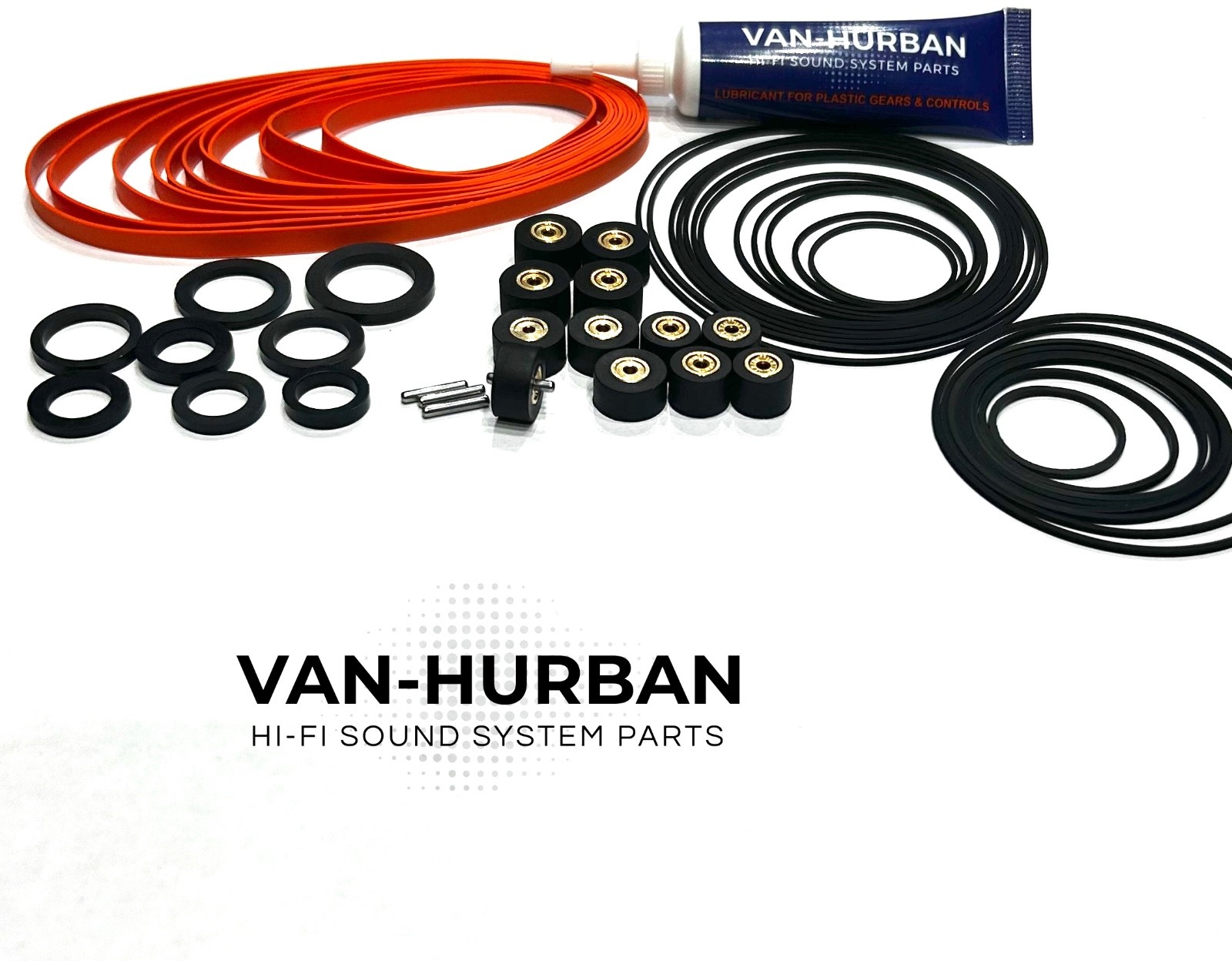
- Deteriorated Rubber Components: Pinch rollers and capstan tires can harden or crumble over time. Replacement with modern equivalents is essential.
- Dirty or Worn Heads: The ferrite heads should be cleaned regularly with isopropyl alcohol and demagnetized using a tape head demagnetizer.
- Sticky Transport Mechanism: Lubrication of guide rails and gears may be needed after decades of dormancy.
- Capacitor Aging: Electrolytic capacitors in the power supply and audio circuits may need replacement to prevent hum or channel imbalance.
Fortunately, the AD-6600’s modular design makes servicing relatively straightforward. Replacement parts and service manuals are available through online vintage audio communities, and the deck’s popularity in Japan means that well-maintained units still surface on the secondhand market.
Current Market Value and Collectibility
The Aiwa AD-6600 is not as widely collected as some of its more famous rivals, but it has gained a cult following among cassette enthusiasts and vintage audio restorers. Well-serviced units typically sell for $200–$400, depending on condition, included accessories, and provenance.
Its value lies in its build quality, sonic performance, and relative rarity outside Japan. While Nakamichi decks often command higher prices due to brand prestige, the AD-6600 offers 90% of the performance at a fraction of the cost. For those building a high-end analog tape setup on a budget, the AD-6600 is a compelling choice.
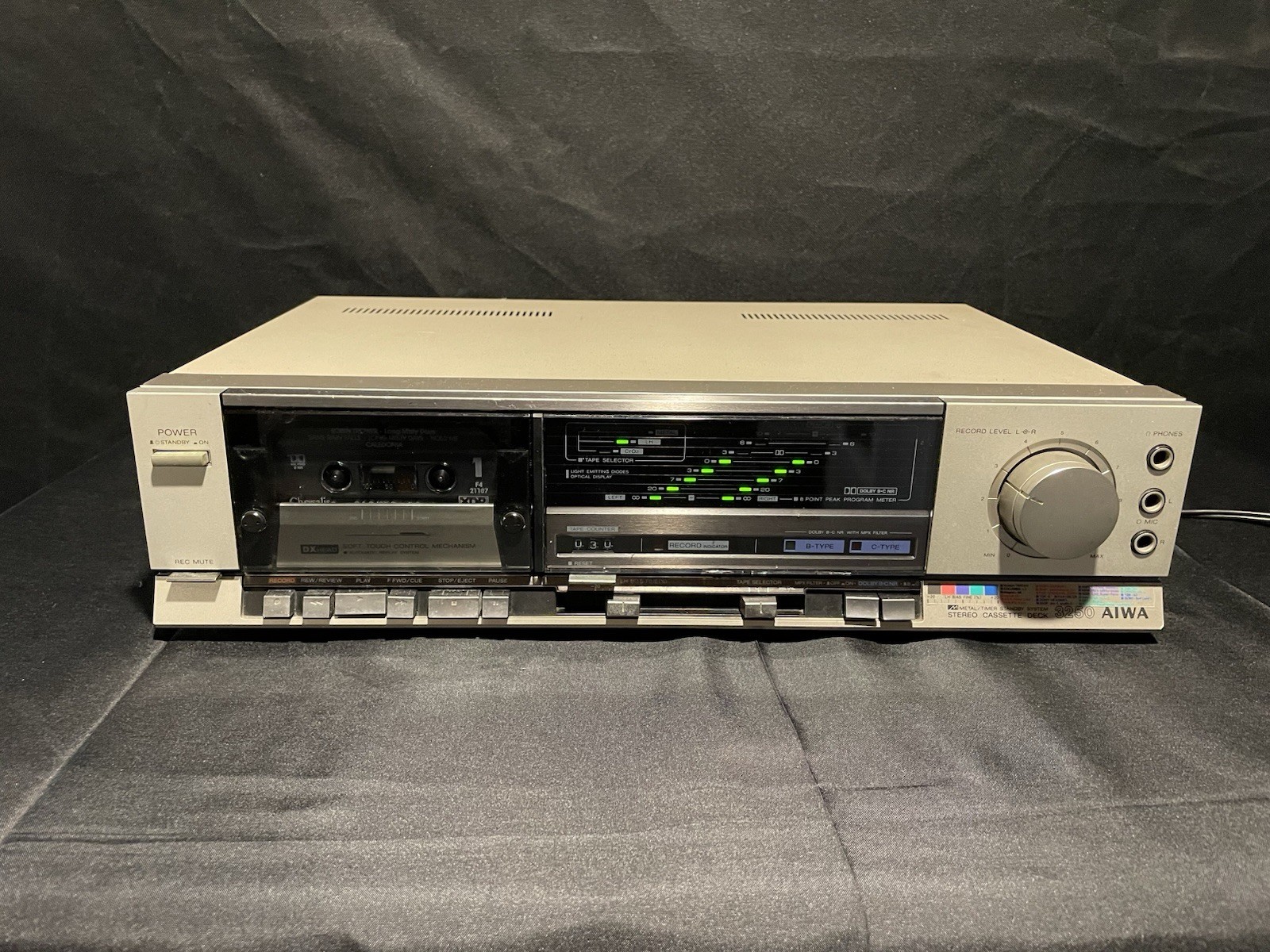
Collectors also appreciate its understated design—sleek black chassis, minimalist faceplate, and subtle blue VU meters give it a professional, studio-ready aesthetic that fits well in both vintage and modern setups.
Conclusion and Legacy
The Aiwa AD-6600 stands as a testament to a time when cassette decks were taken seriously as high-fidelity instruments. Though Aiwa never achieved the same mythic status as Nakamichi in the audiophile world, the AD-6600 proves that the company was capable of engineering excellence on par with the best.
Today, it represents a hidden gem in the world of vintage audio—a deck that delivers exceptional sound, robust construction, and advanced features without the inflated price tag. For anyone exploring the art of analog tape, the AD-6600 offers a rewarding entry point into the world of high-end cassette reproduction.
In an era where digital perfection dominates, the Aiwa AD-6600 reminds us that warmth, character, and craftsmanship still have a place in the audiophile’s world. It may not be the most famous deck of its time, but for those who’ve heard it, it’s often the one they remember most fondly.
eBay Listings


As an eBay Partner, we earn from qualifying purchases. This helps support our independent vintage technology research.
Service Manuals & Schematics
- Service Manual (1978) — archive.org
Related Models
- Aiwa AD-F990 (1993)
- Aiwa AA-8700 (1981)
- Aiwa AA-8900 (1982)
- Aiwa AD-1200 (1980)
- Aiwa AD-1250 (1982)
- Sony TC-2050SD (1978)
- Kenwood KX-3060 (1982)
- Sony TC-2130A (1974)
- Sony TC-2220 (1972)
- Sony TC-FX6 (1982)