Rhodes Piano (1959–1985)
An electro-mechanical keyboard instrument using tuned metal tines and electromagnetic pickups to produce its iconic electric piano sound.
Overview
The Rhodes piano is an electro-mechanical keyboard instrument developed by Harold Burroughs Rhodes and manufactured by the Rhodes Piano Corporation. Production began in 1959 following a partnership with Leo Fender, leading to the Fender Rhodes Piano Bass, with full-range models following shortly after. The instrument gained widespread popularity in the 1970s, becoming a staple in jazz-rock fusion, funk, and pop music. It produces sound when a hammer strikes a high-carbon steel tine, part of an asymmetric tuning fork assembly, with vibrations converted to electrical signals via electromagnetic pickups. The Rhodes was produced in both Stage and Suitcase configurations, the latter including a built-in amplifier and speakers.
Specifications
| Tone generation range | 41 Hz to 2.6 kHz (fundamental frequencies) |
| Keyboard options | 73 or 88 keys |
| Weight (73-key stage model) | Approximately 59-65 kg |
Design
The Rhodes piano uses a hammer to strike a thin metal tine made of high-carbon steel wire, which vibrates as part of an asymmetric tuning fork (tone bar assembly); the vibrations are converted into an electrical signal by an electromagnetic pickup. The action features a modular design with few moving parts, with early models using felt-tipped hammers and later models (from around 1970) switching to neoprene. Each key has an individual damper mechanism consisting of a felt pad on a pivoting arm. The Mark II model introduced a different tine design for a brighter tone. Suitcase models include a built-in amplifier, speakers, and a stereo tremolo circuit. Service manuals cover virtually all models, including early Mark IIs.
Context
Invented in the early 1940s by Harold Burroughs Rhodes for music therapy using salvaged aircraft parts, the instrument entered commercial development in 1959 through a partnership with Leo Fender. After CBS acquired Fender in 1965, mass production of the Rhodes piano began, expanding through the 1970s. The Suitcase 73 model was introduced by 1969. The Mark I Stage Piano, introduced in the early 1970s, became the most popular model due to its portability. The Mark II, launched in 1979, offered a brighter, more bell-like tone compared to the warmer character of the Mark I. Original manufacturing ceased in 1985, though the brand was revived in 2022 with new electro-mechanical instruments like the MK8.
Reception
The Rhodes piano is celebrated for its warm, bell-like, intimate, and expressive sound, distinct from acoustic pianos. Early Mark I models (1971–1973) are particularly valued for their "warm Rhodes bark," though some found the action "swampy" or "stiff." The Mark II is described as brighter and more bell-like, but less deep or warm than the Mark I. It was widely used by artists including Herbie Hancock, Stevie Wonder, Miles Davis, and Chick Corea, becoming a defining sound in 1970s popular music across jazz, rock, and funk.
Collectibility
1960s Sparkle Top models are considered more collectible due to rarity, though parts reliability can be an issue. Early Mark I models (1971–1973) are especially prized by players for their quintessential tone. While the instrument has not consistently appreciated in value, excellent examples exist from every production year.
eBay Listings

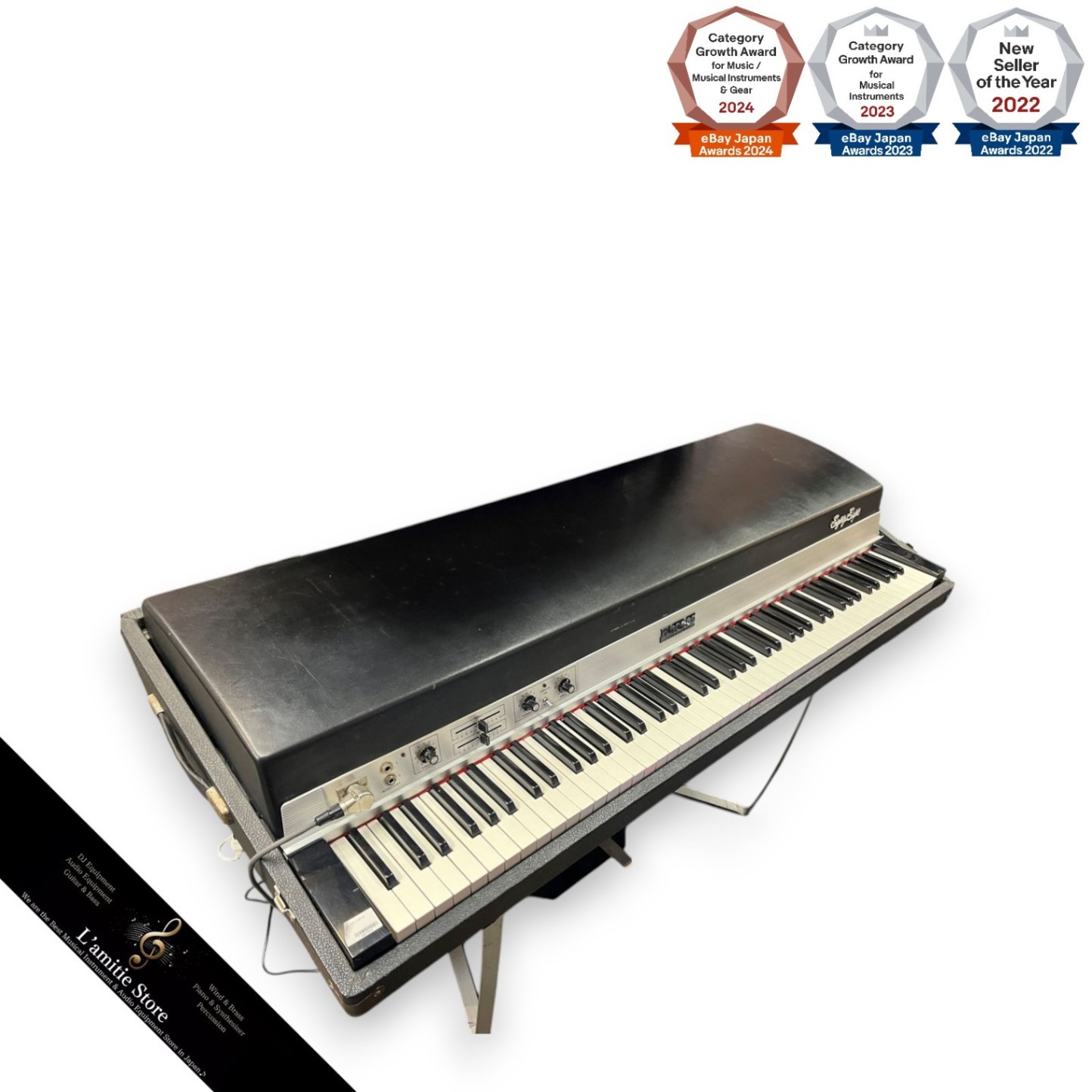
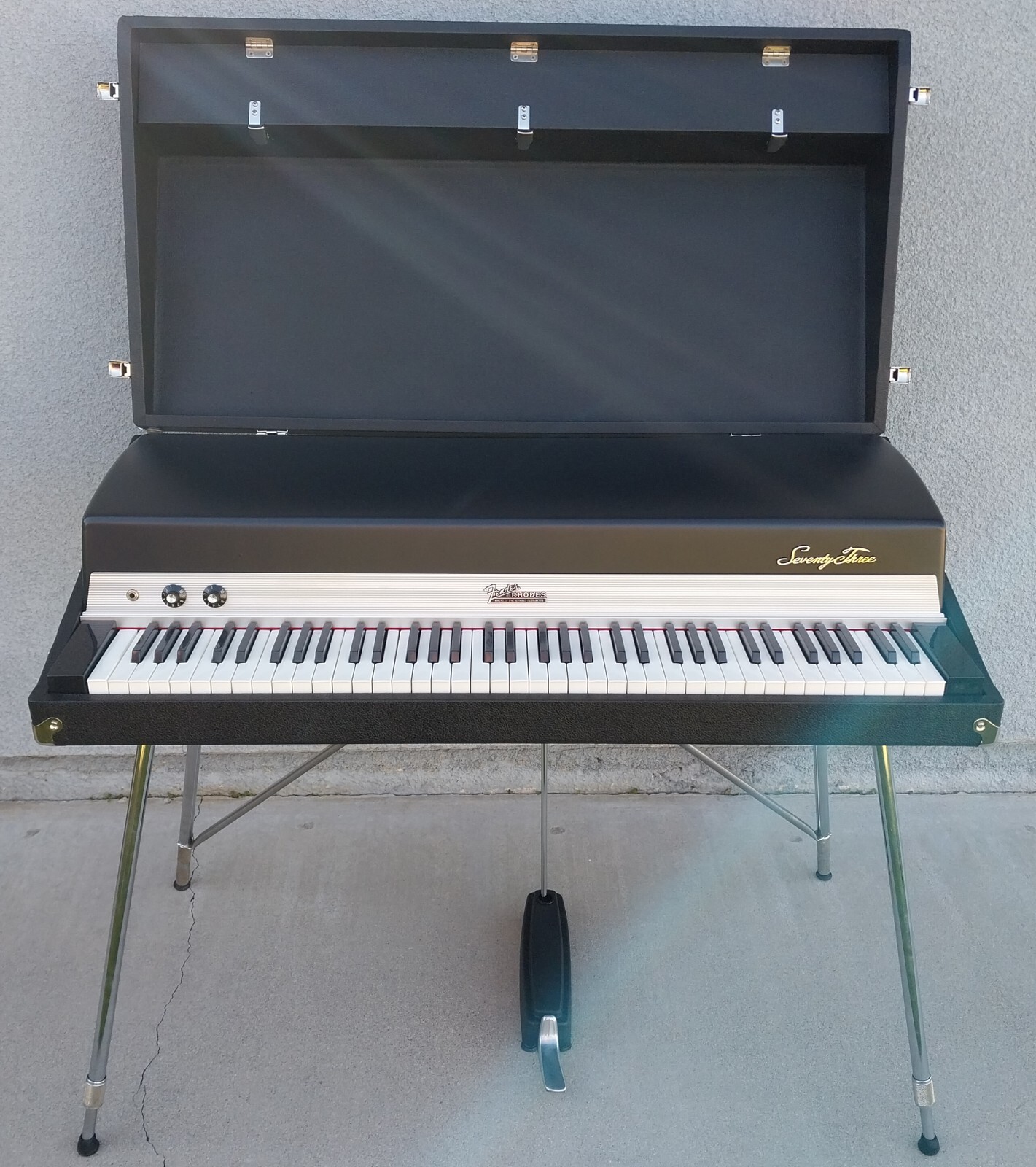
As an eBay Partner, we earn from qualifying purchases. This helps support our independent vintage technology research.