YASHICA ELECTRO 35
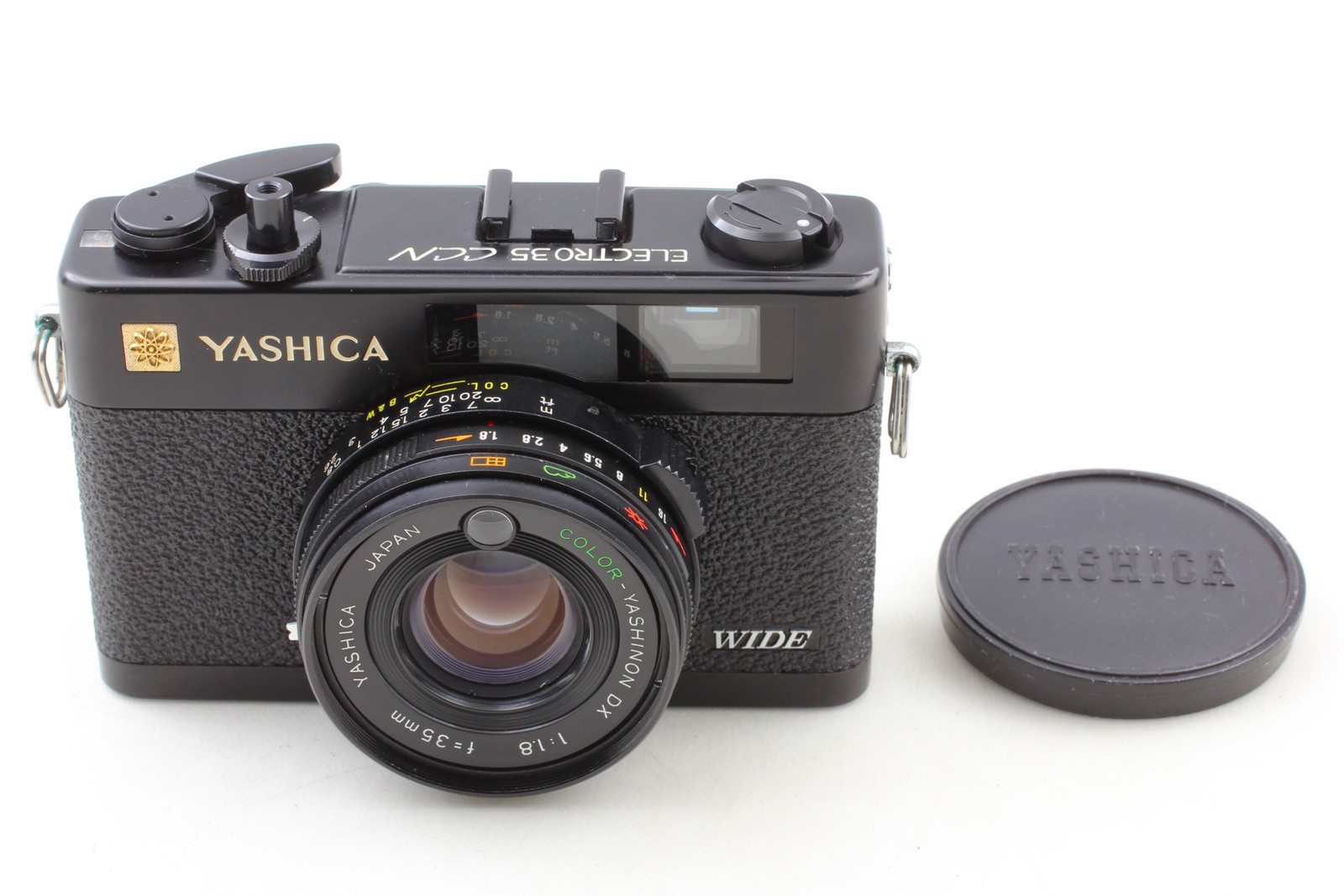
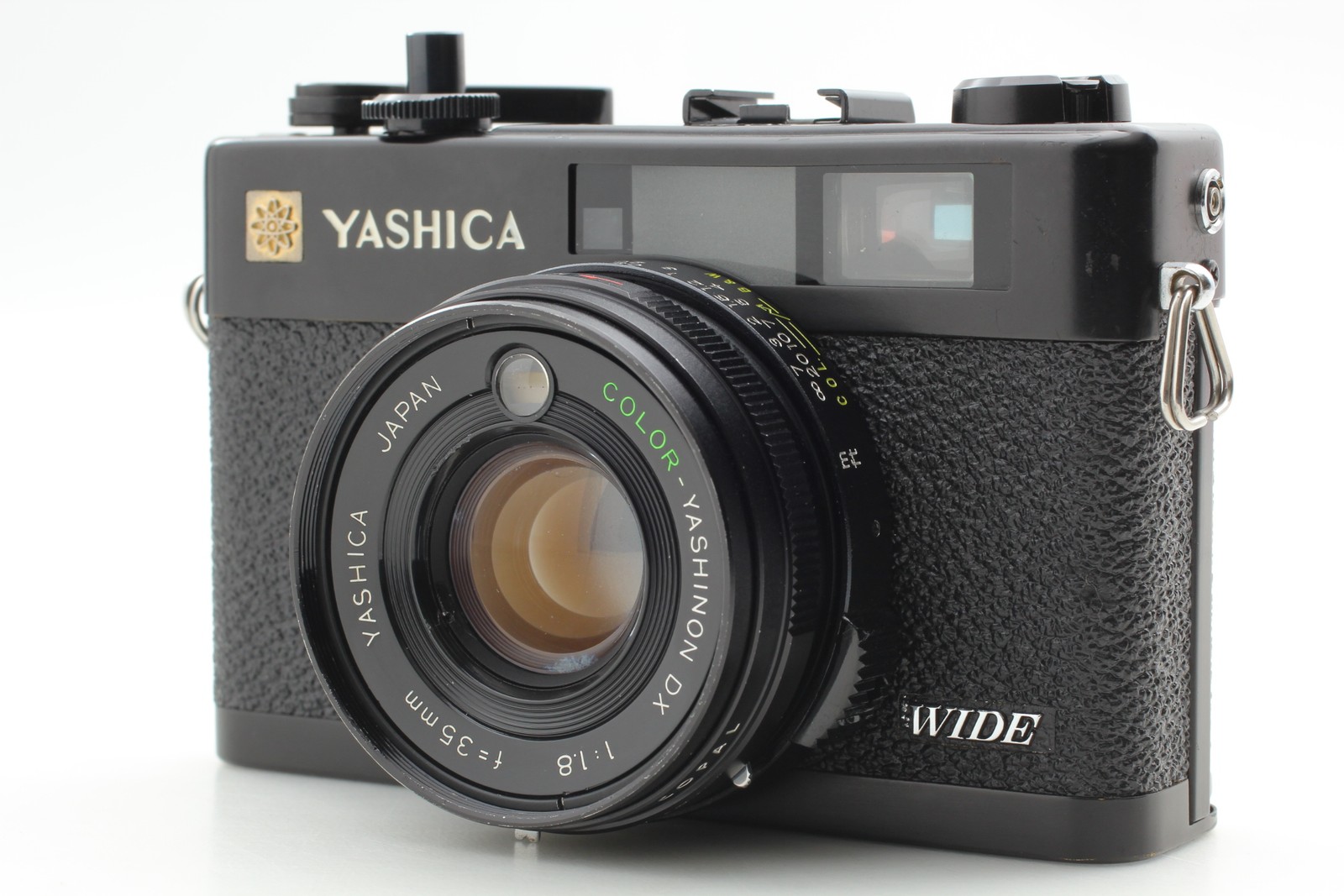
The Yashica Electro 35 is a compact, electronically controlled 35mm rangefinder camera introduced in 1965, notable for being one of the first cameras to utilize an electronically timed shutter in a consumer-level rangefinder. Designed for ease of use and reliable performance, it combines a high-speed lens with aperture-priority automatic exposure, making it a favorite among amateur and professional photographers alike during its production run.
Overview
Launched in 1965, the Yashica Electro 35 marked a significant shift in rangefinder design by integrating solid-state electronics into exposure control—a pioneering move at the time. It was developed during a transitional period in camera technology, bridging the gap between fully mechanical systems and the emerging era of electronic automation. Targeted at the advanced amateur and prosumer market, the Electro 35 offered high image quality in a compact, lightweight body, powered by a single PX625 mercury battery (1.35V), which operated its cadmium sulfide (CdS) light meter and electronic shutter.
The camera was built around a fixed Yashinon-DS 45mm f/1.7 lens, a fast normal lens that delivered excellent sharpness and low-light performance. Its aperture-priority autoexposure system allowed users to set the desired f-stop, after which the camera automatically selected the appropriate shutter speed from 1/500 sec to 8 seconds via a vertically traveling, electronically controlled metal focal-plane shutter. The viewfinder, with superimposed rangefinder patch and exposure information, provided a bright, clear image with parallax correction marks.
Over its 12-year production span, the Electro 35 evolved into several variants (Electro 35 G, GT, GS, GX, etc.), each refining ergonomics, metering accuracy, and build quality. The G-series introduced a redesigned top plate with a larger shutter speed window and improved film advance lever, while later models featured minor cosmetic updates and improved battery compatibility considerations. With over 8 million units sold, the Electro 35 became one of the most commercially successful electronic rangefinders ever made, cementing Yashica’s reputation for reliable, innovative cameras.
Specifications
| Specification | Value |
| Type | Rangefinder |
| Film Format | 35mm |
| Years Produced | 1965–1977 |
| Lens Mount | Fixed Yashinon-DS 45mm f/1.7 (non-interchangeable) |
| Shutter | Electronically controlled vertical-travel focal-plane shutter; speeds from 8 seconds to 1/500 sec, automatically selected |
| Metering | Through-the-lens (TTL) CdS metering with center-weighted sensitivity |
| Exposure Modes | Aperture-priority automatic exposure (manual aperture selection, automatic shutter speed) |
| Viewfinder | Combined optical viewfinder and rangefinder with superimposed LED exposure indicator (in G/GT models) |
| Dimensions | 138 × 77 × 47 mm; weight: approx. 650 g (with battery) |
Key Features
- Electronically Timed Shutter: One of the first consumer rangefinders with an electronically controlled shutter, enabling precise exposure from 8 sec to 1/500 sec.
- TTL CdS Metering: Through-the-lens metering system provided accurate exposure readings independent of lens attachments or filters.
- Fixed Yashinon-DS 45mm f/1.7 Lens: High-speed, sharp lens ideal for low-light photography and shallow depth-of-field control.
- Aperture-Priority Automation: User selects aperture; camera automatically sets shutter speed, simplifying exposure for non-technical users.
- Compact Rangefinder Design: Lightweight body with integrated viewfinder and rangefinder, offering a discreet and portable form factor.
Historical Context
The Yashica Electro 35 was released at a time when Japanese camera manufacturers were rapidly innovating to compete with German optical dominance. In the mid-1960s, companies like Canon, Nikon, and Minolta were advancing SLR technology, but rangefinders remained popular for their compactness and quiet operation. Yashica distinguished itself by embracing electronics early, positioning the Electro 35 as a modern, forward-thinking alternative to mechanical rangefinders like the Leica M series or Canonet QL17.
Its main competitors included the Canon Canonet G-III QL17 (1969), which featured a similar aperture-priority system but with a mechanical shutter, and the Minolta Hi-Matic series. However, the Electro 35 stood out for its fully electronic shutter timing and broader shutter speed range, particularly its ability to reach 8-second exposures—uncommon in compact rangefinders. Market reception was overwhelmingly positive; the camera’s combination of automation, lens speed, and build quality made it a bestseller, especially in North America and Europe.
Despite its reliance on the now-obsolete mercury PX625 battery, the Electro 35 remained in production until 1977, outlasting many contemporaries. Its longevity is a testament to its robust design and broad appeal. Yashica leveraged the Electro 35’s success to expand its lineup, later introducing the TL-E (an electronically shuttered SLR) and the FX series, but the Electro 35 remained the brand’s most iconic model.
Collectibility & Value
Today, the Yashica Electro 35 is a sought-after classic among film photography enthusiasts and vintage camera collectors. While not as rare as some Leica or Contax models, its high production volume ensures availability, with working examples commonly found in the $100–$200 USD range. Fully functional GT and GS models with clean glass and accurate metering typically command higher prices, especially those in original condition with boxes and manuals.
When purchasing an Electro 35, buyers should test the meter response and shutter operation, as the electronic timing circuits can fail due to age, corrosion, or incorrect battery substitution. A common issue is incompatibility with modern alkaline or zinc-air replacements for the PX625 battery, which operate at 1.5V instead of 1.35V, leading to overexposure. Solutions include using voltage-regulated adapters or mercury-free 1.35V substitutes (e.g., Wein Cell). Other potential problems include stiff film advance, light seals degradation, and rangefinder misalignment, though these are generally repairable by experienced technicians.
Despite these quirks, the Electro 35 remains a practical film camera. Its lens produces excellent image quality with smooth bokeh and strong center sharpness, and the aperture-priority system feels intuitive even by modern standards. For photographers seeking a compact, capable 35mm rangefinder with historical significance, the Electro 35 offers exceptional value and charm.
Similar Cameras
- Canon Canonet G-III QL17 (1969–1980): Mechanically timed rangefinder with fast f/1.7 lens and QL (Quick Load) film loading.
- Minolta Hi-Matic 7SII (1970–1976): Electronic rangefinder with CdS metering and 45mm f/1.8 lens.
- Fujica ST 705W (1974–1979): Compact rangefinder with aperture-priority automation and 45mm f/1.9 lens.
- Konica C35 Automatic (1976): Fully automatic 35mm point-and-shoot with rangefinder focusing, signaling the next evolution in compact photography.
- Pentax EE Spotmatic (1975–1976): Electronic shutter variant of the Spotmatic SLR, sharing similar aperture-priority automation.
Repair & Maintenance
The Yashica Electro 35 requires a 1.35V PX625 mercury battery for correct meter and shutter operation. Modern replacements (e.g., alkaline or silver oxide) output 1.5V, which can cause overexposure; use a Wein Cell (zinc-air) or a voltage-dropping adapter for accurate exposure. The electronic shutter is sensitive to voltage fluctuations and may fail if the battery is left depleted for long periods.
Common repair issues include degraded capacitors in the timing circuit, oxidized battery contacts, and worn shutter blades. The CdS cell can lose sensitivity over time, leading to inaccurate metering. Rangefinder alignment ("collimation") may require adjustment if focusing is inconsistent. While not a DIY-friendly camera due to its sealed circuitry, experienced technicians familiar with vintage electronics can service most problems. Regular use, proper storage, and periodic battery removal help preserve functionality. Replacing light seals and checking the shutter across all speeds are recommended during servicing.
eBay Listings


As an eBay Partner, we earn from qualifying purchases. This helps support our independent vintage technology research.