RICOH GR1
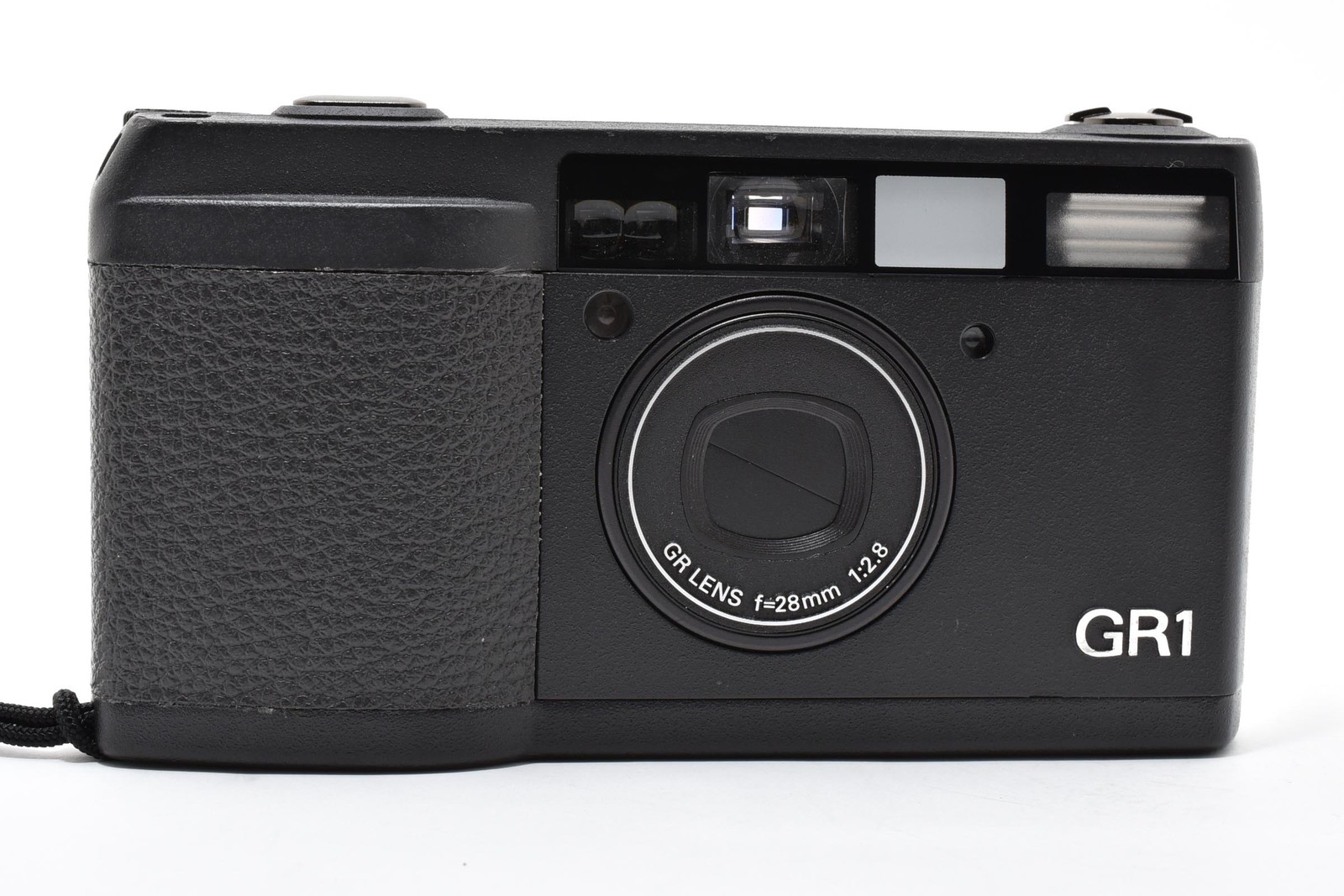
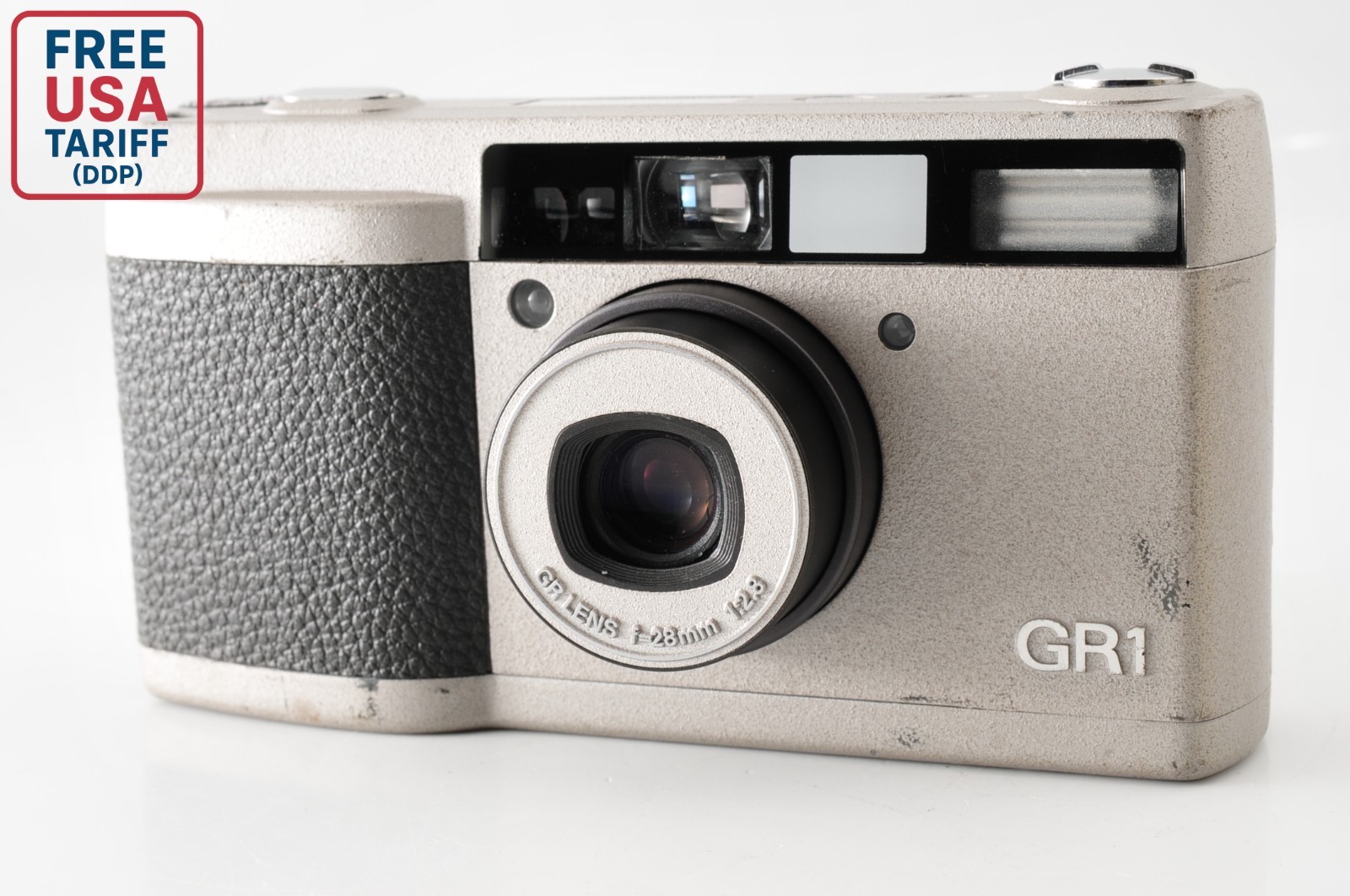
The Ricoh GR1 is a premium 35mm film compact camera introduced in 1996, celebrated for its compact form factor, sharp 28mm f/2.8 GR lens, and titanium construction. Designed with street photographers in mind, it combines advanced optics with discreet portability, earning a cult following among photojournalists and enthusiasts.
Overview
Released in 1996, the Ricoh GR1 was positioned as a high-end compact film camera aimed at professional photographers and serious amateurs seeking a lightweight, unobtrusive tool for candid and street photography. It succeeded the GR21 and GR25 models and marked the beginning of the GR series’ modern era, emphasizing optical excellence and minimalist design. The GR1 was engineered to deliver SLR-level image quality in a pocketable body, a rare feat at the time.
The camera’s defining feature is its fixed 28mm f/2.8 GR lens, a multi-coated, seven-element design known for exceptional sharpness, high contrast, and minimal distortion—hallmarks of Ricoh’s GR optical lineage. The lens features a snap-focus system with pre-programmed distance settings (0.35m, 0.5m, 1m, and ∞), allowing rapid manual focusing without looking through the viewfinder, ideal for zone focusing in street photography. The body is constructed from durable titanium, contributing to its premium feel and resistance to corrosion, while maintaining a weight of just 220 grams (with battery).
The GR1 was part of a trio of cameras that included the GR10 (a slightly simplified version for the North American market) and the GR1v (an updated model released in 1999 with variable spot metering and improved macro focusing). Despite its compact size, the GR1 offers full manual control over exposure, aperture-priority autoexposure, and program mode, making it versatile in diverse lighting conditions. Its quiet leaf shutter and compact design made it ideal for documentary and street work, where discretion is paramount.
Specifications
| Specification | Value |
| Type | Fixed-lens compact |
| Film Format | 35mm (135 film) |
| Years Produced | 1996–2001 |
| Lens Mount | Fixed 28mm f/2.8 GR lens (non-interchangeable) |
| Shutter | Electronically controlled leaf shutter, 4–1/1000 sec, plus Bulb mode |
| Metering | TTL 6-segment multi-pattern metering; center-weighted available in manual mode |
| Exposure Modes | Program AE, Aperture Priority AE, Manual, and Program Shift |
| Viewfinder | Optical, real-image, with 0.44x magnification; parallax-corrected framelines |
| Dimensions | 105 × 66 × 30 mm (4.1 × 2.6 × 1.2 in); 220 g (7.8 oz) with battery |
Key Features
- 28mm f/2.8 GR lens: Renowned for its edge-to-edge sharpness, low distortion, and excellent micro-contrast, optimized for street and reportage photography.
- Snap Focus System: Allows instant selection of four preset focus distances (0.35m, 0.5m, 1m, ∞) for rapid zone focusing without viewfinder use.
- Titanium Body: Lightweight yet robust construction provides durability and a premium tactile experience.
- Program Shift Function: Enables quick adjustment of aperture/shutter combinations while maintaining correct exposure in Program mode.
- Compact Flash Memory: Stores exposure data (aperture, shutter speed, ISO, flash use) for up to 36 frames, accessible via LCD on camera back.
Historical Context
The Ricoh GR1 was launched during a transitional period in photography, as compact autofocus cameras dominated the consumer market, while professionals still relied on SLRs. Ricoh carved a niche by targeting discerning photographers who valued image quality and discretion over automation. The GR1’s 28mm focal length—wider than the standard 35mm or 38mm found on most compacts—appealed to photojournalists and street photographers influenced by legends like Cartier-Bresson and Winogrand, who favored wide-angle perspectives for immersive compositions.
Competitors at the time included the Contax T2 and T3, the Nikon 28Ti, and the Olympus XA series. While these cameras offered excellent optics, the GR1 distinguished itself with its superior snap-focus system, titanium build, and GR lens pedigree. Despite limited marketing and distribution, the GR1 gained a loyal following, particularly in Japan and Europe. Its reputation grew through word of mouth among working photographers, cementing its status as a "photographer’s camera" rather than a mass-market product.
Collectibility & Value
Today, the Ricoh GR1 is a sought-after collector’s item, particularly among film photography enthusiasts and street photographers. Units in excellent condition with clean lenses and functioning electronics typically sell for $400–$700 on the secondary market, with mint examples or rare variants (such as special editions) commanding higher prices. The GR1v, its successor, often trades at a slight premium due to its enhanced metering and macro capabilities.
When purchasing a GR1, buyers should verify the functionality of the shutter, autofocus (though rarely used), and LCD display. Common issues include degraded light seals, sticky shutter mechanisms due to aged lubricants, and battery corrosion—especially since the camera uses a single CR123A lithium battery, which can leak if left in long-term storage. The lens should be free of fungus, haze, and scratches, and the titanium body inspected for dents or finish wear. Given its age, functional GR1s with clean optics are considered reliable, but professional servicing is recommended for heavy use.
Similar Cameras
- Contax T2 (1990–1999): 35mm compact with 38mm f/2.8 Sonnar lens, rangefinder-style handling, and premium build.
- Nikon 28Ti (1994–1997): Titanium-bodied 28mm f/2.8 compact with aperture-priority and manual modes.
- Yashica T4 Super (Kyocera T4 Super) (1991–1996): 35mm f/3.5 compact with Carl Zeiss Tessar lens, known for sharpness and rugged design.
- Olympus XA3 (1985–1990): Compact rangefinder-style camera with 35mm f/3.5 lens and zoom-like variable focal length via lens extension.
- Minolta TC-1 (1996–2005): Ultra-compact 35mm camera with 28mm f/3.5 G-Rokkor lens, competing in the premium compact segment.
Repair & Maintenance
The Ricoh GR1 uses a single CR123A lithium battery to power its electronic shutter, metering system, and LCD. Battery life is generally good, with one cell lasting several hundred exposures under normal use. However, due to the potential for leakage, it is advisable to remove the battery when the camera is not in use for extended periods.
Common maintenance issues include deteriorated light seals, which should be replaced during servicing to prevent light leaks on film. The shutter mechanism, while robust, may require cleaning or lubrication after years of inactivity. The autofocus system, though functional, is often bypassed by users in favor of snap focus. Repair parts are limited but still available through specialized camera technicians and Japanese repair shops. Due to the complexity of the internal electronics and lens assembly, repairs should be performed by technicians experienced with high-end compact cameras. Regular use and proper storage in a dry environment significantly extend the camera’s operational lifespan.
eBay Listings


As an eBay Partner, we earn from qualifying purchases. This helps support our independent vintage technology research.