OLYMPUS OM-1
The Olympus OM-1 is a fully mechanical 35mm single-lens reflex (SLR) camera introduced in 1972 as the flagship of Olympus’s revolutionary OM (Olympus Maitani) series. Designed by Yoshihisa Maitani, it redefined professional SLR design with its compact size, precision engineering, and all-mechanical operation, setting a new benchmark for 35mm SLRs in the 1970s and 1980s.
Overview
The Olympus OM-1 was developed in direct response to the growing demand for smaller, lighter professional SLRs during the early 1970s. At the time, most 35mm SLRs—such as the Nikon F and Canon F-1—were large, heavy, and built for durability at the expense of portability. Olympus, under the leadership of industrial designer Yoshihisa Maitani (who had previously designed the Olympus Pen and Olympus 35), sought to create a professional-grade camera that retained full mechanical reliability while drastically reducing size and weight. The result was the OM-1, originally marketed as the M-1 in Japan and several other markets, though renamed OM-1 in North America and Europe due to a naming conflict with Leica (which had its own M-series rangefinders).
Launched in 1972, the OM-1 was the first model in the OM system, which would eventually include the OM-2, OM-3, OM-4, and a comprehensive range of lenses and accessories. Despite its compact dimensions—measuring just 136 x 83 x 50 mm and weighing approximately 580 grams (with standard lens)—the OM-1 was engineered to professional standards, featuring a full-metal chassis, a vertically traveling metal focal-plane shutter, and a robust bayonet lens mount. It was aimed primarily at serious amateur and professional photographers who valued precision, portability, and mechanical reliability.
The OM-1 played a pivotal role in Olympus’s transition from a maker of compact cameras and medical equipment to a major player in the professional SLR market. Its success established the OM system as a credible alternative to the dominant Nikon and Canon systems, particularly among photojournalists, travel photographers, and nature shooters who appreciated its small form factor without sacrificing optical quality. The OM-1 remained in production for 16 years, with incremental updates leading to the OM-1n (1977) and OM-1MD (motor drive version), a testament to its enduring design and mechanical robustness.
Specifications
| Specification | Value |
| Type | 35mm Single-Lens Reflex (SLR) |
| Film Format | 35mm (135 film), 24 x 36 mm image format |
| Years Produced | 1972–1988 |
| Lens Mount | Olympus OM bayonet mount |
| Shutter | Vertically traveling metal focal-plane shutter; speeds from 1 sec to 1/1000 sec, plus B (bulb) |
| Metering | Center-weighted full-aperture TTL (through-the-lens) metering via CdS cell |
| Exposure Modes | Manual only (shutter speed and aperture set manually) |
| Viewfinder | Fixed pentaprism with 0.92x magnification, 97% coverage; interchangeable focusing screens |
| Dimensions | 136 mm (W) × 83 mm (H) × 50 mm (D); ~580 g (body only, without battery) |
Key Features
- Compact, all-metal mechanical body: At 136x83x50mm and under 600g, it was the smallest and lightest professional SLR of its era.
- Vertically traveling metal shutter: Reduced vibration and enabled faster flash sync speed of 1/60 sec, unusual for the time.
- TTL full-aperture metering: Used a CdS cell in the pentaprism housing for accurate exposure readings without stopping down.
- Interchangeable focusing screens: Allowed customization for different shooting needs (e.g., split-image, microprism, grid).
- No battery dependency for shutter operation: Fully mechanical operation; battery (1.35V mercury PX625 or modern equivalent) only required for metering.
Historical Context
The OM-1 was introduced at a time when 35mm SLRs were becoming the standard tools for professional photography, but most were bulky and complex. Olympus’s goal was to create a camera that combined professional reliability with unprecedented portability. Maitani’s design philosophy emphasized minimalism and user-centric engineering, resulting in a camera that was 40% smaller and significantly lighter than its main competitors. The OM-1’s compact size was achieved through a combination of design innovations: a smaller mirror, a more compact pentaprism, and a vertically traveling shutter (as opposed to horizontal), which reduced the camera’s overall height.
Upon release, the OM-1 received widespread acclaim for its engineering and ergonomics. It won numerous design awards and was quickly adopted by photographers in fields where mobility was essential—wildlife, travel, and street photography. Competitors such as Nikon and Canon responded with their own compact models in later years, but the OM-1 had already established Olympus as a serious contender in the SLR market. The OM system eventually grew to include over 60 OM-mount lenses, including fast primes and specialized optics, further solidifying its reputation.
Collectibility & Value
Today, the Olympus OM-1 is a highly sought-after camera among film photography enthusiasts and collectors. Its mechanical reliability, compact size, and excellent build quality make it a favorite for those seeking a lightweight, fully manual 35mm SLR. In good working condition, an OM-1 typically sells for $150–$300 USD, with the OM-1n (updated version with improved metering and film advance) commanding slightly higher prices. Fully functional units with clean viewfinders and accurate shutters are preferred, as are models with original leather and unscratched top plates.
When purchasing an OM-1, buyers should check for common issues such as shutter accuracy (especially at high speeds), mirror bounce, and light seals degradation. The CdS meter requires a 1.35V mercury battery (now obsolete), so many users substitute with modern 1.5V alkaline or zinc-air batteries, which can cause overexposure unless compensated. Some collectors prefer to have the meter recalibrated or use external light meters. Despite its age, the OM-1 remains relatively easy to service, with many repair technicians still familiar with its mechanics.
Similar Cameras
- Pentax Spotmatic SP/SPF – Mechanically similar full-frame SLR with TTL metering, but larger and heavier.
- Canon FTb – Rugged manual SLR with stop-down metering and interchangeable screens.
- Nikon F (early models) – Professional-grade SLR with modular design; significantly larger than the OM-1.
- Minolta SRT-101 – Popular SLR with advanced metering and robust build, but less compact.
- Yashica TL Electro-X – Electronically controlled SLR with aperture-priority automation, contrasting the OM-1’s fully mechanical design.
Repair & Maintenance
The OM-1 requires a 1.35V mercury PX625 battery for its TTL meter (commonly replaced today with WeinCell MRB625 or zinc-air hearing aid batteries, though exposure compensation is needed). The shutter and film transport are fully mechanical and operate without batteries. Common maintenance issues include degraded light seals (which should be replaced to prevent light leaks), stiff film advance levers, and inaccurate shutter speeds due to dried lubricants. The CdS cell may degrade over time, leading to incorrect meter readings. Routine CLA (Clean, Lubricate, Adjust) by a technician experienced with OM cameras is recommended every 5–10 years for regular users. Replacement parts such as foam seals, focusing screens, and rewind knobs are still available from specialty suppliers.
eBay Listings
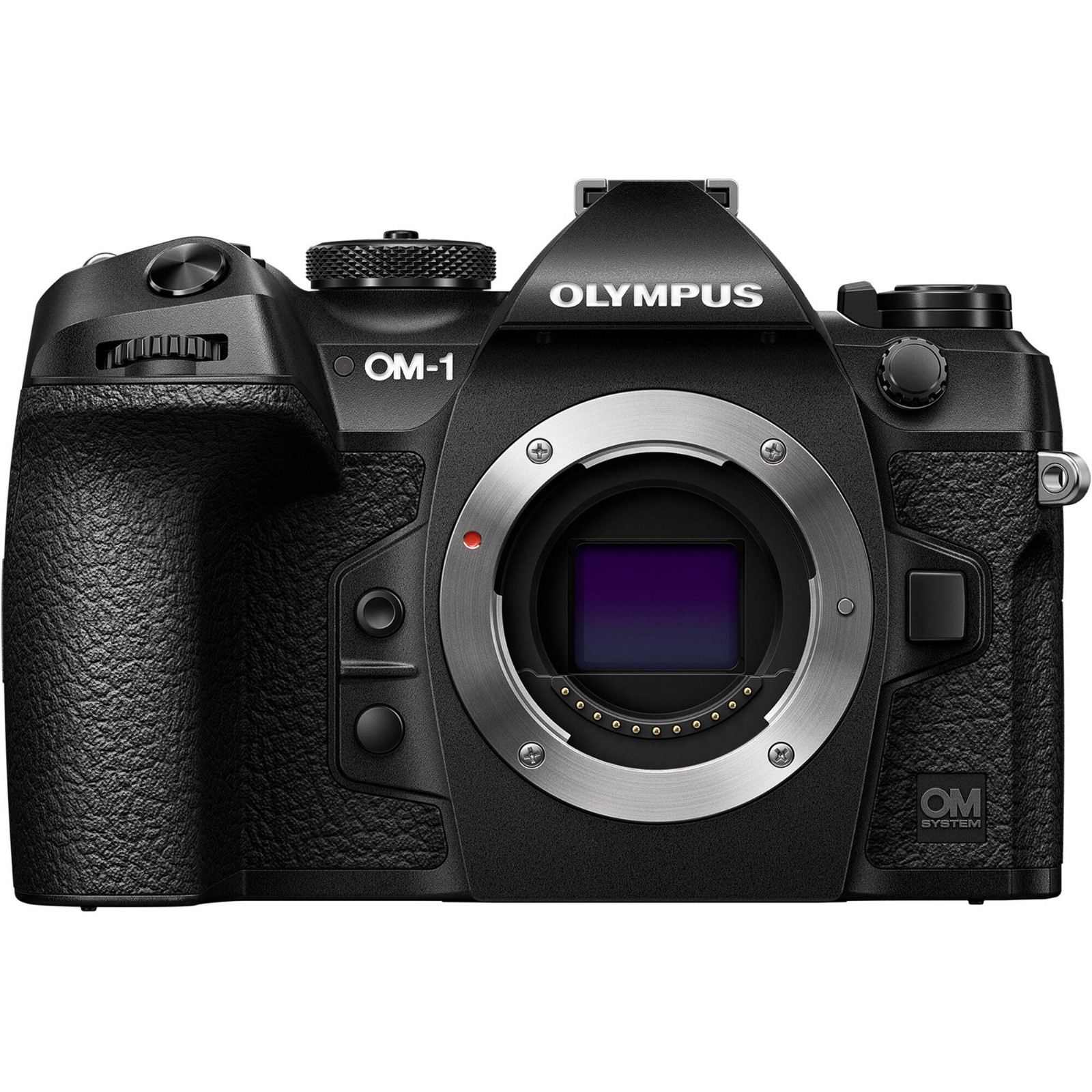

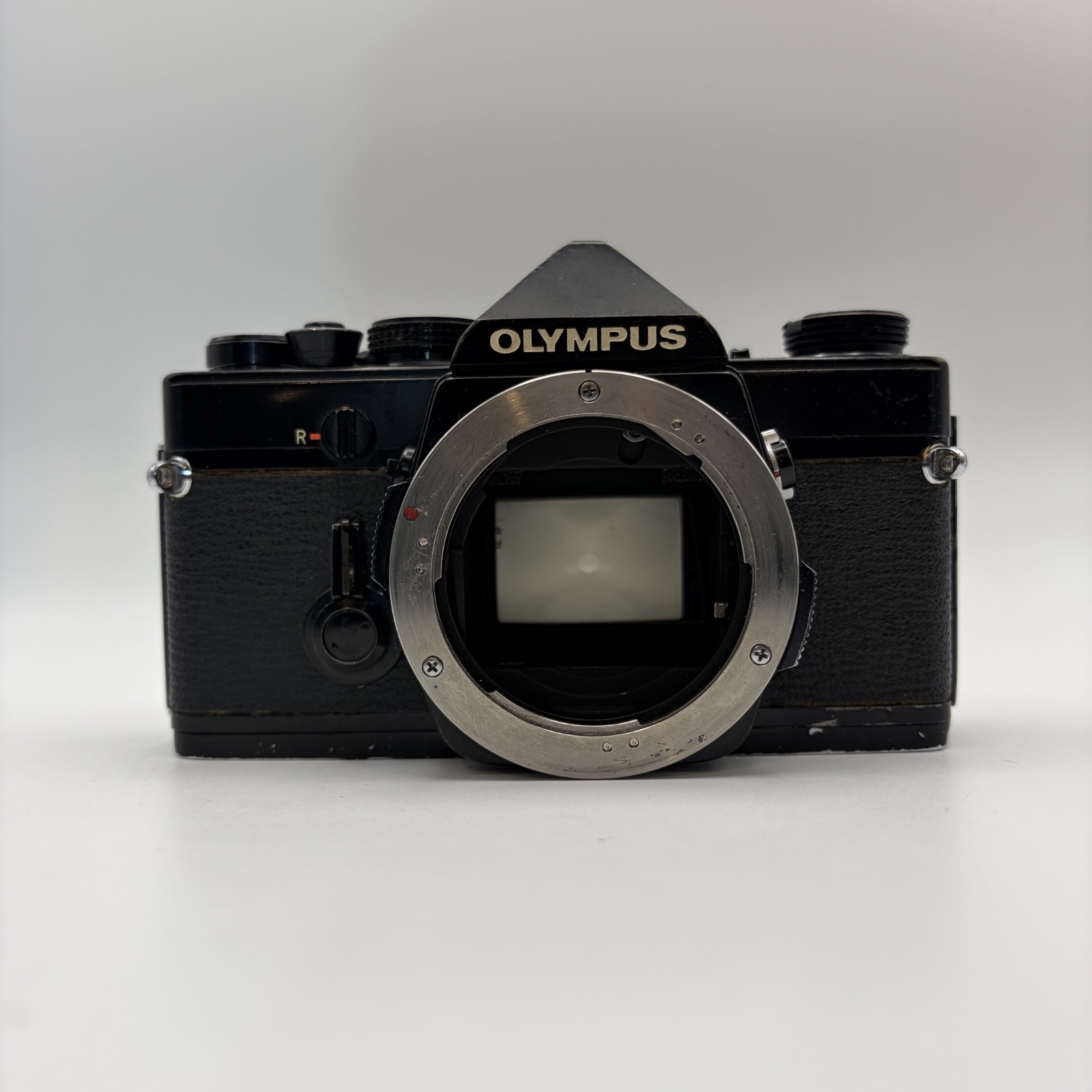
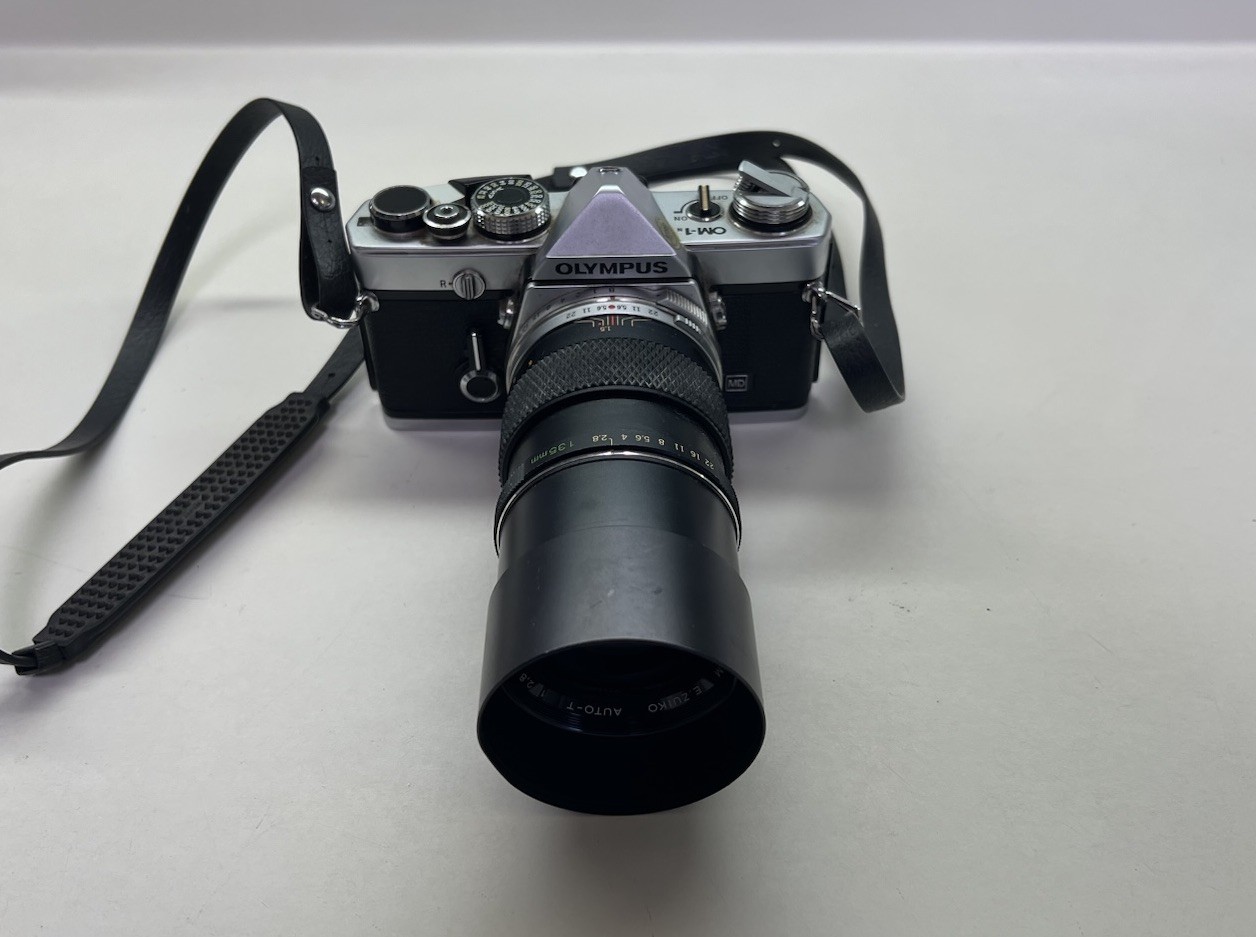
As an eBay Partner, we earn from qualifying purchases. This helps support our independent vintage technology research.
Related Models
- Olympus OM-10 (1979-1987)
- Olympus OM-1n (1979-1988)
- Olympus OM-2 SP (1984-1988)
- Olympus OM-2 (1975-1987)
- Olympus OM-20 (1983–1986)
- Alpa 6 (1948-1953)
- Agfa Agfaflex
- Agfa Ambiflex
- Agfa Easy
- Agfa Futura Af zoom