Leica D-Lux 3 (2006)
Overview
The Leica D-Lux 3 isn’t a reinvention. It’s a rebranding with intent. Released in 2006 and officially announced on September 14 of that year, this compact digital camera is a rebadged Panasonic LX-2, the result of Leica’s ongoing collaboration with Panasonic to bring precision optics and minimalist design to compact digital photography. While it shares its core engineering with the LX-2, the D-Lux 3 wears the Leica name with a certain gravitas—appealing to those who value the brand’s legacy even in a small-sensor compact. Owners report it delivers superb results, particularly in good light, and one user recounts receiving it as a long-desired gift, underscoring its emotional pull despite its modest size.
It’s not a rangefinder, not an M-series heir, but it carries the Leica ethos in distilled form: clean lines, mechanical intuitiveness, and a lens that punches above its class. The body is described as beautifully minimalist, with a focus on function over flourish. The 2.8-inch LCD provides a clear window to composition, and the inclusion of aperture and shutter priority modes gives experienced shooters control rarely found in point-and-shoots of its era. Still, it’s not without its quirks—performance could be sluggish, and high ISO images were reportedly noisy, according to CNET’s contemporary review.
Specifications
| Manufacturer | Leica |
| Product Type | Compact Digital Camera |
| Release Year | 2006 |
| Resolution | 10 MP |
| Sensor | 1/1.65" CCD sensor |
| Total Pixels | 10.4 million total pixels |
| Effective Pixels | 10 million effective pixels |
| Aspect Ratio | 16:9 |
| Lens | LEICA DC VARIO-ELMARIT |
| Optical Zoom | 4x optical |
| Focal Length (35mm equivalent) | 28-112mm |
| Focal Length (actual) | 6.3 - 25.2 mm |
| Aperture Range | F2.8 - F8.0 (w) F4.9 - F8.0 (t) |
| LCD Screen Size | 2.8" |
| Minimum Shutter Speed | 60 sec |
| Maximum Shutter Speed | 1/2000 sec |
| Aperture Priority | Yes |
| Shutter Priority | Yes |
| Built-in Flash | Yes (pop-up) |
| Orientation Sensor | Yes |
| Battery Form Factor | Proprietary |
| Usable Battery Types | Lithium Ion |
| Weight (inc. batteries) |
Key Features
LEICA DC VARIO-ELMARIT Lens with 28-112mm Equivalent Range
The lens is where the D-Lux 3 earns its name. The LEICA DC VARIO-ELMARIT covers a versatile 28-112mm equivalent range, starting wide enough for street scenes and architecture, then pulling in to a useful portrait-length telephoto. At the wide end, it opens to F2.8—a rarity in compacts of its size—and narrows to F4.9 at full zoom. That wide aperture allows for better low-light performance and subtle background separation, though the small sensor limits true bokeh. CNET praised the lens as “great,” and while owners may not obsess over the specs, they appreciate the image quality it delivers in real-world conditions.
Manual Exposure Controls with Aperture and Shutter Priority
Unlike many point-and-shoots of the mid-2000s, the D-Lux 3 doesn’t lock users into full auto. The inclusion of both aperture priority and shutter priority modes gives photographers the flexibility to control depth of field or motion blur—features that elevate it from snapshot tool to a legitimate creative instrument. Combined with the 60-second minimum shutter speed, it supports long exposures for night shots or light trails, making it a capable low-light traveler despite its size.
Compact, Minimalist Body with 2.8" LCD
The design philosophy is clear: remove the unnecessary. The D-Lux 3’s body is described as beautifully minimalist, with a clean front plate, understated branding, and a layout that prioritizes access over ornamentation. The 2.8-inch LCD dominates the rear, offering a bright, responsive interface for framing and playback.
Historical Context
The Leica D-Lux 3 emerged from Leica’s strategic collaboration with Panasonic, a partnership designed to leverage Panasonic’s digital engineering and Leica’s optical reputation. It is a rebadged version of the Panasonic LX-2, sharing the same sensor, lens design, and core functionality. This model continued a lineage of compact cameras that brought Leica’s name to digital photography without requiring the cost or complexity of a full system. While not part of a formally documented Leica product family hierarchy, it served as an accessible entry point for enthusiasts who wanted a Leica-branded camera with serious controls.
Collectibility & Value
Original retail price in 2006 was approximately $600 at Amazon, positioning it as a premium compact. Today, used examples trade between $369 and $459, with three units reportedly available in that range. However, collectibility is tempered by reliability concerns. D-Lux 3 users often face startup errors and unresponsive screens that prevent photo capture. Forum posts document long-term failures, including one user noting their camera had been non-functional for over three months. Reddit threads show ongoing troubleshooting efforts, suggesting that working units may be harder to find than listings imply. While the Leica badge adds value, mechanical fragility and proprietary components—like the lithium-ion battery—pose challenges for long-term ownership.
eBay Listings
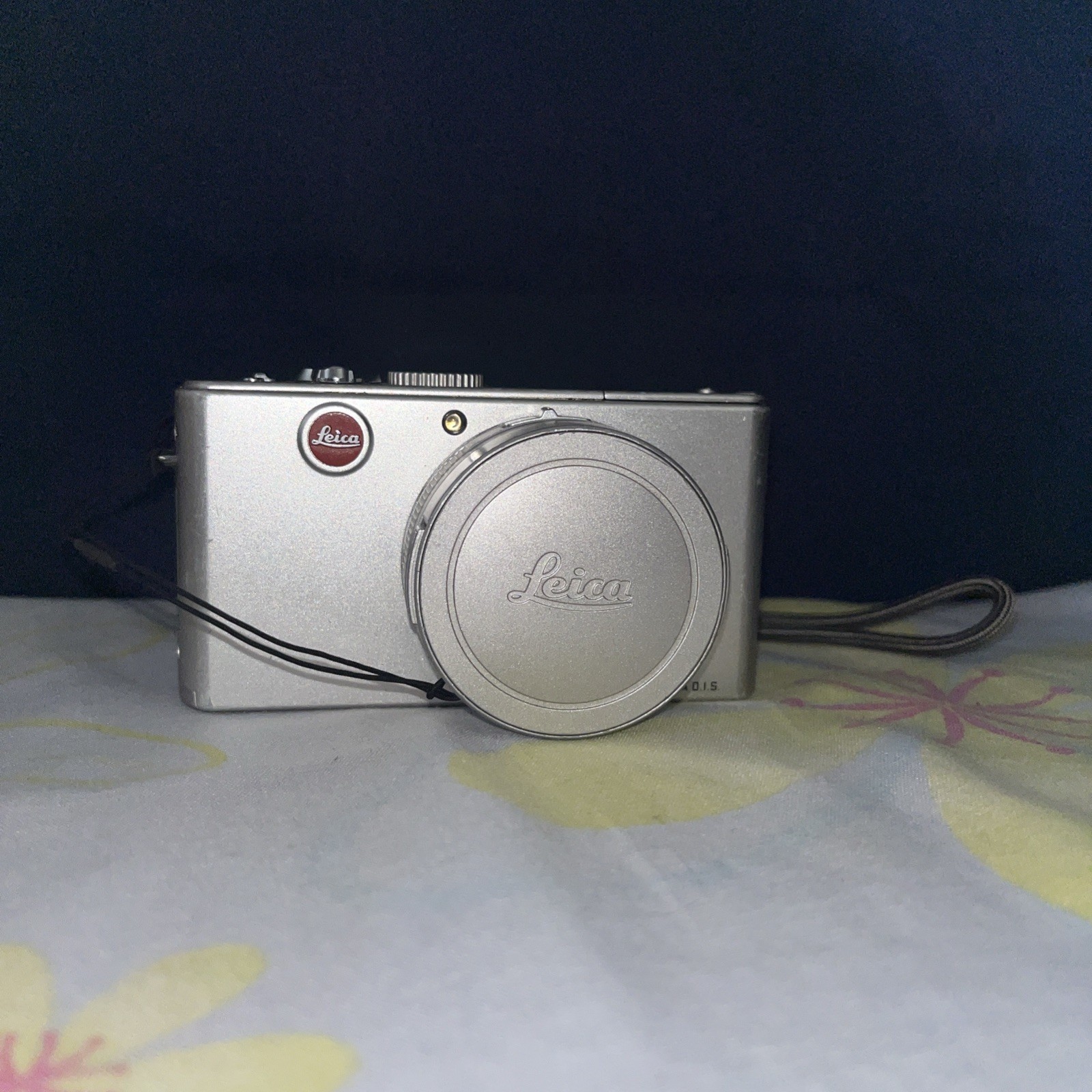
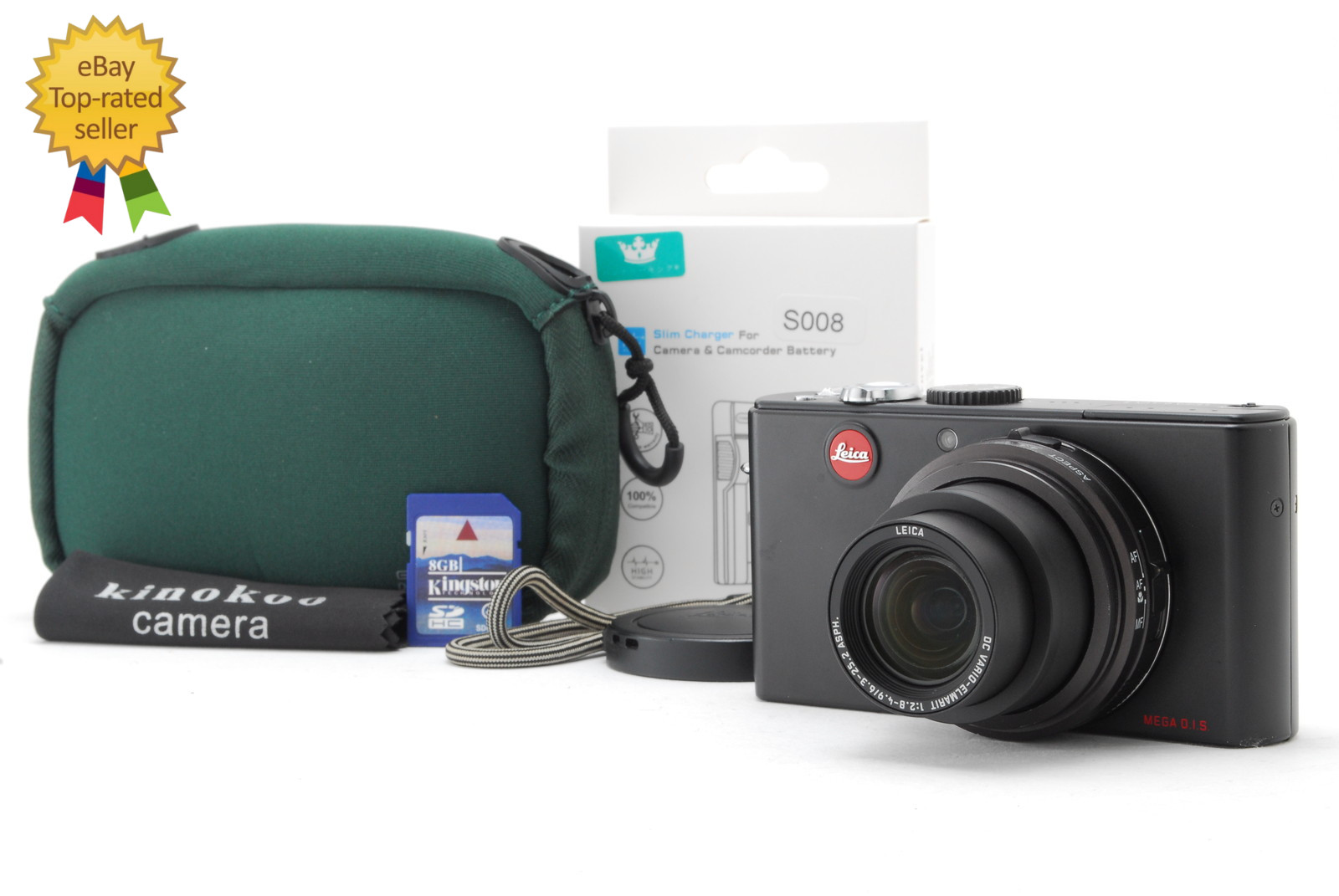
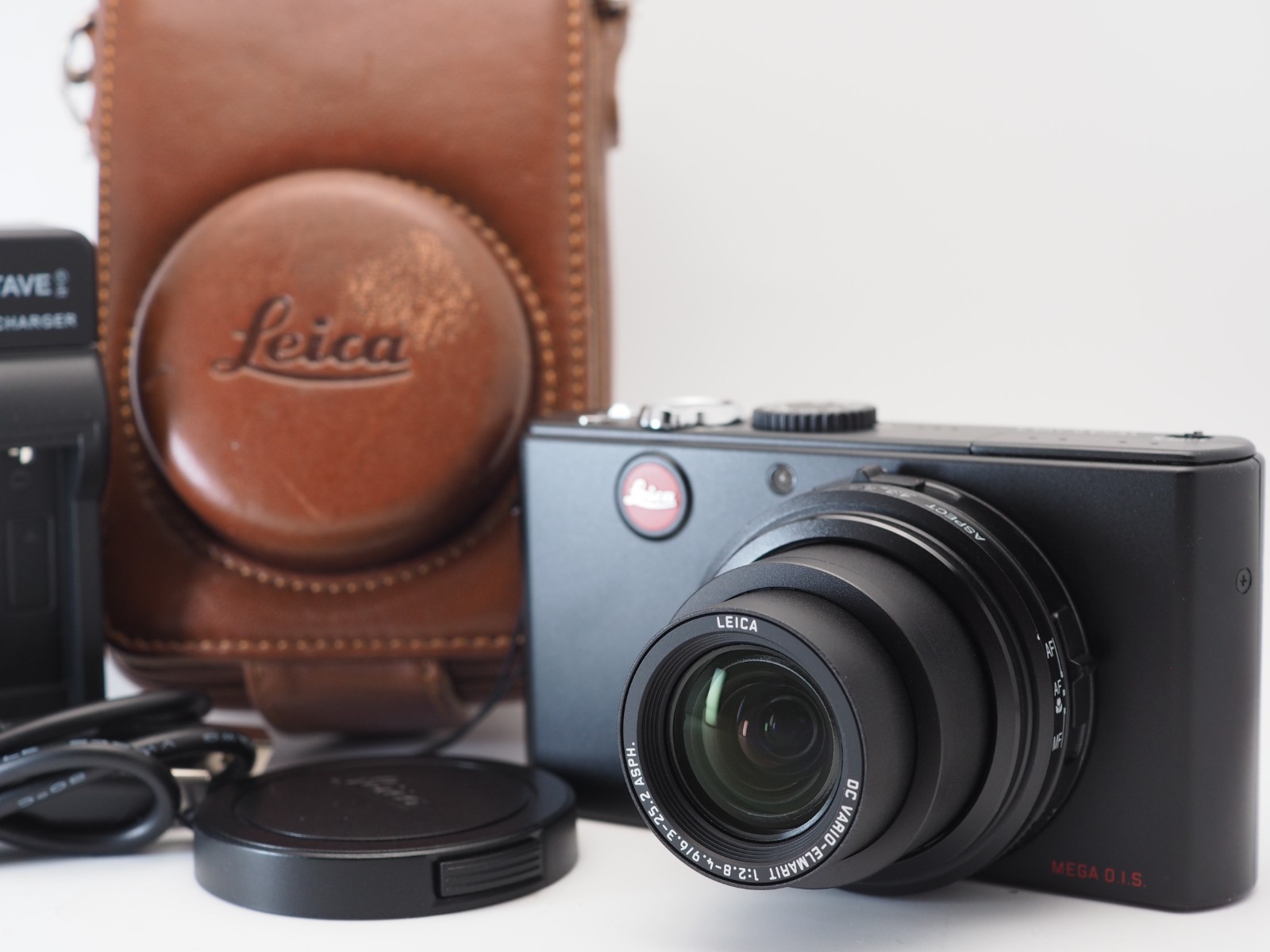
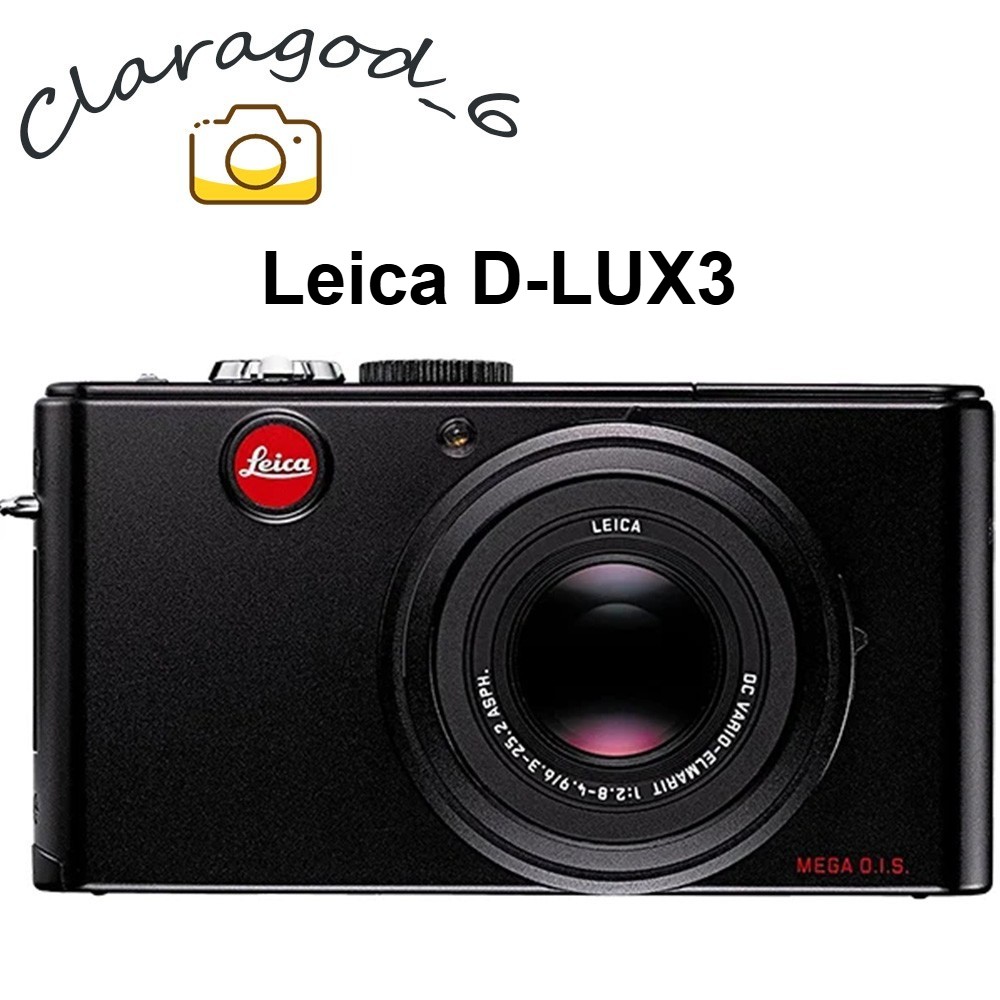
As an eBay Partner, we earn from qualifying purchases. This helps support our independent vintage technology research.