FED 1
The FED 1 is a 35mm rangefinder camera produced in the Soviet Union from 1934 to 1955, representing the first model in the FED line of cameras. A close mechanical and optical copy of the Leica II (Model D), it was developed as part of a state-driven initiative to provide high-quality photographic equipment to Soviet workers and photojournalists.
Overview
The FED 1 was manufactured at the FED factory in Kharkiv, Ukraine, named after Felix Edmundovich Dzerzhinsky, the founder of the Soviet secret police. Production began in 1934 under the First Five-Year Plan, which emphasized industrial self-sufficiency and technological advancement. The camera was initially developed using reverse-engineered examples of the German Leica II, supplemented by technical blueprints reportedly acquired through espionage or diplomatic channels. Early FED 1 units were assembled using a mix of imported components and locally manufactured parts, with quality control improving steadily through the 1930s.
Designed primarily for use by members of the Soviet youth organization "Octoberists" and later adopted by photojournalists and amateur photographers, the FED 1 was marketed as a tool for proletarian documentation and propaganda. Its robust construction, simple mechanics, and compatibility with high-quality lenses made it a staple in Soviet photographic circles. The camera played a foundational role in establishing the FED brand, which would go on to produce several iterations of the FED 1 through the 1950s, culminating in the FED 1c and 1d variants.
Specifications
| Specification | Value |
| Type | Rangefinder |
| Film Format | 35mm (24x36mm) |
| Years Produced | 1934–1955 |
| Lens Mount | Screw-mount (Leica M39 / L39) |
| Shutter | Cloth focal-plane shutter, speeds 1/25 – 1/1000 sec + B |
| Metering | None (uncoupled; later models had accessory shoe for external meter) |
| Exposure Modes | Manual only |
| Viewfinder | Combined optical viewfinder and coincident-image rangefinder |
| Dimensions | Approx. 145 x 75 x 55 mm; Weight: ~550 g (without lens) |
Key Features
- Leica II Clone: Nearly identical in layout and function to the Leica II, including combined viewfinder/rangefinder and top-mounted film advance.
- Interchangeable Lenses: Utilized the 39mm screw mount (L39), allowing compatibility with a wide range of Soviet and pre-war European lenses.
- High Build Quality (Early Models): Early FED 1 cameras (1934–1941) featured precision machining, nickel-plated brass bodies, and excellent rangefinder alignment.
- Manual Operation: Fully mechanical operation with no batteries required; shutter tensioned via film advance lever.
- Dual-Format Frame Counter: Early versions included a switch to toggle between 24- and 36-exposure counting.
Historical Context
The FED 1 was introduced during a period of intense industrialization in the Soviet Union, where self-reliance in technology was a political imperative. The Kharkiv factory, originally established as a children's commune, was repurposed into a precision engineering plant to produce optical and mechanical equipment. The decision to clone the Leica II was strategic: the German camera was already proven in press and documentary photography, and replicating it allowed the USSR to rapidly field a competitive 35mm system without extensive R&D.
During World War II, production was disrupted by the German occupation of Kharkiv (1941–1943), with manufacturing relocated to Sverdlovsk (Yekaterinburg). Production resumed in Kharkiv in 1944, with postwar models showing minor design simplifications to improve manufacturability. The FED 1 competed indirectly with the German Leica and later the Contax II, though it was not exported widely during its production run. Domestically, it was highly regarded, particularly among photojournalists working for TASS and Pravda.
Collectibility & Value
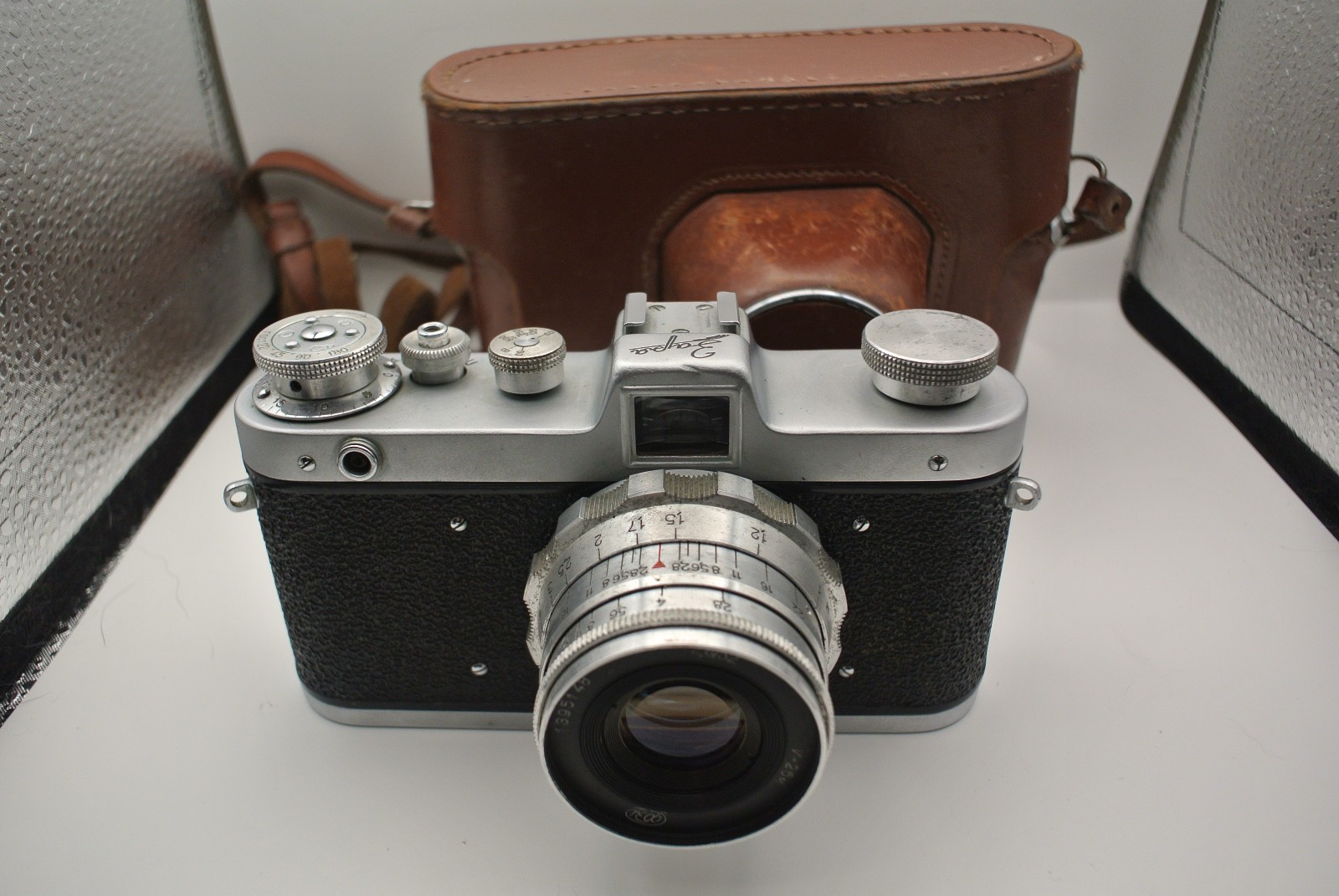
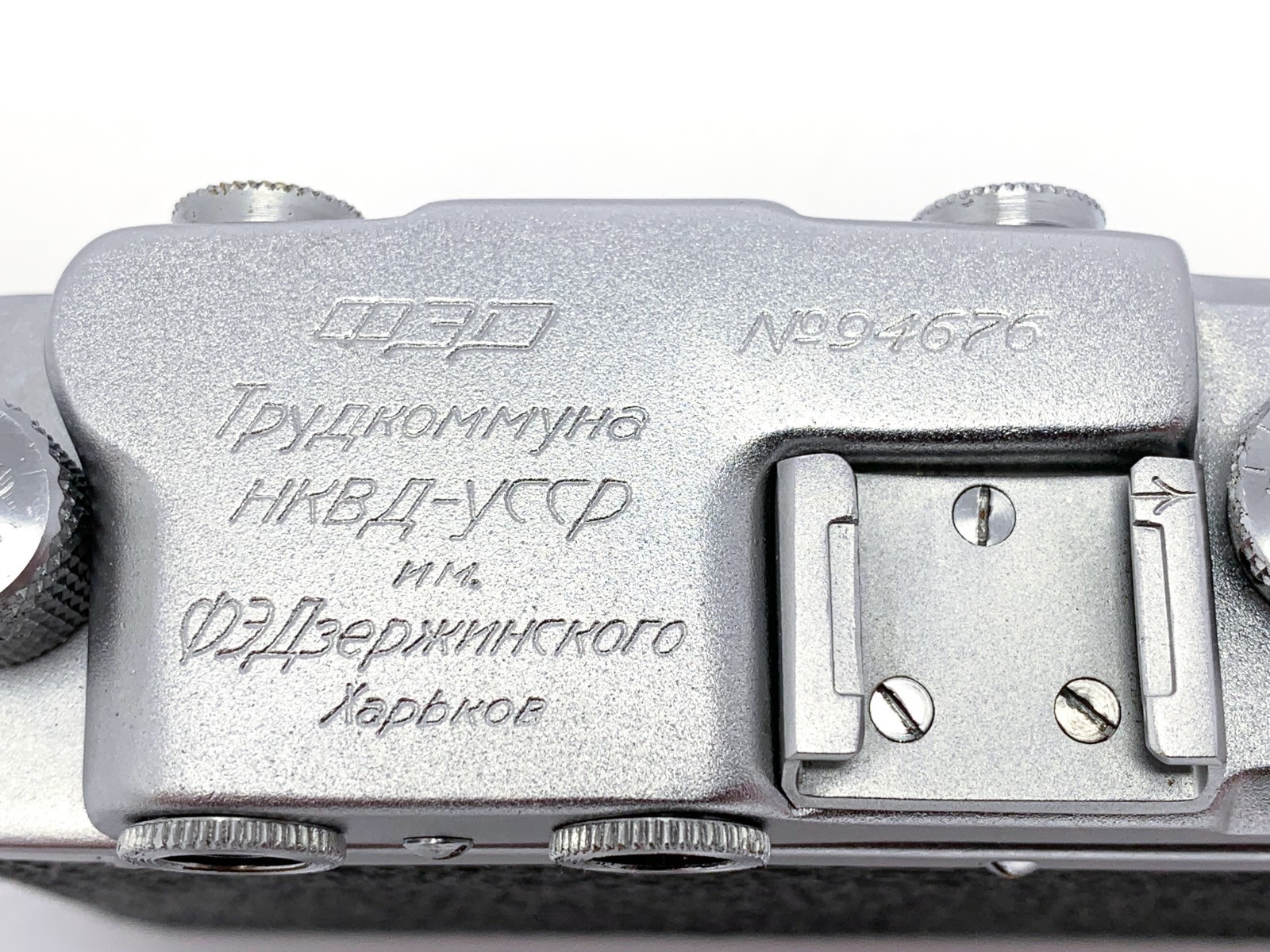
The FED 1 is a sought-after collectible among vintage camera enthusiasts, particularly early pre-war models (1934–1941), which are prized for their superior build quality and historical significance. These early units, often marked with Cyrillic "ФЭД" and serial numbers below 200,000, can fetch $800–$1,500 or more in good working condition. Postwar models (1946–1955) are more common and typically sell for $200–$500, depending on condition and lens included.
When purchasing a FED 1, collectors should inspect the rangefinder alignment, shutter accuracy across all speeds, and lens condition—especially for the standard Industar-22 (50mm f/3.5) or the rarer Industar-10 (50mm f/3.5). Common issues include sticky shutter curtains, misaligned rangefinder mechanisms, and light seals degradation. Original boxes, manuals, and accessories significantly increase value. Due to variations in quality control over its 21-year production span, each unit should be evaluated individually.
Similar Cameras
- Leica II (Model D) – The direct German inspiration for the FED 1, featuring identical layout and M39 mount.
- Zorki 1 – A later Soviet rangefinder (1948) also based on Leica design, but with simplified construction.
- Contax II – German competitor with superior optics and longer production lifespan.
- Kiev 4 – A more advanced Soviet rangefinder from the Arsenal factory, influenced by Contax.
- FED 2 – The successor to the FED 1, featuring a synchronized flash and improved viewfinder.
Repair & Maintenance
The FED 1 requires no batteries and operates entirely mechanically, making it reliable with proper maintenance. The cloth focal-plane shutter is susceptible to sticking or uneven speeds if the camera has been stored improperly or exposed to humidity. A full CLA (Clean, Lubricate, Adjust) by a technician experienced with vintage Soviet cameras is recommended for non-functional units. The rangefinder mechanism, based on a swinging mirror and prism system, often requires recalibration, especially on older models. Replacement parts are limited but can sometimes be sourced from donor cameras. Lubrication of the film transport and shutter tensioning mechanism should be performed with light watchmaker’s oil. Light seals should be replaced to prevent light leaks, and the leather body covering may need restoration due to age-related cracking.
eBay Listings


As an eBay Partner, we earn from qualifying purchases. This helps support our independent vintage technology research.
Service Manuals, Schematics & Catalogs
Related Models
- FED 2 (1955–1970)
- FED 3 (1961–1979)
- FED 4 (1964–1977)
- FED 5 (1977–1990)
- Agfa Optima Sensor 1535
- Argus Argus A
- Argus Argus Autronic (1960)
- Argus Argus C-44R
- Argus Argus C
- Argus Argus C2